


Top-rated paving pros.

Get matched with top paving pros in Newark, AR

Enter your zip and get matched with up to 5 pros

Need a pro for your paving service project in Newark, AR?

Select your specific project to find the pro for you.

Find Paving pros in Newark

Precision Seal Coating and Striping
New to Angi
Asphalt Paving - Repair or Patch

Serving Newark, AR and surrounding areas

Approved

In business since 2021

Free estimates

Offers commercial services

We take great pride in our experience, expertise, quality and customer service that\nwe provide to meet your needs. It is our mission to provide excellent workmanship\nand complete customer satisfaction from start to completion of a project. \nIn order to understand the needs and expectations of our customers,\nwe take great care to work and communicate with every customer a professional manner.\nOur reputation is based on service, safety and quality, regardless of how large\nor small the job.

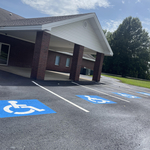
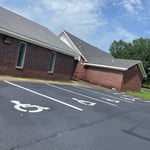
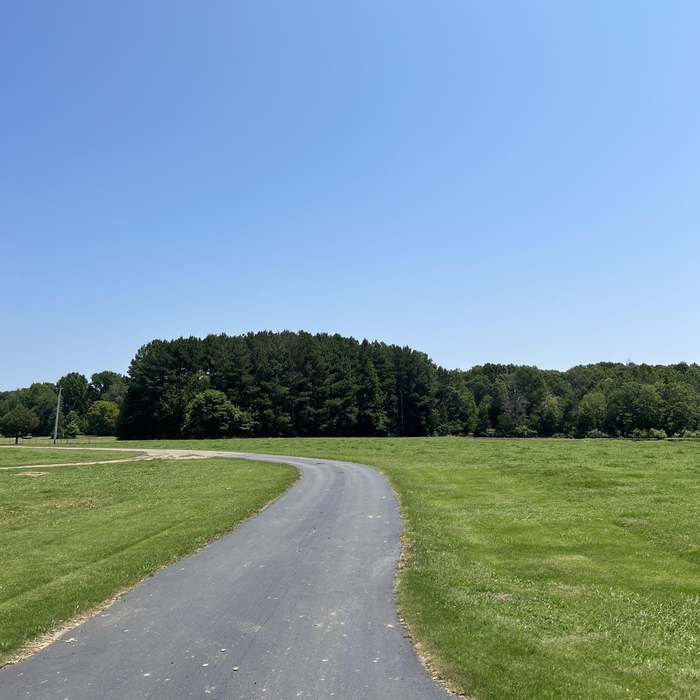
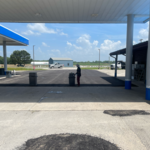
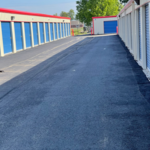
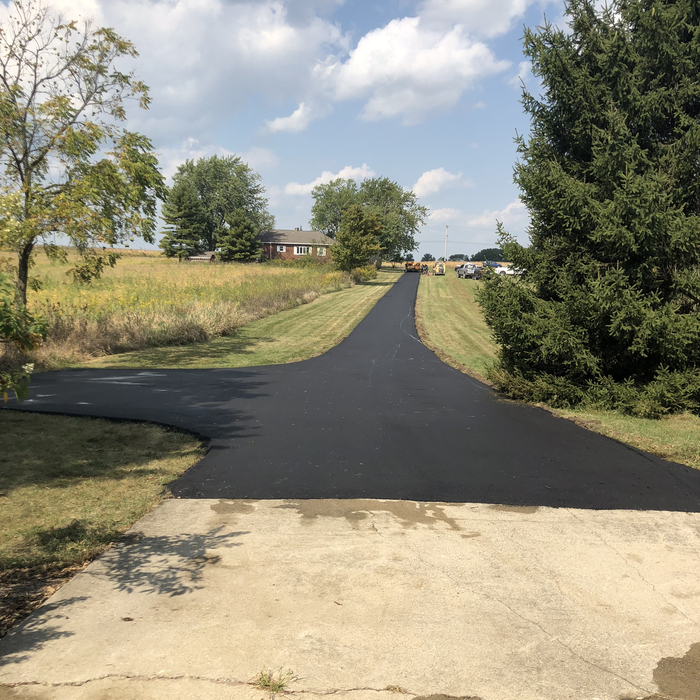
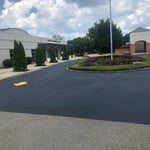
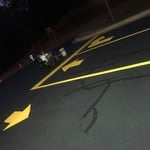
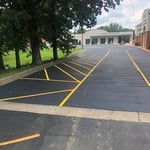
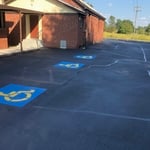
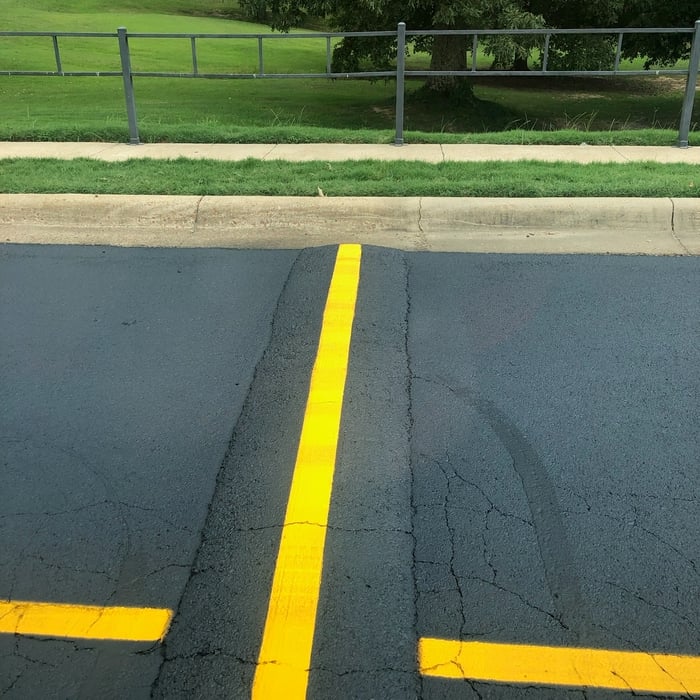
Church Parking Lot
2
3
4
5

+6

Response time2 days
Response rate90%
37 neighbors recently requested a quote
Showing 1-10 of 19
Paving Services questions, answered by experts

Pavers will crack in a fire pit if they are made of the wrong materials. Be sure to use kiln-fired brick paver stones when building your backyard fire pit. You can also purchase a fire pit project kit, which will sometimes come with fire-safe pavers, to help you avoid the guessing game of buying pavers separately.

Wet cutting is usually the preferred method. It controls dust, which helps protect your lungs and makes for a cleaner working environment. Plus, the water cools the blade, preventing overheating and prolonging its life while providing smoother, more precise cuts. The downside is the mess—water and asphalt sludge can be messy to clean. Dry cutting, though convenient if water isn’t available, creates a lot of dust, which can be harmful. This also increases the risk of blade damage due to overheating. So, if you have the option, wet cutting is the better method for most asphalt jobs.

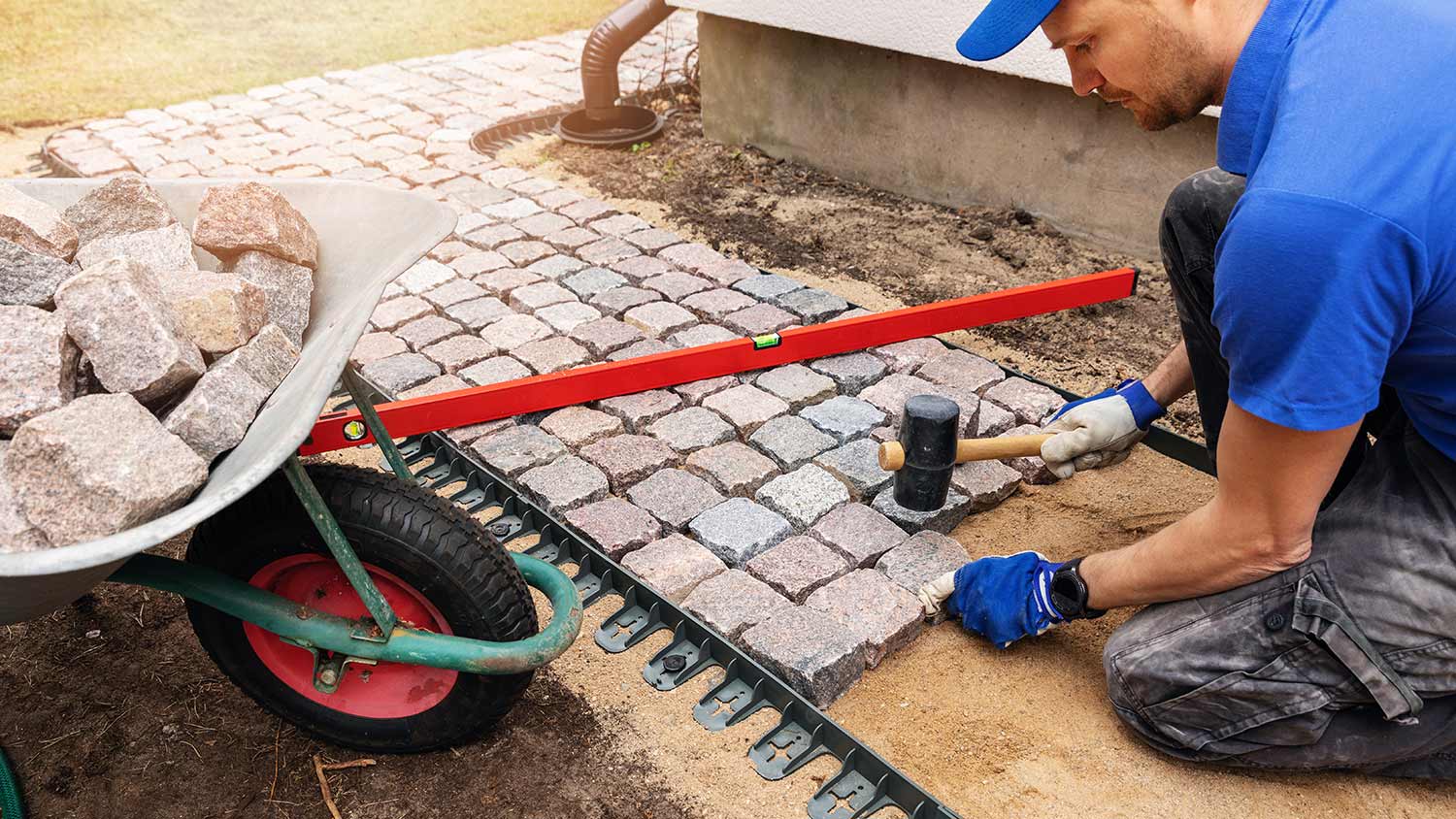
To adhere pavers to concrete, you can use either mortar or a concrete-specific adhesive. For border pavers, a polyurethane-based adhesive is a good choice as it expands and contracts with temperature changes, keeping them firmly in place. For the non-border pavers, polymeric sand is used between the joints to prevent shifting. In most cases, it is also recommended to lay a permeable sand layer below the pavers to ensure proper stability and drainage. Before starting, always take the proper preparatory steps for a professional result.

Professional installers often include a deep layer of crushed gravel under permeable pavers to allow more runoff to soak through into the soil below. Many installations will include multiple layers of gravel, with coarser aggregate at the base and finer aggregate that sits on top of that bottom layer. Above the gravel, you’ll often find coarse sand that helps reduce paver shifting over time. Some permeable paver designs include a water collection system set into the gravel layer to route runoff to a safe area for disposal.

While it may be less expensive initially to lay concrete vs. pavers, the long-term expenses that come with repairing concrete may prove to be less cost-friendly than simply replacing a few damaged pavers. On top of that, stamped concrete may only last for 25 years compared to pavers, which can last over 50 years.

The Newark, AR homeowners’ guide to paving services

From average costs to expert advice, get all the answers you need to get your job done.