
•
Discover yard drainage cost estimates, including average prices, key cost factors, and tips to help you budget for your yard drainage project.
Our yard maintenance mantra: Work smarter, not harder


Maintaining your yard starts with inspecting driveways, patios, and walkways after winter to catch small cracks or damage before they spread and cost more.
DIY driveway patching costs $3 to $5 per square foot, while delaying repairs can lead to full overlays at $7 per square foot for larger areas.
Your lawn needs fertilizer twice a year: slow-release nitrogen in spring when grass starts growing, and a fall feed to build cold hardiness and root strength.
Hiring a local lawn care professional keeps seasonal tasks on schedule, from irrigation system checks to reseeding dead patches and managing equipment maintenance.
Even if your yard is mostly patio or decking with a few plants in containers, you still need to perform some basic yard maintenance (sorry). Whether you're a homeowner or a renter, you want to enjoy your outdoor space, and that involves keeping on top of a few things throughout the year. Here’s what you or a pro should do to keep your yard in tip-top shape year-round.
After a long winter, take a few minutes to inspect your driveway, patio, and walkways. Look for cracks, chips, raised pavers, or other damage. It's more cost-effective to correct minor damage as soon as you notice it rather than waiting for the issue to spread, becoming a bigger, more expensive job. For example, the cost to patch a small area of driveway yourself is $3 to $5 per square foot. But if you leave the small patch until you've got extensive driveway damage, an asphalt overlay will cost you up to $7 per square foot, and you'll need to have a much larger area covered.
After inspecting, perform any basic care and maintenance, such as pulling up weeds, basic patio cleaning, and maybe leveling a paver or two. In the winter months, freezing and thawing can cause pavers to shift, so you’ll want to keep an eye on that.
Best to do by: Early spring
Plant trees, shrubs, and perennials after the threat of frost has passed. Planting in spring provides three full seasons for plants to develop strong roots and firmly establish themselves before they go into dormancy over winter. Just remember to water them regularly during drier spells while they're getting established.
Best to do by: Early-to-mid spring
In early spring, it's time to clean or pressure wash the driveway, patio, decking, fencing, and pathways. Stain the fence, decking, and any other exposed wood once they're clean and dry. Sprucing up your hardscaping is a super-easy and effective way to breathe new life into your outdoor space.
Best to do by: Early-to-mid spring
When you're checking your drive and walkways, take the time to check your sprinkler and irrigation system, too. Rodents chew through hoses, a fallen limb breaks a pipe, or a sprinkler head or motor seizes up. A local lawn irrigation service will perform the inspection for you, and will also come back to properly shut your system off in the fall.
Best to do by: Mid spring
For lawns and garden beds, fertilizing in spring and fall is crucial. Apply a final feed of fertilizer to your yard in late fall, when it's stopped growing or grows so slowly it no longer needs mowing. For the best results, use a fertilizer high in nitrogen and potassium to encourage root growth, cold hardiness, and disease resistance. Once spring rolls around and the grass starts growing again, it's time to apply a slow-release fertilizer high in nitrogen (N), low in phosphorous (P), and moderate in potassium (K), so choose a fertilizer with an NPK of 20-5-10.
Best to do by: Early-to-mid spring and late fall
The foundation for all healthy outdoor spaces is healthy soil. And while soil health should always be at the front of your mind, you should schedule this essential yard maintenance in spring and fall. In fall, after you've removed the dead plants and harvested any tasty edibles, it's time to winterize the soil by tilling in (or digging in by hand—yikes!) lots of organic matter, like well-rotted manure or compost and mulched up leaves.
As it breaks down over winter, this matter releases nitrogen and other essential nutrients, replenishing the soil ready for the new plants in spring. Because it's fibrous and sometimes woody or contains straw, manure and compost improve soil structure and drainage—particularly useful if your garden soil is heavy. In spring, apply a top-dressing shortly before or just after you make your early plantings.
Best to do by: Early-to-mid spring and late fall
Suppose you've noticed dead patches of grass appearing over the summer. In that case, the best time to repair and reseed your lawn is in early fall, when there's still time for the new grass to germinate and establish roots.
Ideally, dethatch or aerate the area first so that the grass seed can more easily reach the soil. Then seed, apply a top dressing, water regularly, and wait for the dead patch to transform into a lush, green lawn. If you need to dethatch and reseed a larger area, you can always hire a local lawn service to take care of it for you.
Best to do by: Early fall

Winter is too cold and the ground's too hard, spring is too busy with all the other yard tasks, and summer is just too darn hot. So fall is the best time to take care of landscaping and infrastructure projects like building a deck or a patio, adding new raised beds, putting up a shed or a summerhouse, or installing a water feature
Best to do by: Early fall
As tempting as it might be to just let last year’s leaves, dead plants, and fallen fruit rot back down into your yard, it's not a good idea. This kind of organic matter harbors all kinds of pests and their larvae, keeping them well-fed and snuggly warm all winter until they emerge and gleefully munch their way through the plants you spend so long tending.
Old organic matter also plays host to fungal spores, molds, and plant pathogens, so leaving it lying around is the quickest way to make your plants sick.
Instead, in fall, get your rake out and clear away all the leaves and fallen debris. You can compost much of it, or bag the leaves up and let them decay, then use them as nutrient-rich leaf mulch in a year or two.
Best to do by: Late fall
When you're certain you've finished with your tools and machinery until spring, don't forget to winterize them. Drain fuel from gas lawnmowers, scrape away all the old, stuck grass cuttings, give the blade a little TLC, and take care of the engine, too. Here's a summary of how to winterize your lawnmower (and you can apply many of the same steps to your other yard equipment):
Drain fuel
Remove battery
Remove and clean sparkplugs
Replace or clean air filter
Change oil
Clean cutting deck
Sharpen blade
Clean and lubricate engine
For tools like forks, spades, and hoes, clean them down with hot soapy water, dry them thoroughly, then sharpen them. For tools with wooden handles, condition the wood by applying linseed oil.
Best to do by: Late fall or early winter

Whenever you mow the grass, it can actually be quite stressful for the individual blades. To minimize damage and keep your grass green, never cut more than one-third of the grass’s height at a time. Any more than this and you'll shock the plants, leaving them susceptible to heat damage and pathogens.
When mowing for the first time in spring, set your mower to the highest setting so that you take only a small amount off the top of the lawn. Then, over the next few mowings, gradually lower the cutting height until the yard is at your desired length.
For the best chance of getting the roots of troublesome weeds out, wait until the ground is soft. Take care of as much weeding as you can in spring, before the ground dries out and bakes hard in the heat of summer. In areas that you know are problem spots, consider applying mulch to give nutrients to the soil and suppress weeds.
In early spring and late fall, make sure you water after the last trace of frost has gone and the garden has warmed a little—usually around midmorning. In hot weather, water in the early morning. If you water in the late evening, you encourage slugs and snails. Drip irrigation hoses are a great choice, as they deliver water little and often and don't splash on your plants, helping to lower the risk of soil-borne pathogens and fungi. For the lawn, a simple sprinkler system works well and requires little effort from you.
Custom Paint Jobs LLC made our home feel like a piece of art. Thank you for your creativity!
 Custom Paint Jobs, LLC
Window Depot did an amazing job on my deck. I wasnt sure what I wanted to do, but their composite decking was affordable and will last a long time. I am excited to have family over, and I am no longer embarrassed by my backyard. Jeff and the ground crew were polite, respectful, and caring for...
 Window Depot USA of Central Ohio
First of all, the gentleman I dealt with (Cam?) was very responsive to my many questions and concerns throughout the project, which is a huge plus to me. From the first time I met him for the estimate all the way til the completion of the job, he and his crew were professional and respectful....
 All Star Paving and Sealing
We had a 20+ year old landscape lighting system that needed replacement. Midwest Lightscapes worked with us to design a much improved lighting system, lighting the exterior of the house and the back yard. Installation of the 45 light system took one and one-half days, and went very smoothly....
 Midwest Lightscapes
Another great success for me on home advisor. This company did an awesome job on my landscaping and stayed within my budget. The best part, the work was complete within 2 days of my initial request. Professional and responsive. I highly recommend!
 Blue Ring Residential Services, LLC
The company no showed on me twice. The 2nd time was no call no show. They were responsive to set up the first appointment to perform the "landscape cleanup". 3 hours after their initial scheduled appointment time they called me to let me know they had some "problem" with the truck and their...
 Ruby Home and Hauling Services
Received ideas for future landscape plans...quote to do the work seemed a bit high but I did not have any other quotes to compare it to, so perhaps that is the going rates. <br />
 Landscapes By Terra, Inc
All around they have done a really great job. <br /> I have used JL Landscapes for the past 8 years. I own and operate my own commercial/residential real estate company where we own, operate, and maintain our own properties. JL Landscapes has been our exclusive landscaper for both our...
 J.L. Landscapes
Bought a half a cord of firewood from Pitzer with stacking last month. I waited to report so I could see how the wood burned. <br /> <br /> I have three pet peeves regarding landscapers, but Pitzer scored "A"s regarding all three. First, rather than having customers "leave a message" and...
 Pitzer Landscaping
I left a message on Sunday requesting to schedule a time to obtain an estimate/walk-through and received a return call in the morning of the following Monday. Mark worked with me and agreed to schedule the estimate/walk-through for the following Saturday. When Mark arrived for the...
From average costs to expert advice, get all the answers you need to get your job done.
Discover yard drainage cost estimates, including average prices, key cost factors, and tips to help you budget for your yard drainage project.
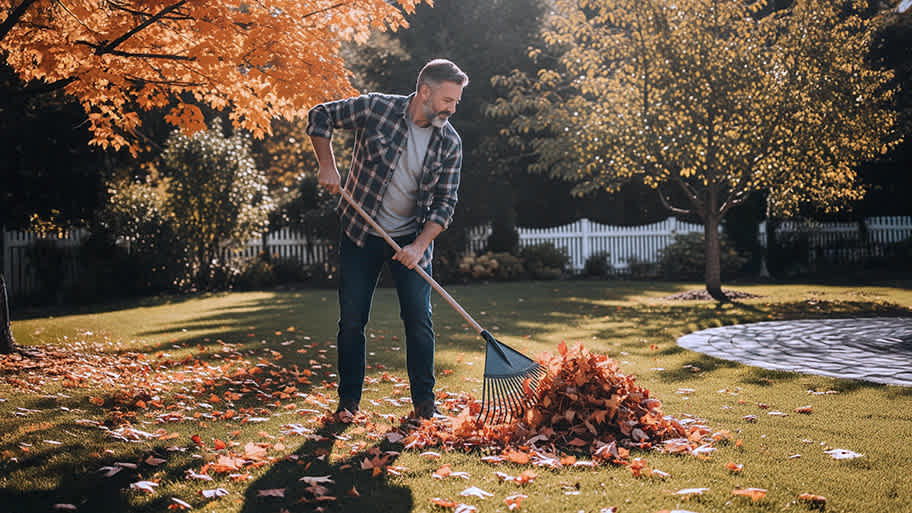
A yard cleanup can keep your lawn clean and prepare it for the next season. Find out the average yard cleanup cost in Phoenix, AZ, and what can affect it.
A yard cleanup can keep your lawn clean and prepare it for the next season. Find out the average yard cleanup cost and what can affect it.
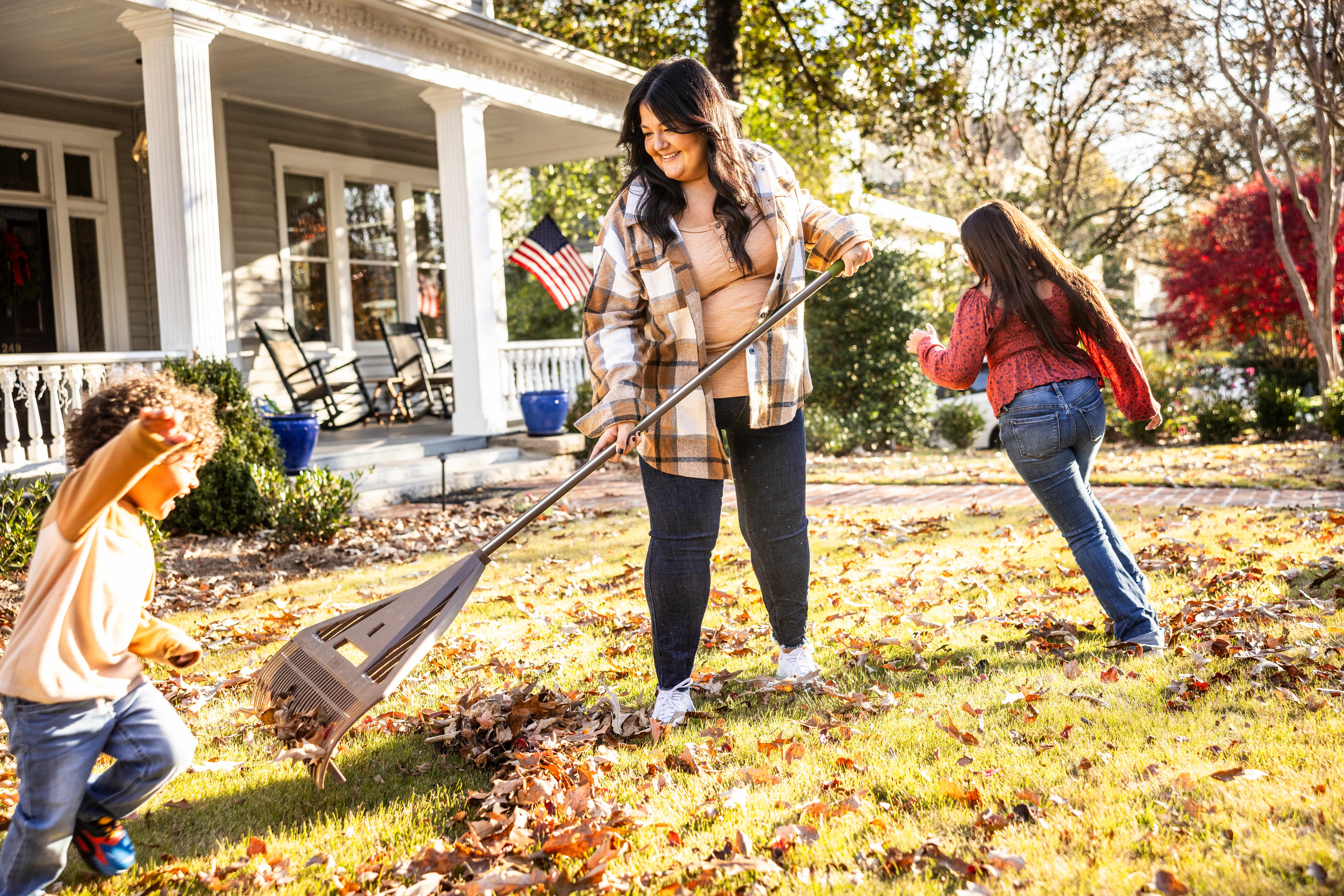
Get your yard ready for autumn with this fall yard maintenance checklist. From taking care of your lawn to your grass and trees, you can keep your yard charming.
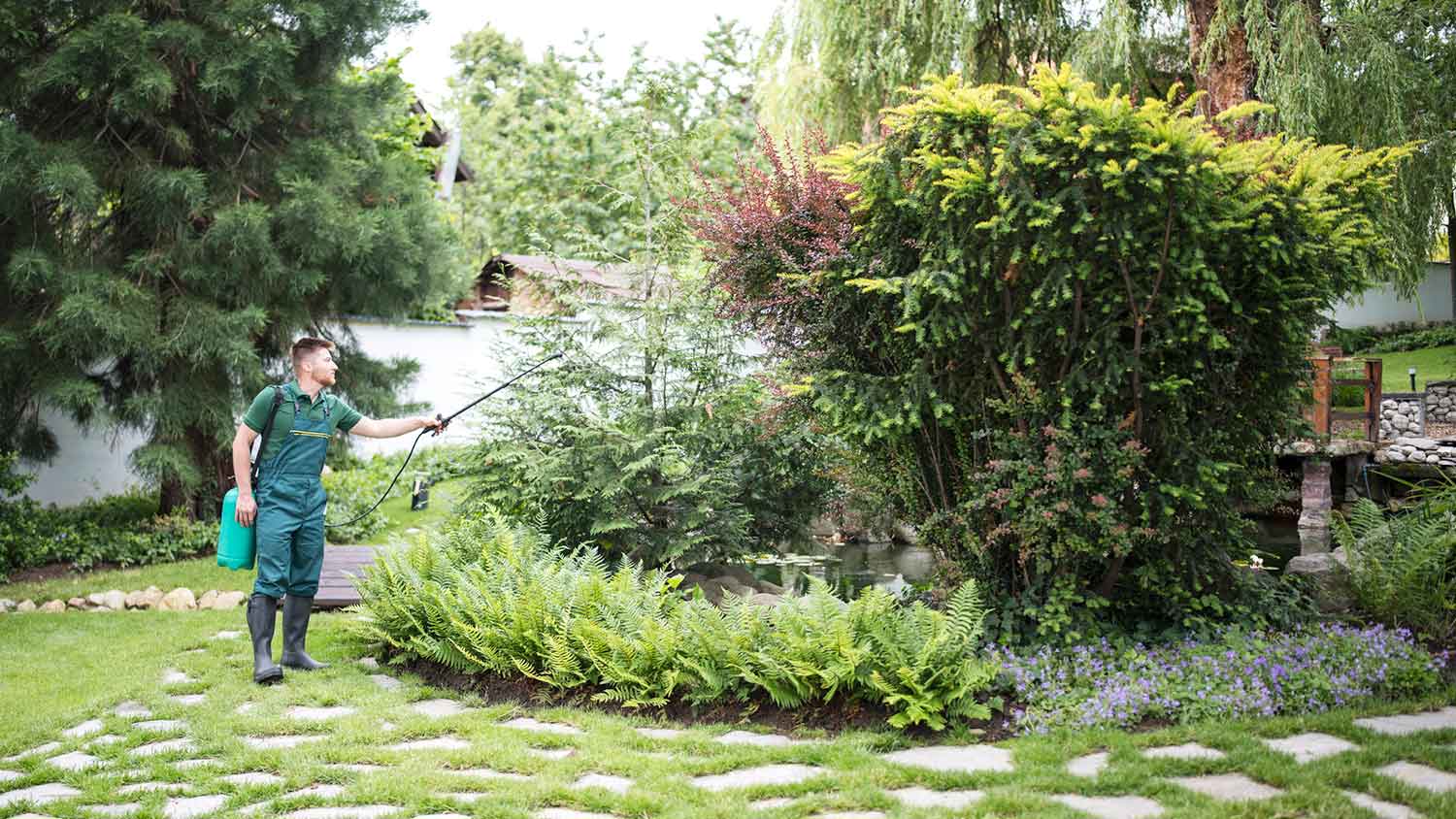
Looking for help maintaining your yard? This guide will show you who to hire to do yard work and whether you need simple lawn services or full renovation.
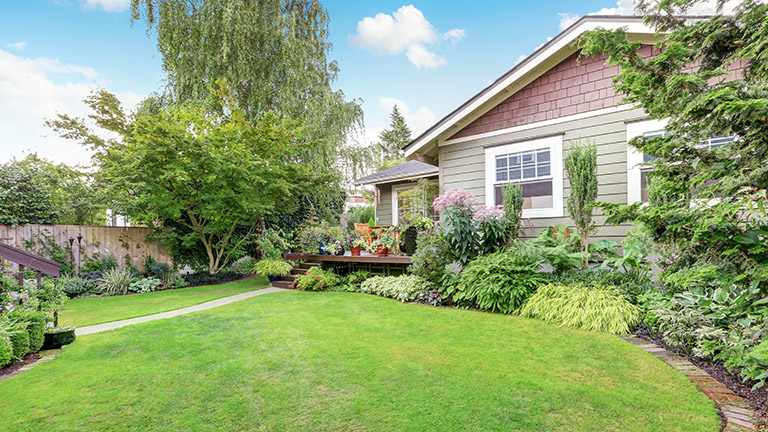
Planning your mowing and lawn maintenance? Learn about yard care costs, scheduling options, and how to hire the right local pro for your home.