
•
Discover true smoke detector installation costs. Learn about average prices, cost factors, and tips to save on your smoke detector installation project.
Get your house up to (fire) code with these smoke detector installation tips

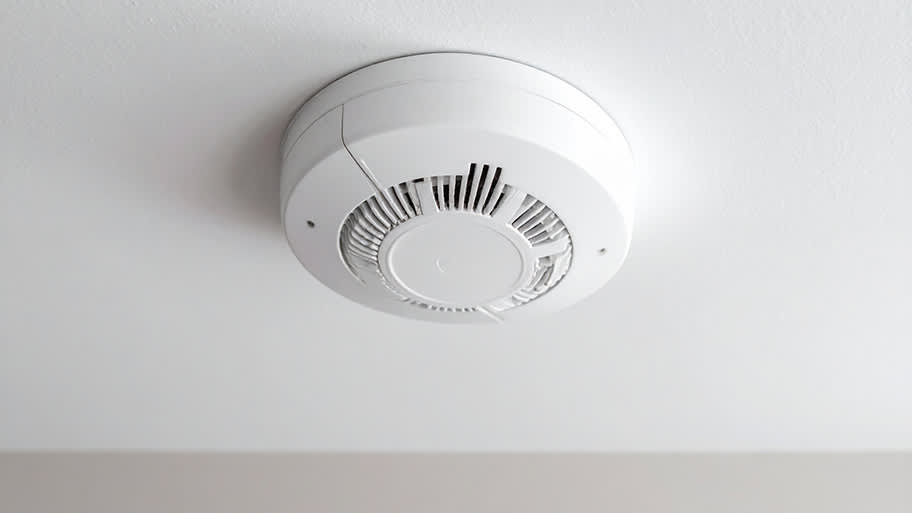
Proper smoke detector placement means installing at least one alarm on every level of your home, including basements, plus one inside and outside every bedroom.
Interconnected smoke detectors cost $1 to $12 per square foot for the system, plus $80 to $120 per hour for professional installation.
Mount your smoke detectors on the ceiling or high on the wall, avoiding drafty areas near windows, doors, vents, and ceiling fans for reliable detection.
Hiring a local smoke detector installing professional ensures hardwired alarms meet building codes and connect properly, keeping your home safe and compliant with fire regulations.
If there’s a fire in your home, your smoke detectors are the first line of defense, but to work properly, they need to be installed in the right places. When deciding where to put smoke detectors in your house, you’ll want to follow the national guidelines as well as your local building codes. Below, we’ll dive into these fire safety specifics so you can protect your home and family in an emergency.
You can install several different types of alarms to alert you to a fire or dangerous levels of carbon monoxide in your home. Because each is designed to detect a different risk, install each kind strategically throughout your home.
Heat detectors, or thermal detectors, detect heat rather than smoke. These alarms are a good choice for areas where smoke may occur naturally or more frequently, like a kitchen or garage. They go off when the room reaches a certain temperature, typically 135 degrees or 194 degrees.
Some models will also detect the rate of rise, which is when the temperature in the room rises at a certain rate, such as 15 degrees per minute.
Heat detectors don’t replace smoke detectors, but you can use them together for more fire protection. They’re also an excellent addition for areas like a crawl space or laundry room and come in battery-powered or hardwired units.
Smoke alarms detect the presence of smoke, but two types of sensors should be included in your home—photoelectric and ionization. A photoelectric smoke alarm detects slow-burning, smoldering fires, while ionization alarms are better at detecting flaming fires with lots of smoke. A dual smoke alarm offers both types of detection in one unit.
Carbon monoxide (CO) is an odorless, tasteless, and colorless gas produced by fuel-burning devices, including fireplaces, dryer vents, and furnaces. If a CO leak occurs, people in the home can experience headaches, confusion, fatigue, dizziness, and even death if they’re exposed for too long. CO detectors will alert you to this danger, allowing you time to evacuate the house immediately.

Smoke detector laws depend on where you live, so you’ll need to contact your local building department to understand the rules in your area. Separately, there are national guidelines set by the National Fire Protection Association (NFPA) that you should follow.
According to the NFPA’s Code NFPA 72 (National Fire Alarm and Signaling Code), you must place smoke detectors:
On every level of your house, including basements and finished attics
In every bedroom or sleeping area
In every hallway or space outside of bedrooms
In your communal gathering places (living rooms, family rooms, or dens) or near staircases to upper levels
So, what does this mean for your home? Let’s say you live in a four-bedroom property with two stories and a basement. In that case, you’d need at least seven or eight smoke alarms. If you have a ranch-style home with three bedrooms and an attic, you should install at least five or six smoke detectors.
It’s important to have working smoke detectors in each of the key areas mentioned above, but the ones inside and outside your bedrooms are arguably the most important. If a fire breaks out while you’re sleeping, these alarms will give you the best chance of escaping.
Are you unsure where to put a smoke detector in a bedroom? You can work with a qualified smoke detector installer near you to determine the best placement for your alarms.
Smoke detectors are important safety devices that can help save lives, but if you install them in the wrong place, you might accidentally set them off. Here are some of the places where you shouldn’t place smoke detectors if you want to avoid false alarms:
Within 10 feet of humid or damp places, including showers, saunas, or dishwashers
Within 20 feet of cooking appliances, including stoves
Within 20 feet of heat sources, like furnaces, space heaters, and water heaters
Parts of your home that get particularly cold or hot (below 40 degrees Fahrenheit or above 100 degrees Fahrenheit), such as outdoor rooms and unfinished basements or attics
Dusty and dirty spaces, including laundry rooms, garages, and crawl spaces
Insect-infested places (to prevent bugs from crawling into the smoke detectors and setting off the alarms)
Within 1 foot of fluorescent lights (the noise and flickering can interfere with the smoke alarms)
Now that you know where to put a smoke detector (and where not to put one), you can start installing them around your house. Here are a few tips to keep in mind:
Don’t set up your smoke alarms near windows, doors, air vents, heating ducts, or ceiling fans if possible. The drafts in these areas can blow the smoke away from the detectors, so they might not go off if there’s a fire.
Don’t place smoke alarms too close to fans or air ducts when mounting them. Moving air can displace smoke from the sensor. You also don’t want your alarms right by the kitchen stovetop or bathrooms. Smoke from cooking and steam from a shower can set off an alarm.

Since smoke rises, your ceiling is the ideal location for your smoke detectors. You can also mount them on your wall as long as they’re less than 1 foot away from your ceiling. If you have sloped or pitched ceilings, ensure the alarms are more than 4 inches but less than 3 feet from the peak of the ceiling.
When shopping for smoke alarms, it’s best to choose models that interlink with one another so they all go off when one detects smoke or fire. You’ll pay between $1 and $12 per square foot for this type of system, plus $80 to $120 per hour for professional installation.
To make sure your smoke alarms are working, test them at least once a month, but some recommendations say you should check them weekly. You can test your smoke alarm by pushing the test button on the alarm itself. If you have a smoke alarm connected to an app, you may be able to test it from the app.
Installing battery-powered smoke detectors in your home is a pretty easy DIY project. Smoke alarms come with installation instructions and all of the materials you need to install them, including the alarm, the bracket, screws, and concrete anchors. If the alarms are interconnected or come with an app, it’s easy to connect them and set up a whole-home system on your own.
Most building codes for new construction require hardwired smoke detectors throughout the house. In this case, you’ll need to hire a qualified electrician to wire the smoke detectors into your home’s electrical system. You can also hire a home security pro in your area to add smoke alarms to your home or call your local fire department or Red Cross, both of which might help you with the installation at no cost.
I recently had Mosby Electric perform an electrical installation on 8-14-2026, and I couldn’t be more satisfied with the service. From the moment I called, their team demonstrated fast arrival and professionalism. The electricians were highly knowledgeable, completing the installation...
 Mosby Electric
Great company! Price was competitive, technician showed up on time and completed the job (exterior electric Radon fan replacement) quickly. Would hire them again.
 MaGen Property Inspections and Radon Mitigation
I conferred with 2 other contractors before Armstrong Electric. Nick and his crew showed me that the project was not as convoluted as the other contractors made it appear to be. They completed the entire project on time. They were professional, friendly and cleaned up after at completion. I...
 ARMSTRONG ELECTRIC, LLC
The techs on my project, Shawn and Cliff, were great. They were prompt, courteous, and efficient. I am very happy with the results and would definitely contact Mr. Electric for any future electrical projects.
 Mr. Electric of Columbus
Victor was wonderful. He was on time, professional, and explained everything he was doing. He was thorough and figured out that the problem was electrical instead of with my HVAC system. Very knowledgeable. I will be using this company in the future for any HVAC needs. Thanks!
 Hubbs Heating & Air LLC
They were excellent. They did a great job. I was totally satisfied. They put tremendous effort in making sure the work was completed. They were great. They provided immediate response to any inquires I made. I would hire them again. I would recommend them to anyone who needs electrical work....
 JCB & Associates, LLC DBA Property-Tech Industries
Initially, the repairman could not find the problem. Apparently, there was some electrical shortage, but he could not find the definite problem. He left, but called back later to say he had a new idea. He returned and replaced the light switches on the doors. The refrigerator seemed to return...
 Appliance Pro LLC
The initial quoted price from a walk-through seemed high, but we discussed that the quote represented worst case scenario (re-wiring to two floors) and we were excited about the opportunity to have the work done in a timely manner with closing for fire safety reasons, etc. When the job was...
I have to tell you I am all about customer service - I will go out of my way and even pay more for it if you give me great customer service. <br> <br>In a world where this is hard to find, these guys were awesome! I can not sing their praises enough. They were prompt, personable, funny, got...
 Waibel Electric
When I challenged the markup on the generator, Bruder Electric withdrew its bid. They only want naïve customers.
From average costs to expert advice, get all the answers you need to get your job done.
Discover true smoke detector installation costs. Learn about average prices, cost factors, and tips to save on your smoke detector installation project.
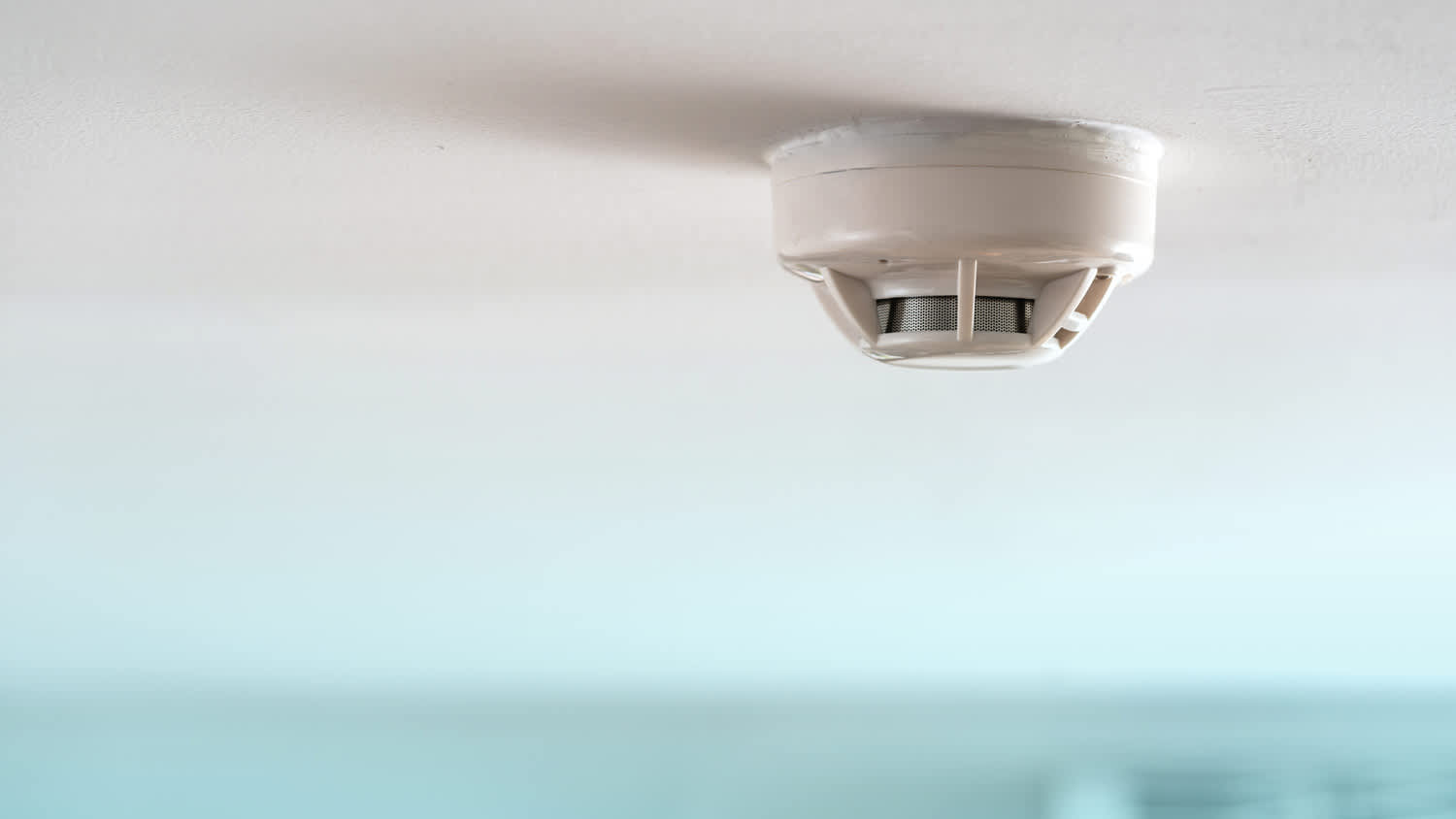
Smoke detectors can save you precious time during a fire, so hire a qualified electrician to install hardwired smoke detectors and ensure they work properly.
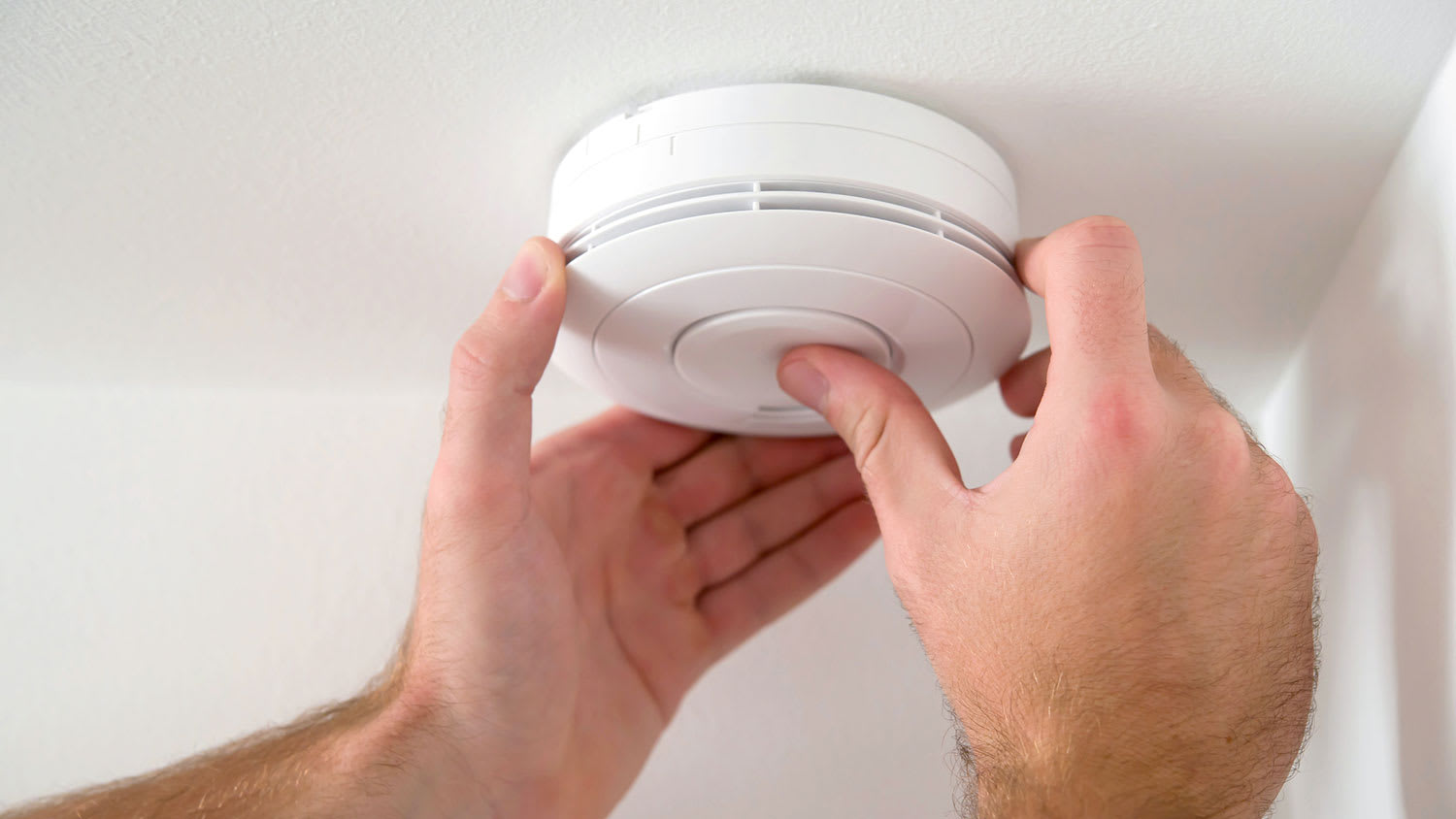
Learn how to hire a qualified electrician for smoke detector installation. Find the right pro, ask the right questions, and ensure your home's safety.
How long do smoke detectors last? Keep reading to find out when you should replace your smoke detectors and how to maintain them.

Learn how to install a smoke alarm with our step-by-step guide. It’s easy enough for almost any DIY project and adds extra protection to your home.
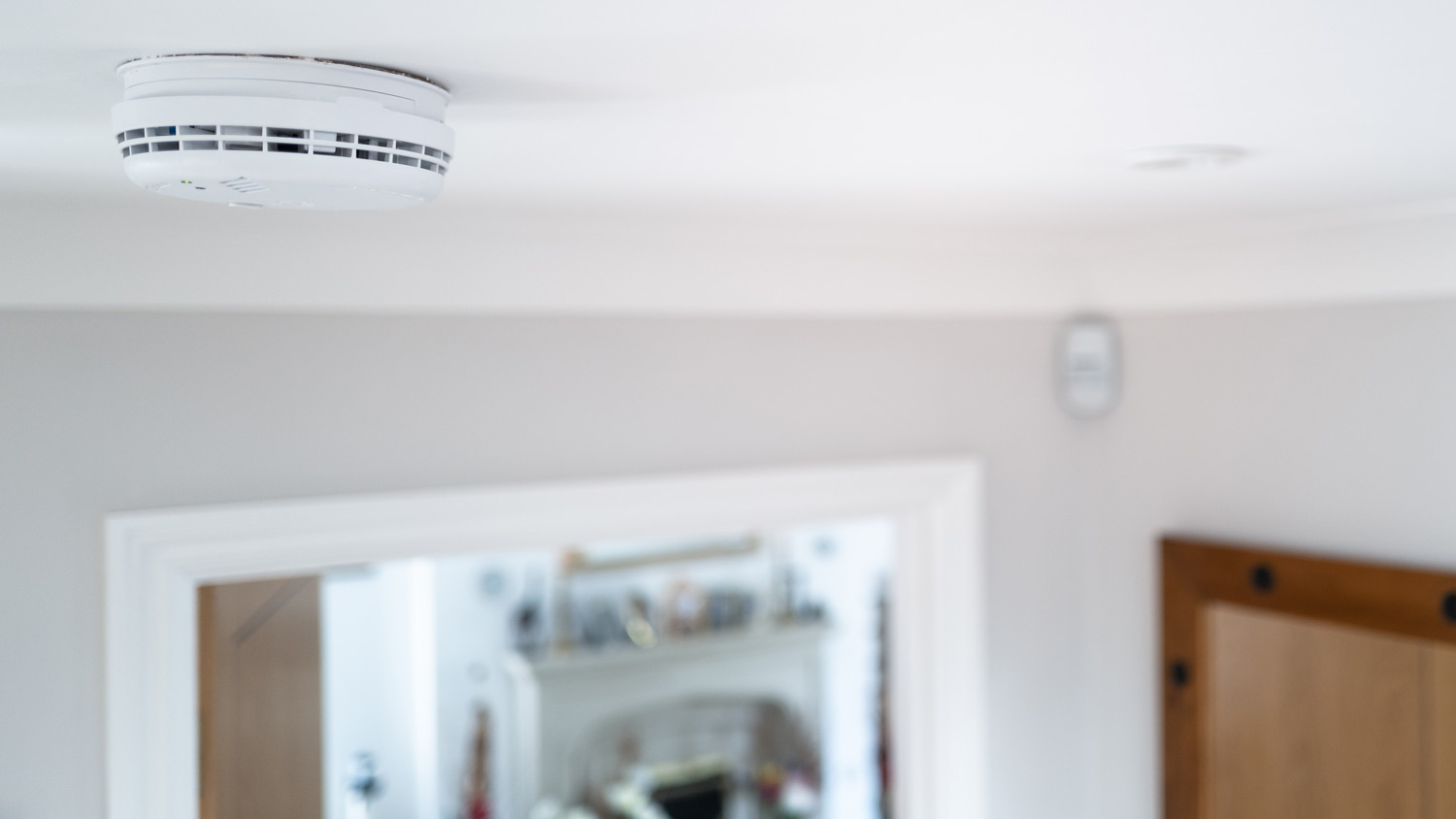
To protect yourself from a fire, you should know the best types of smoke detectors for your home and the pros and cons of each.