•
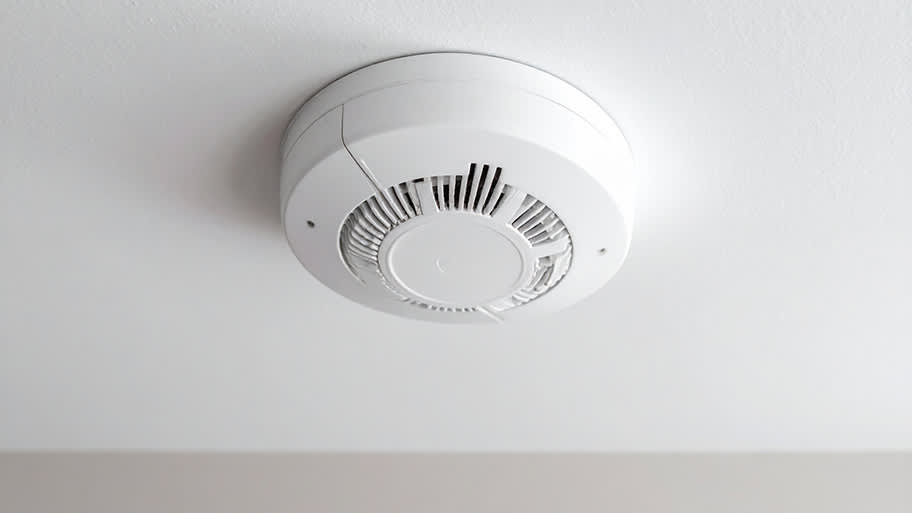
Discover true smoke detector installation costs. Learn about average prices, cost factors, and tips to save on your smoke detector installation project.
See through the smoke with these pros and cons

Different smoke detector types sense fires in distinct ways, so choosing between photoelectric, ionization, dual-sensor, or combination models depends on your home's layout and local building codes.
Smoke detector costs range from $7 for basic ionization units to $150 for smart models, making it easier to find options that fit your budget and protection needs.
Battery-operated smoke detectors let you install alarms quickly in every bedroom and hallway, while hardwired systems connect to your home's electrical wiring for continuous power without battery changes.
Hiring a local electrical professional helps you meet building code requirements and ensures proper placement throughout your home, especially when installing hardwired or interconnected smoke detector systems.
Smoke detectors are an essential part of home safety that alert you to the presence of smoke and potentially fire in your home. There are seven main types of smoke detectors for your home—photoelectric, ionization, dual sensor, combination smoke and carbon monoxide, battery-operated, hardwired, and smart—though some may fit into more than one category.

Photoelectric smoke detectors create a beam of light inside a sensing chamber, aimed away from a sensor. If smoke enters the chamber, it reflects the light onto the sensor, triggering the alarm. This type of smoke detector works best for sensing smoldering, flameless fires—whereas an ionization smoke detector may only sound once a fire has developed flames.
While photoelectric detectors cost a little more than ionization smoke detectors, they’re still affordable at around $20 per unit, whether they’re hardwired or battery-powered.
| Pros | Cons |
|---|---|
| Better at detecting smoldering fires | Isn’t as responsive to flaming fires |
| Less sensitive to cooking smoke | Slightly more expensive than ionization smoke alarms |
| Can be battery-powered or hardwired |
Best for: Detecting smoldering fires

Ionization smoke detectors are best at detecting flaming fires. They use a small amount of radioactive material to ionize the air, causing air molecules to line up between two charged plates. When smoke disturbs these lines of ions, it breaks the path of electricity and triggers the alarm.
This type of smoke detector is better at detecting flaming fires than smoldering fires, but by the time flames develop, there will be more smoke, and you may have less time to get out of the home safely. They’re wallet-friendly, with some starting as low as $7. If you need assistance choosing a smoke detector, a licensed electrician may be knowledgeable about the required or recommended units in your area.
| Pros | Cons |
|---|---|
| Better at detecting flaming fires | May not detect smoldering fires |
| Affordable | Can be triggered by smoke from cooking |
Best for: Detecting flaming fires

Dual-sensor smoke detectors that use both ionization and photoelectric alarms are ideal for your home and give you the best protection regardless of which type of house fire starts. While this type of smoke detector is more expensive than a photoelectric or ionization version, it’s still relatively affordable, averaging between $30 and $50 per unit. However, this can add up if you need to buy multiple units for a large home.
| Pros | Cons |
|---|---|
| Detects both flaming and smoldering fires | More expensive than ionization or photoelectric alarms |
| Can be hardwired or battery-operated |
Best for: More comprehensive protection

To create a safe home, you don’t have to wonder if you should install carbon monoxide (CO) detectors or smoke detectors—you can install combination units. Carbon monoxide in the home may be the result of a leaking chimney or furnace, gas stoves, or exhaust from a vehicle in an attached garage. If CO builds up, it can result in fatigue, chest pain, headaches, dizziness, and confusion, among other symptoms.
Carbon monoxide is odorless and colorless and can be an extremely dangerous gas in high concentrations. Installing a combination smoke and detector can alert you to high CO levels or a fire in your home. They cost about $35 to $55 per unit, and you can talk with your local fire department or Red Cross to determine the best placement in your home.
| Pros | Cons |
|---|---|
| Detects smoke and carbon monoxide | Cost more than a standalone smoke alarm or carbon monoxide detector |
| Can be more affordable than buying each separately | Can be challenging to decide where to place each unit |
| Fewer units are needed around the home |
Best for: Protection against carbon monoxide as well as fires

Battery-operated smoke detectors are budget-friendly and easy to install anywhere you need them, including bedrooms, outside sleeping areas, living areas, basements, and nearby kitchens. Test the batteries every month to ensure they still work.
Battery-operated smoke detectors also come in 10-year sealed battery versions. You won’t have to change the batteries as you’ll need to throw them away after 10 years.
| Pros | Cons |
|---|---|
| Easy to install and place throughout the home | Batteries will need to be replaced according to the manufacturer’s specifications |
| 10-year sealed battery versions available | You’ll need to test the batteries regularly and change them as needed |
| Affordable |
Best for: Quick installation anywhere you need a smoke alarm

Hardwired smoke detectors are connected to the wiring and draw power from the home’s electricity. They can also come with a battery backup so they can function during a power outage. Hardwiring is one way to create an interconnected smoke detector system, so when one alarm is triggered, all alarms sound. Call a qualified electrician who installs smoke detectors if yours needs to be hardwired.
Many state and local building codes require hardwired, interconnected smoke detectors in new construction and 10-year sealed battery versions in existing construction. To determine the building code regulations in your state, look up your city’s building code, talk to a licensed electrician near you, or call your local fire station.
| Pros | Cons |
|---|---|
| You don’t have to change the batteries | Should be installed by a licensed electrician |
| Can use a battery as a backup power source | Likely not installed if your home was built prior to 1980 |
| May already be installed in your home | Won’t work during a power outage unless it has a battery backup |
Best for: Creating an interconnected system in new homes without relying on batteries

You can buy smart smoke and carbon monoxide detectors that integrate into a smart home or security system. These types of smoke detectors are more expensive than standard stand-alone detectors, but they can alert you or your home security service to the presence of a fire.
If you don’t want to integrate these with a smart system, choose a smart smoke alarm that connects to a smartphone app. Smart smoke detectors range in price from $35 to $150.
| Pros | Cons |
|---|---|
| Can alert to a fire when you’re not home | More expensive than standard smoke alarms |
| Can alert the security system monitoring company | Requires an app or base station |
| When one alarm is triggered, all alarms sound | Some need to be hardwired |
Best for: Remote notification and interconnected alarm system
Choosing the right smoke detector depends on your budget, goals, and local building codes. According to the Federal Emergency Management Agency (FEMA), the best practice is to install smoke alarms on every level of the home, inside each bedroom, and outside each sleeping area.
While all homes must have smoke detectors, the type required can vary from state to state and city to city. To start, you can call your local fire department or a local electrician for more information. Other considerations include:
How often you want to test the smoke detector and change the batteries
Whether or not you want to control the detectors with an app
If you want or are required to have an interconnected system
If you have hardwired, interconnected smart smoke detectors that work with an app or home security system, they can alert you to a fire even if you’re not home. If they’re connected to a monitored home security system, the company can call the fire department for you when the alarm is triggered. If you live in an older house or prefer not to use a smart system, you can install battery-powered smoke detectors throughout your home.
If you’re good people wanting to do business with good people, hire Matt. He is a consummate professional and utterly competent. He installed a water heater in my home at a price that beat competitors by hundreds of dollars with a promise to support the unit for its life (even after its 6 yr...
 Greene's Plumbing Services
I recently moved to another state and chose United Trust Van Lines after comparing several companies. Their team was punctual, professional, and extremely careful with my belongings. I was especially impressed with how they handled my home office setup and fragile items. Everything arrived on...
 United Trust Van Lines, LLC
1st Choice Renew is simply the best! We hired them for a complete home renovation, and they transformed our space into something truly amazing. The team attention to detail and commitment to quality were evident throughout the project. They were easy to work with, very responsive, and always...
 Save A Dime
I had Ace Fireplace Services install custom chimney caps for my home, and the results are stunning. They fit like a glove and have added a touch of sophistication to my chimney. I can't recommend their services enough.
 Ace Fireplace Services
Exquisite workmanship from Custom Paint Jobs LLC. My home has never looked better.
 Custom Paint Jobs, LLC
I was concerned about my possessions safety throughout the move but Bridge View Van Lines took all necessary security measures to make sure everything arrived in mint shape I am really appreciative of their effort and commitment They made my long distance move seem simple
 Bridgeview Van Lines
We needed windows in our home, and we couldnt believe we got our entire home done for under $14,000. We have a lot of windows, and not only was it affordable, but it got done in a timely manner! Thanks guys, I truly appreciate you all!
 Window Depot USA of Central Ohio
Working with Mike on our first home purchase was an absolute pleasure. Mike put us at ease and made the process of buying a home fun. Mike is knowledgeable, honest, professional, and punctual. He worked with our busy schedule and always made time for us. When a home came on the market that...
 Michael Marshall - Buyer's Resource Realty Svcs.
Before choosing a real estate agent, we conducted a lot of research to see who would be the best choice. Homes that Click stood out as the best Columbus has to offer: their rankings are excellent, their social media presence was strong, and I could tell they put a lot of work into their...
 Homes That Click Realtors
Fantastic! Top Line was early for the appointment and very knowledgeable and took time to explain everything they had found during the home inspection. The report included clearly defined issues and what they recommended to remedy the same. The report also included many pictures to help...
 Top Line Home Inspections, LLC
From average costs to expert advice, get all the answers you need to get your job done.
Discover true smoke detector installation costs. Learn about average prices, cost factors, and tips to save on your smoke detector installation project.
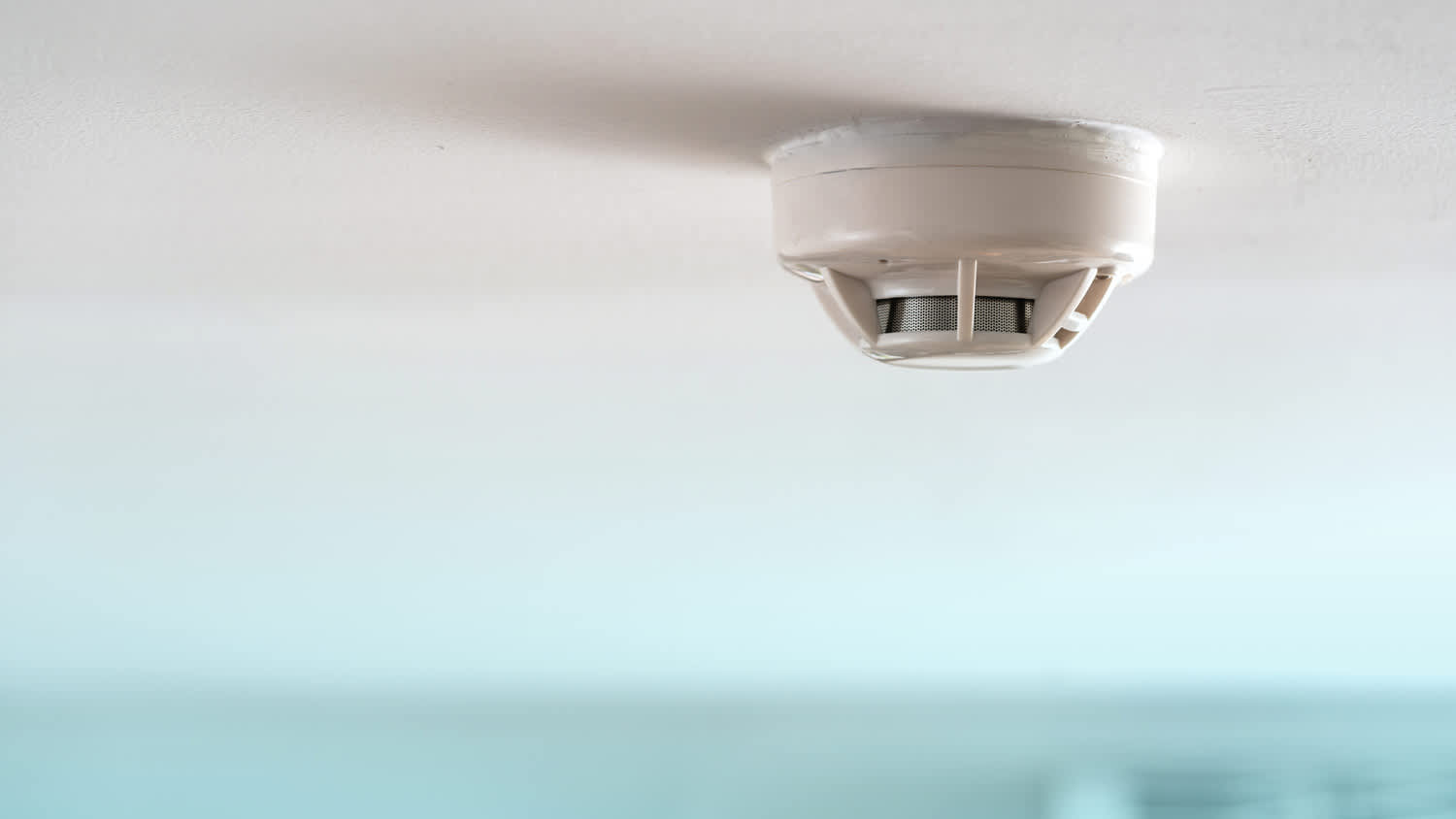
Smoke detectors can save you precious time during a fire, so hire a qualified electrician to install hardwired smoke detectors and ensure they work properly.
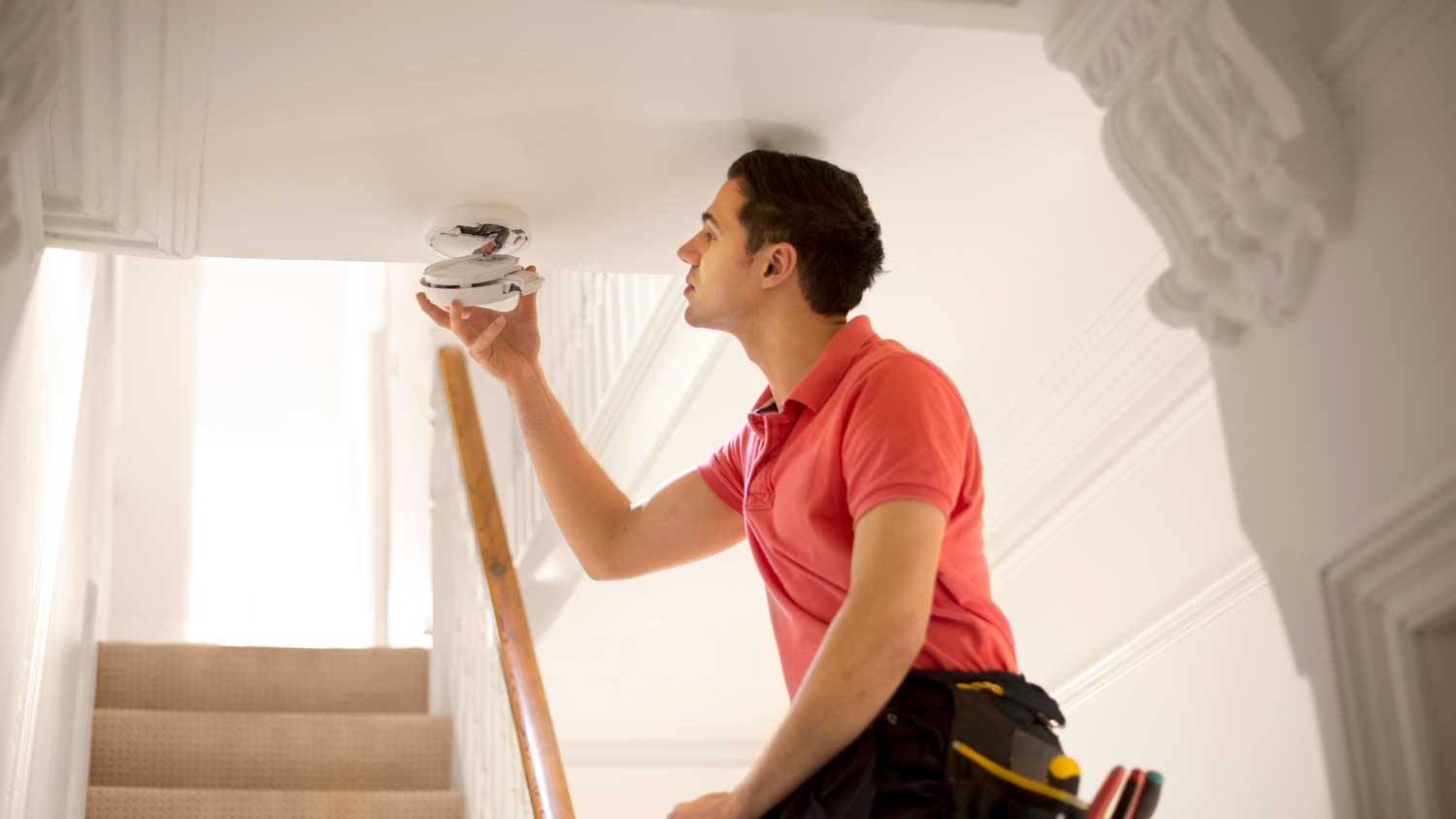
Want to protect your family and home against common household dangers? Compare carbon monoxide detectors and smoke detectors by weighing their pros and cons.

Not sure where to put smoke detectors in your home? Check out this guide to get the do’s and don’ts of smoke alarm installation.
How long do smoke detectors last? Keep reading to find out when you should replace your smoke detectors and how to maintain them.
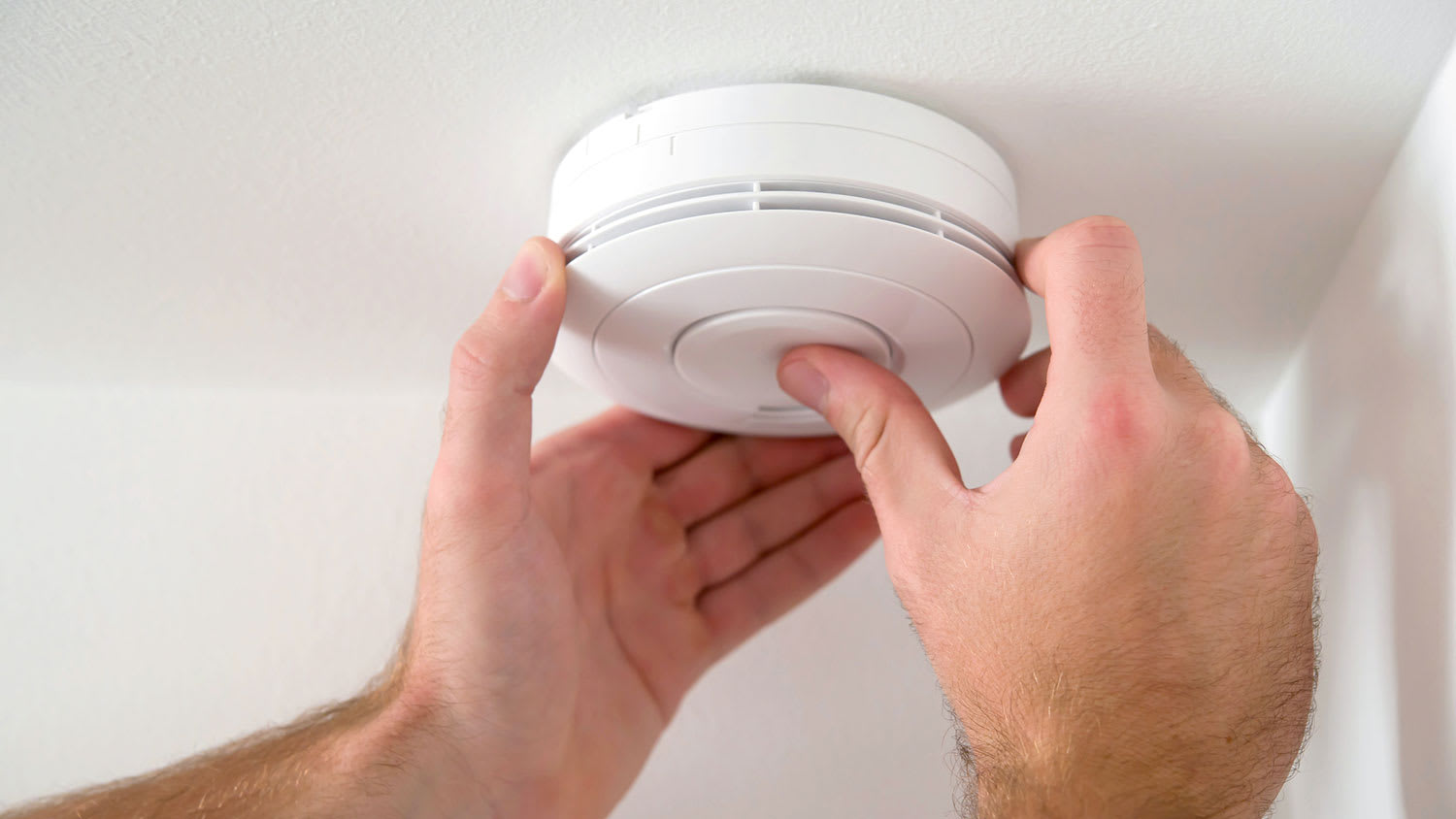
Learn how to hire a qualified electrician for smoke detector installation. Find the right pro, ask the right questions, and ensure your home's safety.