


Sustainable, durable, and affordable—these are a few of the benefits of bamboo floors. Here’s a breakdown of bamboo flooring costs to consider.
Landscaping costs depend on your project and location. Check with a local pro for your specific job.


Professional bamboo removal costs $100 to $200 per plant, with hourly rates between $25 and $80 depending on your project complexity.
Your soil hardness and bamboo spreading root stems under concrete or fences decide removal difficulty and labor time.
You should budget for disposal and stump grinding to remove underground root stems, adding $150 to $500.
Hiring a local landscaping professional helps remove bamboo thoroughly and protects your yard from regrowth and heavy digging.
In 2026, the national average cost for bamboo removal is $875, with most homeowners spending between $450 and $1,300. Many landscapers charge per plant, with rates between $100 and $200 each, and "baby" bamboo plants can cost as little as $50 each. Your final bill is driven primarily by the number of plants, bamboo density, digging conditions, and where the bamboo sits on your property.
Most landscapers charge between $50 and $200 per bush, though some contractors prefer to charge $25 to $80 per hour, factoring in driving time, travel expenses, materials, and contractor insurance. The average residential bamboo removal project can take anywhere from a few hours to four days, depending on the number of plants removed from your yard. Hauling and dumping fees typically add $25 and $100 to your total, though some contractors bundle these into their hourly rate.

Bamboo removal costs range from $450 to $1,300, with the final price determined by factors such as location, bamboo type, size, removal method, accessibility, and estimated completion time. An initial site visit by a local landscaper or tree removal pro in your area is the best way to get an accurate estimate for your specific project. The more invasive and overgrown the bamboo, the more time and labor your removal will require.
Soil hardness is one of the most direct drivers of bamboo removal costs, since silty soil is easy to dig, whereas clay soil increases labor time and difficulty. Costs will depend on these digging conditions:
Roots under structures: Prices will rise if your bamboo roots have grown under concrete, fencing, wood, or other materials that require excavation.
Soil drainage: If your soil has good drainage, digging out bamboo roots will be easier.
Tool type: Your cost will depend on whether you use hand tools (more time, more expensive) or heavy machinery (less time, less money).
To effectively remove bamboo, you must dig down at least 1 to 3 feet below ground to remove the rhizomes, and more complex soil conditions will make this process more challenging and more expensive.
The size of your property and the scope of bamboo invasion together determine how much time and labor your removal will require. A half-day of bamboo removal costs around $400, while a full day averages $800. The more ground bamboo has covered, the more workdays you should plan for.
Taller bamboo plants take longer to remove, particularly when rapid growth has extended into a neighboring yard. As bamboo grows in height, it also spreads underground, meaning removal must account for both the visible stalks and the rhizomes that accompany that growth. Budget for additional removal days with taller plants, and plan for yearly maintenance removals to prevent regrowth.
Bamboo grows fast and wide, especially without annual pruning, and denser growth directly increases removal costs. Bamboo density depends on the following:
Bamboo planted 3–5 feet apart forms a denser screen than that planted 5–20 feet apart.
Clumping bamboo grows 1–2 feet per year, and running bamboo grows 3–5 feet per year, on average.
With at least 5 hours of direct sunlight, watering, and fertilizing, a bamboo plant's underground rhizomes can spread rapidly without annual root pruning.
If your bamboo has robust growth, dense spacing, and deep rhizomes, expect to pay more for removal.
A pro site visit is the best way to understand the total time and cost involved in your bamboo removal project. Catching bamboo early saves money on labor, but overgrown or rapidly spreading plants will require significantly more time and effort. For a multi-day, labor-intensive removal, you can expect to pay up to $2,400. These challenges include:
Type: Between running and clumping bamboo, running is the hardest to tame and remove because it spreads faster and more widely than clumping bamboo. You can tack on additional time for removing running bamboo.
Grow back: It can take years with diligent pruning, containment, and pesticides to fully remove bamboo plants.
Sturdiness: Bamboo plants are naturally sturdy, making them more difficult to cut down.
Deep roots: If your project requires hand tools to chop the rhizomes rather than excavation, the process will take longer because bamboo roots grow horizontally and downward by 1–3 ft.
Accessibility: If your bamboo plants are in a difficult-to-reach area, you'll pay more for the time and labor involved.
Bamboo removal costs vary by region but generally follow the same pricing patterns as other landscaping services. Here's a look at average bamboo removal costs by location around the country:
| Location | Average Cost in 2026 |
|---|---|
| Arizona | $500 |
| Kansas | $625 |
| Montana | $660 |
| California | $760 |
| Michigan | $800 |
| Pennsylvania | $950 |
| Louisiana | $1,100 |
| Connecticut | $1,300 |
While it's not necessarily difficult to remove bamboo yourself, completely eradicating it from your property will be next to impossible without help from a landscaping expert. We also suggest hiring a junk removal service to carry the bamboo away, ensuring it doesn't sprout new roots and start growing all over again while you wait to dispose of it. Because of the extensive process required to completely get rid of bamboo, you should always leave this job to an expert.
Working with a pro to remove bamboo from your property has a few key benefits, such as:
Ensuring the complete removal of bamboo from the property
Complete the bamboo removal much more quickly
Get access to long-term guarantees to remove any future bamboo growth
Ensure safety when working with heavy machinery and other equipment
Guarantee the bamboo is disposed of responsibly

Digging up the rhizomes is the most effective way to remove bamboo, but there are a couple of alternatives that work on their own or in conjunction with digging to get bamboo out of your yard.
Spraying bamboo with certain herbicides can weaken and kill the plant over time. The most common one to use is glyphosate, which is a key ingredient in Roundup. Make sure to spray the bamboo directly, either on the chute, stump, or leaves, as spraying it into the soil can poison nearby plants.
The acetic acid in vinegar can successfully eradicate bamboo, but it's a long process that requires routine spraying over a few years. Some homeowners prefer this route because vinegar, particularly white distilled vinegar, is a natural herbicide as opposed to one with synthetic chemicals.
One more surprising—but long-term—removal tactic is to cut bamboo down to stumps, dig up the roots, and pour boiling water onto them. The heat should make it easier to remove the plants, also over a period of years.
Talk to your pro to find out if they charge by the hour or the bush, as this can greatly influence costs
Ask your pro if the soil conditions on your property will influence costs
Ask if your pro charges different rates for running and clumping bamboo
Custom Paint Jobs LLC made our home feel like a piece of art. Thank you for your creativity!
 Custom Paint Jobs, LLC
Window Depot did an amazing job on my deck. I wasnt sure what I wanted to do, but their composite decking was affordable and will last a long time. I am excited to have family over, and I am no longer embarrassed by my backyard. Jeff and the ground crew were polite, respectful, and caring for...
 Window Depot USA of Central Ohio
First of all, the gentleman I dealt with (Cam?) was very responsive to my many questions and concerns throughout the project, which is a huge plus to me. From the first time I met him for the estimate all the way til the completion of the job, he and his crew were professional and respectful....
 All Star Paving and Sealing
We had a 20+ year old landscape lighting system that needed replacement. Midwest Lightscapes worked with us to design a much improved lighting system, lighting the exterior of the house and the back yard. Installation of the 45 light system took one and one-half days, and went very smoothly....
 Midwest Lightscapes
Another great success for me on home advisor. This company did an awesome job on my landscaping and stayed within my budget. The best part, the work was complete within 2 days of my initial request. Professional and responsive. I highly recommend!
 Blue Ring Residential Services, LLC
The company no showed on me twice. The 2nd time was no call no show. They were responsive to set up the first appointment to perform the "landscape cleanup". 3 hours after their initial scheduled appointment time they called me to let me know they had some "problem" with the truck and their...
 Ruby Home and Hauling Services
Received ideas for future landscape plans...quote to do the work seemed a bit high but I did not have any other quotes to compare it to, so perhaps that is the going rates. <br />
 Landscapes By Terra, Inc
All around they have done a really great job. <br /> I have used JL Landscapes for the past 8 years. I own and operate my own commercial/residential real estate company where we own, operate, and maintain our own properties. JL Landscapes has been our exclusive landscaper for both our...
 J.L. Landscapes
Bought a half a cord of firewood from Pitzer with stacking last month. I waited to report so I could see how the wood burned. <br /> <br /> I have three pet peeves regarding landscapers, but Pitzer scored "A"s regarding all three. First, rather than having customers "leave a message" and...
 Pitzer Landscaping
I left a message on Sunday requesting to schedule a time to obtain an estimate/walk-through and received a return call in the morning of the following Monday. Mark worked with me and agreed to schedule the estimate/walk-through for the following Saturday. When Mark arrived for the...
From average costs to expert advice, get all the answers you need to get your job done.
Sustainable, durable, and affordable—these are a few of the benefits of bamboo floors. Here’s a breakdown of bamboo flooring costs to consider.
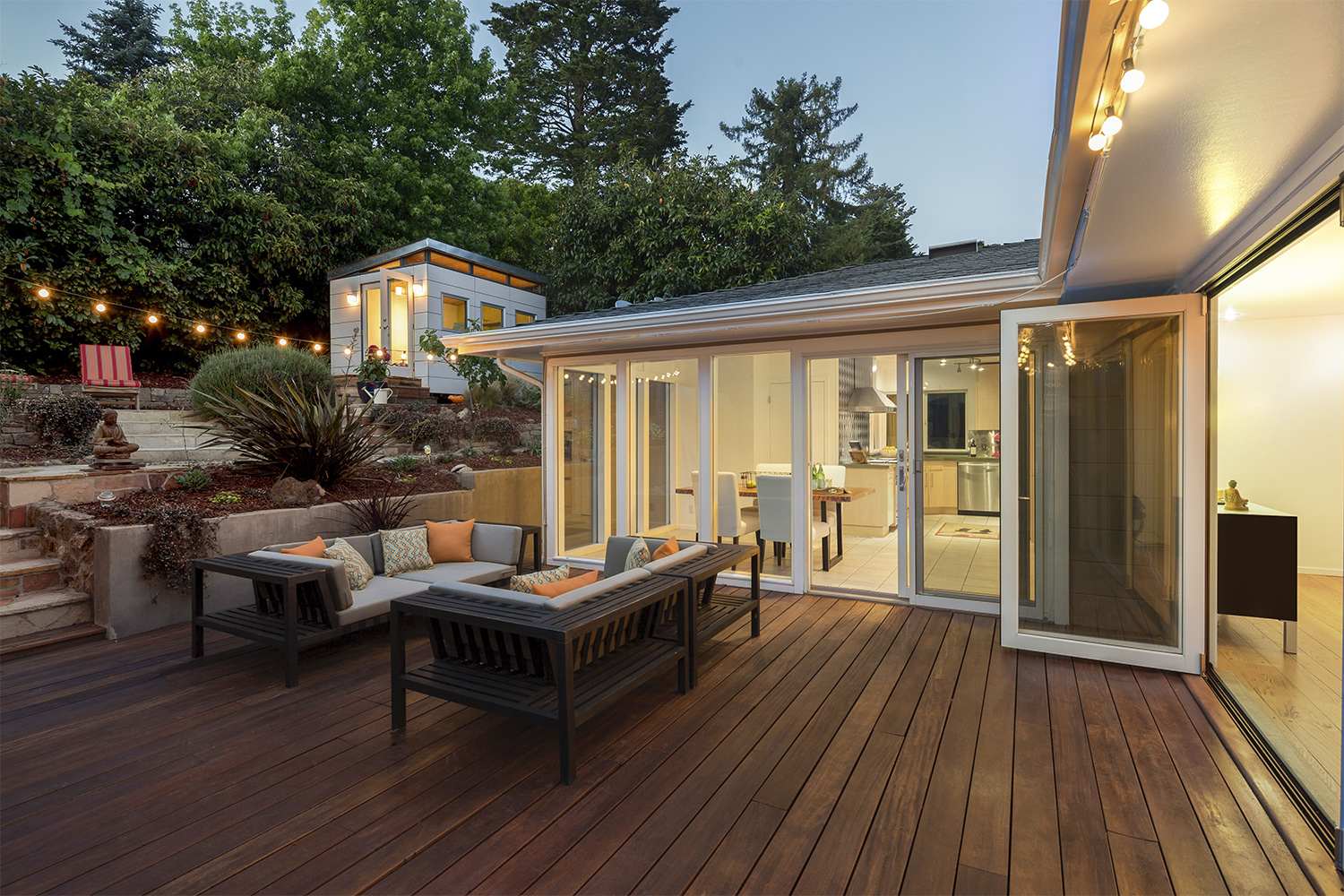
Discover the cost of bamboo decking. Learn about installation prices, key cost factors, and ways to save on your bamboo deck project.
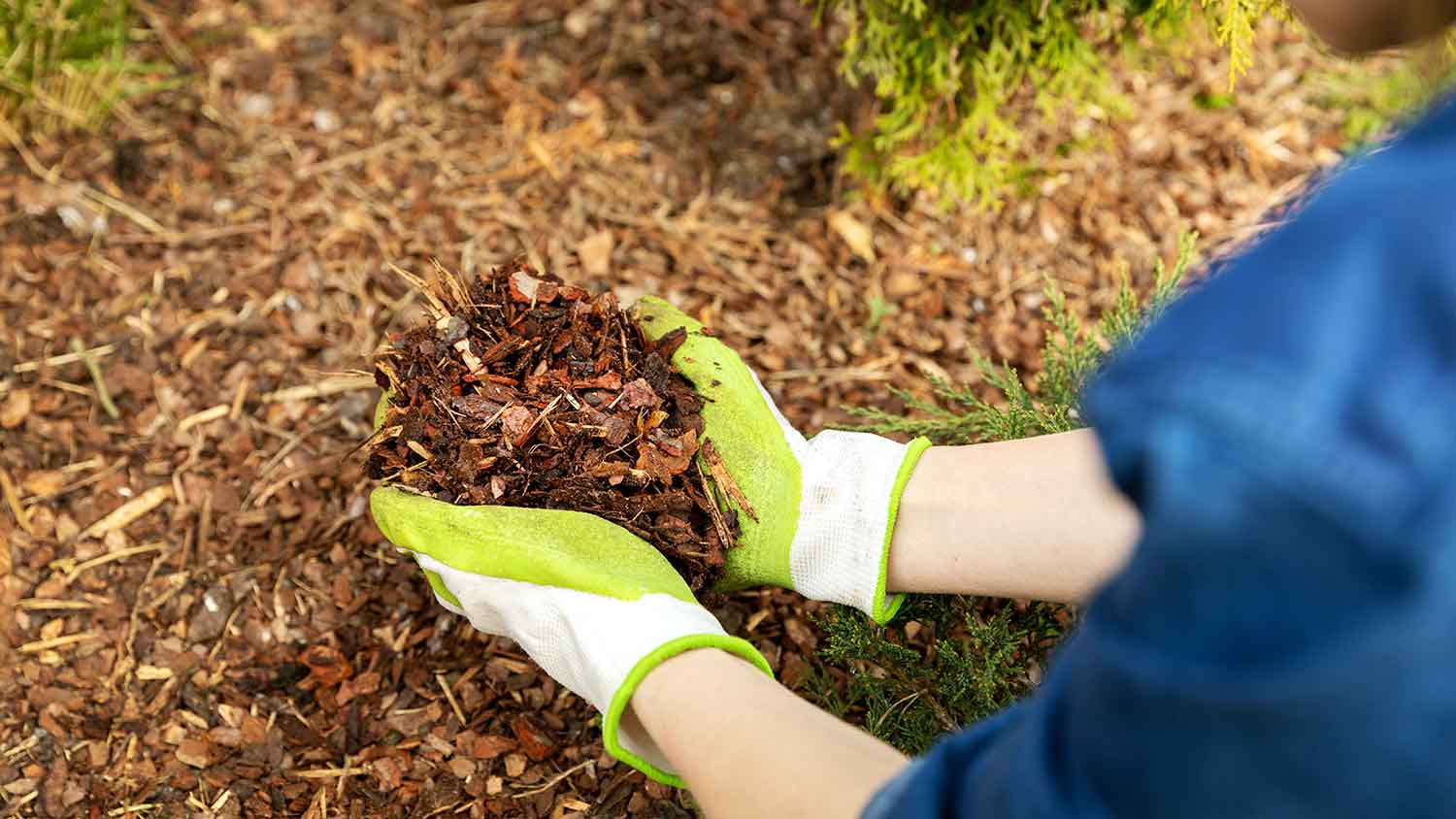
Discover mulch removal cost estimates. Discover what influences pricing, compare DIY vs. professional services, and find expert tips to save on your mulch removal project.
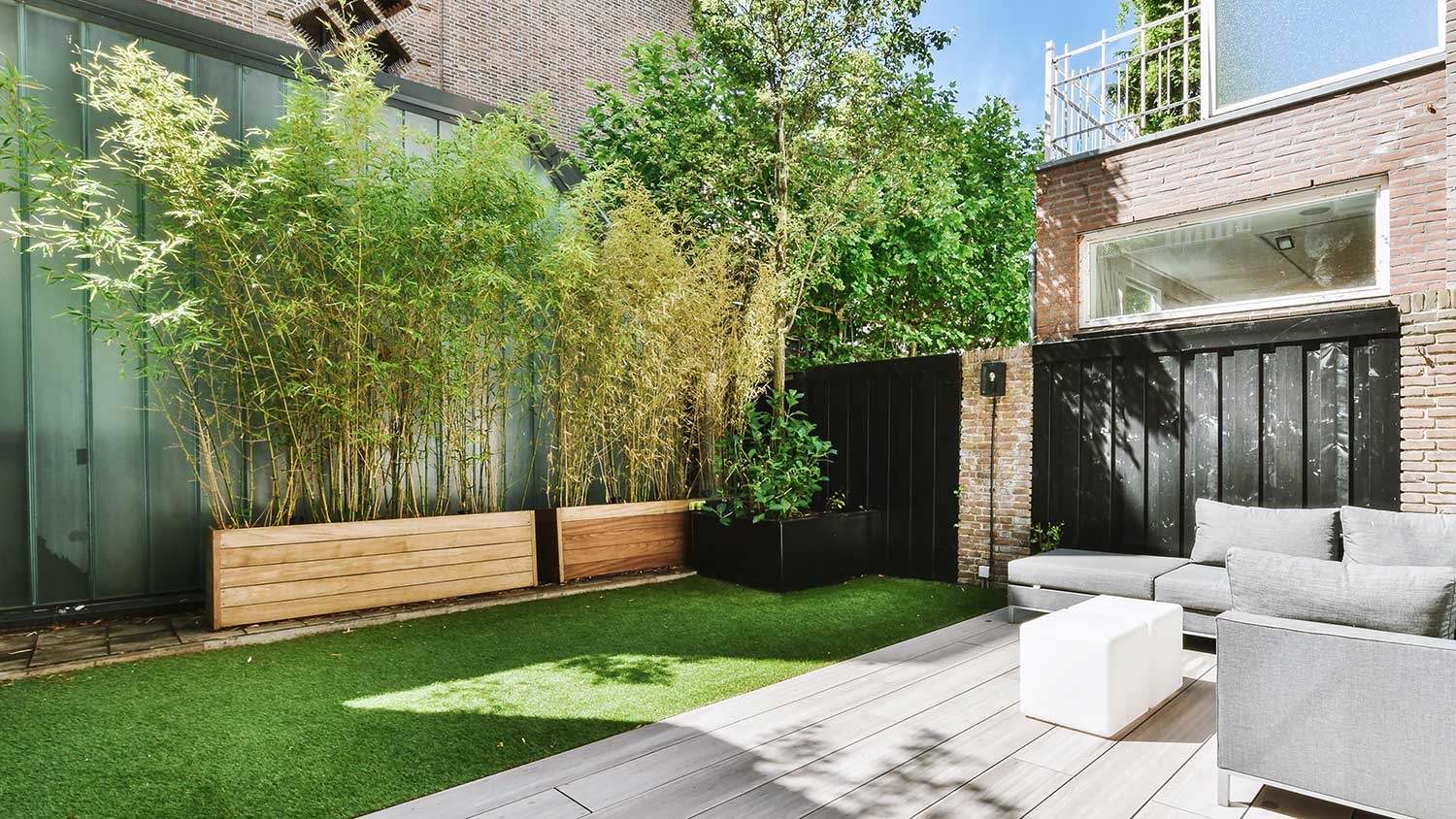
Learn how to plant bamboo for beauty or privacy—or both. Find out how much sun these plants need, if it’s invasive, and how much it costs.
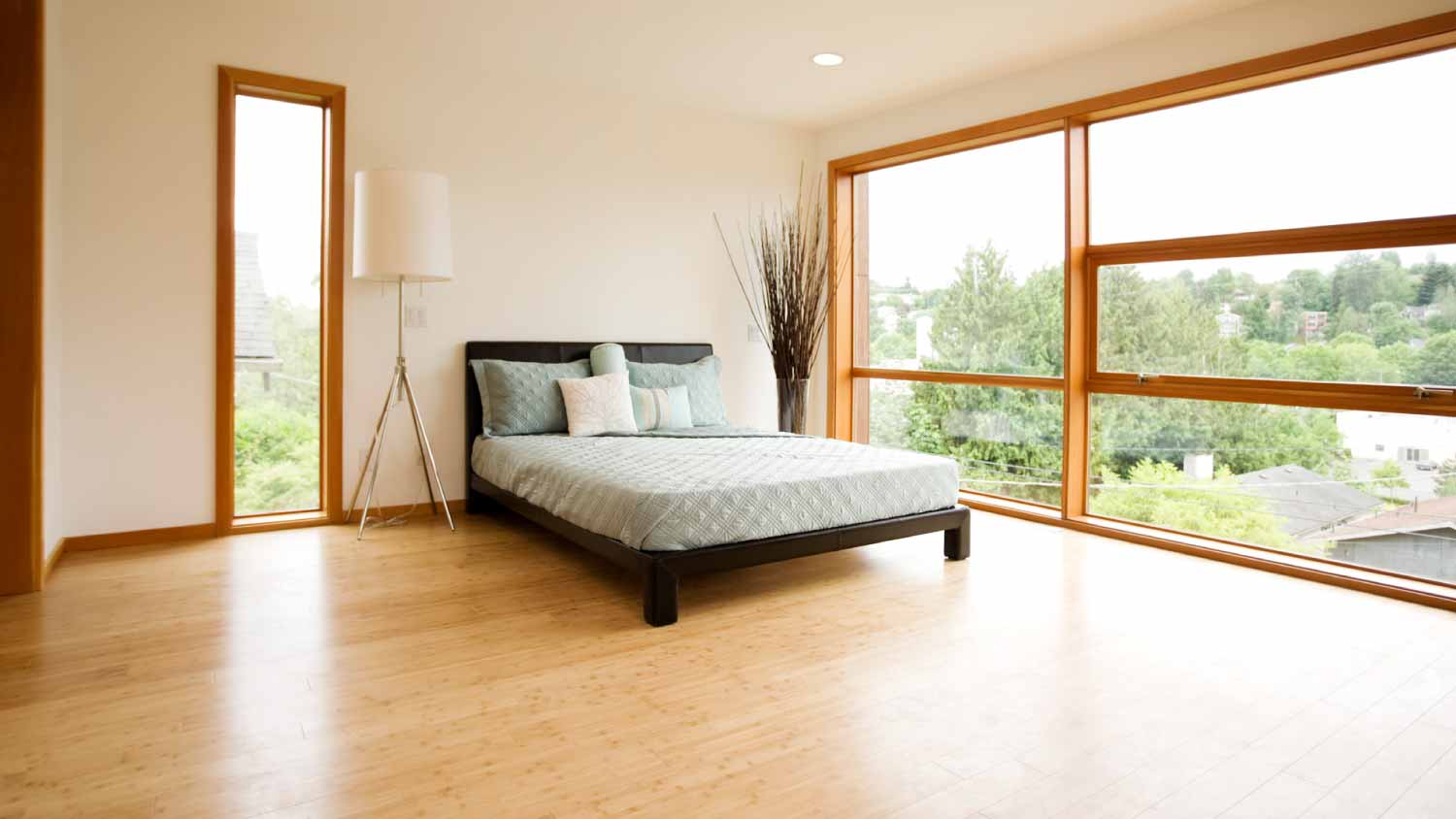
Bamboo is a sustainable and attractive flooring option, but can bamboo flooring be refinished? Here’s what you need to know to refresh damaged floors.

Bamboo is becoming a popular alternative to hardwood floors. Consider these bamboo flooring pros and cons before installing new flooring in your home.