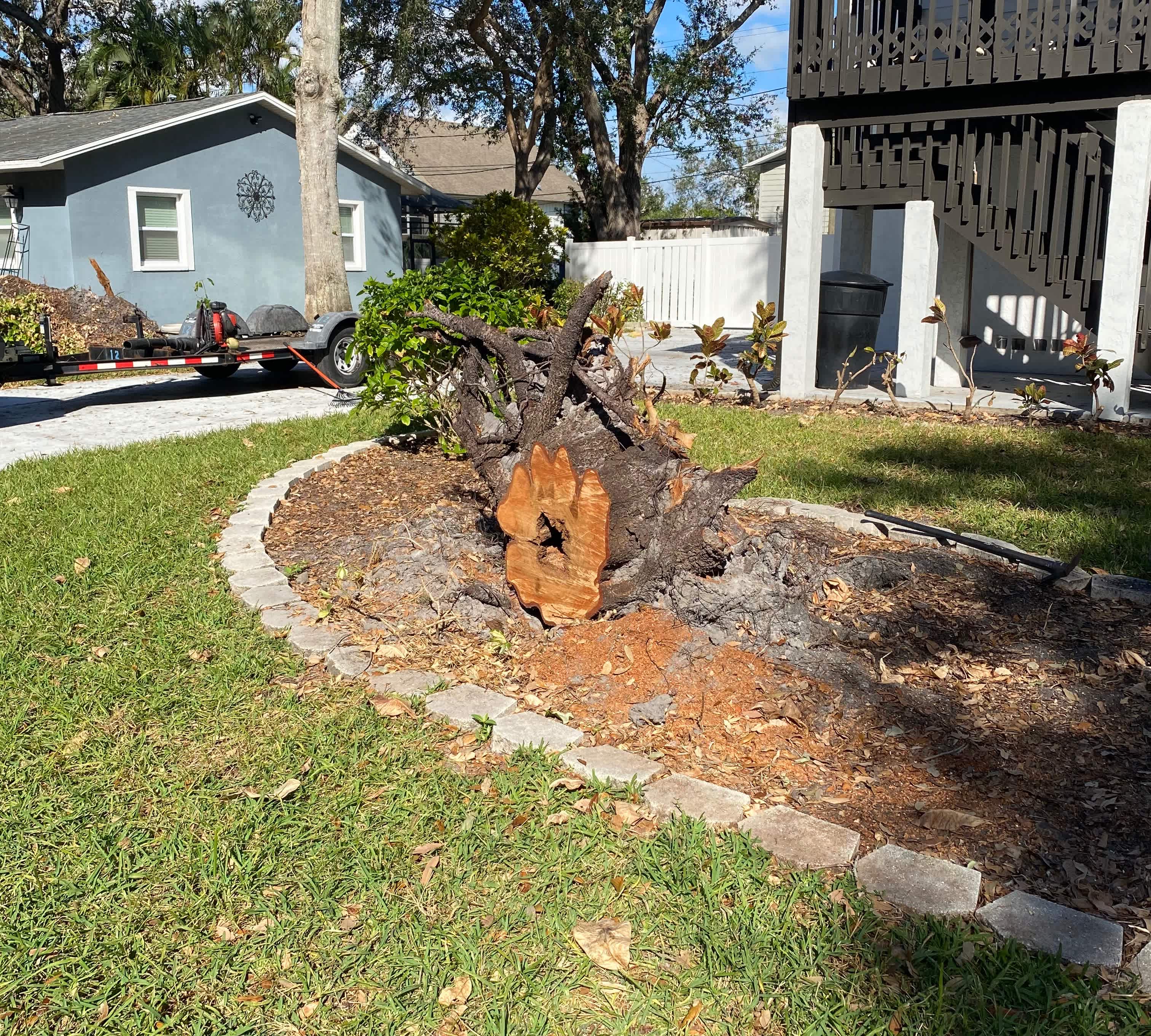


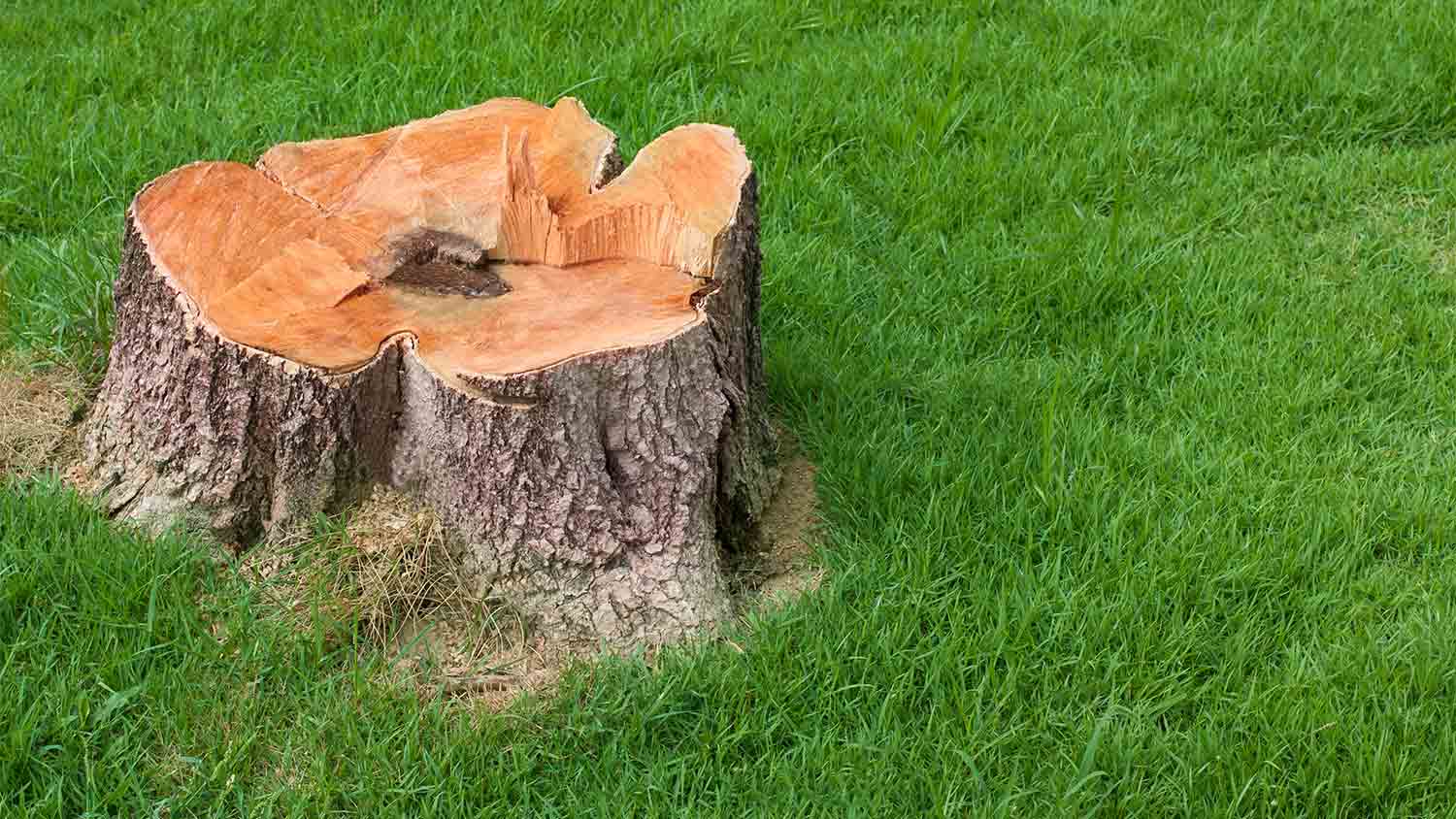
It’s important to remove troublesome stumps: Here’s everything you can expect from stump grinding costs for your next landscaping project.
Tree service costs depend on your project and location. Check with a local pro for your specific job.

Stump removal costs $195 to $609 on average, with prices calculated at $2 to $5 per diameter inch for your project.
The removal method you choose and the tree species on your property will determine your final stump removal total.
You should account for the cost of permits, cleanup services, and debris hauling when you create your stump removal budget.
Hiring a local stump removal professional prevents pest infestations and protects your yard from hazardous root systems and foundation damage.
In 2026, the national average cost of stump removal is $369, based on 16,293 verified projects completed by Angi Pros. Most homeowners pay between $195 and $609, with pricing typically calculated at $2 to $5 per diameter inch. Your final cost will vary based on stump size, removal method, and tree species.
Your total stump removal cost depends on several factors, including the type of tree, the size and condition of the stump, the removal method, prep work, and more. Understanding how each factor affects pricing helps you anticipate where costs can rise and where you might save.
Stump size is measured in diameter, and removal costs range from $2 to $5 per inch of diameter, making the width of your stump the primary cost factor. Larger stumps require more labor and machine time, which pushes costs toward the higher end of that range. Here are the average costs for stump removal based on diameter:
| Stump Size | Average Cost in 2026 |
|---|---|
| Up to 12 inches | $24–$60 |
| 18 inches | $36–$90 |
| 24 inches | $48–$120 |
| 30 inches | $60–$150 |
| 36 inches | $72–$180 |
| 42 inches | $84–$210 |
| 48 inches | $96–$240 |
| 54 inches | $108–$270 |
| 60 inches | $120– $300 |
| 72 inches | $144–$360 |

The condition of your tree stump determines which removal method is practical, with options including manual removal, stump grinding, chemical rotting, and stump burning. Each method varies in cost, labor intensity, and the degree to which it eliminates the stump and its roots. The table below outlines the average cost of various stump removal methods:
| Stump Removal Method | Average Cost in 2026 |
|---|---|
| Manual Removal | $200–$700 |
| Stump Grinding | $150–$500 |
| Chemical Rotting | $60–$200 |
| Stump Burning | $100–$200 |
You can expect to pay between $200 and $700 for manual stump removal. Manual stump removal is the most labor-intensive and time-consuming method, requiring full removal of the stump and roots. Stump removal pros need to dig and physically pull the stump out of the ground—which requires heavy machinery and special tools. Although manual removal is the most expensive method, it’s also the cleanest, leaving you with a smooth patch of soil or grass.
Stump grinding costs between $150 and $500. Stump grinding takes a few hours for the grinder’s cylindrical blade to chop up the stump into small chips. Although stump grinding goes four to six inches below ground, this method leaves the roots intact, making it more unsightly than manual stump removal. When finished, you can fill the hole with stump chips or soil.
You can expect to pay between $60 and $200 for chemical rotting. Chemical rotting speeds up the stump’s natural rotting process. You’ll start by cutting the stump low, drilling holes, and adding chemicals like potassium nitrate, nitric acid, and sulphuric acid. The stump then rots away over several weeks or months.
Stump burning costs $100 to $200 and uses a similar method to chemical rotting. This process involves drilling holes in the stump, adding nitrogen, and igniting the nitrogen. A stump takes a few hours to burn thoroughly, but a pro should keep a close watch to ensure that loose embers don’t start a fire.
Removing multiple stumps at once lowers the per-stump price, with most pros charging a flat-rate minimum of $100 to $150 per stump for a single callout. If you have more than one stump to remove, that rate often drops to $40 to $75 per stump. Bundling multiple stumps into one job is one of the most straightforward ways to reduce your overall removal cost.
The type of tree on your property can affect stump removal costs, although most species fall within the average price range. Dense hardwoods, such as oak, hickory, and walnut, may take longer to grind or remove, resulting in higher labor costs. If you know the tree species, share that information with your pro to help them provide an accurate estimate.
Older, decaying stumps are actually easier and faster to remove than newer ones because the wood is softer and breaks down more quickly. Newer stumps take longer to break down, which increases your overall stump removal cost. More complex situations—such as a stump with extensively damaged or widely distributed roots—require additional time and labor, thereby pushing total costs higher.

Prep work required before a safe stump removal will increase your total cost, so it’s worth knowing what conditions trigger additional charges. Situations that commonly lead to extra prep fees include:
The tree's roots are deep or difficult to access.
The tree's roots have damaged nearby water lines, garden beds, or your home's foundation.
There's rocky, dense soil surrounding the stump, making it hard to remove.
Your geographic location affects your total stump removal cost, with metropolitan areas typically charging more than rural areas due to higher insurance and permit costs. Many cities also prohibit chemical rotting and stump burning because of pollution and health concerns, which limits your options to the more expensive methods of manual removal or stump grinding. If you live in an urban area, plan your budget around those higher-cost methods from the start.
A stump that’s difficult to reach—such as one located next to a barn or wedged between two large structures—will increase your removal cost. Steep hills and rugged terrain also make it harder for pros to get their equipment to the site, adding time and labor to the job. Walk your property with your pro before work begins so they can assess access challenges and price the job accurately.
Hard or compacted soil requires specialized equipment and more labor, which drives up the price. Soft, loose soil speeds up the process and keeps costs closer to the lower end of the range.
Cleanup and debris hauling adds $1 to $4 per diameter inch to your total stump removal cost. This covers the removal of stump debris, sawdust, and loose roots left behind after the job. If you want to reduce costs, handling the cleanup yourself is one of the easiest ways to save.
Permits for stump removal cost between $100 to $500, depending on your township's rules and regulations. Most municipalities require a permit because power or utility lines may run beneath the stump, and some areas also require supervision and permitting specifically for stump burning. Check with your local municipality before scheduling work to factor permit fees into your budget.

When you hire a stump removal pro, bundling additional yard services into the same visit can save you time and money. Many pros offer related services that are worth considering while they’re already on-site. The table below breaks down the average costs of services related to stump removal:
| Add-On | Average Cost in 2026 |
|---|---|
| Tree removal | $200–$2,000 |
| Tree trimming | $75–$1,800 |
| Tree pruning | $460 on average |
| Tree transplanting | $300–$10,000 |
| Tree healthcare | $860 on average |
| Root removal | $100–$200 per hour |
| Landscaping | $1,270–$6,005 |
| Shrub removal | $900 on average |
Hiring a professional stump removal company near you accounts for 30% to 60% of your total stump removal cost, but that investment brings expertise, proper equipment, and a safer outcome. Pros can handle everything from permit acquisition to debris cleanup, which reduces the risk of costly mistakes. For stumps near utility lines, on difficult terrain, or with complex root systems, professional removal is strongly recommended over DIY.
Below are some of the biggest reasons why you should consider hiring a stump removal company:
Pros offer multiple methods of removing tree stumps from your yard, giving you the best variety of options based on your budget and the type of tree.
If you have several tree stumps that need removing, DIYing can get extremely time-consuming and exhausting.
Professionals have effective machinery that speeds up the removal process and lets you enjoy your stump-free yard sooner.
Attempting to use heavy-duty equipment when you've never used it before can be dangerous.
Older tree stumps may contain mold and pests, but a professional can spot signs of an infestation before they start working, allowing them to take preventative steps to control the infestation and keep it from spreading to other wooded areas on your property.
Depending on where you live, some terrains are more difficult to dig into manually than others, making it nearly impossible to use DIY-friendly manual equipment like shovels.
If there are underground power lines in your area, then you may need to acquire a permit before attempting to remove a tree stump. Your pro will know the ins and outs of your city's rules and ensure you have the necessary permits.
Small tree stumps can be removed by the simple push of a shovel, but if you have mature tree stumps that need removing, then you'll want to leave the removal process to the pros and consider other ways you can help, like:
Cleaning up the debris yourself
Pruning and trimming surrounding trees
Conducting a soil test to help your pro know what to expect before arriving
Removing obstacles that could make it harder to access the stump
Stump removal costs can add up if you have several stumps, deep roots, and uneven terrain. Yet, there are ways to reduce costs while removing a tree stump, including:
Get at least 3 quotes from local stump removal companies.
Book during the winter off-season for better rates.
Negotiate to remove multiple stumps or your neighbor’s stumps at the same time.
Take care of the prep and cleanup yourself.
Reuse the stump debris as firewood or mulch chips.
Be prepared to discuss with your pro the types of tree stumps you have on your property. Some tree species are more difficult to remove because of their deeper, widespread roots and hardwood, like oak, elm, and maple trees.
Let your pro know how long your tree stump has been sitting on your property. Older wood has more time to decay and rot, leading to softer wood and a chance of encountering pests.
Make note of the type of soil you have on your property, being sure to mention any adverse terrain like hills, water features, and obstacles that could lengthen the time it takes to remove the tree stump.
Discuss the removal methods offered by your stump removal company to determine which options work best for you with your budget.
If there’s pocket money left over, consider additional landscaping services, like root removal, tree trimming, tree removal, and shrub removal services.
Home is the most important place on earth, which is why Angi has helped more than 150 million homeowners transform their houses into homes they adore. To help homeowners with their next project, Angi provides readers with the most accurate cost data and upholds strict editorial standards. We’ve surveyed over 10,000 real Angi customers about their project costs to develop the pricing data you see, so you can make the best decisions for you and your home. We pair this data with research from reputable sources, including the U.S. Bureau of Labor Statistics, academic journals, market studies, and interviews with industry experts—all to ensure our prices reflect real-world projects.
Want to help us improve our cost data? Send us a recent project quote to [email protected]. Quotes and personal information will not be shared publicly.
This service was great. My air conditioner went out during the heat spell that we had. My husband has health issues and they came out that night and at 9:30pm the air conditioner was fixed and running. We are sooo very thankful, this is the company I will be using from now on and would...
 Mr. Mechanical Ohio
One of my old tall evergreen trees was suddenly leaning toward the busy street in front of my house. I submitted a request for an emergency tree inspection, and Alejandro, owner of Cajete Tree Service, contacted me immediately and arrived to look at it just 20 minutes later. We agreed the...
 Cajete Tree Service LLC
1 tree was cut down and 5 others including a large willow tree were trimmed. The Grant Tree Service men were professional and cleaned up afterwards. The cost of the 6 trees were affordable. I am very happy with the results. I would hire them again.
 Grants Tree Service
D1 Roofing delivers outstanding service from beginning to end, backed by a strong warranty and expert teams. I highly recommend them for their excellence in meeting and surpassing expectations with unmatched communication. Choosing D1 Roofing was flawless decision
 Division 1 Roofing LLC
Promptly arrived for quoting! Demonstrated superb customer service, affordable pricing, and completed service swiftly! Looking forward to the spring for our service!
 All Star Paving and Sealing
Seth was very professional, prompt in responding to queries about the work required , gave sincere advice as to what would be best for tree trimming and did the job timely.
Ace Fireplace Services' chimney sweep service is truly exceptional. They used advanced technology to ensure a thorough cleaning process, and my chimney has never looked better. I highly recommend their services.
 Ace Fireplace Services
I definitely recommend Ramonaâ s cleaning service! I have booked services with her many times and she arrives on time, ready to work and provides a great service.
 Your Cleaning Solutions LLC
Webb â s was priced well, flexible on scheduling, great with communication, and detailed in their work. Iâ ll definitely use their services again.
 Webbs Pressure and Paint LLC
Great tree company, very professional and honest. Glad we found them, they had the best pricing
From average costs to expert advice, get all the answers you need to get your job done.
It’s important to remove troublesome stumps: Here’s everything you can expect from stump grinding costs for your next landscaping project.
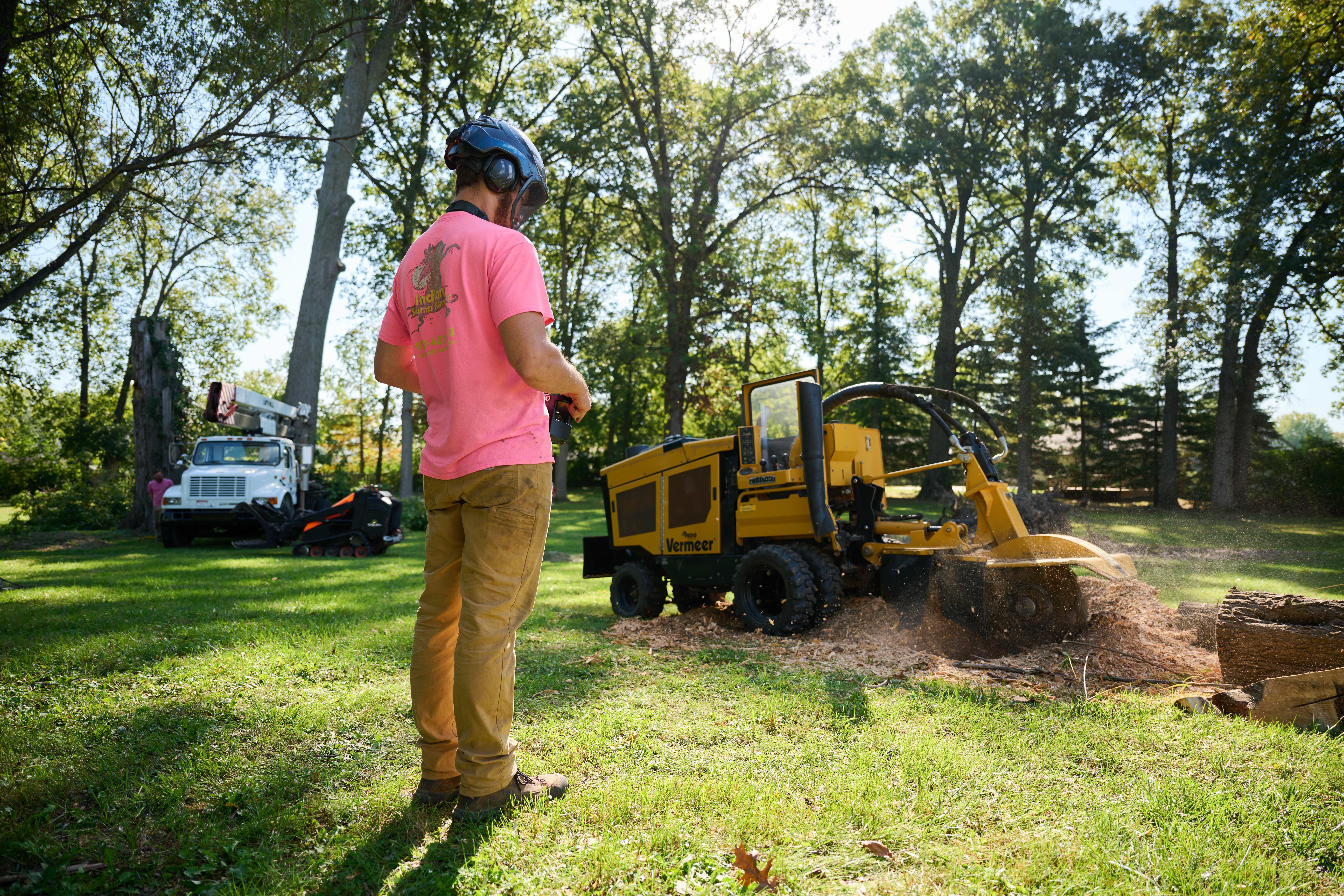
Renting a stump grinder is one way to remove stumps in your yard. Find out the average stump grinder rental cost, additional expenses, and more.

Discover what the current average tree removal cost is based on different factors to know how much it will cost to take care of a dead or troublesome tree on your property.
Find out the best option for removing tree stumps with our handy guide. Choose from DIY or pro removal, manual, chemical, or mechanical removal.
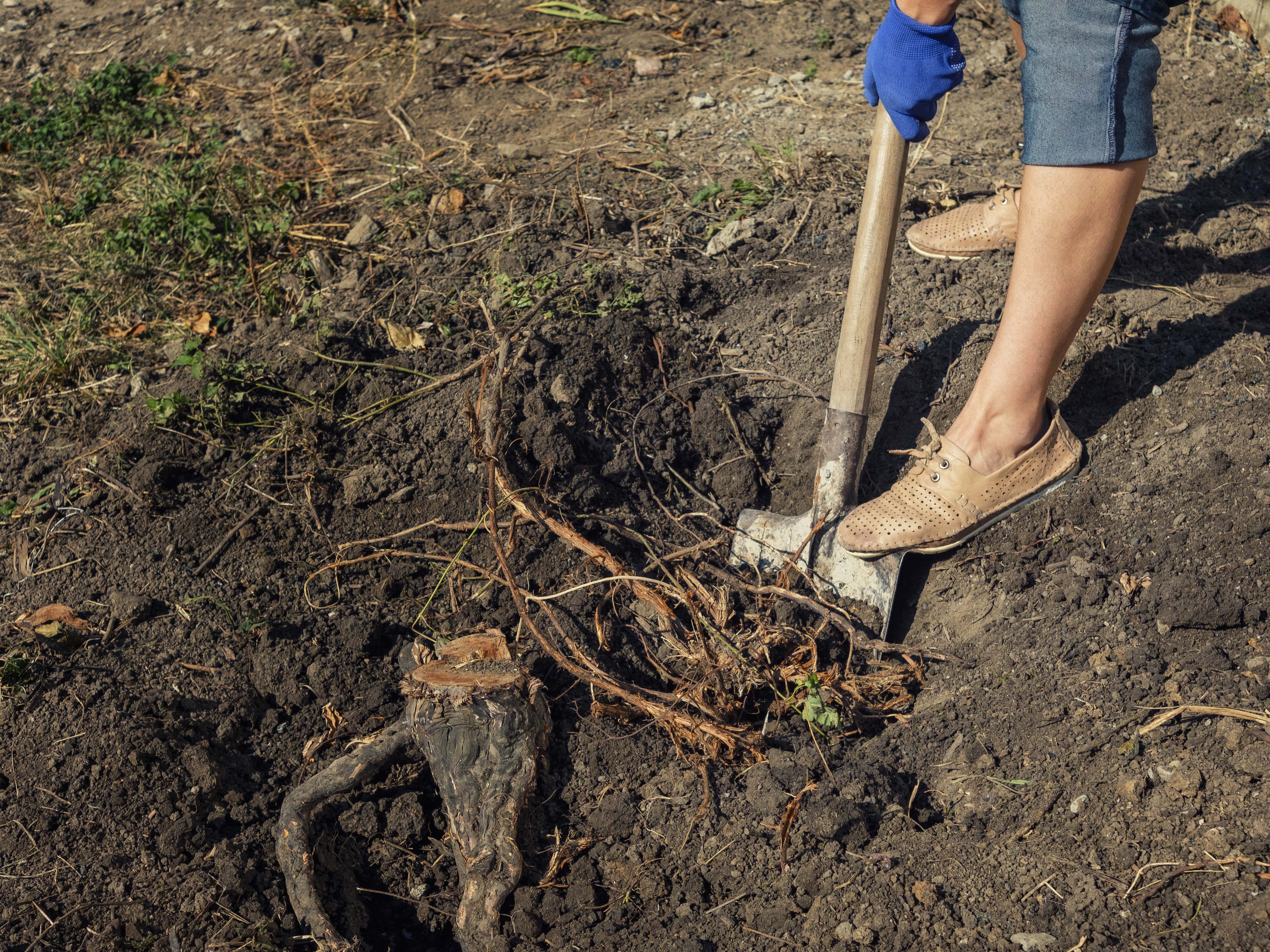
A tree stump can be an inconvenience and an eyesore. No matter the location and type of tree, learn how to remove a stump with these five methods.
Learn how to stop a tree stump from sprouting new limbs by using a few different methods. Choose from stump grinding, Epsom salt, and more.