
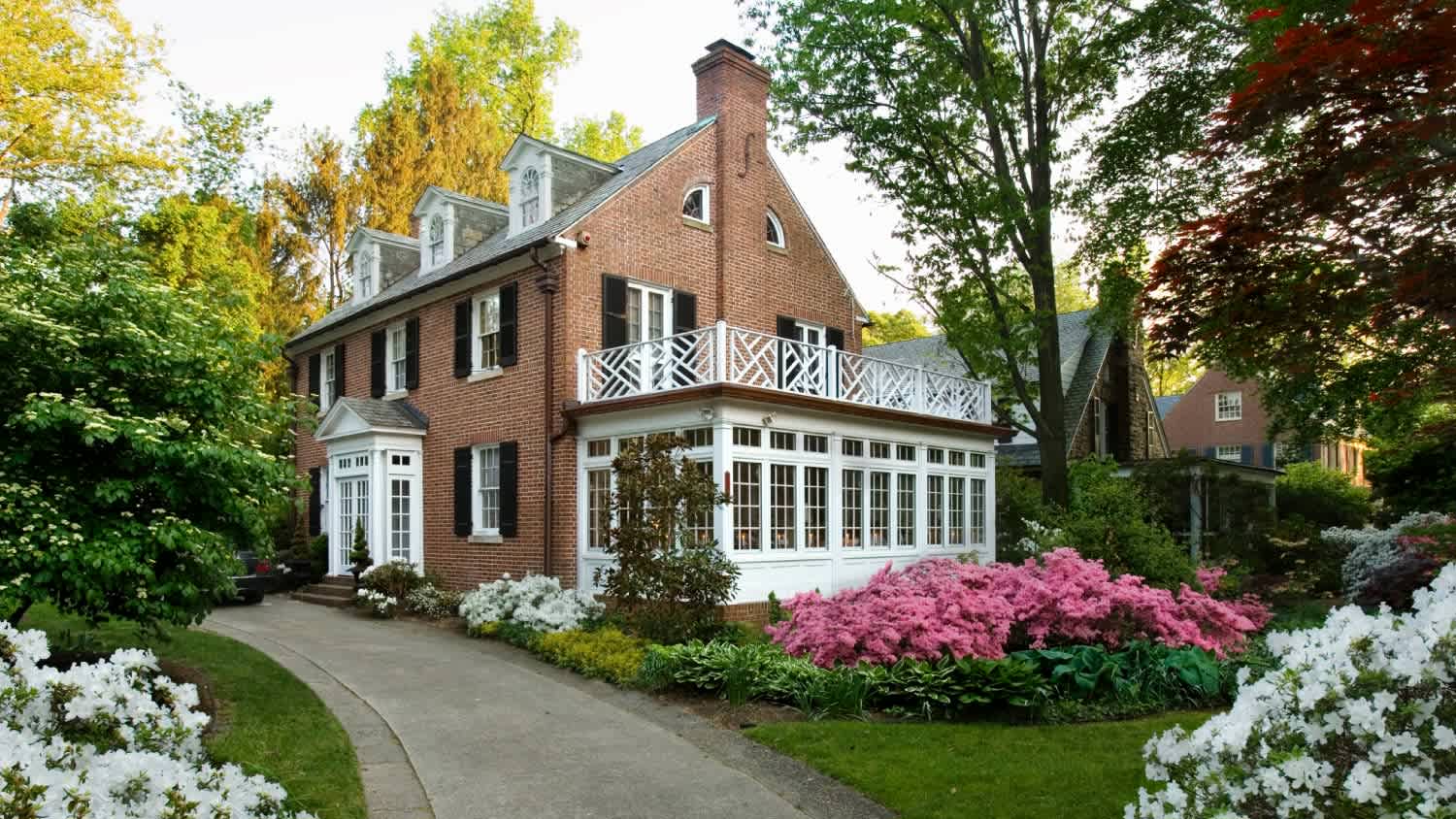
Looking for home gardening inspiration? Check out advice from nine gardening influencers on how to grow a healthy garden and have fun along the way.
Implementing a buddy system in your garden will help plants thrive with little maintenance

Guild planting groups companion plants together so they naturally support one another, helping your garden thrive with less watering, fewer pests, and healthier soil.
You can pair plants based on their water and nutrient needs, like planting nitrogen-fixing clover near nitrogen-hungry kale to balance soil health without extra fertilizer.
Your guild planting design should start with an anchor plant, then surround it with beneficial companions that share water, deter pests, and attract pollinators to maximize space.
Hiring a local gardening professional helps you select the right plant pairings for your climate and soil, ensuring your guild thrives with minimal maintenance.
Imagine walking out to your garden to find it bursting with color and bees and butterflies flitting from plant to plant. It sounds like a lot of back-breaking work to achieve such an idyllic garden, but truthfully, a vibrant garden is less work than you’d think. You can craft a garden that requires little maintenance to thrive by implementing plant guilds. Grab your garden gloves and shovel, and let’s dig into the benefits of plant guilds.
Plant guilds are groupings of plants that benefit one another. It’s basically a strategic pattern that puts plants with symbiotic relationships close together in the garden, so the plants can help support one another with minimal intervention from you. That means you can spend more time admiring your garden and less time digging up weeds or setting out pest repellents. The plants will naturally work together to suppress weeds, deter harmful animals and insects, and offer other impressive benefits.
If you plant a flower next to a competing plant, you’ll notice these living beings fighting for water, soil nutrients, and light. On the other hand, plant guilds involve putting companion plants near one another. They naturally balance the soil nutrients for one another, attract pollinators, share water, and provide more benefits to help each other grow.
When you design plant guilds, you’ll want to take water needs into account. You may put plants with low water requirements near plants with high water requirements. The plants can take the amount of water they need, sharing the amount and ultimately conserving more water than if you planted all your plants with high water needs together.
Different plants may need different soil nutrients, and some plants even bring more nutrients to the soil. For example, clover can absorb nitrogen in the air and bring it to the soil. Then, plants like rhubarb or kale require higher amounts of nitrogen, so this plant-pairing could be beneficial.
There are also plants known to be accumulators, and these plants can draw nutrients up from deep within the soil to benefit other plants. Chives, garlic, and strawberries are all examples of accumulators.
Rather than spraying pesticides all over your prized vegetables, guild planting can naturally protect your plants from pests. You could plant rosemary near your carrots to repel carrot flies, a pest known to attack carrots. Rosemary deters carrot flies. Marigolds bring visual interest to a garden, but they can also deter bean beetles.
Pollinators are essential for a healthy garden. These creatures, which may include bees, butterflies, bats, and birds, transfer pollen from plant to plant, aiding in plant reproduction. Pollinators are responsible for helping about 80% of plants globally to reproduce, so you want to invite them into your garden.
As it turns out, the fragrant herbs surrounding your fruit and veggie plants often repel pests but attract pollinators. Dill and oregano are great examples of plants that attract pollinators and repel harmful insects. Pollinators also love flowering plants like marigolds, yarrow, and lavender.
Another component to plant guilds is considering spatial relationships. So when you plant a fruit tree, instead of leaving the area around the base of the tree bare, you could add in beneficial plants for more visual impact and improve yield for the tree and the base plants.
With plant guilds, you can start with an anchor plant—like a fruit tree or other focal point—then plan to surround it with beneficial plant species based on water, soil, and light needs. This strategy makes the most of your garden space, so you can grow as many plants in an area as possible without having them competing for nutrients or water.
The pairings you choose will depend on your location, local climate, and soil type, but some of the following combinations are popular with gardeners.
Native Americans have for centuries used what’s become one of the most common examples of guild planting. This grouping includes corn, beans, and squash. Squash grows around the corn stalks and helps suppress weeds. Beans give the soil a nitrogen boost. All three plants benefit from less water needs and improved soil health in a small amount of space.
This is no official title, but sometimes, companion planting is all about experimentation and creativity. Have fun with it! Perhaps you want to start making your own marinara for pasta and pizza. You could use tomatoes as your anchor crop. Good companion plants for tomatoes include onions, basil, oregano, and parsley, all of which would conveniently make for some excellent marinara, too.
Potatoes are another common crop for home gardens. To help your potatoes thrive, you could plant beans, corn, cabbages, or marigolds close by. When you’re considering what plants go well together, you should also note what plants won’t work near each other. For example, planting tomatoes near potatoes won’t work, as these two nightshades need the same soil nutrients.
Custom Paint Jobs LLC made our home feel like a piece of art. Thank you for your creativity!
 Custom Paint Jobs, LLC
Window Depot did an amazing job on my deck. I wasnt sure what I wanted to do, but their composite decking was affordable and will last a long time. I am excited to have family over, and I am no longer embarrassed by my backyard. Jeff and the ground crew were polite, respectful, and caring for...
 Window Depot USA of Central Ohio
First of all, the gentleman I dealt with (Cam?) was very responsive to my many questions and concerns throughout the project, which is a huge plus to me. From the first time I met him for the estimate all the way til the completion of the job, he and his crew were professional and respectful....
 All Star Paving and Sealing
We had a 20+ year old landscape lighting system that needed replacement. Midwest Lightscapes worked with us to design a much improved lighting system, lighting the exterior of the house and the back yard. Installation of the 45 light system took one and one-half days, and went very smoothly....
 Midwest Lightscapes
Another great success for me on home advisor. This company did an awesome job on my landscaping and stayed within my budget. The best part, the work was complete within 2 days of my initial request. Professional and responsive. I highly recommend!
 Blue Ring Residential Services, LLC
The company no showed on me twice. The 2nd time was no call no show. They were responsive to set up the first appointment to perform the "landscape cleanup". 3 hours after their initial scheduled appointment time they called me to let me know they had some "problem" with the truck and their...
 Ruby Home and Hauling Services
Received ideas for future landscape plans...quote to do the work seemed a bit high but I did not have any other quotes to compare it to, so perhaps that is the going rates. <br />
 Landscapes By Terra, Inc
All around they have done a really great job. <br /> I have used JL Landscapes for the past 8 years. I own and operate my own commercial/residential real estate company where we own, operate, and maintain our own properties. JL Landscapes has been our exclusive landscaper for both our...
 J.L. Landscapes
Bought a half a cord of firewood from Pitzer with stacking last month. I waited to report so I could see how the wood burned. <br /> <br /> I have three pet peeves regarding landscapers, but Pitzer scored "A"s regarding all three. First, rather than having customers "leave a message" and...
 Pitzer Landscaping
I left a message on Sunday requesting to schedule a time to obtain an estimate/walk-through and received a return call in the morning of the following Monday. Mark worked with me and agreed to schedule the estimate/walk-through for the following Saturday. When Mark arrived for the...
From average costs to expert advice, get all the answers you need to get your job done.
Looking for home gardening inspiration? Check out advice from nine gardening influencers on how to grow a healthy garden and have fun along the way.
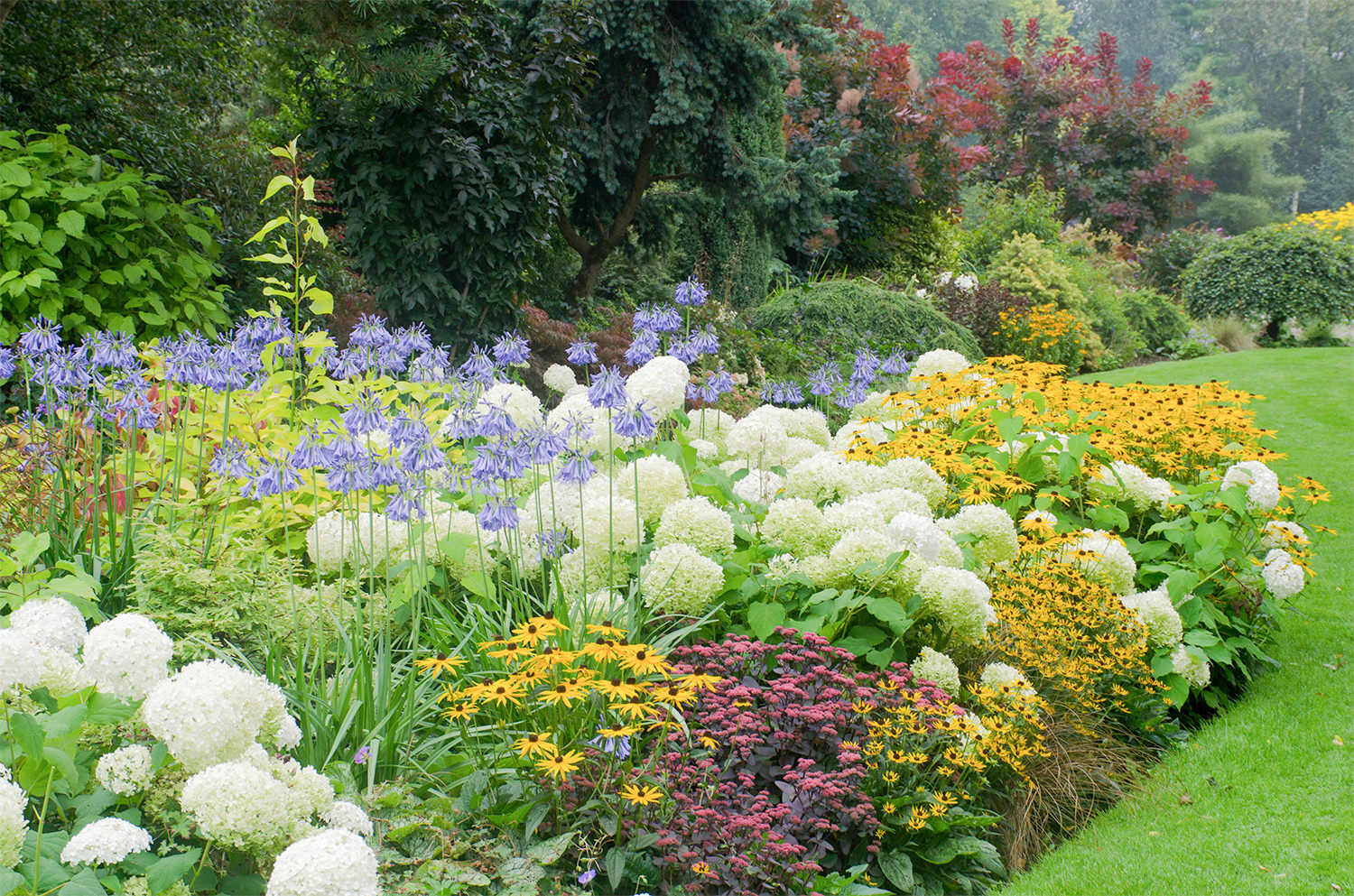
Learning how to plan a perennial garden can transform your yard into a dream escape that comes back year after year. These 15 tips can help you get started.
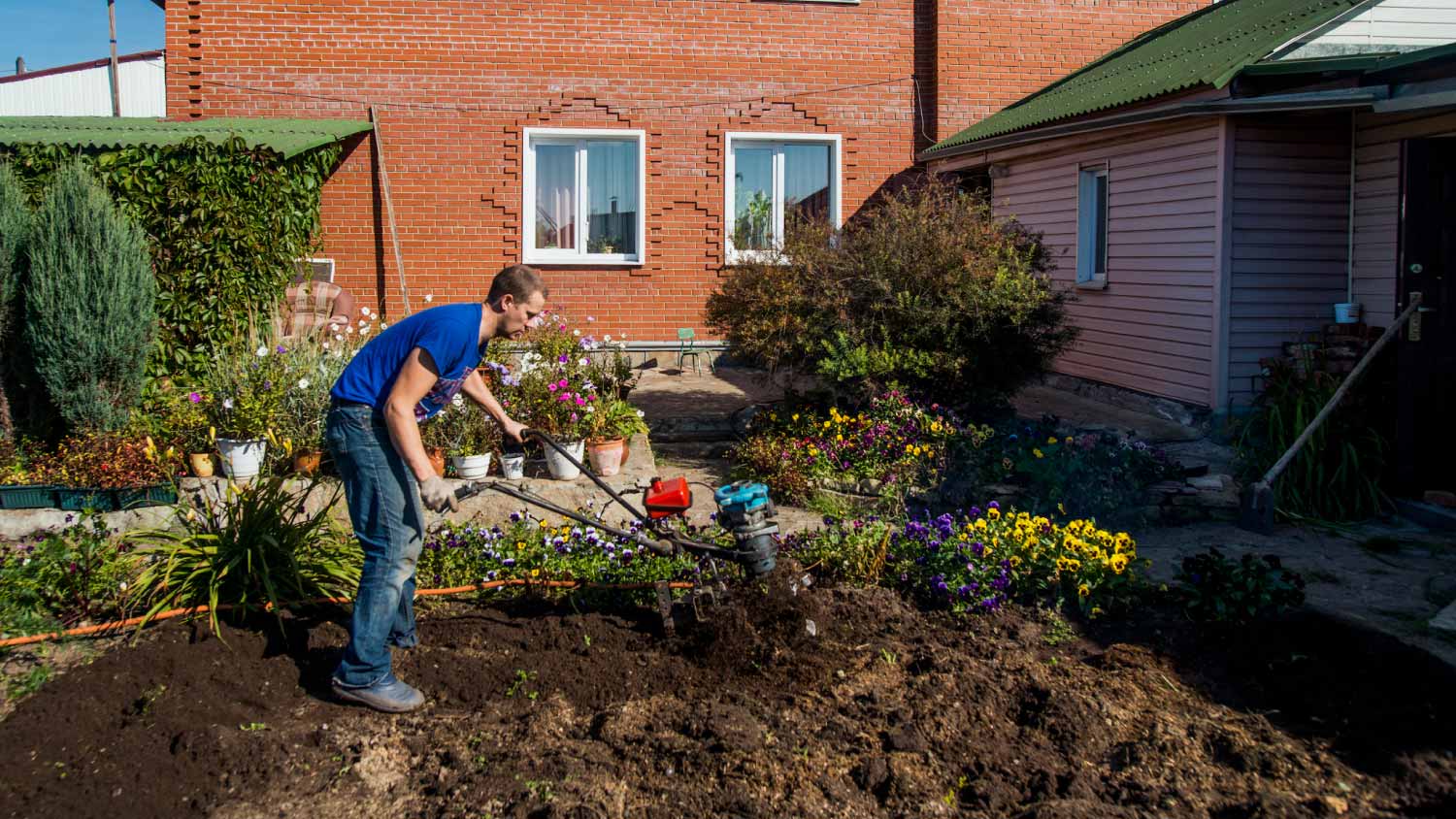
Rototilling a garden leads to well-cultivated, healthy soil. Here’s how to hire someone to till your garden and get you ready to plant.

The best soil for growing plants depends on the plant. Whether it’s a raised bed or houseplant, it’s important to have the right soil.

Design a garden-ready grow room to create the right conditions for growing plants indoors, including your vegetable seedlings and fully-grown houseplants.
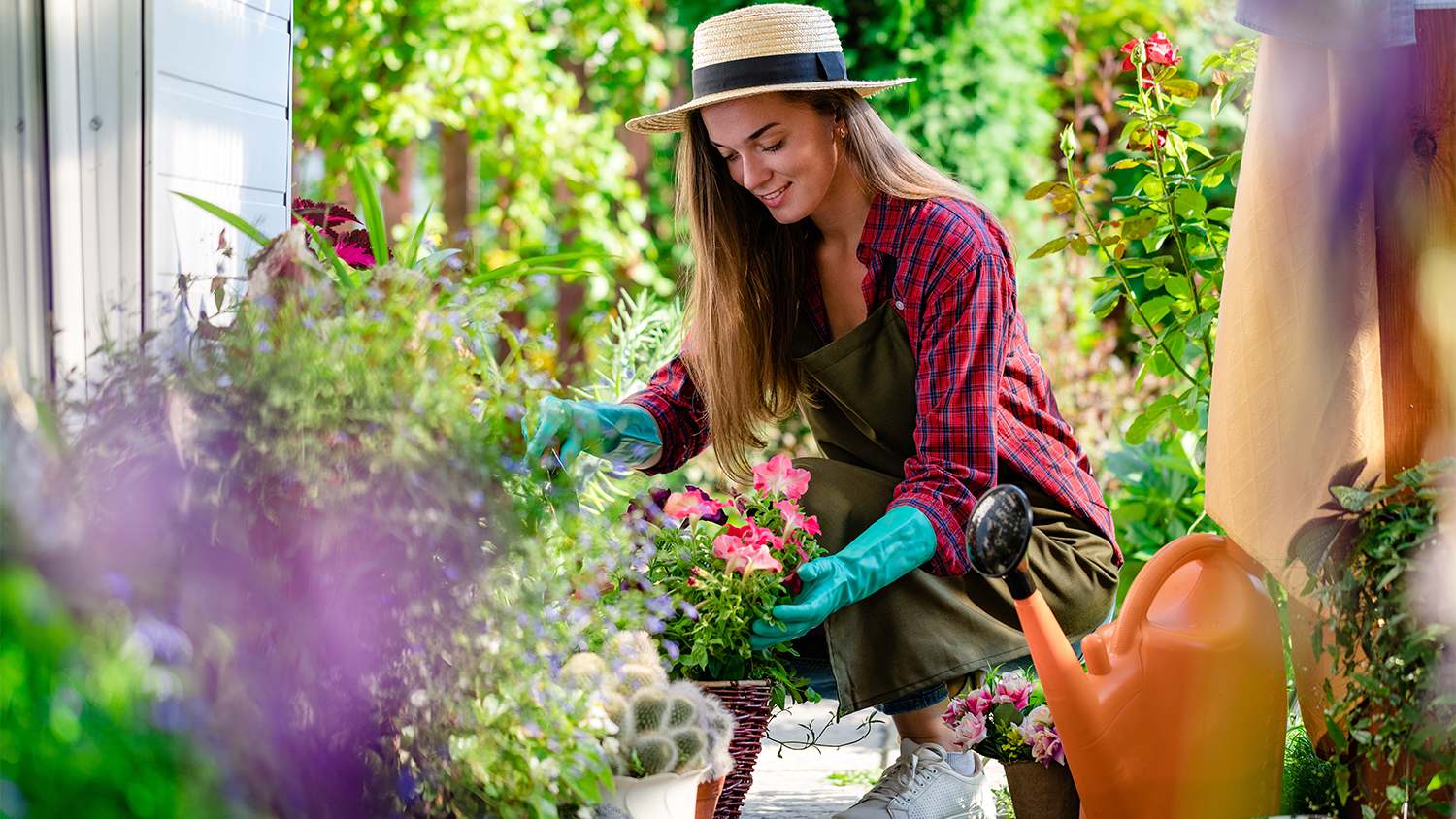
If you’re curious about the life cycle of plants, including flowering plants, annuals, and biennials, this guide delivers plant life cycle basics.