

The cost of a barbed wire fence depends mainly on how large your property is. If you have a longer fence, you can expect to pay a few thousand dollars.
Cloth isn’t all it’s cracked up to be

Cloth wiring was used in homes built before the 1960s and into the mid-1970s, so your older home needs an electrical inspection.
Expect to pay $4,800 to $30,000 to rewire your home, and addressing cloth wiring early helps you avoid higher costs from fire damage.
Cloth wiring becomes brittle and cracks over time, exposing hot wires that create serious fire hazards in your home's walls and ceilings.
Hiring a local electric inspection professional provides clear answers through thorough evaluations, helping you understand your wiring condition and plan safe upgrades confidently.
If your home was built in the 1960s or earlier, there’s a good chance that your electrical system has cloth wiring, meaning that the copper wires have a cloth covering for insulation. This cloth covering isn’t as safe or as durable as modern thermoplastic coatings. Although cloth wires aren’t always dangerous, replacing them is still a wise (and safe) investment.
Cloth wiring is an older style of wiring that typically has a copper core covered in either cotton or rayon cloth or fabric. You'll typically find cloth wiring ranging in size from 12 to 22 gauge, and it will often have either paper or rubberized insulation.
Once common for how inexpensive it was, cloth wiring is now outdated and potentially hazardous. If your home’s electrical wiring contains cloth-covered wires, it’s time to consider rewiring your home.
Home builders largely stopped using cloth wiring in the 1960s, around the time knob and tube (K&T) wiring was replaced by modern electrical systems that use copper wire with thermoplastic insulation. However, fabric-sheathed cloth wiring was still used in some homes into the mid-1970s. If your home has cloth wiring, you should have a licensed electrician inspect it for damage and potential hazards.
No, cloth wiring itself does not have a ground wire, which is another reason it’s potentially dangerous for modern households. Fabric-sheathed wiring was used most often with K&T electrical systems, which are not grounded. It is possible to ground electrical wires in a K&T system, but that work should only be done by a qualified electrician. To have a pro ground an outlet or fixture, you can expect to pay between $130 to $170 per connection.

There are several reasons why you should consider replacing any existing cloth wiring in your home.
Cloth wiring isn’t the best in terms of longevity. Over time, the fabric can crack, flake, or become extra brittle. It’s also much more susceptible to damage from insects or rodents. Any wear and tear on the cloth covering can expose the hot wires underneath, creating a serious risk of electrical fires.
Cloth doesn’t insulate heat nearly as well as plastic. This means cloth wiring can become excessively hot, exposing the surrounding area to this heat and, you guessed it, creating a serious fire hazard in your home.
As mentioned above, cloth wiring tends to go hand-in-hand with K&T wiring, which is no longer permitted in new constructions in the United States. This kind of wiring uses ceramic knobs and tubes to tie and run wires along the wooden structural components in your walls and ceiling, but this comes with several safety hazards.
Most notably, K&T wiring lacks ground wires and GFCI outlets, both of which prevent power surges and dangerous electrical arcing. Many insurance companies won't cover homes with this type of wiring or will cancel your policy if you discover wiring and don’t replace it. For this reason, contractors will almost always recommend fully rewiring your home.
Asbestos, an old building material that is now a recognized carcinogen according to the National Cancer Institute, might be present in cloth wiring. This is because paper containing asbestos acts as an extra layer of insulation in these systems. Dangerous asbestos particles can release into the air as the outer cloth coating deteriorates on old cloth wires. Even if you can’t spring for all-new electrical wiring yet, it’s important to have your cloth wires inspected to ensure they’re asbestos-free.
So how do you know if your cloth wiring has asbestos or not? To be certain, you’ll need to have a pro test your wiring because asbestos fibers cannot be seen or confirmed by the naked eye. If you suspect or want to verify that your cloth wire has asbestos, contact an electrician for an inspection or hire a company to test the cloth sheathing on your wires.

Just because you have an older home doesn’t necessarily mean you have cloth wiring in your system. Unfortunately, it’s difficult to tell if you have cloth wiring just by looking at it. Sure, sometimes cloth wiring is obvious from the wear and tear that looks similar to that old fuzzy sweater you should’ve thrown out years ago. However, there’s a chance that the wiring could be in slightly better condition, in which case it will look like modern, rubberized sheathing (but still contain an inner layer of cloth insulation).
Plus, inspecting your electrical work as someone without experience or a proper license can be incredibly dangerous. The best way to know for sure is by hiring an electrical inspector near you to perform an evaluation.
In total, rewiring your home can cost anywhere between $4,800 and $30,000, but this will vary based on the scope of the job. Not all cloth wiring will present an immediate hazard, but it’s still important to know what you’re dealing with. Your best bet is to have a local electrician evaluate the situation, give you their professional opinion on the best next steps, and provide a custom estimate.
If a complete wire replacement isn’t currently in your budget, you might consider splitting your wiring replacement into several jobs. However, be aware that most electricians charge per call-out, meaning you'll pay another service fee for every visit. Be sure to ask about deals before you hire, as your pro might waive your service fees or give you a discount if you rewire your entire home.
I recently had Mosby Electric perform an electrical installation on 8-14-2026, and I couldn’t be more satisfied with the service. From the moment I called, their team demonstrated fast arrival and professionalism. The electricians were highly knowledgeable, completing the installation...
 Mosby Electric
Great company! Price was competitive, technician showed up on time and completed the job (exterior electric Radon fan replacement) quickly. Would hire them again.
 MaGen Property Inspections and Radon Mitigation
I conferred with 2 other contractors before Armstrong Electric. Nick and his crew showed me that the project was not as convoluted as the other contractors made it appear to be. They completed the entire project on time. They were professional, friendly and cleaned up after at completion. I...
 ARMSTRONG ELECTRIC, LLC
The techs on my project, Shawn and Cliff, were great. They were prompt, courteous, and efficient. I am very happy with the results and would definitely contact Mr. Electric for any future electrical projects.
 Mr. Electric of Columbus
Victor was wonderful. He was on time, professional, and explained everything he was doing. He was thorough and figured out that the problem was electrical instead of with my HVAC system. Very knowledgeable. I will be using this company in the future for any HVAC needs. Thanks!
 Hubbs Heating & Air LLC
They were excellent. They did a great job. I was totally satisfied. They put tremendous effort in making sure the work was completed. They were great. They provided immediate response to any inquires I made. I would hire them again. I would recommend them to anyone who needs electrical work....
 JCB & Associates, LLC DBA Property-Tech Industries
Initially, the repairman could not find the problem. Apparently, there was some electrical shortage, but he could not find the definite problem. He left, but called back later to say he had a new idea. He returned and replaced the light switches on the doors. The refrigerator seemed to return...
 Appliance Pro LLC
The initial quoted price from a walk-through seemed high, but we discussed that the quote represented worst case scenario (re-wiring to two floors) and we were excited about the opportunity to have the work done in a timely manner with closing for fire safety reasons, etc. When the job was...
I have to tell you I am all about customer service - I will go out of my way and even pay more for it if you give me great customer service. <br> <br>In a world where this is hard to find, these guys were awesome! I can not sing their praises enough. They were prompt, personable, funny, got...
 Waibel Electric
When I challenged the markup on the generator, Bruder Electric withdrew its bid. They only want naïve customers.
From average costs to expert advice, get all the answers you need to get your job done.
The cost of a barbed wire fence depends mainly on how large your property is. If you have a longer fence, you can expect to pay a few thousand dollars.
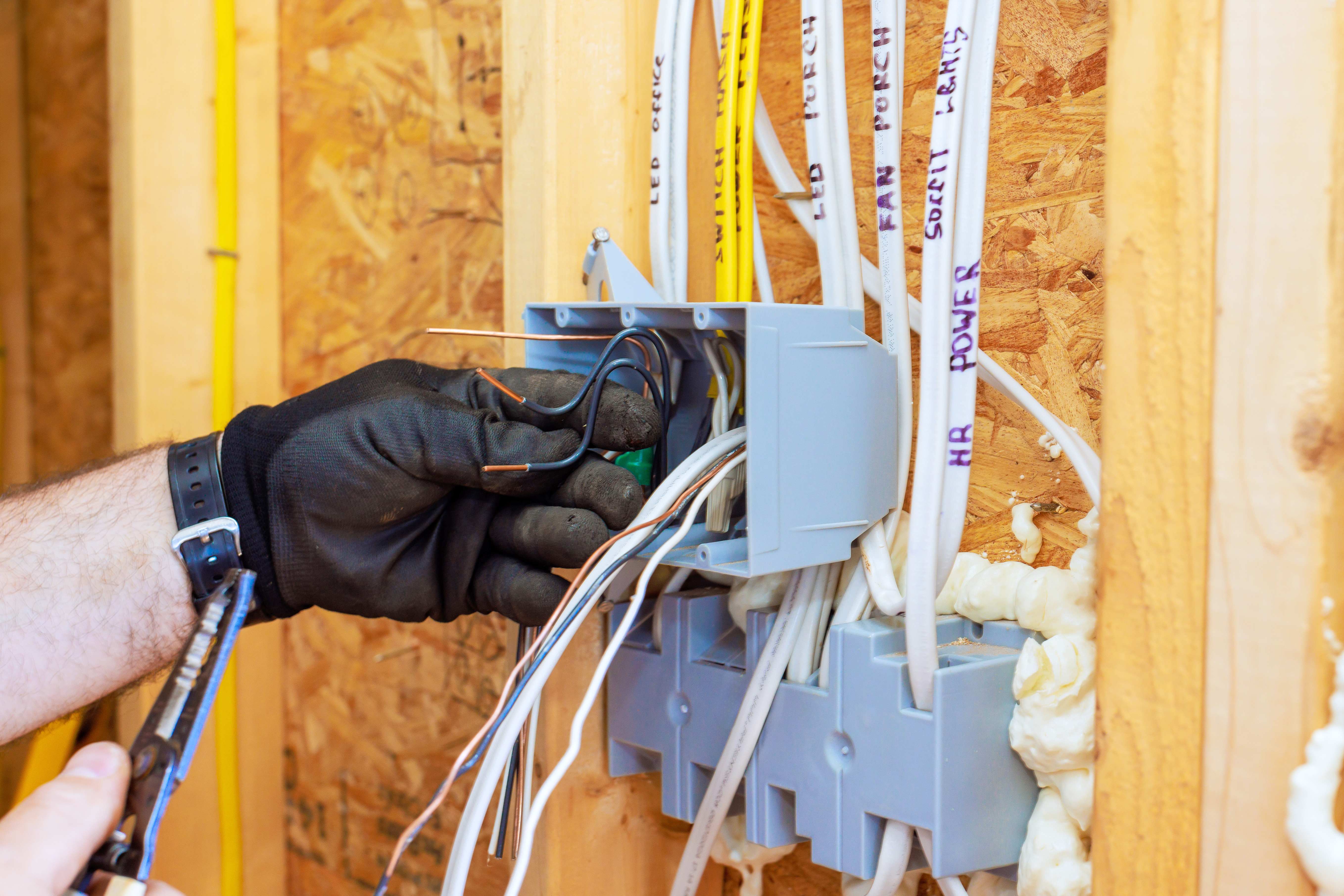
Discover the average cost of home theater wiring, including labor, materials, and key factors that impact your total price. Learn how to budget and save on your project.
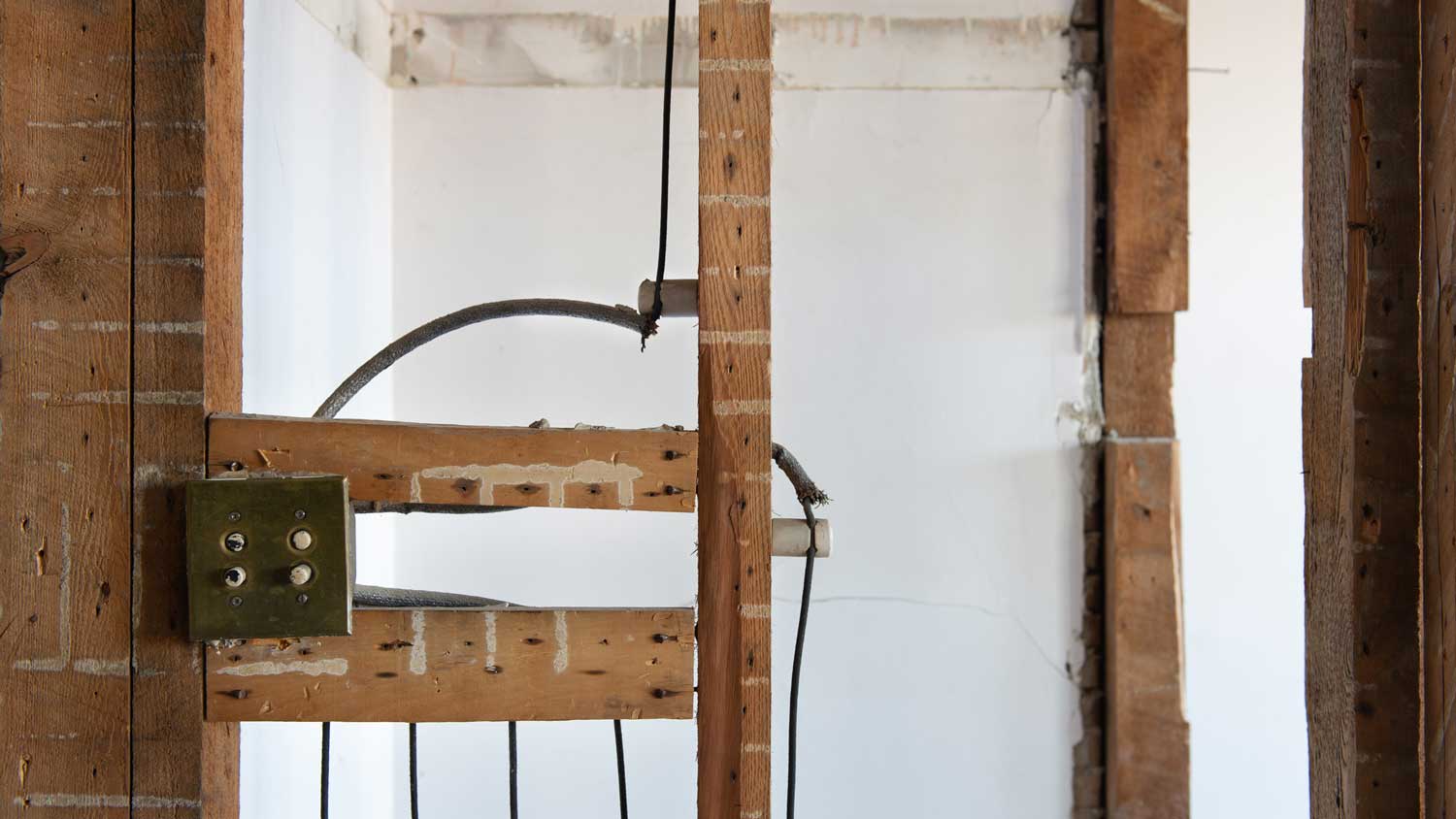
Considering replacing your home’s knob and tube wiring with a contemporary electrical system? Find out what costs and considerations may be involved.

Faulty wiring can be a serious fire hazard, and it’s especially common in older houses. Here are the warning signs to look for with old house wiring and safety upgrades you can make.

Packing clothes for a move can be stressful, but you can make the experience more pleasant by having a plan. Learn how to pack clothes for moving.

Oops! Did you find a paint stain on your clothes? Learn some different ways to remove paint from your garments depending on the type of paint that was used.