


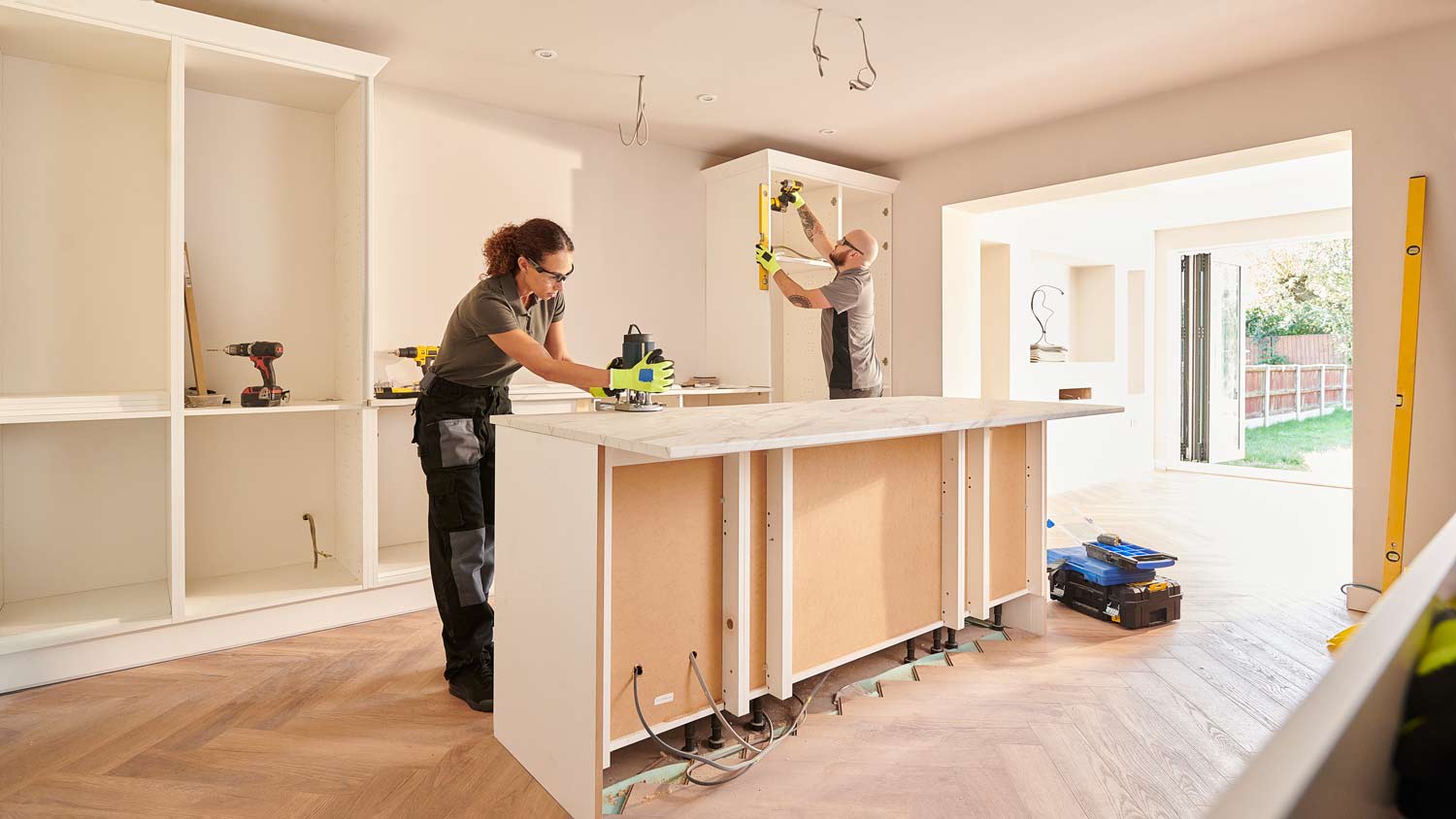
From budget-friendly builds to advanced plans fit for a gourmet chef, the price to build a kitchen can vary. Learn the average kitchen installation cost.
Kitchen and bathroom remodel costs depend on your project and location. Check with a local pro for your specific job.

Professional kitchen design services range from $500 to $65,000, with most homeowners paying between $4,871 and $31,777 for your project.
Your designer's level of involvement and the scope of your remodel determine costs, with full-service design costing more than consultation only.
Remember to budget for a 25% to 65% deposit, plus cabinet delivery fees added to your bill.
Hiring a local kitchen designing professional keeps your kitchen functional and beautiful, and manages architects, suppliers, and builders.
The kitchen design cost ranges between $4,871 and $31,777 or $17,582 on average.
Whether you’re visiting your most stylish friend or rewatching your favorite Nancy Meyers rom-com, it’s not unusual to see a beautiful kitchen and think, why can’t that be mine? With a good sense of your budget and some help from an interior designer who specializes in kitchens, it can be. This guide will tell you how much you can expect to pay to work with a pro who will help you plan the kitchen remodel of your dreams.
A kitchen designer is a type of interior designer who specializes in kitchen remodeling. They're the experts you want to talk to if you don't know where to start on your kitchen design but have an idea of what you'd like to change in your space. A kitchen designer can work with you on your kitchen layout, as well as themes, colors, countertops, and backsplash materials.
Kitchen designers often work with their clients to develop blueprints for the new kitchen, which will be passed on to the kitchen remodeler when it’s time to move to the next phase of the project.
However, kitchen designers aren't experts in more technical aspects such as structural design, electrical work, plumbing, and gas lines. You'll want to bring in a contractor specializing in those areas when it's time to start building.
The wide range of potential costs for a kitchen remodel design reflects the varied options available from different designers and the different projects you can do. These include:
A kitchen design can cover everything from the overall plan to the last detail of every fitting—most designers will be flexible with different budgets, proposing options that involve more or fewer hours of work. If you hire a kitchen designer for each step of the design process, from choosing countertop materials to overseeing the appliance installations, you can expect to pay significantly more than only hiring a designer for select steps.
A kitchen design that only replaces appliances, countertops, and cabinetry will cost less than one that requires more extensive structural intervention, such as removing a wall or rerouting pipes. As with many other home projects, more square footage will also translate into a bigger price tag.
I meet with homeowners and get to know what they want their kitchen to look like. Then I’ll do a sketch or have one drawn up. Next, I get prices from the manufacturers, including a lower-end and mid-range option. Only when the customer tells me that the finished product is more important to them than the cost will I price out a high-end, custom kitchen.

If your plan requires your designer to contract with architects, builders, or engineers, the cost will likely be higher than it would be from a design center that could handle these tasks in-house. Plus, you’ll have to cover the costs of each contractor in addition to kitchen designer labor fees.
Part of your design fee will cover the physical plans presented by the designer, from sketches to blueprints to 3D renderings. The more elaborate or specialized the plan, the more it will add to your costs. Be sure to review the kitchen designer’s deliverables and the cost of each service before hiring them.
When you’re considering different kitchen designers in your area, you’ll need to consider their fee structure in addition to their aesthetic and their price. There are differences not only between what designers charge but how they charge.
No matter which model the designer chooses, you should also figure out when they expect to be paid. When starting a project, it’s common to request a deposit or retainer—typically between 25% and 65% of the total cost (50% is most common). Often an additional portion of the total sum (usually 30% to 50%) must be paid when cabinets are delivered to your home.
Here’s a breakdown of what to expect from each type of fee structure:
Hourly rate: The most common approach, especially among independent kitchen designers, is to establish an hourly rate that will apply to everything from design time to site visits, meetings, and phone calls.
Flat fee: Other designers or firms will establish a set charge from the beginning, whether for the whole job or for an initial proposal. This fee will likely be deducted from the final cost if you opt to work with the designer who made it.
Cost plus or markup: Many designers work for companies that sell the fixtures you’ll be including your redesign, and others will directly source materials on your behalf. In this arrangement, the design fee may be included as markup or in additional costs per item.
Milestone fees: Another option is for the designer to spread out fees over the whole course of the project so that you pay some portion to start, another when the plan is delivered, another once permits are approved, and so on.

Once you’ve decided to bring in a local kitchen design pro, you have a choice between three broad types of providers. All of these pros offer different levels and types of services:
Some stores, including home goods retailers, high-end design firms, or those who sell cabinetry and countertops, will offer in-store kitchen design consultation services.
At larger national retail outlets, consultations are often provided for free, though the scope of the plans may be more limited and catered to the products carried by the store.
If it’s a specialty dealer that sells all or many of the pieces included in the design, the fee might be rendered as cost-plus or markup.
At a high-end storefront design studio, you will likely pay between $150 and $450 per meeting, which typically includes a home visit for measurements. In most cases, this expense is deducted from the final total if you proceed with their plan.
Professional design centers employ many different designers with whom you can work. It’s often the most expensive option but also the most thorough, providing you access to specialists in all aspects of the design.
At one of these companies, you can expect to pay between $100 and $750 per hour. In most cases, this will be the most expensive option, but the plans you end up with are typically very thorough, covering everything from materials to fittings to color schemes.
Instead of opting for a larger firm, you could also hire an individual designer accredited by the National Kitchen and Bath Association (NKBA). Costs can be lower or higher than a design center, and there’s often more room for flexibility in the designer’s approach.
There are many great independent kitchen designers out there—many of them formally certified by the NKBA—giving you confidence that the person you’re hiring is an expert in their field.
In addition to making sure your kitchen layout meets your needs, these contractors will usually coordinate between architects, suppliers, and builders, saving you a lot of time and energy.
Certified designers usually charge $65 to $250 per hour, or alternately, 10% to 20% of the total redesign cost. For a mid-range project, expect a final charge between $1,500 and $3,000.
The kitchen is one of the most-used rooms in the house, so you want to ensure the new design is functional and beautiful. The best way to do this is to make the investment in hiring a local kitchen designer for help. These pros will help you make your dreams a reality, all while guaranteeing the new kitchen will be safe, functional, and durable over the years. While pro kitchen designers can cost up to $5,000, it’s ultimately worth the cost when you consider the years of enjoyment your kitchen will bring.
There are a few key reasons to invest in a pro kitchen designer for this job, such as:
Quickly creating the finalized design of your new kitchen
Help with the logistics of bringing your design to life
Support with complex redesign steps, such as remodeling or rerouting plumbing, HVAC, and electrical systems
Get connected to trusted contractors to perform the work
Get help problem-solving throughout the process
Access to better deals on materials
While it’s difficult to completely reimagine your kitchen without help, you can save some money by tackling the following steps yourself:
Come up with cosmetic redesigns (e.g., new cabinetry, paint, or countertop materials) yourself
Pick out a few key elements (e.g., light fixtures, faucets, appliances) yourself to base the rest of the design around
Consider doing some of the work yourself, such as painting
Working with a designer is definitely the way to go. Deb has so much experience and made so many dreams come true that all the tidbits she shared made all the difference from my having a cookie cutter, big box store kitchen to one that's a showplace and a dream to work in... at the end of the day I feel I got much more than I paid for. The kitchen is everything I'd hoped for and more... I feel like I have had a knowledgeable friend by my side throughout this entire redo. I had someone who understood how the little things can make one crazy. Deb worked tirelessly to get everything perfect (and so did her crew).
— Carol H., That Kitchen Place, Baltimore, MD
When it comes to redesigning your kitchen, there are seemingly endless add-ons features to consider. Work with your professional kitchen designer to budget for the additional expenses you may incur.
Installing new countertops: $1,900–$4,400
Installing new backsplash: $500–$1,700
Installing new cabinets: $2,000–$10,500
Painting cabinets: $400–$1,400
Installing new kitchen sink: $200–$700
Whether you hire a kitchen remodeling pro or DIY your kitchen remodel, the costs can add up quickly. However, there are ways you can save money while still designing the kitchen of your dreams. For instance, you can:
Collect quotes from a variety of remodeling pros to shop around for the best bargains.
Upgrade your existing hardware and decor rather than replacing them.
Consider opting for less high-end materials and go for the standard options.
Start by identifying your ‘musts’ for a new kitchen to help keep the redesign on track and under budget
Talk to your pro about reusing or repurposing existing materials to help keep costs down
Determine the level of involvement you expect from your designer throughout the process to ensure pricing is accurate
Find out if your designer has an in-house team of builders and other experts, if they have contractors they trust, or if you’ll need to source these workers yourself
Home is the most important place on earth, which is why Angi has helped more than 150 million homeowners transform their houses into homes they adore. To help homeowners with their next project, Angi provides readers with the most accurate cost data and upholds strict editorial standards. We survey real Angi customers about their project costs to develop the pricing data you see, so you can make the best decisions for you and your home. We pair this data with research from reputable sources, including the U.S. Bureau of Labor Statistics, academic journals, market studies, and interviews with industry experts—all to ensure our prices reflect real-world projects.
Want to help us improve our cost data? Send us a recent project quote to [email protected]. Quotes and personal information will not be shared publicly.
Jason has helped me with multiple household projects, with the most recent being new door installation. He has always showed up on time and organized and has done an incredible job! Jason is very professional and he's now my go-to for anything around my house that needs to be fixed or...
 Huff Garage Rescue, LLC
Cole has been handling plumbing and general contracting for our four properties over the past three years, and he’s always done a great job. Most recently, he installed a sink and countertop in our retail store where none existed before, and it turned out exactly how we needed. He’s...
 ANB Renovations LLC
1st Choice Renew is simply the best! We hired them for a complete home renovation, and they transformed our space into something truly amazing. The team attention to detail and commitment to quality were evident throughout the project. They were easy to work with, very responsive, and always...
 Save A Dime
This company went above and beyond with their work, chimney sweeps are usually pretty messy, but the clean up was spot on.!! Josh explained every thing that he was doing, and the things that he was checking to make sure the chimney was safe for me and my family. He was very professional,...
 Supreme brick & chimney
Custom Paint Jobs LLC turned our outdated bathroom into a modern masterpiece.
 Custom Paint Jobs, LLC
Excellent customer service and knowledge. I was recommend to him from my neighbour. My front door and window came in great and were installed beautifully perfectly, I m very satisfied with their excellent work, so decided to order one more big bow window for my living room. I cant wait for...
 Window Depot USA of Central Ohio
If I could give 10 stars for Kitchen Tune Up, I would. I cannot say enough good things about my experience with Kitchen Tune Up and the entire team involved in the process of my kitchen project. They went above and beyond as far as service and quality with my cabinets, paint, countertops, and...
It was wonderful working with Yordy and his team. They were very professional and are experts in what they do. They have completed the work on time, with better quality and with in fairly reasonable price. We just started with backsplash work , but liking his work, we went on to provide...
 Flooring Solutions
We were having 2”x 2” tile installed . There was a small installation error and the new additional replacement tile was from a different lot and the colors didn’t match. Joe assured us that he would rectify everything , which he did without hesitation. We decided to go with the 18” x 36” tile...
 CarifaTile
They work that 360 did on my kitchen cabinets is nothing short of amazing. I still cannot believe the difference from before and after. Jon and Jeff were both so incredibly professional throughout the whole process and their communications with me were constant and consistent. These guys...
 360 Painting Columbus
From average costs to expert advice, get all the answers you need to get your job done.
From budget-friendly builds to advanced plans fit for a gourmet chef, the price to build a kitchen can vary. Learn the average kitchen installation cost.
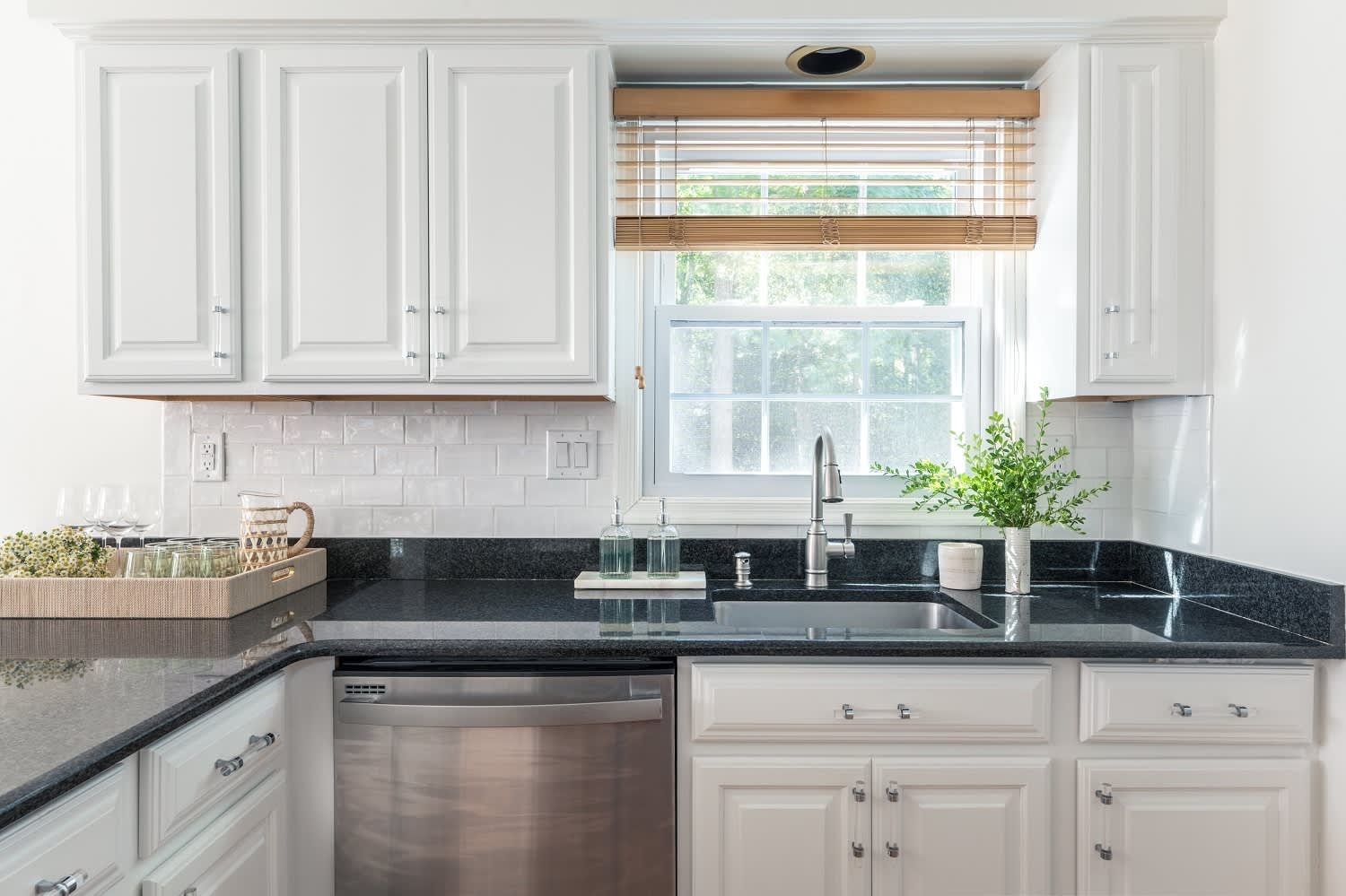
How much does a kitchen remodel cost? Find out the average cost and where you can save money on the path to building your ideal cooking space.
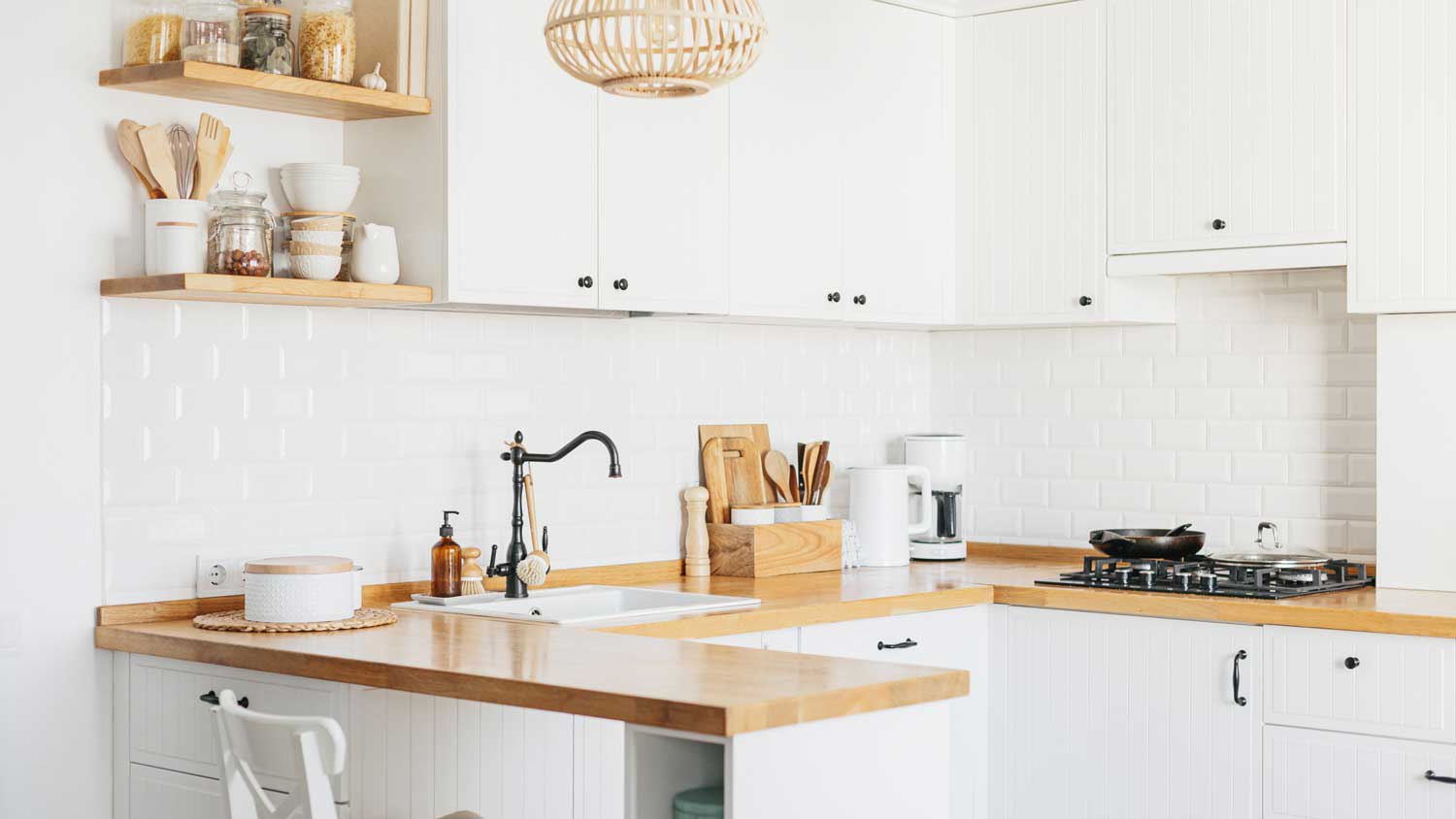
Small kitchen remodels cost $12,750 on average, depending on the materials, size, labor, and more. Read this to calculate your kitchen remodel costs.
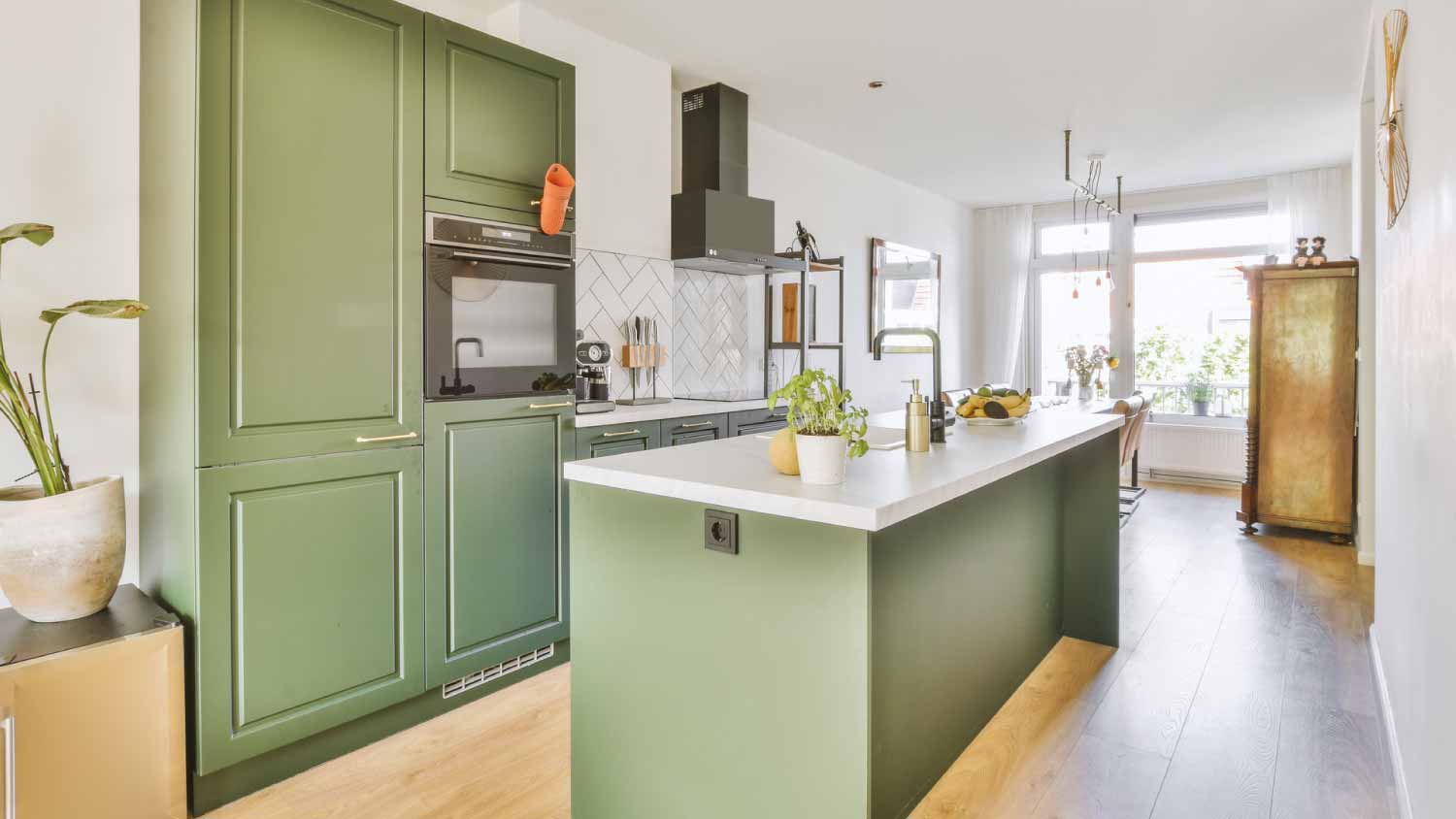
Planning a kitchen refresh? Ask your contractor these top kitchen design questions to create your dream space with expert guidance.
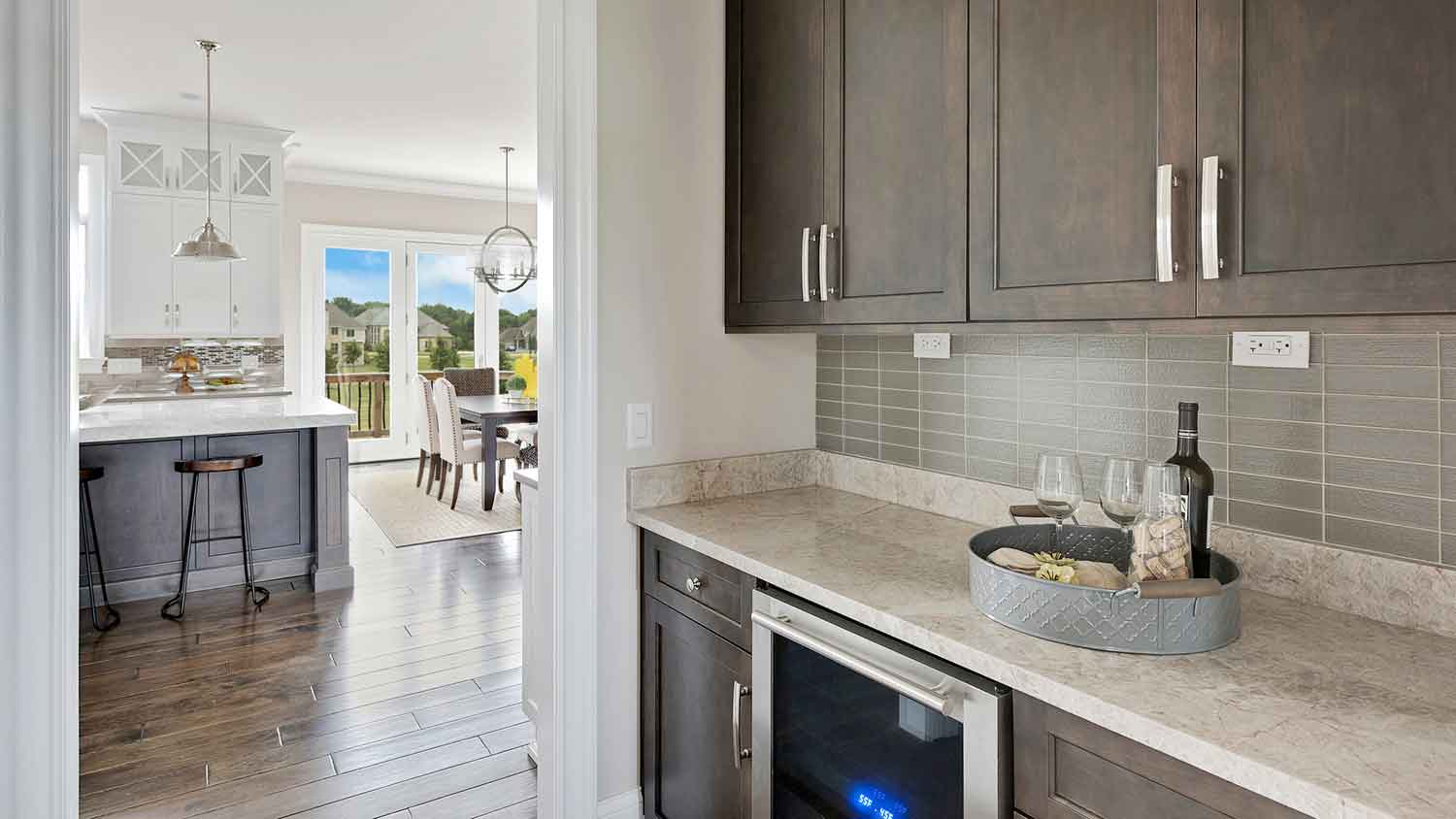
Thinking about a new kitchen design? Learn about layout options, remodeling costs to expect, and how to hire the right local pro for your home.
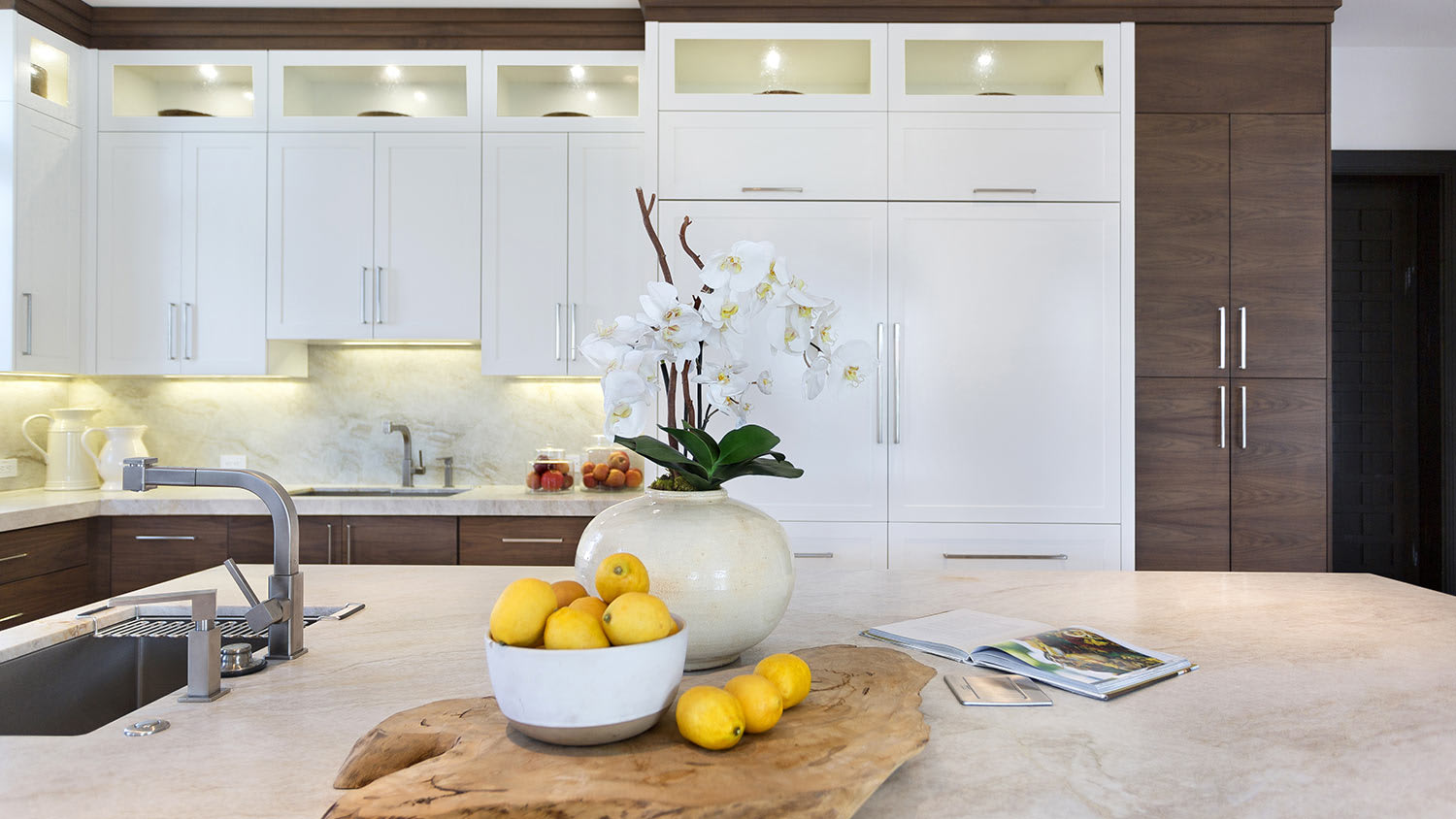
Learn how to find and hire a qualified kitchen designer for your remodel. Get expert tips on questions to ask, credentials to check, and more.