
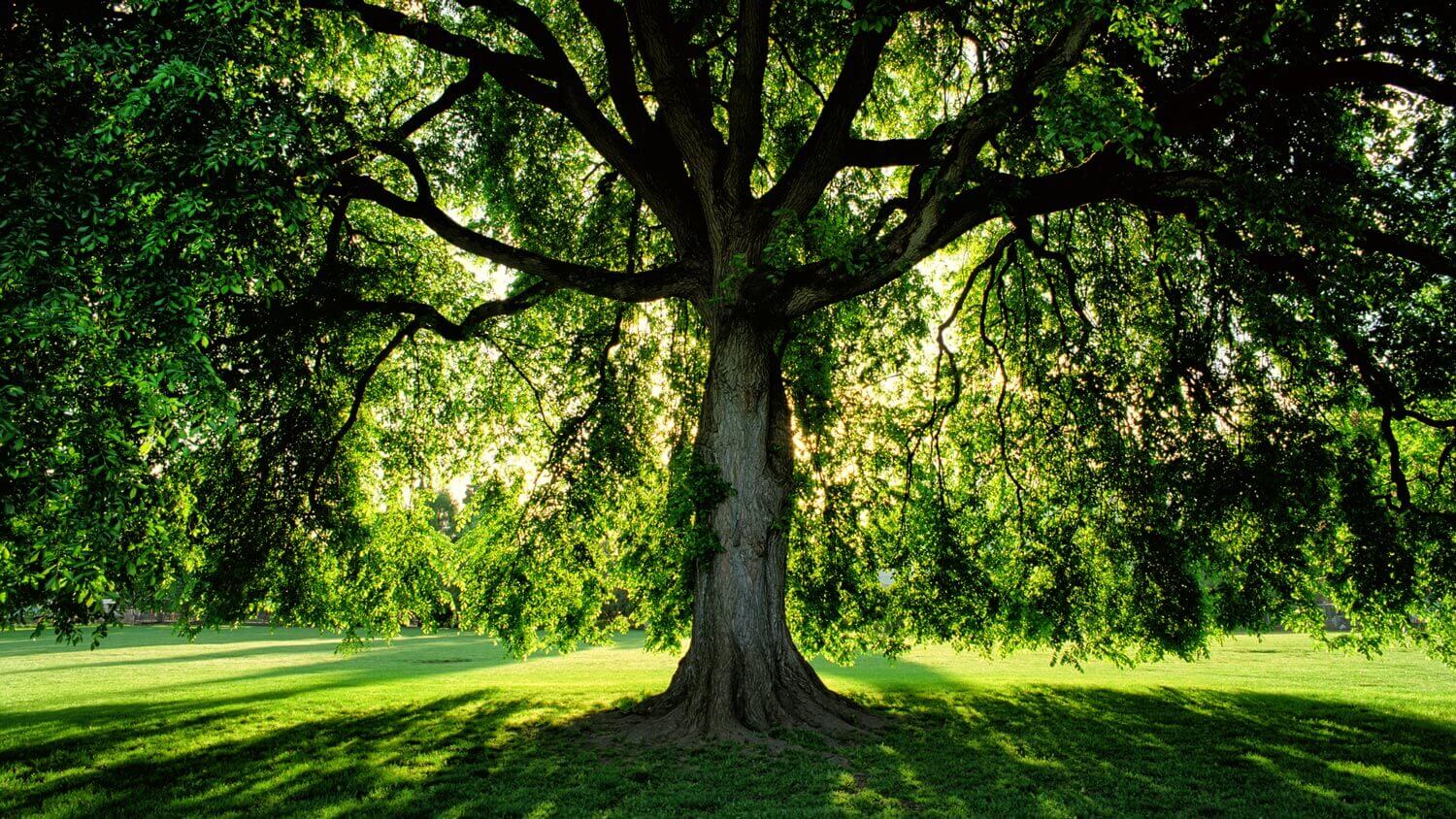
Are you looking for drought-tolerant trees and shrubs to add to your yard? Read on for a round-up of smart landscaping choices.
A dry spell doesn’t need to spell disaster

Helping trees survive drought conditions starts with proper mulching, which retains moisture and regulates temperature when you spread one to two inches around your tree's canopy.
Young trees under three years old need watering two to three days a week during dry spells, while your mature trees handle drought better with weekly deep watering.
Water your trees early in the morning or after sunset to reduce evaporation, focusing on the drip line area with about five gallons of water per week.
Hiring a local arborist professional provides expert diagnosis when your tree shows stress signs like wilted leaves or premature leaf drop, helping you plan the right recovery steps.
Prolonged drought can cause irreversible damage to trees, and young ones are especially vulnerable. Mature trees have developed extensive underground roots that can get water from deep in the ground. But young trees that have only been in the ground for two to three years need more direct watering to survive a drought. Trees count on you for a drink, so keep reading to learn how to protect them from dehydration and droughts.
Without enough water, the elegant process of photosynthesis can’t occur at the rate the tree needs to thrive (or even survive). The first sign of a thirsty tree comes from the leaves: you might notice them drooping, wilting, growing very small or malformed, or turning yellow. Junipers sometimes lose all of their leaves.
Some other signs of drought include:
New shoots growing in slowly or not at all
Slow or accelerated cambial (tree ring) growth
Initially, increased root growth in some trees with wide and branching root systems (the tree will send the water to the roots first), followed by suberization, which is a latex-like covering the tree forms over the roots
A thirsty tree is a tree under stress, and it’ll show in its leaves or needles. If you notice your favorite tree has yellowed leaves that look wilted, it’s likely in need of water. The leaves might also look yellow, brown, or scorched, or grow very small. Contrast that with signs of a healthy tree.
Dehydrated trees will also drop their leaves prematurely when they don’t have the energy to sustain foliage. The tree might have dead branches or look thinner than usual on top.
A dehydrated tree is also more susceptible to insect infestation and disease. For instance, armillaria root rot (also known as shoestring root rot) is a fungus that invades weakened or damaged roots, which can be caused by drought. It can kill a tree in one or two seasons.
These signs also apply to newly planted, young trees, and young trees will slow their growth rate by 7% more than mature trees, so drought can be especially harmful at the onset. However, younger trees are able to recover quicker from drought conditions, usually within one year. Mature trees typically require several years to bounce back, if they ever do.
If your tree doesn’t look better after a few solid days of watering, you might want to call an arborist near you for help.

A little help before a drought can give your tree a fighting chance during prolonged periods of dryness and drought.
Brand-new trees need a little extra TLC. Water trees under three years old two or three days a week if nature isn’t handling the job.
Before a drought, follow the guidelines for the best way to plant a tree. Plant your tree as early in the spring after the ground thaws. This will give your tree some time to establish itself before the heat of summer. You can also plant trees when the weather starts to cool in the fall. Check what’s appropriate in your planting zone.
Just like with your more developed trees, add a layer of compost and mulch around your tree. The compost will help give the soil nutrients, and the mulch will help the tree retain moisture.
A layer of mulch helps trees retain water and manage their temperature. It can also prevent weeds from sprouting up in the tree’s space. When adding mulch, treat your tree like Goldilocks and give it just the right amount since a thick mountain of it just invites critters to burrow and blocks oxygen, causing root rot.
Ideally, spread an inch of compost around your trees in the spring, then lay an inch or two of mulch on top of that. Don’t go more than 4 inches thick. Spread an even layer under the tree canopy, which is as wide as the tree’s widest branches or the part of the ground that would be shaded when the sun is directly overhead.
If you have a sprinkler system installed, test it out and make sure it’s watering all areas of your yard adequately. Place empty cans near your tree’s base and measure how much water is being captured by the sprinklers—is it enough for your trees? You might need to run your sprinkler system for a longer amount of time to ensure your trees are getting enough water and growing strong before a drought hits (and you need to shut the sprinklers off completely or limit their usage).
While a drought can be devastating, there are some actions you can take to make sure your tree is less stressed.
It’s crucial to feed trees while simultaneously conserving water during a drought. That means watering the tree directly rather than letting a sprinkler fling water around the yard.
Using a bucket, water the ground in the tree’s drip line, the area under the tree’s canopy. This will ensure the tree’s feeder roots have access to the water. Use enough water so the area is soaked, not just wet on the surface.
You might need about 5 gallons once a week. You want about 1 to 1 1/2 inches of water per week during the growing season, which is late spring through early summer. One trick is to put an empty tuna (or similar size) can in your spray area. When the can is full, you’ve watered enough.
Watering early in the morning or after the sun is set will reduce evaporation and help the water to soak into the soil. If you really want to conserve water, you can keep your bucket in the bathroom to collect the water that normally flows down the drain while the shower is heating up. You can also use gray water.
Usually, we’d recommend that you prune your tree regularly to promote its overall health, but during a drought, pruning can cause more stress.
As soon as you know a drought is imminent, put fertilization on pause. Fertilizer contains salts that draw water out of roots and into the soil, so you should only apply it when there is ample moisture present to allow the fertilizer to dissolve into the soil.
Artificial turfgrass might seem like a good solution during drought conditions that wreak havoc on your lawn, but the artificial turf covers the soil and doesn’t allow moisture to be captured by it. This causes any trees adjacent to artificial turfgrass to receive less water.

After the drought, you may need to prune away any dead branches, as these can weaken the tree’s health. It’ll also make the tree stronger for the next dry season. If your tree struggled through the hot months, skip fertilizing in the fall. The salts in fertilizers can be tough on dry roots.
Give your new tree some extra attention after the drought. Saplings don’t like to be pruned, but if your tree has a dead branch, it’s OK to snip just that one. Continue to monitor your tree and its soil to ensure it’s wet enough. If not, you might need another layer of mulch.
If you’re not sure whether your tree has survived the drought or if you want additional help getting it back to tip-top form, call an arborist near you to get a professional’s opinion. A stressed tree might have multiple issues happening at one time—disease, insect infestation, leaf drop, or more. A pro can assess your tree’s health and give it the proper diagnosis and treatment, as well as let you know if the tree is too far gone for any kind of recovery.
This service was great. My air conditioner went out during the heat spell that we had. My husband has health issues and they came out that night and at 9:30pm the air conditioner was fixed and running. We are sooo very thankful, this is the company I will be using from now on and would...
 Mr. Mechanical Ohio
One of my old tall evergreen trees was suddenly leaning toward the busy street in front of my house. I submitted a request for an emergency tree inspection, and Alejandro, owner of Cajete Tree Service, contacted me immediately and arrived to look at it just 20 minutes later. We agreed the...
 Cajete Tree Service LLC
1 tree was cut down and 5 others including a large willow tree were trimmed. The Grant Tree Service men were professional and cleaned up afterwards. The cost of the 6 trees were affordable. I am very happy with the results. I would hire them again.
 Grants Tree Service
D1 Roofing delivers outstanding service from beginning to end, backed by a strong warranty and expert teams. I highly recommend them for their excellence in meeting and surpassing expectations with unmatched communication. Choosing D1 Roofing was flawless decision
 Division 1 Roofing LLC
Promptly arrived for quoting! Demonstrated superb customer service, affordable pricing, and completed service swiftly! Looking forward to the spring for our service!
 All Star Paving and Sealing
Seth was very professional, prompt in responding to queries about the work required , gave sincere advice as to what would be best for tree trimming and did the job timely.
Ace Fireplace Services' chimney sweep service is truly exceptional. They used advanced technology to ensure a thorough cleaning process, and my chimney has never looked better. I highly recommend their services.
 Ace Fireplace Services
I definitely recommend Ramonaâ s cleaning service! I have booked services with her many times and she arrives on time, ready to work and provides a great service.
 Your Cleaning Solutions LLC
Webb â s was priced well, flexible on scheduling, great with communication, and detailed in their work. Iâ ll definitely use their services again.
 Webbs Pressure and Paint LLC
Great tree company, very professional and honest. Glad we found them, they had the best pricing
From average costs to expert advice, get all the answers you need to get your job done.
Are you looking for drought-tolerant trees and shrubs to add to your yard? Read on for a round-up of smart landscaping choices.
Why do trees die, especially in your backyard? Our guide explains the common causes of tree death and what you can do to prevent problems.
Many people wonder if they have to water big trees on their property. Learn when and how to water large trees in this informative guide.
Have a beloved tree that is looking sick? Learn how to save a dying tree to restore it back to life.

Droughts can cause lasting damage to lawns. Keep your lawn alive and well by following these tips on how to save your lawn during a drought.
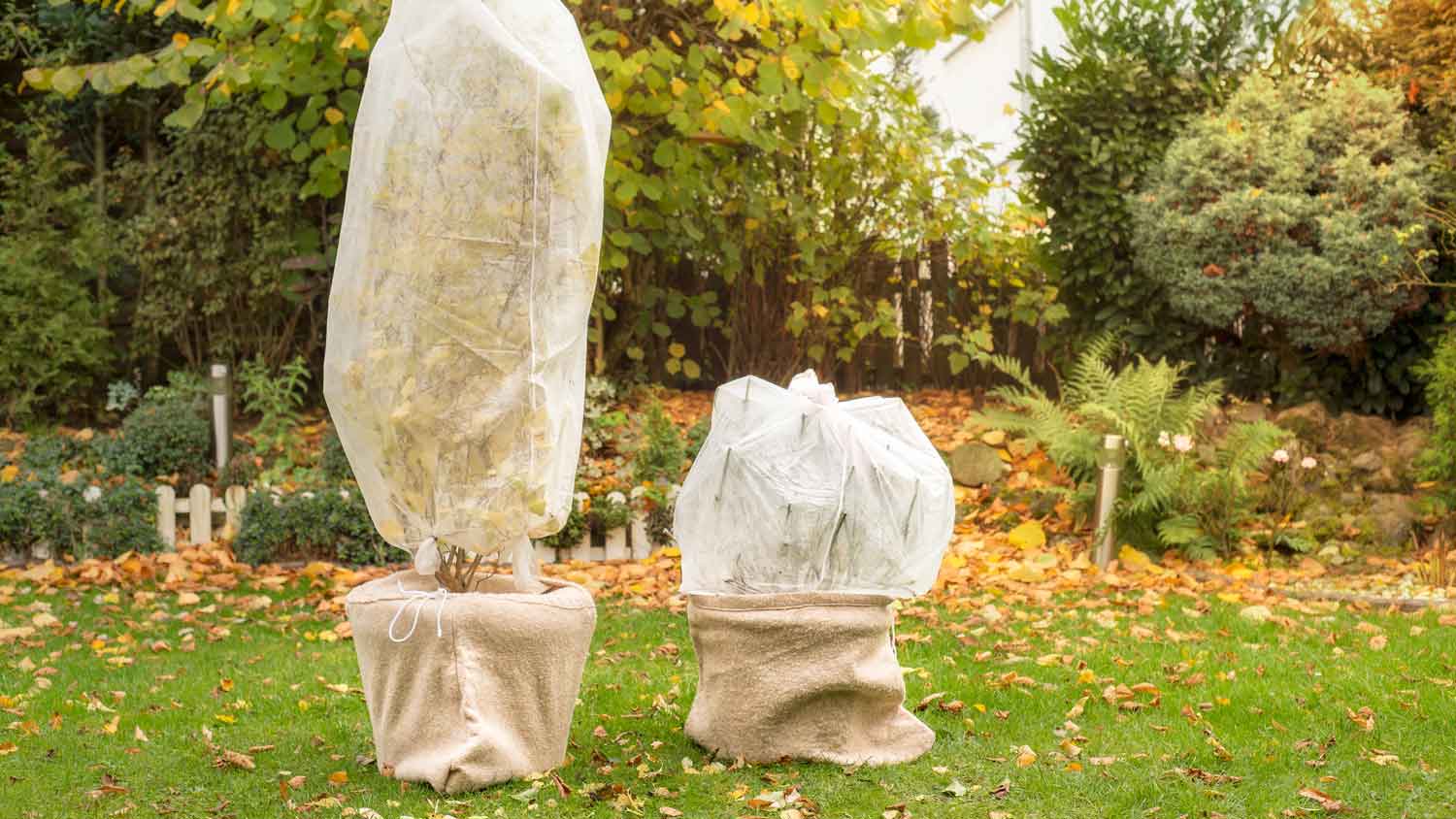
Knowing which precautions to take when winter arrives is key to shielding trees from the cold. Find out how to protect trees from frost with this guide.