
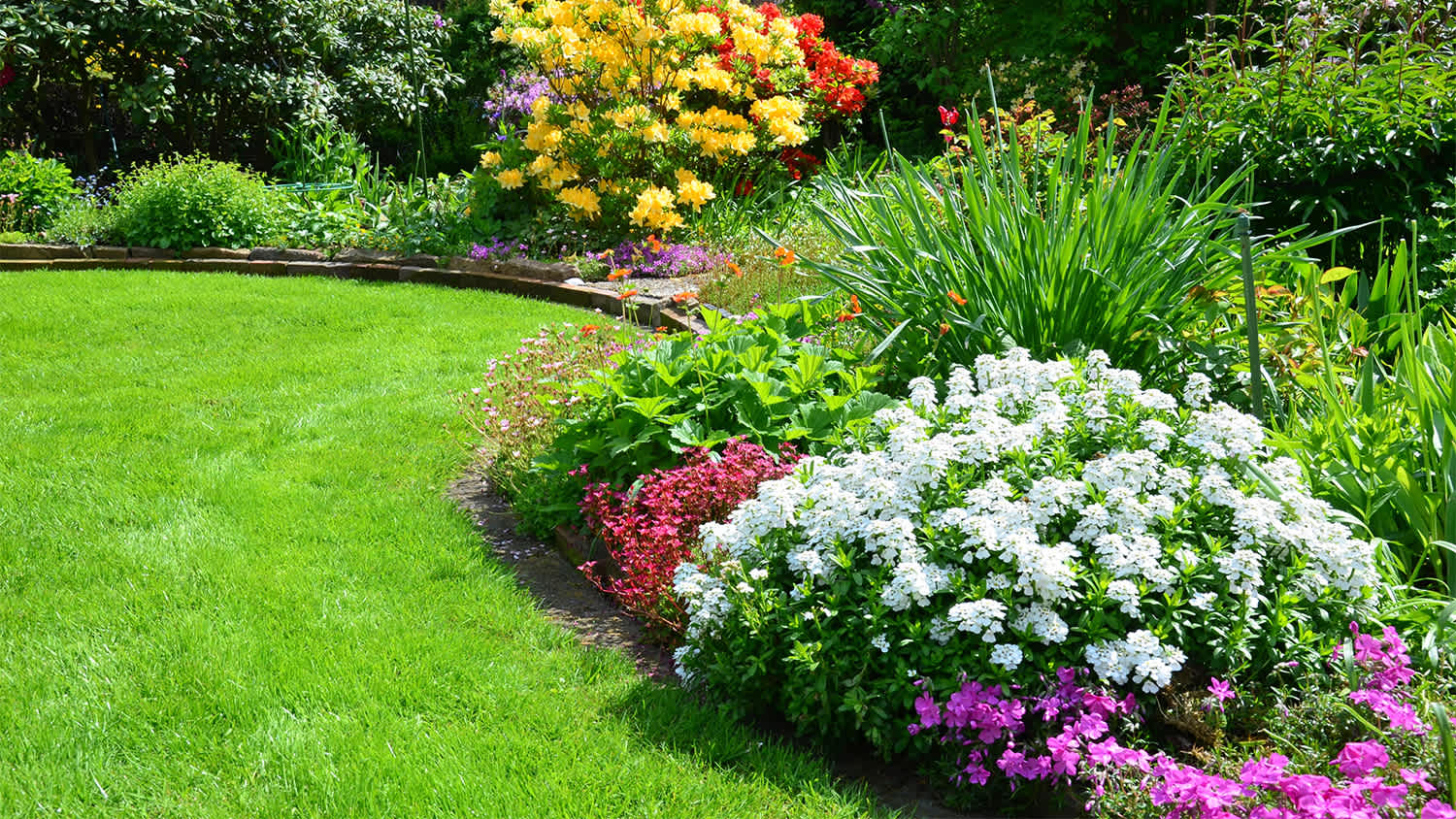
These top 13 essential spring landscaping tips, including spring lawn care and gardening tips, will help you get your garden ready for the season.
April showers may bring May flowers, but pre-spring gardening will bring even more blooms

Your spring landscaping starts with checking your hardiness zone and final frost date, so your perennials, trees, and grass stay protected.
You can tackle early weeds and debris removal right after the snow melts, giving your lawn and flower beds a clean start before growth season begins.
Fertilize your lawn once your grass turns green and starts actively growing, and fix bare spots with overseeding and steady watering.
Hiring a local landscaping professional helps keep your lawn, trees, and garden beds healthy with fertilizing support and seasonal maintenance planning.
Right between the doldrums of winter and the colorful burst of spring comes a limbo of sorts, particularly for garden and lawn care. If we head to the backyard with our seedlings and shovels too early, a late-March snow shower can ruin all our hard work. If we wait too long, well, we have to play catchup to get the most out of our blooms.
Despite nature's finicky nature, early spring is a fantastic time to prep your flower beds, seeds, trees, and lawns for the upcoming planting season. Take a look at these 12 spring landscaping tips for a solid start to the season.
First things first—even if your friend down in North Carolina has tomato plants in the ground already, it doesn't mean you should in Massachusetts. Get to know your hardiness zone and check the Farmer's Almanac each year for approximate final frost dates.
Perennials, trees, and many types of grass remain dormant until this time, and this determines how much water, fertilizer, and disturbance they can take. New plants, including most flowers, herbs, and veggies, should wait until after the last frost to avoid damage.

When that final patch of snow finally melts, it's time to check how your yard fared in the winter. Remove winter mulch from your flower beds to allow the ground to thaw. Clear sticks and remaining leaves from your lawn as well. In the first few passes, be gentle with your lawn as you rake, especially if the grass is still dormant yet to green up.
Grass turfs can handle the hard weather of winter, but issues do occur. Snow mold—a common fungus that develops under thick snow—can cause rings or patches during the cold months. Keep in mind that you can treat your lawn for snow mold before winter or early spring with a lawn fungicide. You can also save on long-term landscaping costs by choosing grasses native to your climate.
Make a note of any yellow patches from deicer, too much traffic, or a visit from the local dog.
Spring is the perfect time to show your lawn extra love with fertilizer. Apply fertilizer when the grass is growing and looks green—right before your third mowing session of the season is a good rule of thumb. Colder climates may not reach this stage until May or June, while warmer climates may be ready for fertilizing in February. Whether you have cool-season or warm-season grass can also affect your ideal lawn fertilizer schedule.
If brown patches or bare sports have developed in the dormant season, spring is also ideal for overseeding. However, try to identify and solve underlying issues beforehand. Consult a local landscaping company if you can’t find a cause or the problem persists after overseeding. They may also offer recommendations or services for improving the health of your lawn and home, such as landscaping around your house to prevent water damage.
Reseed once temperatures stay fairly consistent and moderate. Water the area before spreading the seed (the ground should be moist but not soggy). Spread the seed according to the manufacturer’s instructions.
A winter wonderland puts a lot of pressure on branches and trees. The early spring is an excellent time to bring in a local arborist to check your trees for instability, rot, disease, or pests. If you'd rather prune on your own, your tree expert can advise on how to properly and safely trim the ends of branches while avoiding flowering trees that prefer to keep their buds.

If you're itching to start gardening but it's not time to bring out the tomato plants, focus on weeds. Weeds will start popping up the moment they get the chance—in your flower beds, around your perennial bushes, and between stepping stones. Pay particular care to your hardscape. If left to overgrow, weeds can throw off the balance of stepping stones and even cause damage to your pavers.
Cutworms are notorious garden pests that appear as early as the first thaw. First appearing as larvae, these young moths can damage plants and roots. Removing winter debris and mulch and overturning the soil can help you catch cutworms before they flourish. Consider a natural insecticide such as soapy water to eliminate early invaders, or consult a local pest control team for garden-safe methods.
To spread out your forsythia, garden mums, or hostas, divide their roots in early to mid-spring after you've had a chance to water them thoroughly. Dividing one involves delicately splitting a grouping of roots and transplanting perennial plants separately to thrive on their own—a bit like propagating a succulent. Check instructions for your unique species, as not all like to be divided in early spring.
Speaking of perennials, flowering plants love a layer of fertilizer just before their growth season. According to the Farmer's Almanac, apply fertilizer to the perennials about a week before the last frost but after the ground has thawed.
As for the rest of the garden, add a slow-release fertilizer marked specifically for flowering plants and vegetable gardens. Be careful about overfertilizing early in the spring to avoid overwhelming plants coming out of their winter sleep.
It may be tempting to break out the mulch the second you prune and divide your perennials, but this insulating layer can slow down the natural thawing process. Apply mulch around your perennials several weeks after the final frost and once you have consistently warm temperatures. In the meantime, you can learn how to make mulch from materials in your yard so it’s ready to go when the time is right.
There are a handful of tough vegetables that don't mind the cold as much. You can either grow these hardy veggies indoors or buy them from your garden store as seedlings. Plants that can go into a thawed ground before the final frost include spinach, sunflowers, lettuce, and radishes. Soon after, consider kale, broccoli, potatoes, cauliflower, carrots, cabbage, and parsnips.
The first signs of spring are also fine reminders to hire a landscaper who can check the health of your plants, lawn, and trees on a regular schedule.
Give your sprinkler system a good visual inspection. Look for broken or bent sprinkler heads, grass and weeds growing around sprinkler heads and other components, and cracked connectors or pipes. Check the backflow preventer to make sure it's intact.
Inspect and clean any filters, even if you did so before winterizing the system. Look through the manufacturer’s guide before turning on the system, and follow any recommendations based on the unique configuration of your system.
Ginny Bartolone contributed to this piece.
Custom Paint Jobs LLC made our home feel like a piece of art. Thank you for your creativity!
 Custom Paint Jobs, LLC
Window Depot did an amazing job on my deck. I wasnt sure what I wanted to do, but their composite decking was affordable and will last a long time. I am excited to have family over, and I am no longer embarrassed by my backyard. Jeff and the ground crew were polite, respectful, and caring for...
 Window Depot USA of Central Ohio
First of all, the gentleman I dealt with (Cam?) was very responsive to my many questions and concerns throughout the project, which is a huge plus to me. From the first time I met him for the estimate all the way til the completion of the job, he and his crew were professional and respectful....
 All Star Paving and Sealing
We had a 20+ year old landscape lighting system that needed replacement. Midwest Lightscapes worked with us to design a much improved lighting system, lighting the exterior of the house and the back yard. Installation of the 45 light system took one and one-half days, and went very smoothly....
 Midwest Lightscapes
Another great success for me on home advisor. This company did an awesome job on my landscaping and stayed within my budget. The best part, the work was complete within 2 days of my initial request. Professional and responsive. I highly recommend!
 Blue Ring Residential Services, LLC
The company no showed on me twice. The 2nd time was no call no show. They were responsive to set up the first appointment to perform the "landscape cleanup". 3 hours after their initial scheduled appointment time they called me to let me know they had some "problem" with the truck and their...
 Ruby Home and Hauling Services
Received ideas for future landscape plans...quote to do the work seemed a bit high but I did not have any other quotes to compare it to, so perhaps that is the going rates. <br />
 Landscapes By Terra, Inc
All around they have done a really great job. <br /> I have used JL Landscapes for the past 8 years. I own and operate my own commercial/residential real estate company where we own, operate, and maintain our own properties. JL Landscapes has been our exclusive landscaper for both our...
 J.L. Landscapes
Bought a half a cord of firewood from Pitzer with stacking last month. I waited to report so I could see how the wood burned. <br /> <br /> I have three pet peeves regarding landscapers, but Pitzer scored "A"s regarding all three. First, rather than having customers "leave a message" and...
 Pitzer Landscaping
I left a message on Sunday requesting to schedule a time to obtain an estimate/walk-through and received a return call in the morning of the following Monday. Mark worked with me and agreed to schedule the estimate/walk-through for the following Saturday. When Mark arrived for the...
From average costs to expert advice, get all the answers you need to get your job done.
These top 13 essential spring landscaping tips, including spring lawn care and gardening tips, will help you get your garden ready for the season.
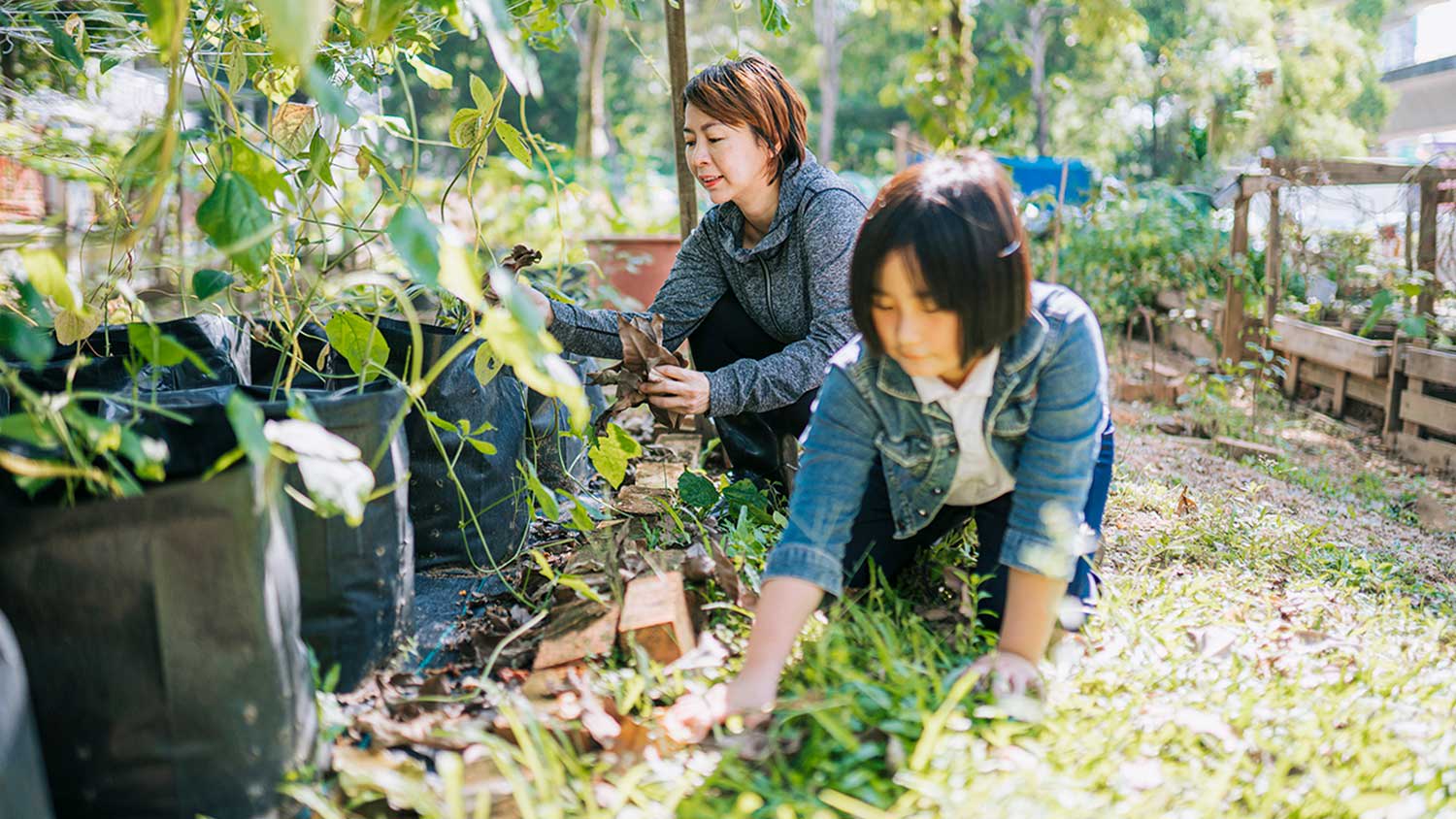
As winter comes to close and the weather warms up, follow these 10 tips to clean up and prepare your landscape, yard, and patio for spring sun and blooms.

Wondering what to do in your garden in the fall? Before the winter months come, you’ll want to make sure to perform some essential tasks like mulching your beds and planting bulbs to ensure a beautiful garden in the spring.
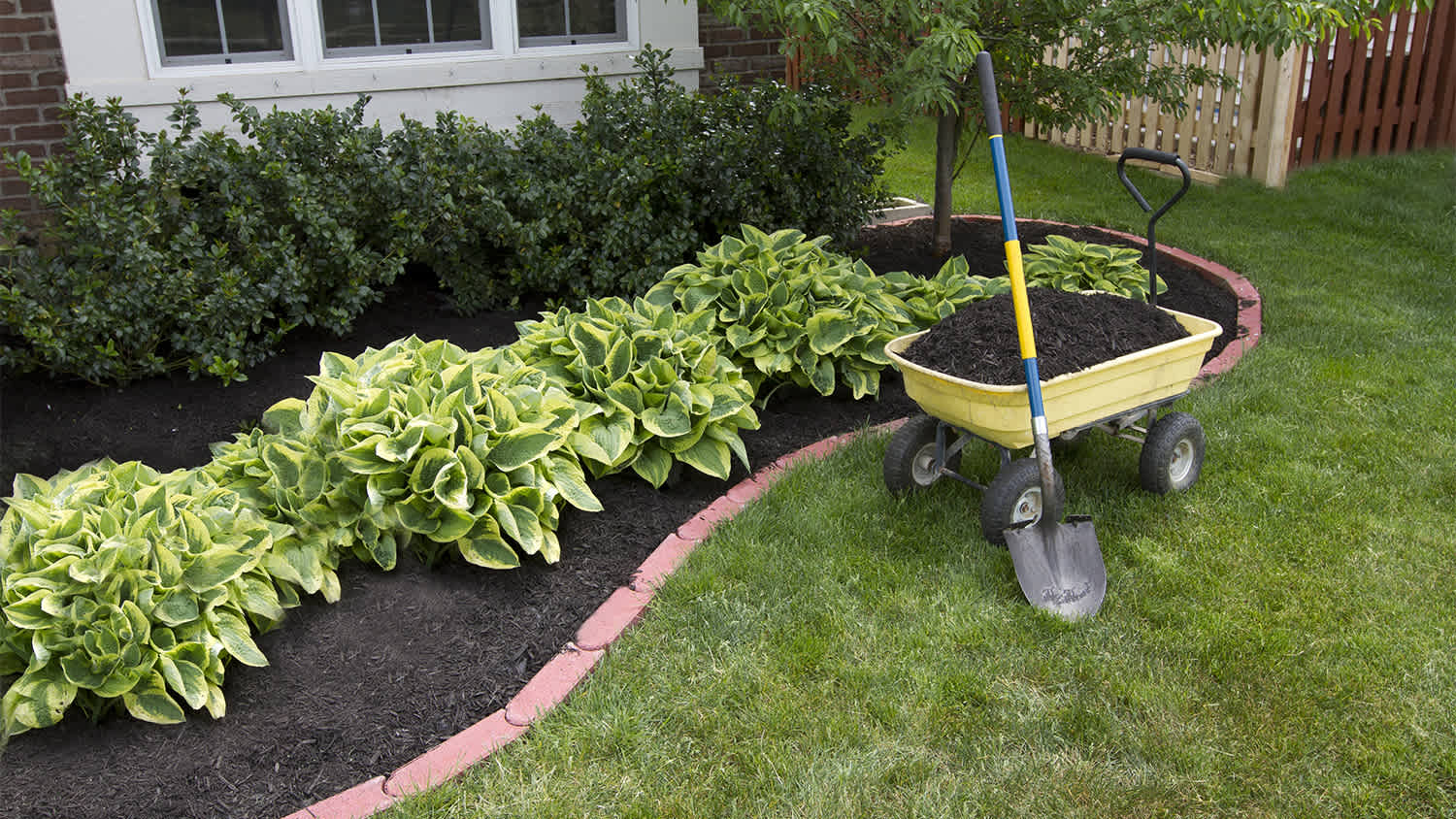
Not thinking about your landscaping project just yet? We’re here to plant a seed and get things going. Learn why now is the perfect time to spring into action.
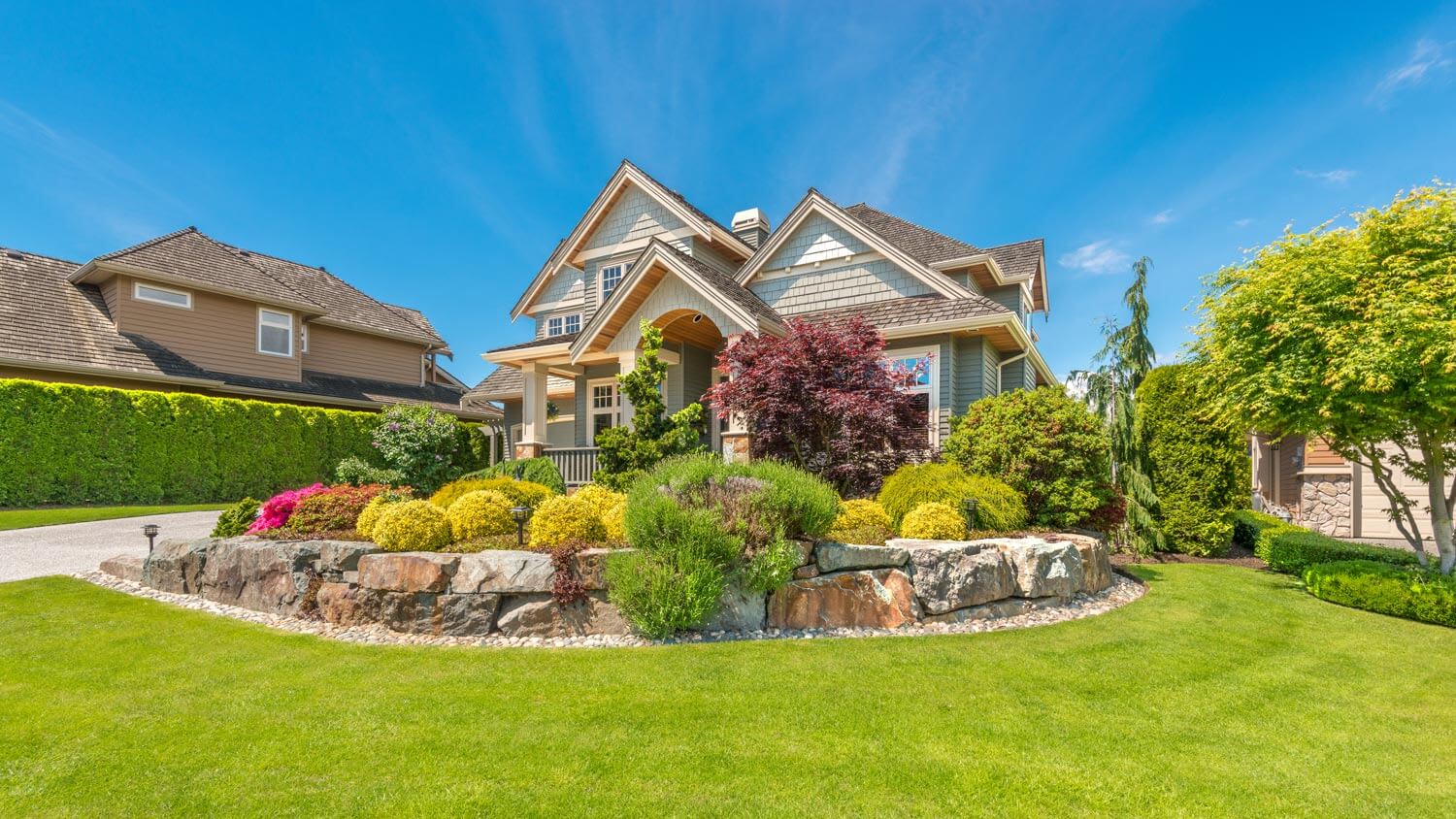
A lush landscape design is key for building your dream outdoor space. From focal points to native plants and planning, find out pro-level landscaping tips.
If you started gardening during the pandemic, now's the perfect time to build on that foundation and turn your garden into a bountiful food source for you and your family.