
•
Discover the cost to regrout shower, including average prices, key cost factors, and tips to help you budget for a fresh, watertight shower.
Freshen up on the latest and greatest bathroom tile options

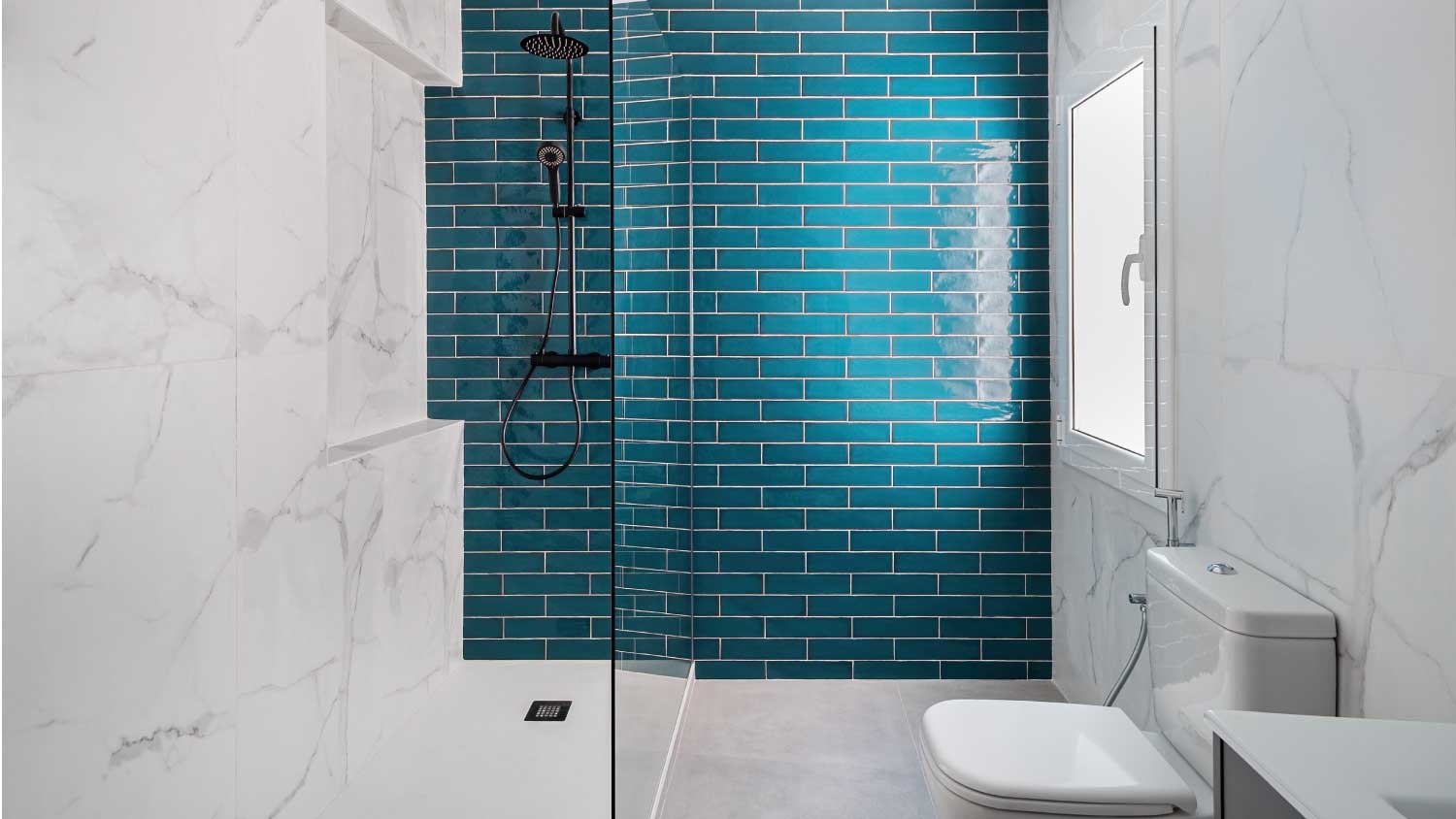
Porcelain and ceramic tiles are the most popular bathroom tiles for a shower because they resist moisture well, cost less than natural stone, and come in many colors and sizes.
Expect to pay $280 to $340 for professional bathroom tile repairs, while material costs range from $0.50 to $300 per square foot depending on your tile choice.
Choose smaller tiles or textured options like slate for your shower floor, as they provide better slip resistance and keep you safer during daily use.
Hiring a local tile professional removes the guesswork from complex installations and ensures your shower stays watertight with proper tile layout, grout work, and sealing.
The best tile for a shower is porcelain. We recommend it because it resists water, holds up for years, and works with almost any style.
Your ideal pick also depends on the surface. Large tiles suit walls, while small, textured tiles grip better on wet floors. Choosing the best tile for shower walls and floors comes down to water resistance, slip resistance, and upkeep.
Use this table to compare popular shower tiles side by side. Costs come from Angi's tile cost data and reflect materials only, before installation. Angi data shows shower tile spans a wide range, from $0.50 per square foot for basic ceramic to $300 for high-end marble.
| Tile | Best For | Cost per Sq. Ft. | Slip Resistance | Upkeep |
|---|---|---|---|---|
| Porcelain | All-around walls and floors | $3–$10 | Good when textured | Low |
| Ceramic | Lower budgets and walls | $0.50–$15 | Moderate | Low |
| Slate | Non-slip floors | $5–$15 | High | Seal yearly |
| Travertine | Natural look and floors | $3–$15 | High when tumbled | Seal often |
| Pebble | Spa-style floors | $30–$40 | High | More grout to clean |
| Marble | High-end walls | $7–$300 | Low | Seal every 6 months |
| Glass | Accent walls and mosaics | $5–$15 | Low on large pieces | Low |
| Quartz | Modern, low-porosity look | $45–$75 | Low | Low |
For most showers, porcelain is the best all-around pick. Choose textured mosaics or pebbles for grip, ceramic for a lower budget, and natural stone if you accept regular sealing.
Walls stay drier than floors and take less abuse, so you have more freedom here. We recommend large-format porcelain and ceramic subway tiles. Bigger tiles mean fewer grout lines, which means less scrubbing later.
Fewer grout lines also make it easier to keep shower grout clean over time. For a high-end look on a budget, marble-look porcelain copies the veining of real stone without the sealing. Save true marble and glass mosaics for accent strips or a feature wall.
Shower floors need grip and drainage. Small tiles, such as 2-inch mosaics, hexagons, or penny rounds, add grout lines that channel water and boost traction. A matte or textured finish beats a polished one on any wet floor.
For more surface options, see our guide to the best tile for a bathroom floor.
Slip resistance has a rating called DCOF, or dynamic coefficient of friction. The ANSI A137.1 standard calls for a DCOF of 0.42 or higher on wet floors. Check this number on the tile's spec sheet before you buy.
Textured slate, tumbled travertine, and small mosaics clear this bar with ease. Polished marble and large glossy tiles fall short on floors, so keep them on the walls.
If you are weighing one factor above the rest, let's start here.
Porcelain wins for low upkeep. It absorbs almost no water, resists stains, and needs no sealing. Pair it with larger tiles to cut down on grout cleaning.
We recommend textured mosaics, pebbles, or tumbled stone for the most grip underfoot. Their many grout lines and rough surfaces hold traction even when the floor is wet.
Ceramic runs $0.50 to $15 per square foot, the widest budget range of any option, per Angi's cost data. It cleans easily and suits walls well, though the glaze chips more than porcelain.
Marble and quartz deliver a luxury finish. Marble runs $7 to $300 per square foot and needs sealing every six months. For the look with less work, choose marble-look porcelain instead.
Here is how the main shower tile materials compare on cost and care. Prices reflect Angi cost data for materials only.
Porcelain: Water absorption under 1% with strong durability, at $3 to $10 per square foot.
Ceramic: Easy to clean and affordable, at $0.50 to $15 per square foot, though less durable than porcelain.
Travertine: A natural limestone that grips when tumbled, at $3 to $15 per square foot; seal it often.
Granite: A hard natural stone best for walls, at $5 to $15 per square foot; seal it yearly.
Slate: Naturally textured and non-slip, at $5 to $15 per square foot; limited to gray tones.
Pebble: Spa-like and slip-resistant, at $30 to $40 per square foot, with more grout to clean.
Glass: Stain-resistant mosaic that cleans easily, at $5 to $15 per square foot; use smaller pieces on floors.
Marble: A luxury stone with rich veining, at $7 to $300 per square foot; seal it every six months.
Quartz: Engineered, non-porous stone, at $45 to $75 per square foot for tiles.

The right tile balances your budget, your bathroom size, and how much cleaning you want to take on. Weigh these three design factors before you buy.
Match tile size to your bathroom and your cleaning tolerance. Large-format tiles, such as 12x24 inches, suit bigger showers and cut grout lines to scrub. Small mosaics fit tight spaces and shower floors that need grip.
For compact spaces, see our picks for the best tile for a small bathroom.
The pattern shapes the whole look. Popular options include staggered offset, herringbone, vertical stack, and one-third (1/3) offset. Vertical layouts make a shower feel taller, while herringbone adds movement.
Neutral tones stay timeless and hide soap film. White and gray subway tiles suit almost any bathroom. For warmth, choose sand or greige stone-look porcelain.
When you compare shower tile, check how much water it absorbs. This tells you how well it stands up to a wet shower. We use the ANSI A137.1 ratings below.
Impervious: Absorbs under 0.5% of water and is the best fit for showers; porcelain sits here.
Vitreous: Absorbs 0.5% to 3% of water and is a solid choice for shower walls.
Semi-vitreous: Absorbs 3% to 7% of water and is better for drier spots than shower floors.
Non-vitreous: Absorbs over 7% of water; skip it inside a shower.
Your shower tile has to be waterproof to last, so the work behind the tile matters as much as the tile itself. We recommend hiring a pro to handle waterproofing, slope, layout, and sealing so your shower stays leak-free.
Consider hiring a local tile professional for the install. If you plan to tile a shower yourself, budget for fixes too. Angi cost data puts a professional bathroom tile repair at $280 to $340.
Terrible experience. Walls/trim/floors/cabinets/doors all have drip marks, overspray, etc. Tiling at the fireplace had to be redone by another vendor due to incorrect and shoddy install by Profect. Contractor had his children in our house while he was on site without prior authorization or...
 Profect painting & exteriors
It was wonderful working with Yordy and his team. They were very professional and are experts in what they do. They have completed the work on time, with better quality and with in fairly reasonable price. We just started with backsplash work , but liking his work, we went on to provide...
 Flooring Solutions
We were having 2”x 2” tile installed . There was a small installation error and the new additional replacement tile was from a different lot and the colors didn’t match. Joe assured us that he would rectify everything , which he did without hesitation. We decided to go with the 18” x 36” tile...
 CarifaTile
For several months I was looking for somebody to tile a wall in my master bath and move lighting fixtures, and could not find anybody who was responsive. I contacted Rowe through Home Advisor and within days they came by to assess the job and provide an estimate. The cost was very...
 Rowe House Development
It went very well! The end product was amazing and we keep getting a lot of compliments from friends! M&E were very professional and they made sure we were happy with the product before leaving. They met with us in our home and at the tile shop to make sure we were okay with our tile and...
 M&E Remodeling
Involved an extensive bathroom remodel, including removing tub & installing walk in shower, new drywall, custome tile work to ceiling, plumbing, etc. Overall, job was done on time and on budget. Nick & his team were very professional and had high attention to detail. Quality was great. Highly...
 Stamos Flooring and Remodeling LLC
Very pleased with the service and level of professionalism. Courteous and very unobtrusive in performing service. Unlike several other companies, Bradford Xteriors was willing to perform work on a three story home with a clay tile roof. <br />
 Bradford Xteriors
This company did a very good job on the brick wall and it looks just amazing. The staff was always professional and was practically OCD on how the bricks were stacked and how they were laid. Although it took longer than expected, I am willing to sacrifice time over perfection anyday. The...
 My Handy Mate LLC Improvement & Remodeling
He did the tile work and he was good at it. He used other subcontractors for the rest of the work (like putting in the cabinetry) and they were okay but not great. He was a great guy! He was easy to work with and had a good eye for the detail of his work. There were a couple of things that I...
 Brian Miller Custom Remodeling
I was very impressed with Miller Cantrell! I live in an old home in which the sewage line that runs from my home to the sewage system is a line of clay tile. These eventually collapse and need to be replaced - an expensive problem and sure to happen at the worst time. I told them that my...
From average costs to expert advice, get all the answers you need to get your job done.
Discover the cost to regrout shower, including average prices, key cost factors, and tips to help you budget for a fresh, watertight shower.
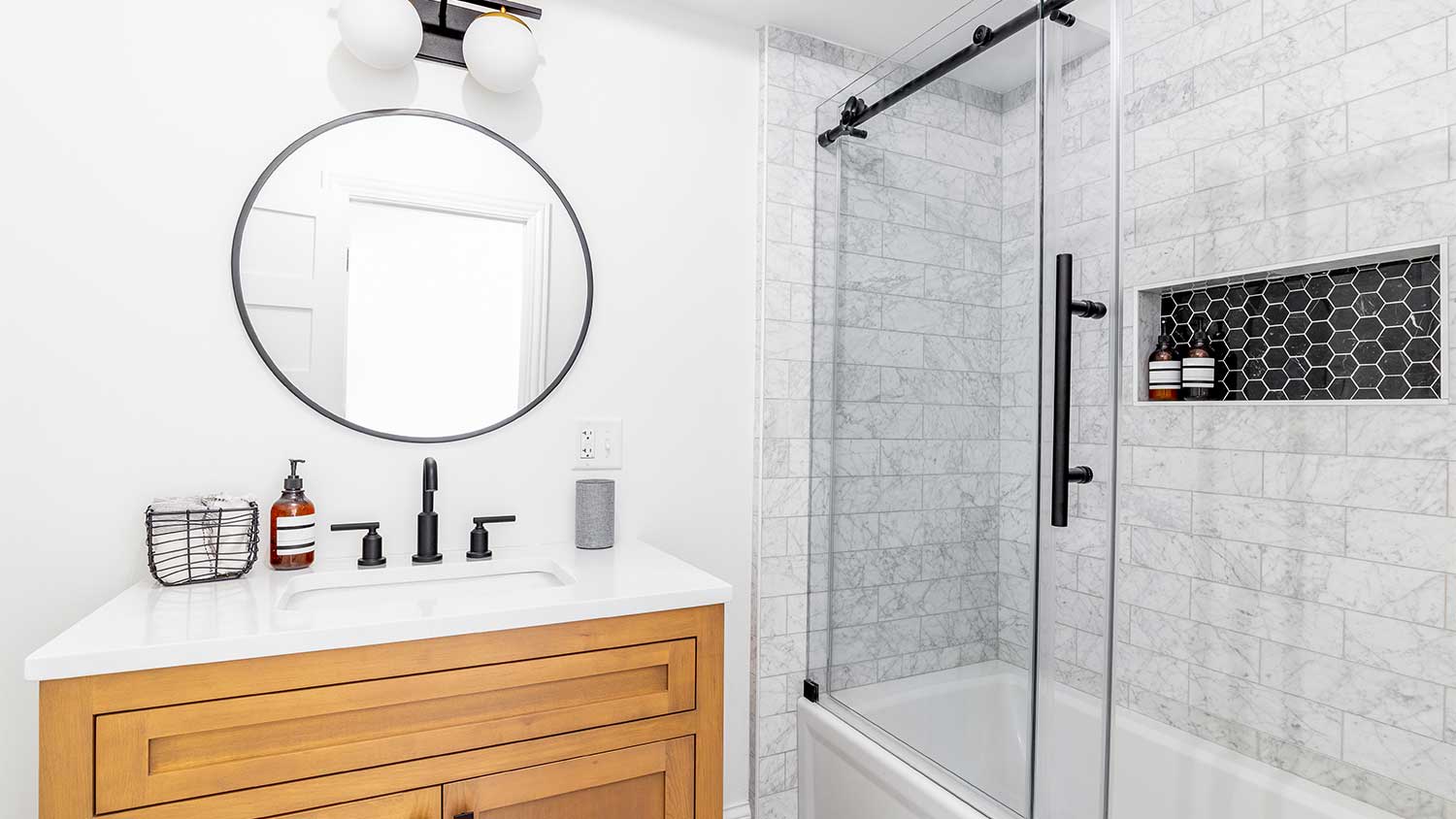
Tiling a shower is an investment in the look and function of your home. This guide explains the factors behind the cost to tile a shower.
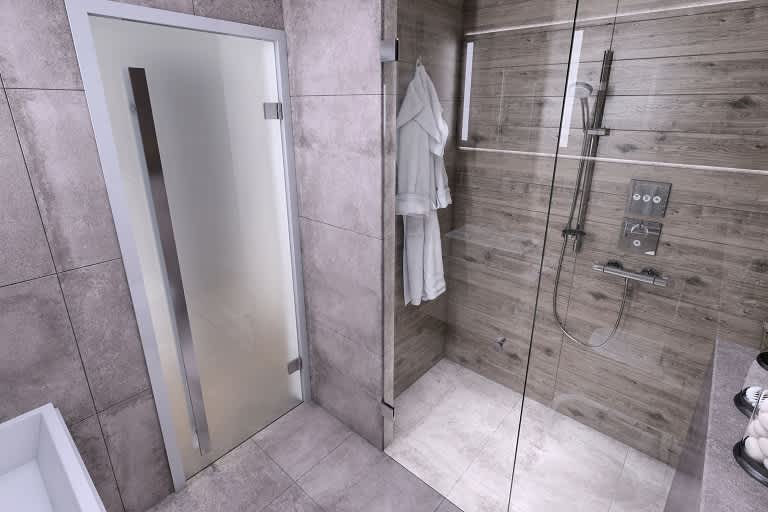
Various factors affect the total tub-to-shower conversion cost, including the size of the area, type of shower, materials, and labor fees.
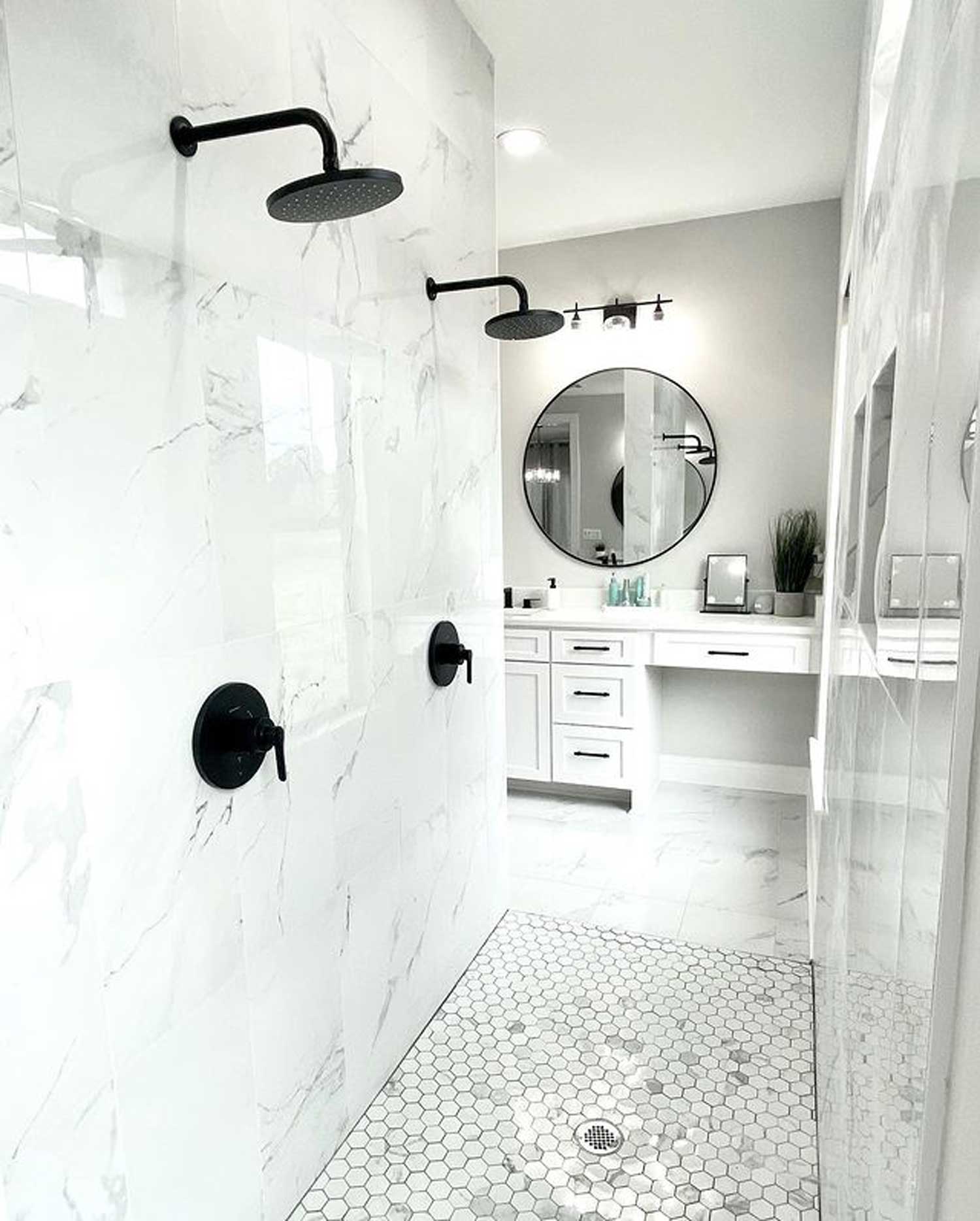
Getting ready to redo your shower and need some shower tile ideas? Here are 29 options for you to consider to give your space a fresh new look.
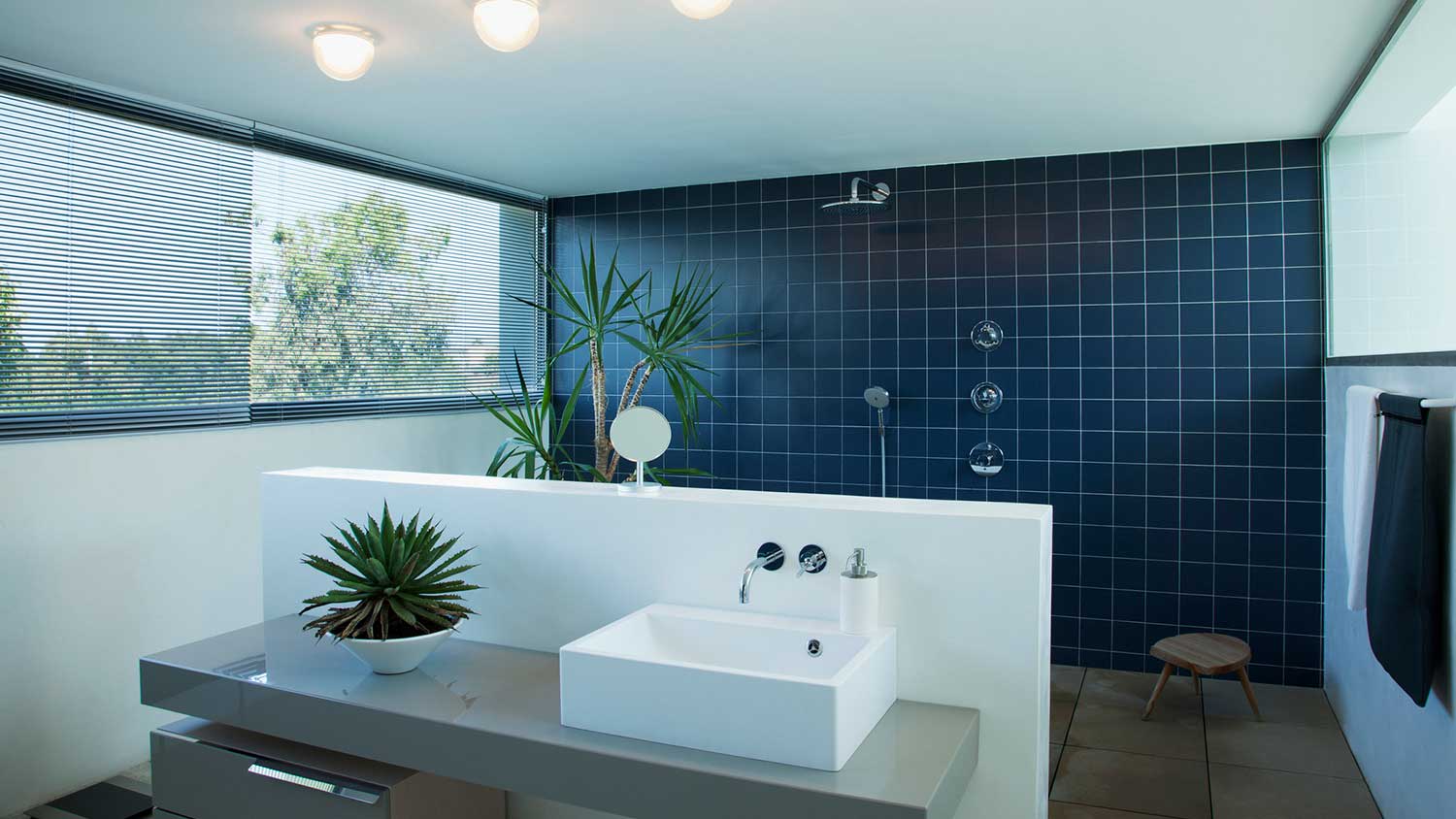
When tiling your shower, it’s important to do the job right. These 10 shower tile installation tips will make the process faster and easier.
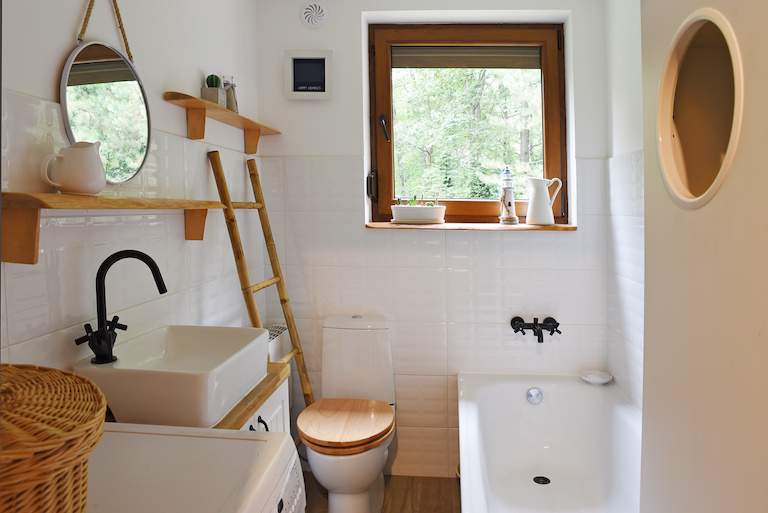
So many tile choices, so much pressure to get it right. This guide shares all you need to know to choose the best tile size for small bathrooms.