
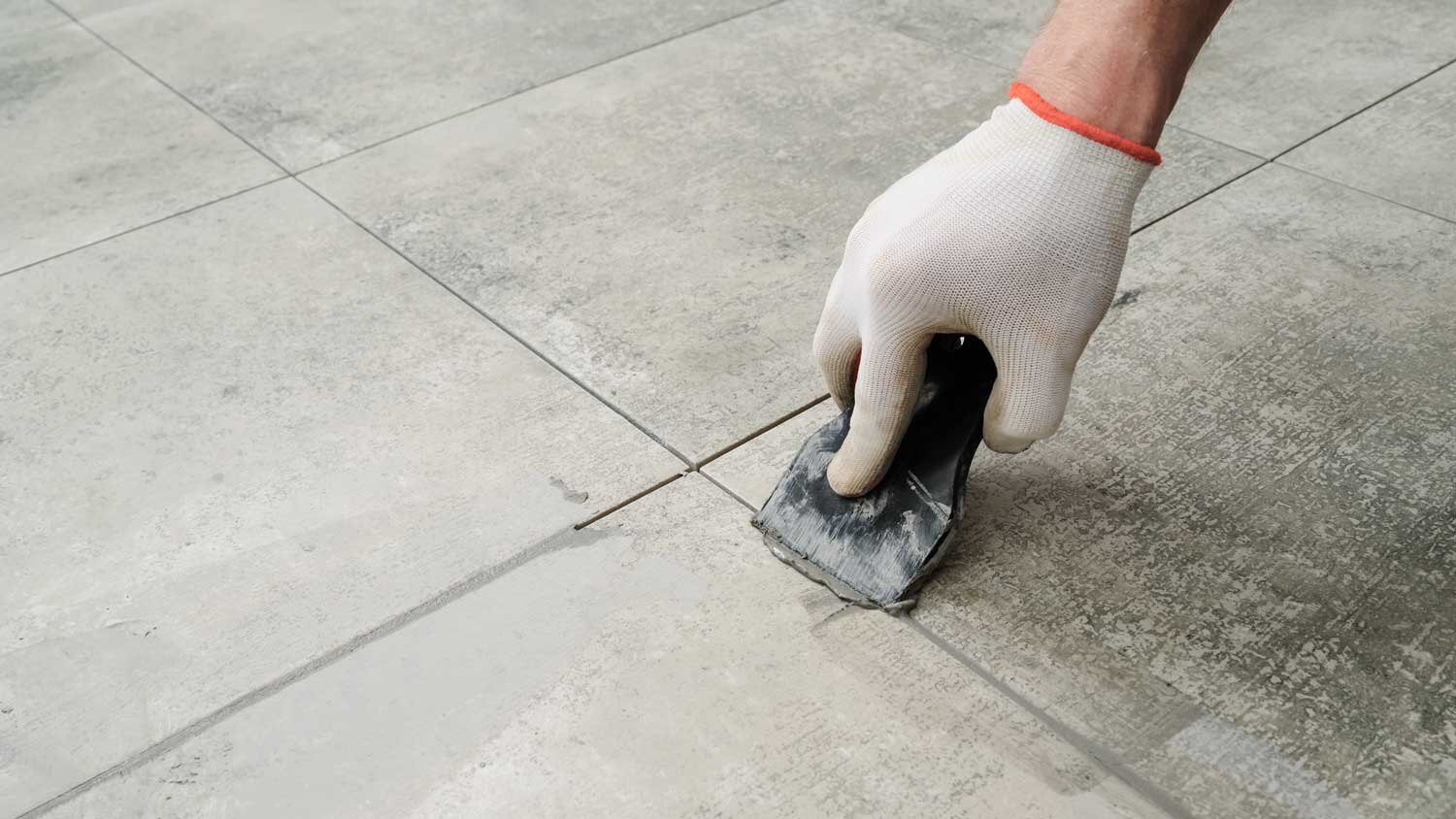
Discover the average cost of grout repair, key price factors, and tips to save. Get expert advice to plan your grout repair project with confidence.
You may need one or both, depending on your project

The difference between grout and mortar matters because grout fills your tile joints, while mortar bonds tile to the surface below.
Grout can crack, stain, or loosen over time, and some types require sealing to prevent water and debris from slipping under your tile.
Mortar installation requires precision, as insufficient mortar allows your tile to loosen and can lead to cracked grout, especially in showers.
Hiring a local tile professional provides reliable guidance on mortar issues and identifying loose or damaged grout before repairs begin.
You’re getting ready to do a masonry or tiling project, and you’re left wondering—do you need grout, mortar, or both? To find out the answer, read on to discover more about grout versus mortar. Knowing the key differences between mortar and grout will help save you time and money and will ensure you get the job done right.
Both grout and mortar are used during the tile installation process. The main difference is that grout fills the gaps between tiles, but mortar is an adhesive that goes underneath the tiles. Because they each serve a distinct purpose, grout and mortar aren’t interchangeable.

Grout is used to fill in the empty spaces between tiles—known as joints—during tile installation. It adds stability and helps hold the tiles in place while also stopping water and debris from getting underneath them. Many types of grout are cement-based, but some kinds have epoxy, acrylic, urethane, or polymer added.
| Pros | Cons |
|---|---|
| Creates a polished look | Can crack, stain, or loosen |
| Available in many colors | Some types require sealant |
| Easy to install | May scratch delicate types of tile |
Best for:
Creating structure and bonding tiles together
Preventing water, humidity, and dirt from settling under the tiles
Enhancing the look of tile walls, floors, countertops, and more
Applying grout makes your tile look more polished and put together, creating a seamless aesthetic on your floor, wall, backsplash, or other tiled surface. Since grout comes in numerous colors, it’s easy to find—or custom-create—a shade that complements your tile.
Grout is pretty easy to work with, too (especially if you buy a pre-mixed product). With a few supplies, materials, and some practice, you can regrout a shower in a weekend.
As grout ages, it can loosen, chip away, and wear down. If you don’t fix cracked grout, you could end up with mold, water damage, or tile breakage. Depending on the kind of grout you have, you may need to reseal it every few years to protect both the grout and the tiles.
Before buying grout, make sure it’s compatible with your specific type of tile. Otherwise, it could damage your tile. For example, sanded grout is coarse and can scratch tiles made from delicate materials (like marble and glass).

Mortar is a masonry material used to hold two materials together. It’s used in tiling projects to bond the tiles to the underlayment. There are several types of mortar used to lay tile, including thin-set and epoxy mortar. Of the two, thin-set mortar is more popular with DIYers because it’s easier to work with and compatible with most types of tile.
| Pros | Cons |
|---|---|
| Strong and durable | Improper installation can damage grout and tiles |
| Has indoor and outdoor uses | Can be challenging to apply |
| Some types are pre-mixed for convenience | May be difficult to repair |
Best for:
Securing tiles to an underlayment
Building chimneys, walls, walkways, and other masonry construction
Improving the appearance of bricks through tuckpointing
Whether you’re applying it underneath tiles or between bricks, mortar is a strong and durable material. It also has a number of uses, including for both indoor and outdoor projects.
There are several different kinds of mortar, which are available in both dry and pre-mixed forms. If you don’t have much experience with mortar, you may find it easier to work with pre-mixed mortar.
In a tiling installation, mortar is quite literally the glue that keeps your tiles in place. As a result, it’s essential to apply it correctly. Otherwise, it could damage your grout or tile. In fact, if you don’t apply enough mortar under your tiles, they can pull away from the underlying surface and cause the grout to crack.
In addition, mortar in masonry applications can be harder to apply than grout. It’s also more challenging to replace without professional help, so call in a tiling expert if you have mortar problems.
Here are the main differences between mortar and grout that you should know about.

When it comes to color, you’ll see that you have a lot more freedom with grout. In fact, you can find nearly any color of grout, especially since you can use grout dye to color your grout.
With that being said, there are color choices for masonry mortar, too—they just tend to be different shades of gray, red, white, black, and tan. There are yellow and pink mortars, too.

Mortar is arguably more durable than grout. In masonry applications, it can hold together very heavy pieces of brick and stone. In tiling applications, it can bond tiles to the wall in a shower and help keep water from seeping in.
But that’s not to say that grout isn’t durable. As long as you choose the right type of grout for your project and install it correctly, it should hold up to wear and tear, spills, and splashing. If you use cement-based grout, applying a sealer every couple of years will help keep it strong.
If you’re the type to DIY your home projects, then you’re probably wondering if it’s easier to install grout or mortar.
While you can certainly learn how to install either grout or mortar, you’ll likely find that grout is easier to work with, especially if you use pre-mixed grout.
Using thin-set or epoxy mortar to install tile can also be a doable DIY project, especially if your floor or walls are in good shape. With some determination and skill, you can learn how to install ceramic tile, for example. For bigger or more complex jobs, it’s best to hire a tile contractor near you.
Generally speaking, it’s much more complicated to use mortar for masonry work like building a brick wall or installing a stone veneer wall.
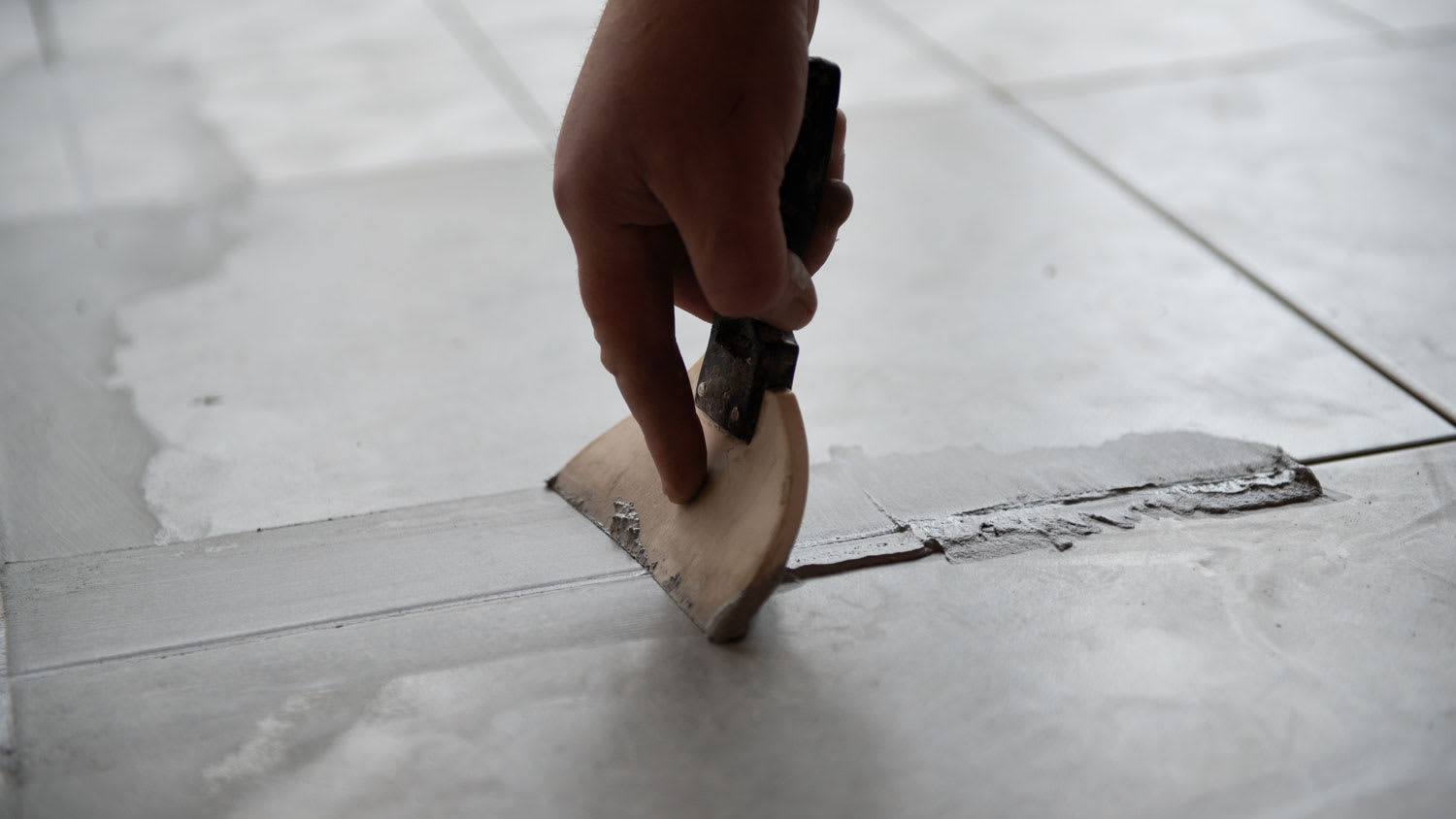
Repairing grout requires you to remove the old grout and install new grout. You’ll need some tiling tools, including a grout sponge.
The process is similar for repointing or tuckpointing mortar used in a masonry project. You need to remove the old mortar, spray down the wall, and then install the new mortar. This process tends to be more difficult than grout repair because removing the old mortar requires you to use an angle grinder and a scraping tool.
Also, it’s important to know the difference between mortar that should be repaired or not. Certain issues like loose, spalling, or damaged bricks point to more serious issues that can’t be fixed with repointing. If you’re unsure, always call in a pro before moving forward with a DIY job.
Grout lasts 15 to 20 years, but mortar used in masonry lasts 20 to 30 years. To help your grout and mortar achieve the longest life span possible, you should ensure they’re correctly installed, maintain them properly, and make any necessary repairs promptly.
Terrible experience. Walls/trim/floors/cabinets/doors all have drip marks, overspray, etc. Tiling at the fireplace had to be redone by another vendor due to incorrect and shoddy install by Profect. Contractor had his children in our house while he was on site without prior authorization or...
 Profect painting & exteriors
It was wonderful working with Yordy and his team. They were very professional and are experts in what they do. They have completed the work on time, with better quality and with in fairly reasonable price. We just started with backsplash work , but liking his work, we went on to provide...
 Flooring Solutions
We were having 2”x 2” tile installed . There was a small installation error and the new additional replacement tile was from a different lot and the colors didn’t match. Joe assured us that he would rectify everything , which he did without hesitation. We decided to go with the 18” x 36” tile...
 CarifaTile
For several months I was looking for somebody to tile a wall in my master bath and move lighting fixtures, and could not find anybody who was responsive. I contacted Rowe through Home Advisor and within days they came by to assess the job and provide an estimate. The cost was very...
 Rowe House Development
It went very well! The end product was amazing and we keep getting a lot of compliments from friends! M&E were very professional and they made sure we were happy with the product before leaving. They met with us in our home and at the tile shop to make sure we were okay with our tile and...
 M&E Remodeling
Involved an extensive bathroom remodel, including removing tub & installing walk in shower, new drywall, custome tile work to ceiling, plumbing, etc. Overall, job was done on time and on budget. Nick & his team were very professional and had high attention to detail. Quality was great. Highly...
 Stamos Flooring and Remodeling LLC
Very pleased with the service and level of professionalism. Courteous and very unobtrusive in performing service. Unlike several other companies, Bradford Xteriors was willing to perform work on a three story home with a clay tile roof. <br />
 Bradford Xteriors
This company did a very good job on the brick wall and it looks just amazing. The staff was always professional and was practically OCD on how the bricks were stacked and how they were laid. Although it took longer than expected, I am willing to sacrifice time over perfection anyday. The...
 My Handy Mate LLC Improvement & Remodeling
He did the tile work and he was good at it. He used other subcontractors for the rest of the work (like putting in the cabinetry) and they were okay but not great. He was a great guy! He was easy to work with and had a good eye for the detail of his work. There were a couple of things that I...
 Brian Miller Custom Remodeling
I was very impressed with Miller Cantrell! I live in an old home in which the sewage line that runs from my home to the sewage system is a line of clay tile. These eventually collapse and need to be replaced - an expensive problem and sure to happen at the worst time. I told them that my...
From average costs to expert advice, get all the answers you need to get your job done.
Discover the average cost of grout repair, key price factors, and tips to save. Get expert advice to plan your grout repair project with confidence.
Discover the differences between epoxy grout versus cement grout and choose the best option for your tiling project. Learn about pros, cons, and ideal uses.
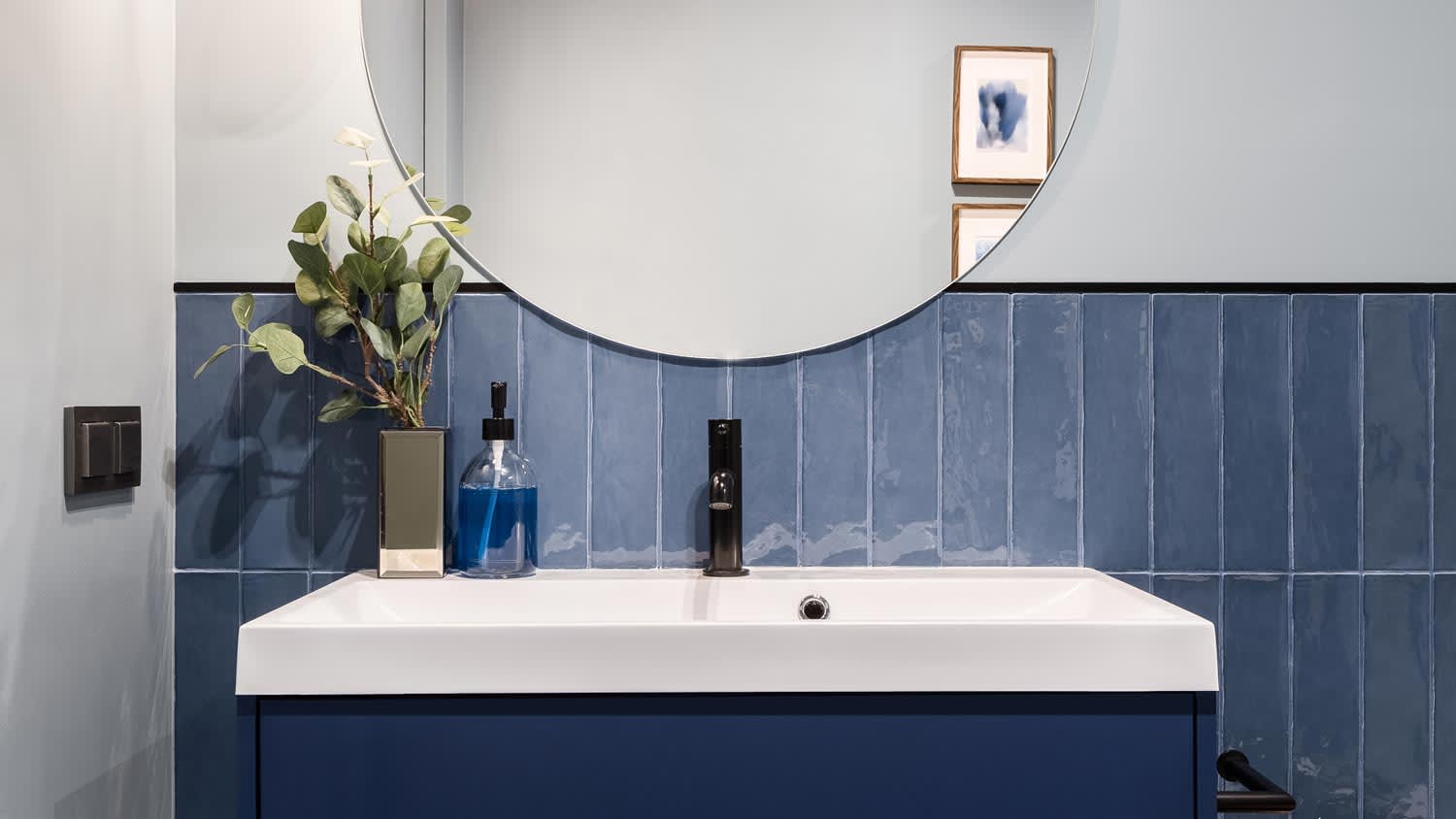
Find out what happens if you grout tile too soon and learn tips to avoid this costly mistake in this guide.
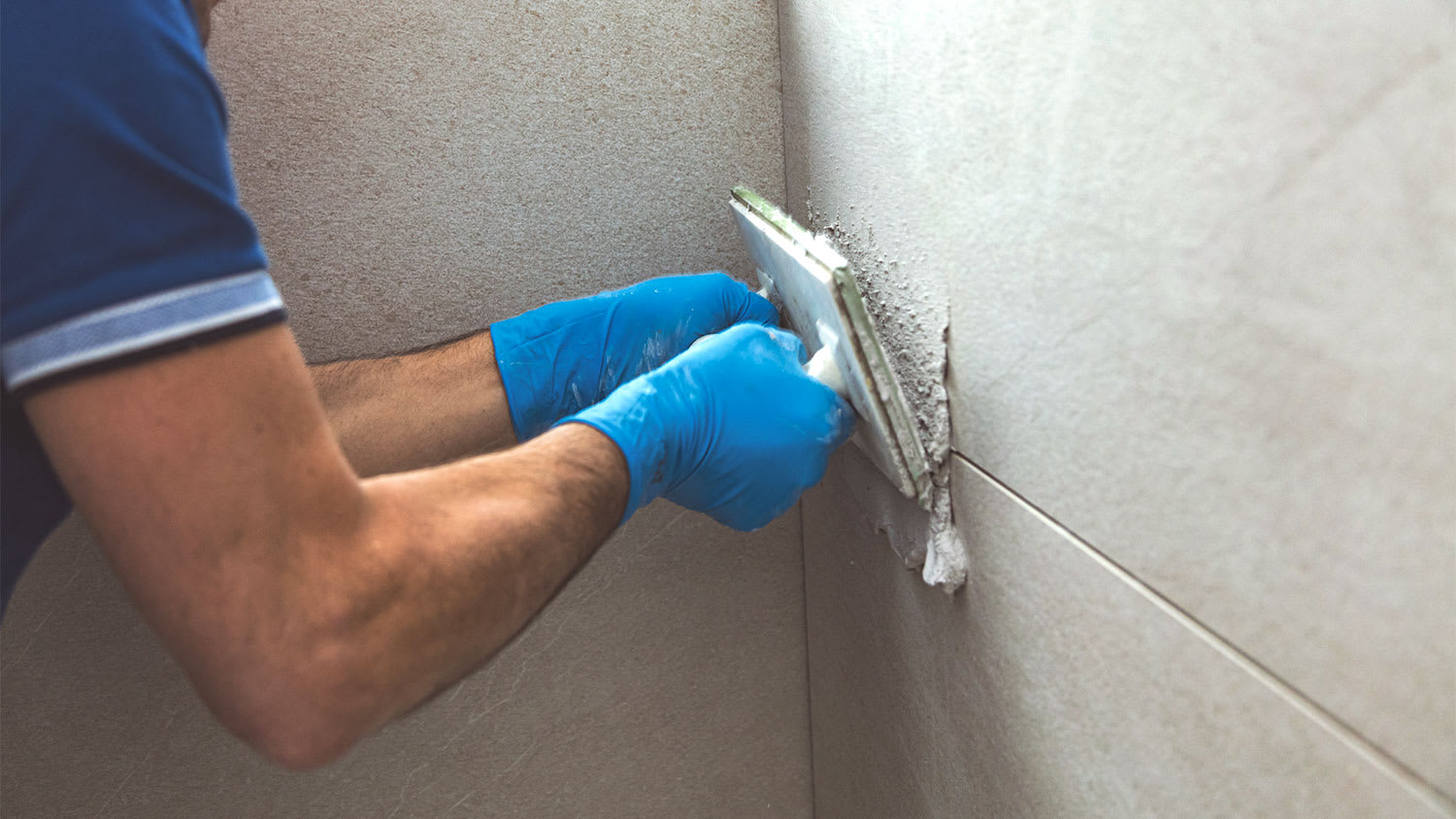
Discover the many differences between sanded vs. unsanded grout so you can choose the right type for your next tiling project.

Keep your bathrooms and kitchens looking their best by learning how to clean floor tile grout in this complete guide.
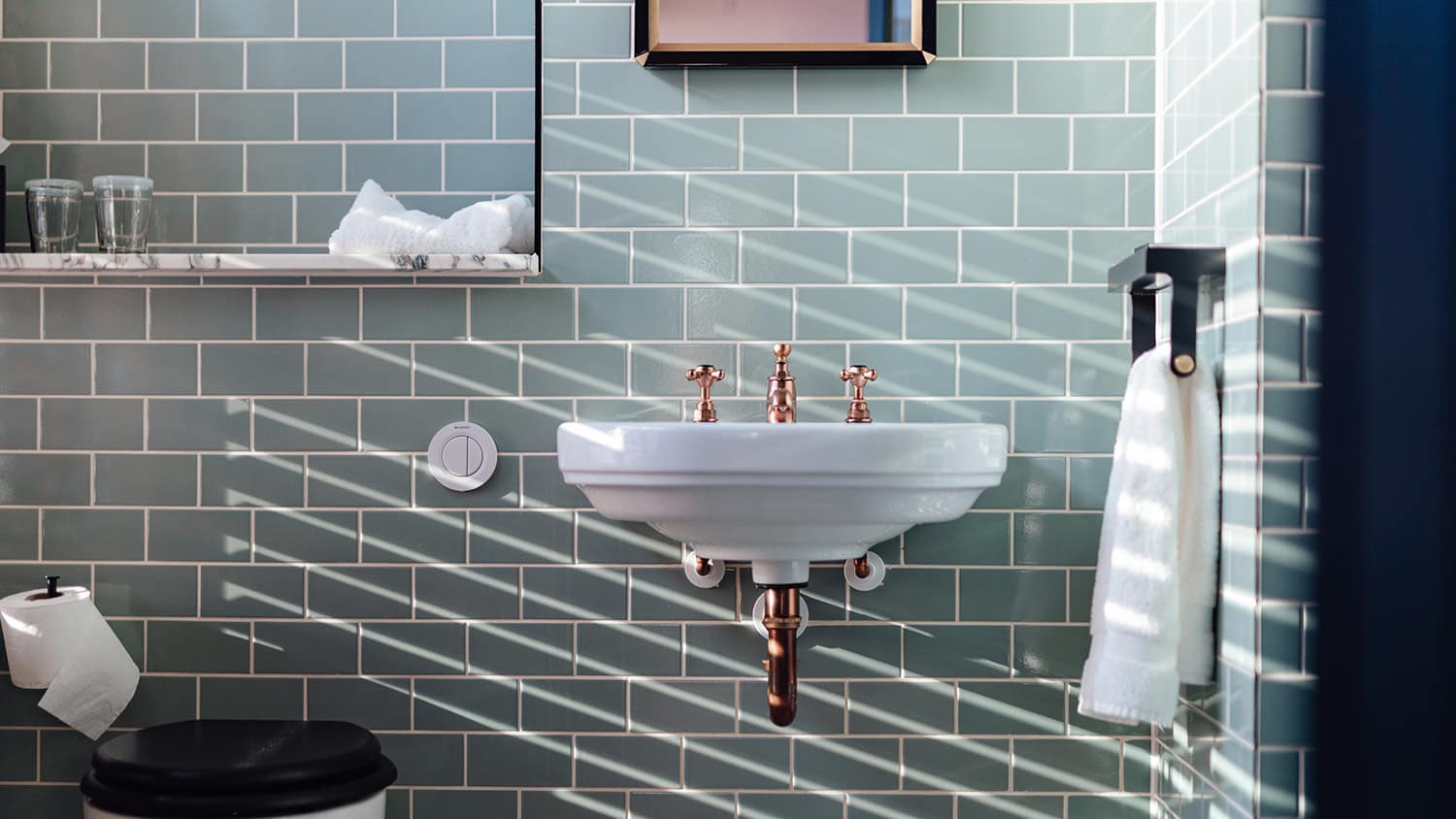
Confused about how to choose between grout vs. caulk for your home improvement project? This simple guide explains when to use which and why.