
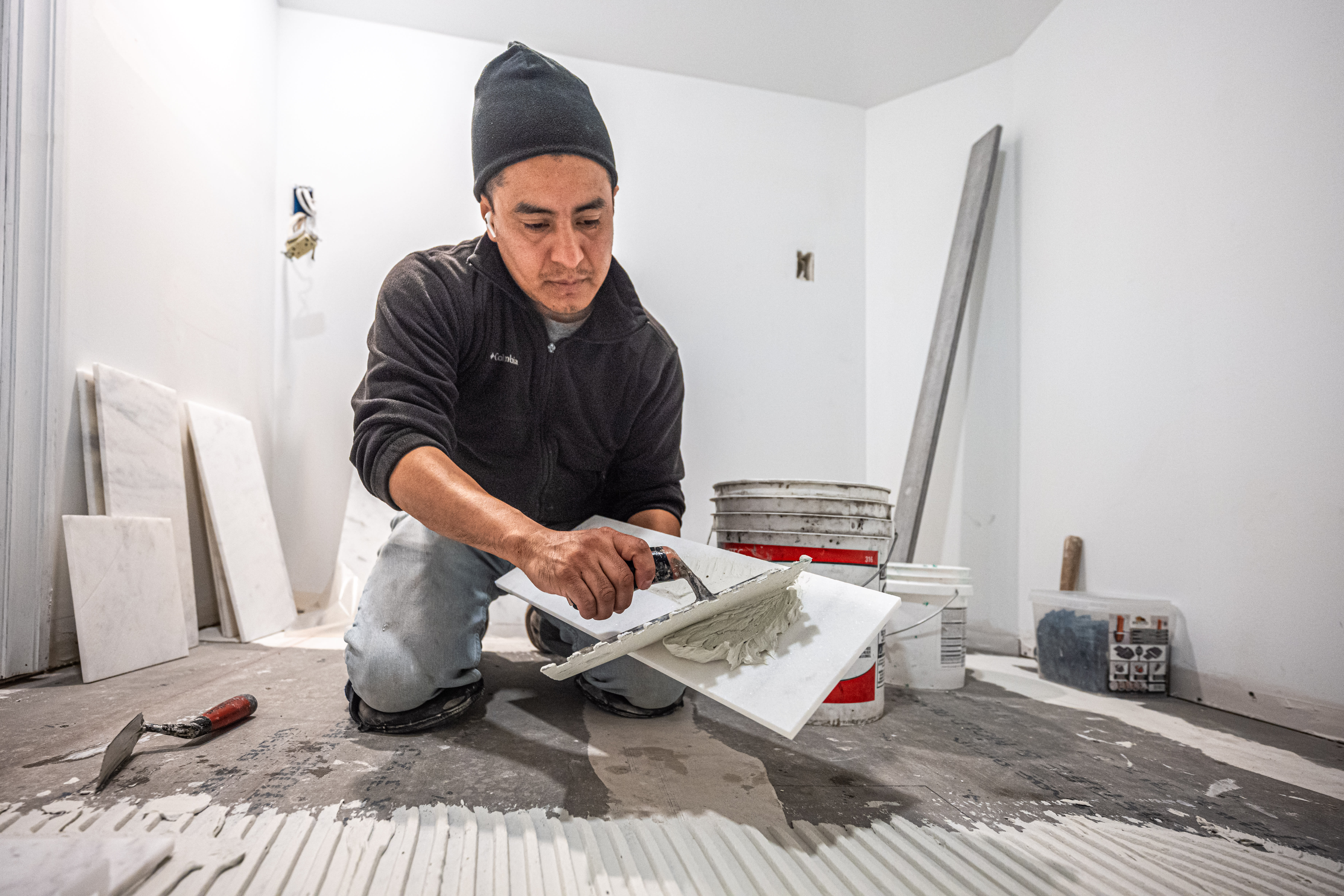
Find out how much you can expect your tile floor installation to cost depending on a range of factors, including tile type.
Choosing the right size tile spacers is critical to making your bathroom look perfect

Spacers for subway tile create consistent grout lines and keep tiles from chipping, with sizes ranging from one-sixteenth inch for a seamless look to one-eighth inch for standard spacing.
Your bathroom tile spacing depends on whether your tiles include built-in lugs, how even your wall surface is, and the finished look you want to achieve.
Lay out your tiles with spacers before adhering them to confirm your design works, starting from the center and working outward to avoid mistakes before setting anything permanently.
Hiring a local tile professional removes the guesswork from spacing decisions and grout selection, keeping your bathroom installation on track with proper measurements and consistent results.
Laying new bathroom tile is either a perfectionist's dream or their absolute nightmare. Tile spacers may look simple, but they play a key role in avoiding uneven grouting for both professional and DIY tile installation jobs.
Here are the top things to consider when choosing the right tile spacers for your bathroom floor, wall, sink, or shower.
So, what are these little plastic x's and t's that can make or break your tiled bathroom? A tile spacer creates a consistent look on a floor, wall, or countertop when you're laying out your design or adhering it to a surface. Tile installers use them to ensure your tiles fit the space and offer the right aesthetic before setting them down for good.
It may be tempting to adhere your tiles without leaving room for grout. After all, it's easier to achieve a uniform look without large grout lines in between each tile.
But grout has more responsibility than what initially meets the eye. This filler material protects against dirt, water, and bacteria from getting trapped between the tiles and breaking them down over time. It also keeps the tiles from bumping up against one another and breaking, especially in busy rooms like the family bathroom.
If you're tackling this project on your own, you'll encounter five main types of tile spacers at the hardware store:
X-shaped spacers
TAVY spacers
T-shaped spacers
U-shaped spacers
Wedge spacers
TAVY and x-shaped spacers provide a checkerboard look to a wall or floor. The spacers sit at the corners of where four tiles meet. TAVY tile spacers are very similar to their x-shaped sibling, but include a ring around the x, making them easier to remove from the adhesive. T-shaped spacers are also similar, but offer more flexibility for the edge of the room or for installing irregularly shaped tiles.
Wedge and u-shaped spacers are typically used for countertops and wall tiles. For example, wedge spacers—which look like small door stops—ensure the adhesive dries evenly when tiles stack on top of one another.
The biggest question you'll encounter when picking a tile spacer is: How much space do you want between your tiles?
In some cases, the decision is made for you. Certain tiles include what are known as lugs—basically built-in spacers. You'll spot these on wall and backsplash tiles. Tiles on vertical surfaces have to stack very closely together for stability, so the tiles come with a small protrusion that sets the space itself.
Outside of lugs, you have some design freedom to play around with. Professionals consider the size of the tiles, the desired look, and the evenness of your floor or wall surface when determining what size to use. Here are the most common uses for each space tile size.
The pros prefer grout lines around one-eighth of an inch or larger for most small-to-medium floor tiles. The space is large enough to keep the tiles from rubbing together—which can cause them to chip—but still offers a clean and uniform look.
In some cases, a tile installer will use larger floor tile spacers to increase the traction of the bathroom floor for safety.
Abnormally shaped tiles work best with a larger grout line to avoid an inconsistent look. You can go as far as half-inch tile spacers for a mosaic design, for example. Handmade tiles are also a great example, as these tiles often include minor inconsistencies. A small grout line is a dangerous idea in case uneven tile edges end up touching.
On the other hand, some tile designers prefer a thin line between large tiles—think 18 by 18 inches—to give the appearance of one clean floor. However, always read the instructions from your manufacturer before choosing a thin spacer for larger tiles.
As we noted above, your bathroom wall tiles already include small lugs that tell you how far apart you should space them. If not, stick to wall tile spacers between one-sixteenth and one-eighth of an inch.

As a general rule of thumb: the larger your grout lines, the more sand in your grout. Smaller grout lines can handle a low-sand concentration, but larger spaces need the extra support.
That being said, you'll likely end up using synthetic grout for your bathroom tiles since it's a high-traffic and high-humidity area. You should also avoid sand-heavy grout for delicate materials like marble that scratch easily.
Grout comes in a full range of colors and can even match your tiles exactly. However, be wary of white grout for a paler tile color. The grouting will stain and fade over time, especially on your bathroom floor where you're consistently hopping in and out of the shower.
Last but certainly not least, consider your finishing look before choosing the size and style of your tile spacer. How much grout do you want to see? If you opt for thicker lines—a popular choice on your bathroom floor—choosing contrasting grout and tile colors creates a signature look of its own.
Prefer to see as little grout as possible? Keep this in mind when shopping for bathroom tiles. Speak with the manufacturer or a tile designer about choosing a small and consistent tile shape that doesn't require as much support in the grout lines.
One of the best things about spacers for tile is that they can help with the style process and installation. If you're handling the whole project on your own, always lay out your tile design before gluing anything to the floor.
Begin in the middle of the floor and work your way out toward the wall. Place your desired spacers between the tiles as you work. The process allows you to take a step back and confirm the desired look before setting anything—literally—in stone.
There are many things to consider when picking out bathroom tile—material, color, and whether the tile you chose is waterproof, for example—but the space between tiles is just as important. Tile spacers may seem insignificant, but when you're working with something as intricate as tiling, details make all the difference. Avoid having to regrout your bathroom floor by choosing the right spacers and grout the first time around.
If you’d like to hire a pro to take on the job, call a local tile contractor who can transform your bathroom—making your walls and floors both beautiful and practical.
Terrible experience. Walls/trim/floors/cabinets/doors all have drip marks, overspray, etc. Tiling at the fireplace had to be redone by another vendor due to incorrect and shoddy install by Profect. Contractor had his children in our house while he was on site without prior authorization or...
 Profect painting & exteriors
It was wonderful working with Yordy and his team. They were very professional and are experts in what they do. They have completed the work on time, with better quality and with in fairly reasonable price. We just started with backsplash work , but liking his work, we went on to provide...
 Flooring Solutions
We were having 2”x 2” tile installed . There was a small installation error and the new additional replacement tile was from a different lot and the colors didn’t match. Joe assured us that he would rectify everything , which he did without hesitation. We decided to go with the 18” x 36” tile...
 CarifaTile
For several months I was looking for somebody to tile a wall in my master bath and move lighting fixtures, and could not find anybody who was responsive. I contacted Rowe through Home Advisor and within days they came by to assess the job and provide an estimate. The cost was very...
 Rowe House Development
It went very well! The end product was amazing and we keep getting a lot of compliments from friends! M&E were very professional and they made sure we were happy with the product before leaving. They met with us in our home and at the tile shop to make sure we were okay with our tile and...
 M&E Remodeling
Involved an extensive bathroom remodel, including removing tub & installing walk in shower, new drywall, custome tile work to ceiling, plumbing, etc. Overall, job was done on time and on budget. Nick & his team were very professional and had high attention to detail. Quality was great. Highly...
 Stamos Flooring and Remodeling LLC
Very pleased with the service and level of professionalism. Courteous and very unobtrusive in performing service. Unlike several other companies, Bradford Xteriors was willing to perform work on a three story home with a clay tile roof. <br />
 Bradford Xteriors
This company did a very good job on the brick wall and it looks just amazing. The staff was always professional and was practically OCD on how the bricks were stacked and how they were laid. Although it took longer than expected, I am willing to sacrifice time over perfection anyday. The...
 My Handy Mate LLC Improvement & Remodeling
He did the tile work and he was good at it. He used other subcontractors for the rest of the work (like putting in the cabinetry) and they were okay but not great. He was a great guy! He was easy to work with and had a good eye for the detail of his work. There were a couple of things that I...
 Brian Miller Custom Remodeling
I was very impressed with Miller Cantrell! I live in an old home in which the sewage line that runs from my home to the sewage system is a line of clay tile. These eventually collapse and need to be replaced - an expensive problem and sure to happen at the worst time. I told them that my...
From average costs to expert advice, get all the answers you need to get your job done.
Find out how much you can expect your tile floor installation to cost depending on a range of factors, including tile type.
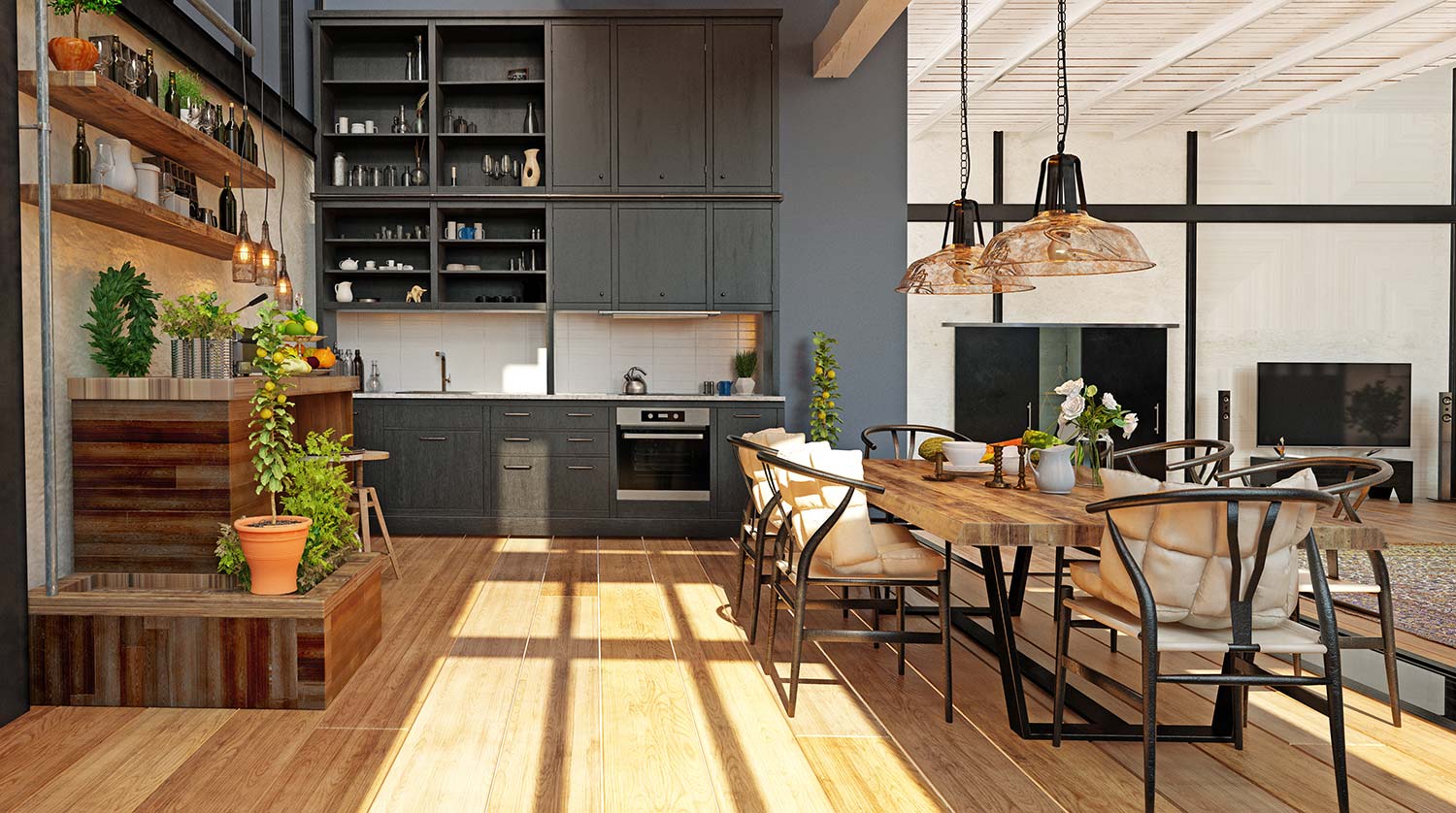
Discover the true wood tile flooring cost and learn about installation, labor, and material prices, plus tips to save on your wood tile flooring project.
Discover the cost to install a heated bathroom floor. Learn about installation prices, cost factors, and tips to save on your heated bathroom floor project.
Renovating your bathroom? From classic chic to contemporary cool, we’ve got the lowdown on the best tile for shower walls and the greatest shower floor tiles.
Looking for new bathroom tile to freshen up your space? Use this guide to find the best tile for your bathroom floor for appearance, longevity, and durability.
So many tile choices, so much pressure to get it right. This guide shares all you need to know to choose the best tile size for small bathrooms.