
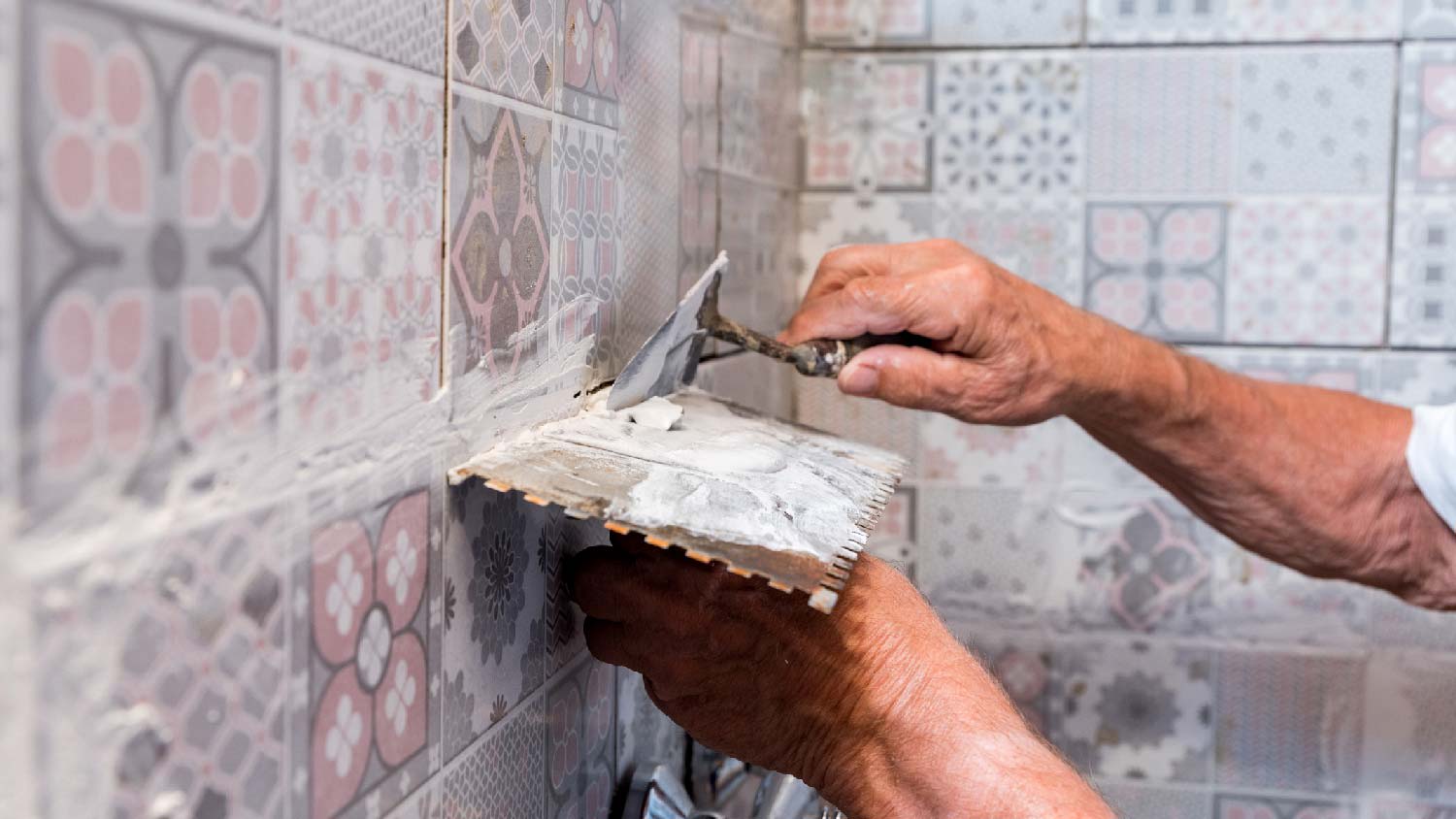
Sealing your grout goes a long way toward extending its life span. This guide breaks down the cost factors for sealing grout, including size, materials, and labor.
Find out what grout is all about

Grout definition covers an aggregate material with a cement or epoxy base that fills joints between tiles to prevent moisture damage and keep your tiles secure.
Unsanded grout costs $5 to $6 per square foot, while epoxy grout costs $8 to $12 per square foot, so choosing the right type affects your project budget.
Sealed grout needs resealing every two years to protect against water damage and staining, especially in high-moisture areas like your bathroom or kitchen.
Hiring a local grout repair professional provides reliable support for fixing damaged or stained grout and completing resealing work to keep your tiles looking great.
When you think of grout, you probably imagine labor-intensive scrubbing between tiles to get kitchen floors or shower walls clean. But what is grout actually used for (besides adding yet another task to your spring cleaning checklist)? Grout is an important component for tiling, especially if you want your tiles to remain in good condition for as long as possible. Let’s explore the ins and outs of grout, from what it does to the different types and more.

Grout is made from a mixture of ingredients with a base made from either cement, known as cementitious grout, or resins, known as epoxy grout. From there, manufacturers mix the cement or resin with other materials, like silica, sand, water, or hardeners, depending on the type of grout.
So now you know what grout is made from, but what’s the purpose of grout? This material acts as a filler to place between tiles. After application, grout takes 24 to 72 hours to dry and cure. This allows the grout to form a hard surface that prevents water or debris from getting behind tiles and causing a moldy mess. Grout also helps prevent tiles from separating from their adhesive that attaches them to walls and floors.
There are many types of grout available today, but two of the most common options include cementitious grout, available sanded or unsanded, and epoxy grout. Different types of grout may work better for certain projects, and you may also consider different grouts depending on whether you’re DIYing tile and grout installation or hiring a pro.
Most types of grout take between 24 and 48 hours to dry. Unsanded grout may need up to 72 hours to dry, whereas epoxy grout requires much less time, around 24 hours. Always check the product info for the most accurate drying times for your product.

Cementitious grout is a grout made from cement as the base. This grout has slightly more flexibility, meaning it can reach deeper crevices between tiles than epoxy grout. It’s also easier to work with than epoxy, making it more DIY-friendly. However, cementitious grout is more porous, making it vulnerable to excessive moisture and staining.
Cementitious grout comes in two options: sanded or unsanded.
Sanded grout is made with cement, water, and sand to create a highly durable grout that better resists shrinking. Because it’s so strong, sanded grout is often recommended for flooring and high-traffic areas. Plus, sand is a low-cost filler, so sanded grout is often less expensive than other grout options.
Sanded grout has a gritty texture, so it may scratch certain tile materials, like marble or glass. It’s also porous and vulnerable to staining, so be sure to add a sealant after applying sanded grout.
Unsanded grout is one of the easiest grout types to work with, so if you plan to DIY new wall tiling on a mudroom wall or behind a bathroom vanity, this option may be your best bet. It’s made with cement, water, and aggregate materials rather than sand, lending it a stickier texture that dries down smoothly.
The sticky yet smooth surface makes unsanded grout great for applying tiles on a vertical surface, like bathroom walls or kitchen backsplashes. It’s also perfect for use with more delicate tiles that would scratch easily, like ceramic or marble tiles.
Epoxy grout is a resin-based option that offers the benefits of being waterproof and mold- and mildew-resistant. Plus, it comes with more consistency in color and is less likely to stain than cement-based grout. Because of the added hardeners, epoxy is extremely durable, making it a good choice for high-moisture areas and high-traffic floors, alike.
However, epoxy does have some limitations. Epoxy grout costs $8 to $12 per square foot, while unsanded grout costs around $5 to $6 per square foot. Mixing epoxy involves a chemical reaction that makes the mixture harder, and if you don’t apply it quickly enough, it can become too hard to apply. It’s best to pay for a pro to handle epoxy grout.

No matter what type of grout you want for your tiling project, you’ll find a wide range of grout color options. There are pros and cons to lighter grouts versus darker grouts to consider when finalizing your grout purchase. For instance, lighter grouts can create a seamless look with lighter tiles, but they can also show stains more easily. Darker grouts blend well with darker tiles or add contrast to lighter-colored tiles, but they are prone to fading.
Ultimately, finding the right grout color will depend on your personal design preferences, but you can consider adding sealant to better preserve the look of whichever grout you choose.
If you opt to use cement-based grout for your tiling project, you’ll also want to budget for grout sealant. Epoxy grout is waterproof, so it doesn’t need sealing. Sealing grout helps protect it from moisture, which can be especially important for more porous types of grout or grout applied in high-moisture areas like kitchens and bathrooms. Sealants can better protect grout from water damage and staining.
You’ll need to apply sealant after installing tile and grout, then reapply sealant to the grout every two years. However, if you’ve already noticed some damage or staining to your tiles, hire a grout repair specialist near you to repair and reseal the grout for a tile job that looks as good as new.
Terrible experience. Walls/trim/floors/cabinets/doors all have drip marks, overspray, etc. Tiling at the fireplace had to be redone by another vendor due to incorrect and shoddy install by Profect. Contractor had his children in our house while he was on site without prior authorization or...
 Profect painting & exteriors
It was wonderful working with Yordy and his team. They were very professional and are experts in what they do. They have completed the work on time, with better quality and with in fairly reasonable price. We just started with backsplash work , but liking his work, we went on to provide...
 Flooring Solutions
We were having 2”x 2” tile installed . There was a small installation error and the new additional replacement tile was from a different lot and the colors didn’t match. Joe assured us that he would rectify everything , which he did without hesitation. We decided to go with the 18” x 36” tile...
 CarifaTile
For several months I was looking for somebody to tile a wall in my master bath and move lighting fixtures, and could not find anybody who was responsive. I contacted Rowe through Home Advisor and within days they came by to assess the job and provide an estimate. The cost was very...
 Rowe House Development
It went very well! The end product was amazing and we keep getting a lot of compliments from friends! M&E were very professional and they made sure we were happy with the product before leaving. They met with us in our home and at the tile shop to make sure we were okay with our tile and...
 M&E Remodeling
Involved an extensive bathroom remodel, including removing tub & installing walk in shower, new drywall, custome tile work to ceiling, plumbing, etc. Overall, job was done on time and on budget. Nick & his team were very professional and had high attention to detail. Quality was great. Highly...
 Stamos Flooring and Remodeling LLC
Very pleased with the service and level of professionalism. Courteous and very unobtrusive in performing service. Unlike several other companies, Bradford Xteriors was willing to perform work on a three story home with a clay tile roof. <br />
 Bradford Xteriors
This company did a very good job on the brick wall and it looks just amazing. The staff was always professional and was practically OCD on how the bricks were stacked and how they were laid. Although it took longer than expected, I am willing to sacrifice time over perfection anyday. The...
 My Handy Mate LLC Improvement & Remodeling
He did the tile work and he was good at it. He used other subcontractors for the rest of the work (like putting in the cabinetry) and they were okay but not great. He was a great guy! He was easy to work with and had a good eye for the detail of his work. There were a couple of things that I...
 Brian Miller Custom Remodeling
I was very impressed with Miller Cantrell! I live in an old home in which the sewage line that runs from my home to the sewage system is a line of clay tile. These eventually collapse and need to be replaced - an expensive problem and sure to happen at the worst time. I told them that my...
From average costs to expert advice, get all the answers you need to get your job done.
Sealing your grout goes a long way toward extending its life span. This guide breaks down the cost factors for sealing grout, including size, materials, and labor.
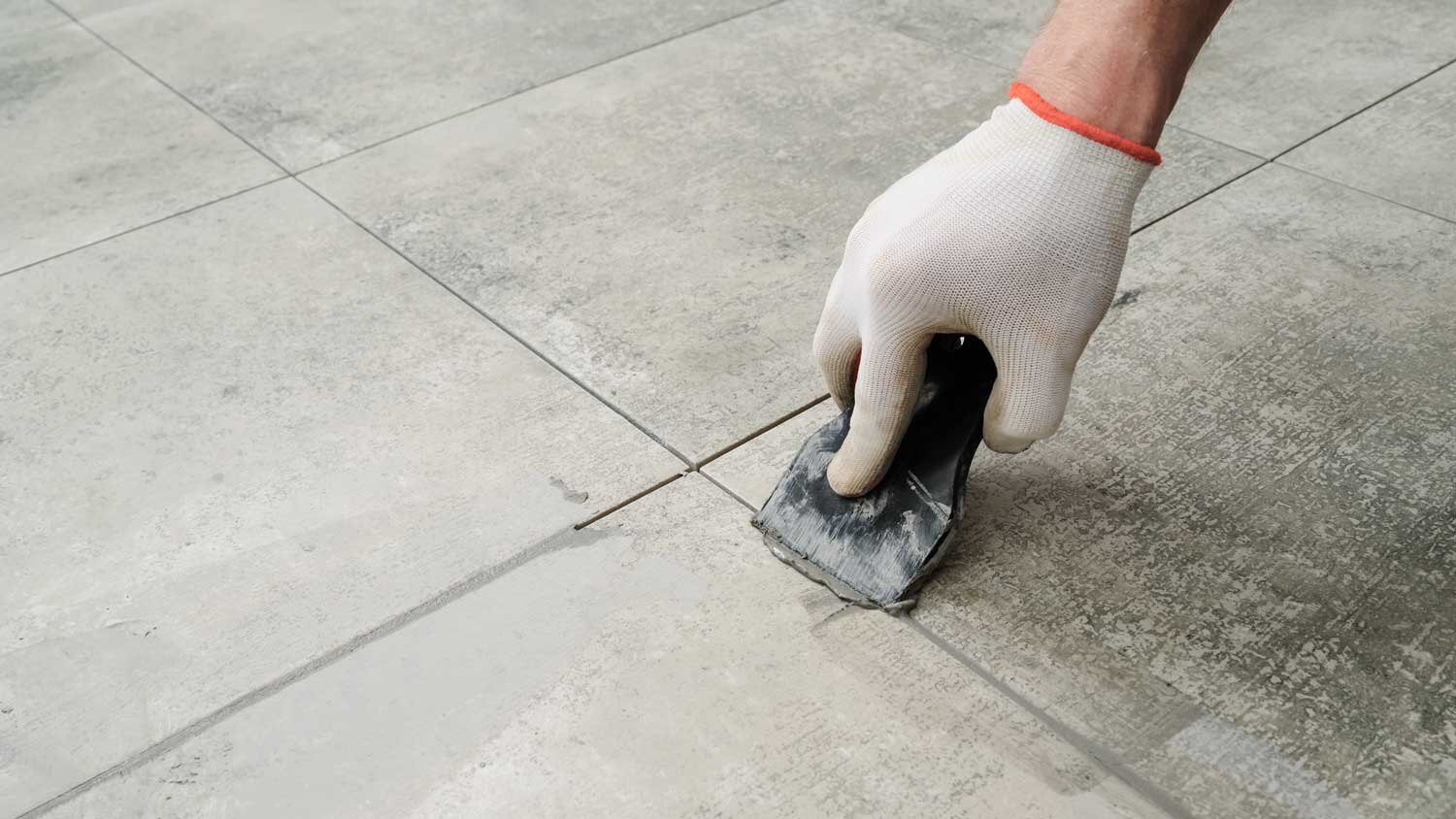
Discover the average cost of grout repair, key price factors, and tips to save. Get expert advice to plan your grout repair project with confidence.
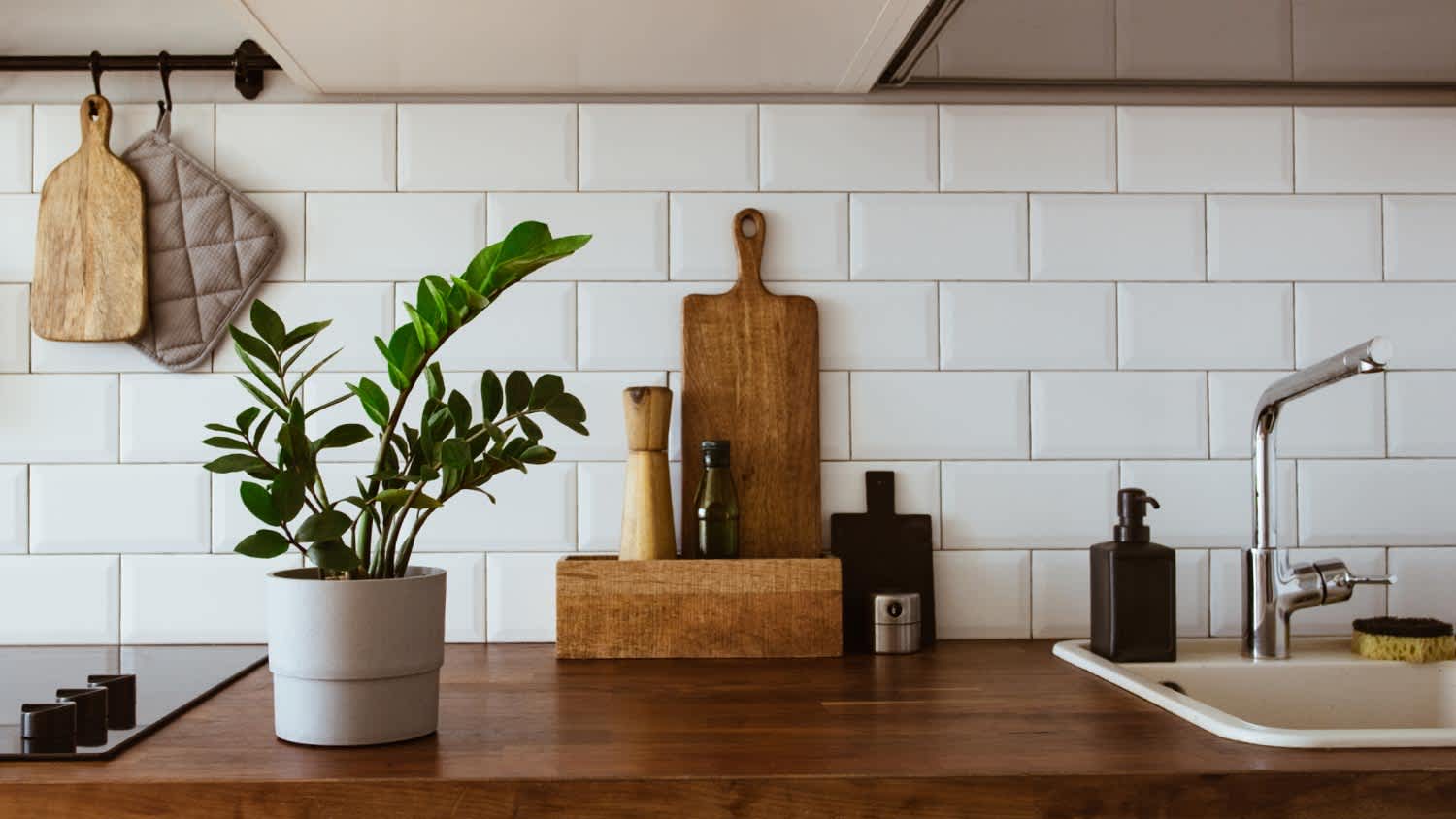
Loose grout can cause loose tiles, mold, and slipping hazards. This guide breaks down common causes of loose grout in your kitchen or bathroom, and how to fix it.
Epoxy grout is a durable, resin-based grout that’s easy to maintain. It’s pricier than cement grout, but it could be ideal for your tile installation.
Find out the differences, pros, and cons of grout versus mortar so you can choose the right one for your next project.
Confused about how to choose between grout vs. caulk for your home improvement project? This simple guide explains when to use which and why.