

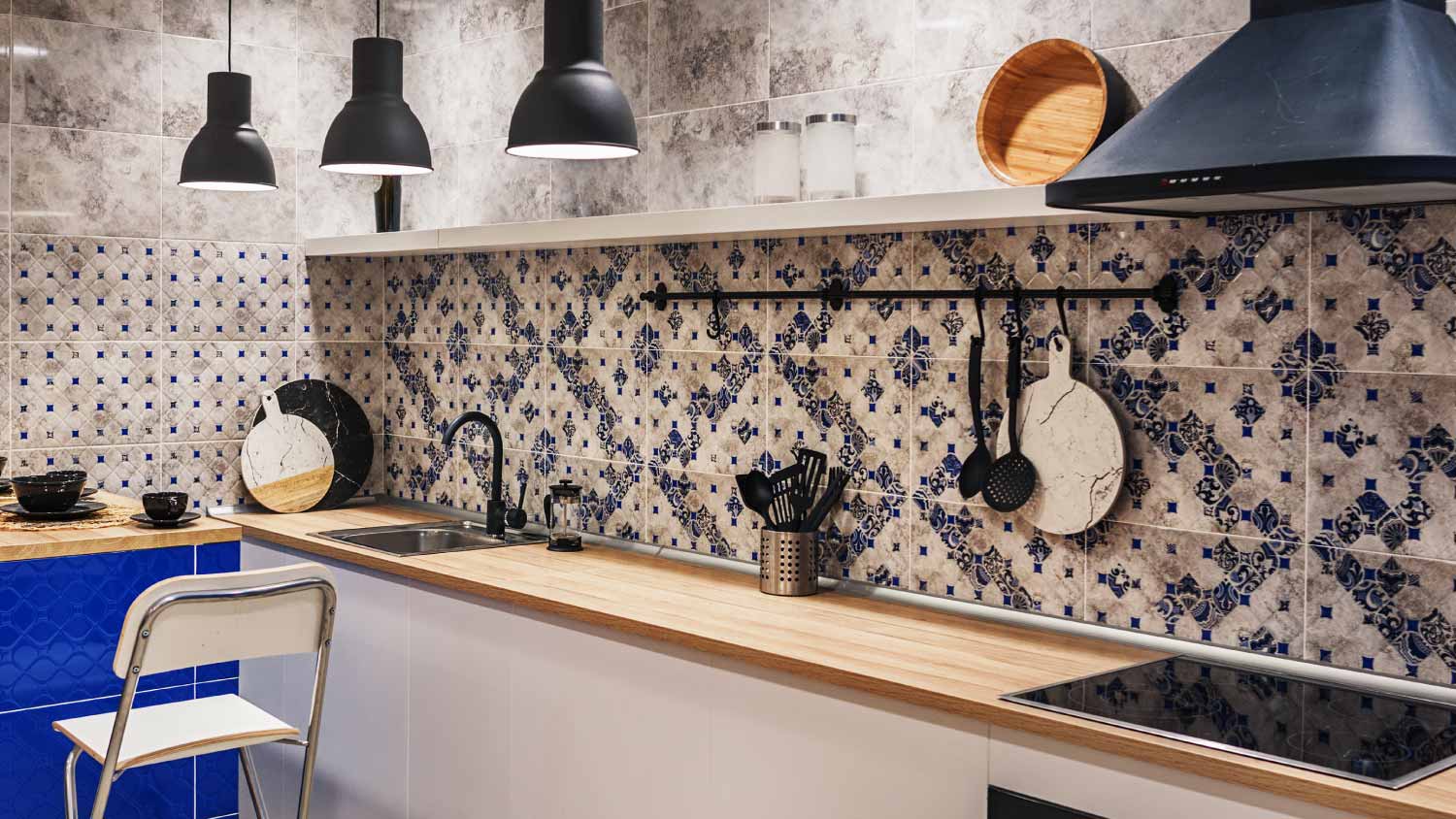
Whether it’s on your floor, walls, or shower, ceramic tile can add style to your space. So, how much does ceramic tile installation cost? Let’s break it down.
Flooring costs depend on your project and location. Check with a local pro for your specific job.

Professional tile removal costs between $100 and $1,300 total, depending on your room size and layout.
Stone, slate, and mosaic tile use stronger adhesive than ceramic or porcelain, so removal takes more labor.
You should budget $200 to $800 for dumpster rental, plus subfloor repairs and $150 to $500 permits.
Hiring a local flooring company provides reliable help with demolition and saves you days of physically demanding work and back pain.
In 2026, the national average cost to remove tile flooring is $560. Most homeowners pay between $320 and $1,120 for the full project, with per-square-foot rates typically ranging from $2 to $7, depending on tile type, room size, and adhesive strength.
Tile removal involves labor, tools, supplies, and disposal—none of which are included in the tile installation cost. Most contractors bundle all these expenses into a single quote, but always confirm before signing a contract.
The size of the area being cleared is one of the biggest factors in tile removal cost, since larger spaces require more labor and time. A small half bathroom will cost significantly less to clear than a full kitchen floor. Keep in mind that many tile removal pros charge a minimum project fee, which can make very small jobs cost more per square foot than the base rate suggests. The table below breaks down the average tile removal cost by square foot:
| Size of Area in Square Feet | Average Cost to Remove in 2026 |
|---|---|
| 20 | $40–$140 |
| 45 | $90–$315 |
| 60 | $120–$420 |
| 100 | $200–$700 |
| 160 | $320–$1,120 |

Tile material significantly impacts removal costs, just as it drives the cost to install tile floor. Ceramic and porcelain tiles are the easiest and most affordable to remove because their lighter adhesives require less force, minimizing the risk of damaging nearby features like tubs, cabinets, or sinks. Conversely, natural stone and intricate mosaic tiles rely on high-strength bonds, making them considerably more labor-intensive and expensive to tear out.
Where your tile is installed affects how much you'll pay to remove it, with easier access translating directly to lower labor costs. Floor tile typically costs more to remove than wall tile because it uses stronger adhesive, bears more weight, and is harder to maneuver around—especially when it runs under cabinets or around fixtures. Wall tile, by comparison, uses less adhesive and is easier to reach without disturbing surrounding areas.
Labor is the largest line item in a tile removal project, and hiring a local flooring installer will cost $2 to $7 per square foot. Rates at the lower end apply to straightforward ceramic or porcelain jobs in open, accessible spaces. Tighter layouts, stronger adhesives, or higher local labor rates push costs toward the upper end of that range.
Disposing of broken tile and debris is a real cost to plan for—renting a dumpster averages $380 per week and can range from $200 to $800, with the fee typically covering hauling and disposal. Many contractors bundle disposal into their overall quote, but that's not universal. Always ask your contractor upfront whether disposal is included so there are no surprises when the final invoice arrives.
You may need to increase your budget if you remove your floor tile and find subflooring issues or water damage. The cost of replacing your subflooring or repairing problems depends on the extent of the damage and what needs to be fixed.
Beyond labor and disposal, several additional costs can affect your total tile removal budget. Site prep, permits, and hazardous material testing are the most common extras homeowners overlook. Here are the additional costs to factor into your estimate:
| Cost Factor | Cost in 2026 |
|---|---|
| Permits | $50–$500 |
| Mold inspection | $300–$400 |
| Mold remediation | $2.50 per square foot |
| Asbestos removal | $5–$20 per square foot |
| Dust-free tile removal | $3.50–$7 per square foot |

This job is best left to a tile contractor near you. You could spend hundreds on tools and safety equipment for DIY tile removal if you don’t already have them, and this is a long, physically demanding job. A pro can finish the work faster than if you DIY, and you’ll save yourself days of work and back pain.
There are several benefits to hiring a pro for tile removal rather than trying to DIY.
Pros have the specialized tools and protective gear to do the job efficiently and safely.
A pro will know what permits you may need and how to apply for them to avoid project delays or penalty fees.
Pros can safely navigate plumbing, appliances, and cabinets without damaging them.
Pros can inspect for mold, asbestos, lead, and other issues, safely handle the affected materials, and help with remediation.
A tiling pro will come prepared with cleanup materials, like a shop vac, to minimize dust and debris.
In addition to removing the old tile, a pro can inspect and repair the subfloor and even help with new tile installation.
Reputable tile contractors are licensed and have insurance coverage, which can help cover costs in the rare event of an accident during tile removal.
To help out with tile removal before a pro comes, you can:
Clear the room of any furniture or other objects that could obstruct the removal.
If you know how to do it correctly, you could remove any sinks, fixtures, or appliances and store them away before the contractors arrive.
Arrange to handle the cleanup yourself, which may involve selling the old tiles, renting a dumpster, or hauling the construction debris to a junk site yourself.
Here are a few ways to save on costs when removing tile:
Bundle your new tile installation and removal with the same contractor
Remove the tile yourself
Recycle or sell the tile instead of disposing of it
Measure the area of the floor where the pro will remove the tile. The pro will also measure, but an up-front estimate means your project quote will be more accurate.
Discuss the type of tile that will be removed and, if you’re installing new tile, talk about what options match your needs and budget.
Inquire about dust-free removal options, or discuss how the team will minimize dirt and debris during removal.
Discuss the project timeline, including how long it will take to install new flooring, if applicable.
Make a plan for the tile waste, and let the pro know if you’re planning to reuse, sell, or donate the tiles.
Home is the most important place on earth, which is why Angi has helped more than 150 million homeowners transform their houses into homes they adore. To help homeowners with their next project, Angi provides readers with the most accurate cost data and upholds strict editorial standards. We extensively research project costs to develop the pricing data you see, so you can make the best decisions for you and your home. We rely on reputable sources, including the U.S. Bureau of Labor Statistics, academic journals, market studies, and interviews with industry experts—all to ensure our prices reflect real-world projects.
Want to help us improve our cost data? Send us a recent project quote to [email protected]. Quotes and personal information will not be shared publicly.
If you’re good people wanting to do business with good people, hire Matt. He is a consummate professional and utterly competent. He installed a water heater in my home at a price that beat competitors by hundreds of dollars with a promise to support the unit for its life (even after its 6 yr...
 Greene's Plumbing Services
Joseph did a great job with the staircase and trim. Timely and efficient, clear communication about the work, very fair pricing. For the stairs in particular, done very skillfully in an old house (1893) in a tight spiral, and very creative with how to do the handrail. Did a nice job with...
 Vouis Trim Carpentry L.L.C.
This company does it right. Firstly, I want to say that Landan was a joy to work with. He was so kind, transparent, and had everything under control. His entire team showed up ready to work and they were all very respectful of the fact that we were in an office space. A little backstory – we...
 Krumlauf Floors
Finished Basements Plus was wonderful from beginning to end! First, they came out quickly for an estimate. I had 4 estimates and theirs was by far the best. (2 of the estimates were more than $20K higher than for the exact same work). Beyond their fair pricing, the work was excellent. They...
 Finished Basements Plus Inc.
Very professional, knowledgeable and helpful! Completed the install on time and as expected.
 Ward's Services
Cole has been handling plumbing and general contracting for our four properties over the past three years, and he’s always done a great job. Most recently, he installed a sink and countertop in our retail store where none existed before, and it turned out exactly how we needed. He’s...
 ANB Renovations LLC
Excellent, Prompt, Courteous Service!!! They were super friendly and quite personable. I felt very comfortable with the gentlemen that did the installation. They installed it exactly where I asked them to and they did an excellent job!! I loved their service so much.
 Tether House
Window Depot did an amazing job installing the windows in my basement! The process from start to finish was by far more than what I expected. I would highly recommend Window Depot if you want professionalism from the the consultation to the installation. Dont settle for mediocre when you can...
 Window Depot USA of Central Ohio
AFS was excellent from start to finish. Jess, the sales associate, was fantastic...very knowledgeable and very professional. The installation crew was excellent. I couldn't be more pleased with the process. Best of all, my new floor looks fantastic!
 America's Floor Source
We were having 2”x 2” tile installed . There was a small installation error and the new additional replacement tile was from a different lot and the colors didn’t match. Joe assured us that he would rectify everything , which he did without hesitation. We decided to go with the 18” x 36” tile...
 CarifaTile
From average costs to expert advice, get all the answers you need to get your job done.
Whether it’s on your floor, walls, or shower, ceramic tile can add style to your space. So, how much does ceramic tile installation cost? Let’s break it down.

Get clear answers on asbestos tile removal cost, including average prices, cost factors, and tips to save money on safe, professional removal.

Tile varies dramatically in price, but there’s something for every budget. This guide will help you plan for tile installation costs, no matter the project.

Porcelain and ceramic tiles aren’t exactly the same. Discover the key differences between porcelain versus ceramic tile, including cost, durability, and more.

Learn how to hire a ceramic tile repair professional with confidence. Discover essential questions, qualifications, and costs to find the right expert for your project.

Ceramic tile as a flooring option boasts a long list of advantages over other surfaces. However, there are also some key drawbacks worth considering. We’ve rounded up both the pros and the cons of ceramic tile into a helpful list.