

Top-rated asphalt driveway pros.

Get matched with top asphalt driveway pros in Falling Waters, WV

Enter your zip and get matched with up to 5 pros

Need a pro for your asphalt driveway service project in Falling Waters, WV?

Select your specific project to find the pro for you.

TRUSTED BY FALLING WATERS, WV HOMEOWNERS

  • Average homeowner rating star icon4.5
    Average homeowner rating
  • Verified reviews icon29
    Verified asphalt driveway services reviews

Find Asphalt driveway pros in Falling Waters

Avatar for Home Pro
Home Pro
5.0(
16
)
Asphalt Paving - InstallAsphalt Paving - Install- For BusinessAsphalt Paving - Repair or Patch+3 more

Serving Falling Waters, WV and surrounding areas

Free estimates

Emergency services offered

Credit card accepted

"Don is extremely polite, knowledgeable, and completed the job in no time. The shutters look fantastic. He washed them and touched up the paint during installation. His price was very reasonable. We will be calling him for our future remodeling projects."
Additional Photos
Additional Photos
Additional Photos
Additional Photos
Additional Photos

+19

Recommended by100%of homeowners
...
Showing 1-10 of 87
Asphalt Driveways questions, answered by experts

Asphalt and tarmac are not the same thing. Traditional tarmac, short for tarmacadam, uses tar as a binder to hold crushed stone together. Asphalt uses bitumen—a byproduct of crude oil—to bind aggregate. Though tarmac was once a go-to for roads, asphalt has become the modern standard. And these days, most surfaces referred to as “tarmac” are actually asphalt. So, while the names may overlap, the key distinction lies in the binder—tar for tarmac and bitumen for asphalt.

The choice between asphalt and concrete depends on your priorities, budget, and climate.

Concrete is generally more durable, lasting up to 50 years with minimal upkeep, and offers more customization options like staining and stamping, which can add more to a home's value. However, it is more expensive upfront and can be prone to cracking in cold climates where water can freeze and expand.
Asphalt is typically cheaper and quicker to install and is easier to repair. It performs better in colder climates. However, it requires more maintenance, including regular resealing, has a shorter lifespan, and can get hot and sticky in intense sunlight.

Ultimately, if durability and long-term value are key, concrete is often the better choice. If upfront cost and performance in cold weather are more important, asphalt may be preferable.

Like all driveway materials, asphalt can crack in the wrong conditions and with age. Many things can cause asphalt to crack, including shifting soil or settling under the foundation. Other common causes are driving oversized vehicles on the asphalt, tree roots, and using rock salt during the snowy season. Proper installation and sealing the driveway every 10 years can help prevent cracks.
Many asphalt companies have experience with tar and chip paving, but not all. The process is unique enough—and not incredibly common enough—that you may have to look around for a tar and chip specialist. However, speaking with a driveway company is a great place to start, especially if they have experience with multiple materials.
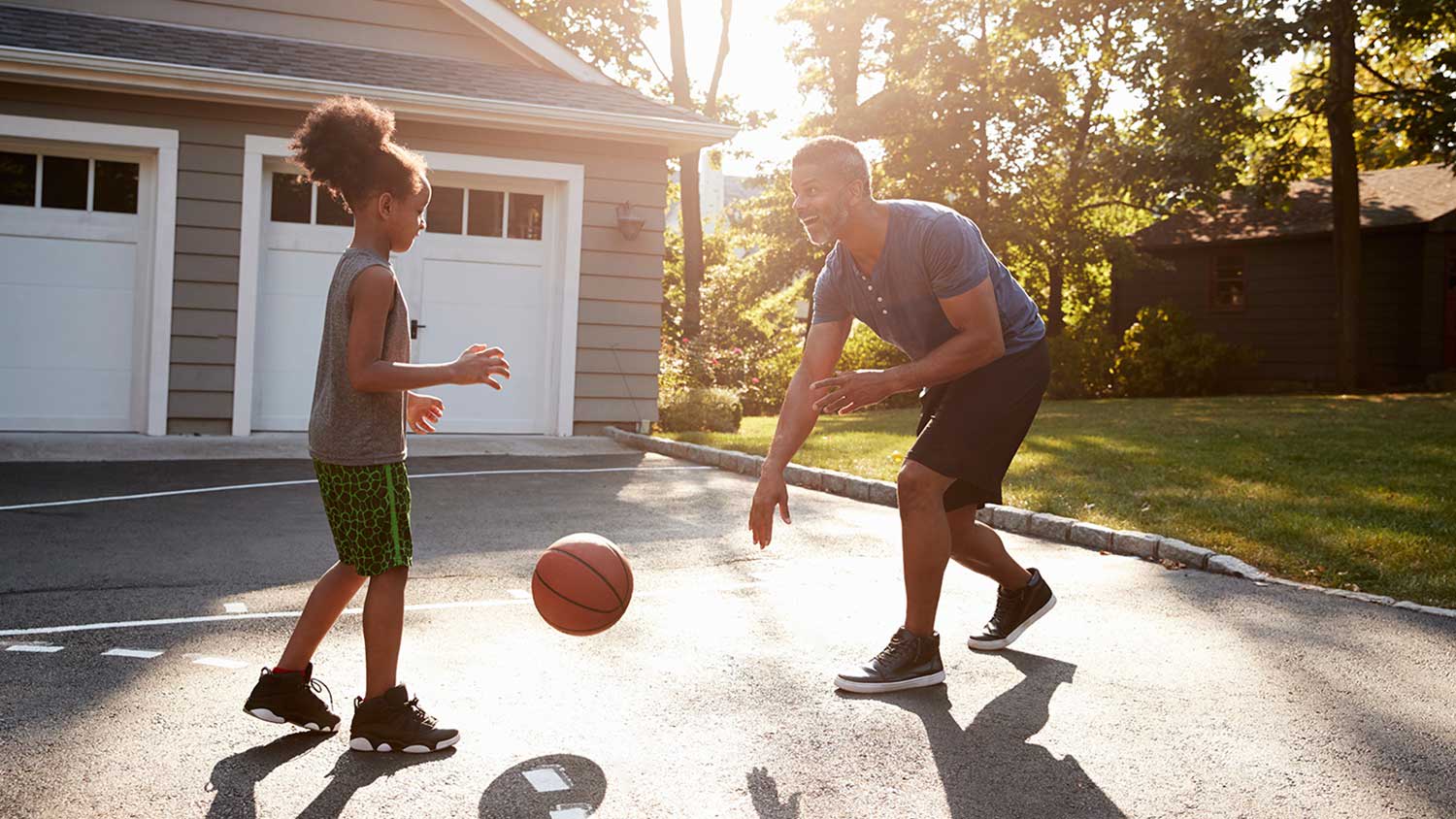
Yes, it is possible to pave over an existing driveway, but whether it's the right choice depends on several factors. If the underlying structure of your current driveway is still strong, concrete or asphalt resurfacing can be a cost-effective way to prolong its life. However, if your driveway has significant issues like potholes, deep cracks, or other inconsistencies, it is best to remove the old driveway and start from scratch. Key factors to consider include the current driveway's condition, the compatibility of the new material, the added thickness and height, and the necessary surface preparation.

The Falling Waters, WV homeowners’ guide to asphalt driveway services

From average costs to expert advice, get all the answers you need to get your job done.