



Top-rated radon detection and reduction specialists.

Get matched with top radon detection and reduction specialists in Bethany, WV

Enter your zip and get matched with up to 5 pros

Need a pro for your radon detection and reduction project in Bethany, WV?

Select your specific project to find the pro for you.

Find Radon detection and reduction specialists in Bethany

Avatar for Webb Property Inspections
Webb Property Inspections
5.0(
11
)
Radon Gas - Testing

Serving Bethany, WV and surrounding areas

In business since 2002

Free estimates

Emergency services offered

"I was very satisfied with the service provided by Webb Property Inspections. From the beginning with Jennifer Cranford to the end with Darius Woods. Jennifer worked with me on getting this scheduled as soon as possible and making sure that I have everything I need to apply for permits, going as far as speaking with the building department. Darius was punctual, professional and thorough with the inspection, even completing it on a Sunday. I couldn’t be happier."
Home Inspection Project
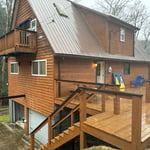
Brand new build inspection (pre-purchase).
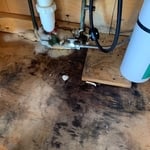
Water leak that has left the home with foreign substance growth.
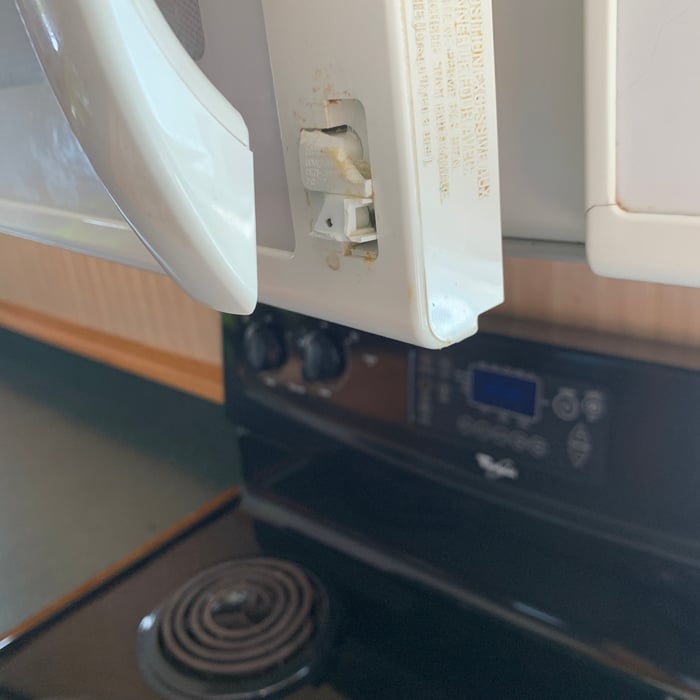
Microwave handle broken.

+35

Recommended by10%of homeowners
Radon Detection and Reduction questions, answered by experts

Long-term exposure increases lung cancer risks. Prolonged homestay individuals and smokers encounter heightened vulnerability and exposure concerns.

The cost for a radon mitigation system typically ranges from $800 to $1,500, with an average around $1,000. The final price depends on several factors, including the size of your home, the severity of the radon issue, and the type of system required. Your home's foundation type also significantly impacts the cost. For example, sealing and ventilating an unfinished basement might cost around $4,600, while encapsulating a crawl space without a foundation slab can range from $1,500 to $15,000.

The average radon mitigation system uses about 876 kWh of electricity per year, although the exact amount of electricity used will vary depending on the size of the radon fan. Once the system is installed, the annual increase to your energy bill could range from $30 to $300 per year, again depending on the size of the fan.

The lifespan of a radon mitigation system depends on the type of system and its maintenance. With proper care, a system can last for many decades. Passive systems tend to last longer as they have fewer components that require replacement. Active systems, which have more moving parts like fans, generally have a shorter lifespan. For instance, water filtration devices and active pressurization systems require more frequent maintenance. While the system as a whole is durable, the radon fan in an active system typically has a lifespan of 5 to 10 years and will need to be replaced. As long as the fan is working, the mitigation system should function correctly.

Radon enters your home when warm air begins to rise and exits through the roof, creating a vacuum that pulls cooler air from under the foundation. Part of that air is radon, which is an invisible, odorless gas that develops naturally when radioactive particles are deep within the ground. Those particles usually come from decaying matter in soil and rocks.

The Bethany, WV homeowners’ guide to radon detection and reduction services

From average costs to expert advice, get all the answers you need to get your job done.