







Top-rated radon detection and reduction specialists.

Get matched with top radon detection and reduction specialists in Newtown, OH

Enter your zip and get matched with up to 5 pros

Need a pro for your radon detection and reduction project in Newtown, OH?

Select your specific project to find the pro for you.

Find Radon detection and reduction specialists in Newtown

Avatar for Simply Radon, LLC
Simply Radon, LLC
4.8(
11
)

Serving Newtown, OH and surrounding areas

In business since 2008

Free estimates

Credit card accepted

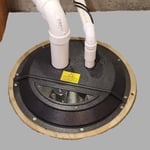
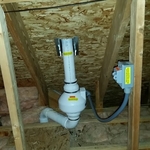
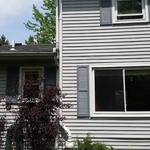
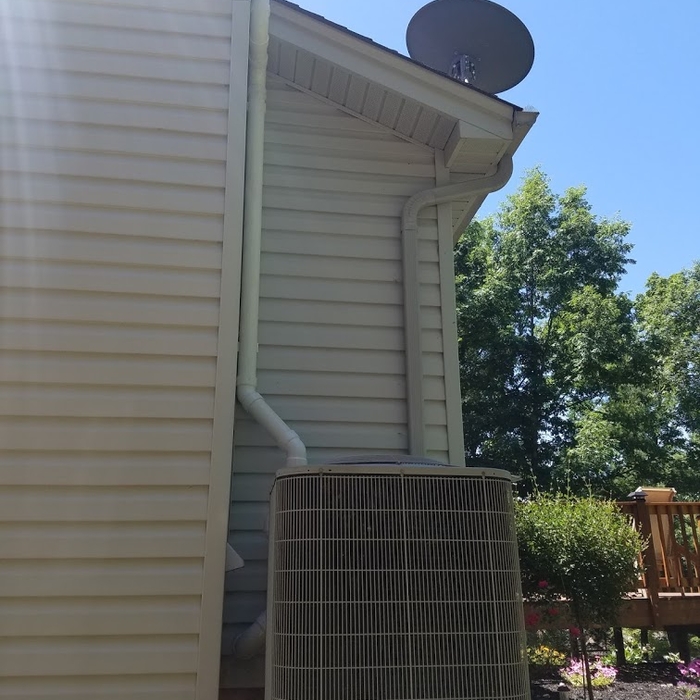
"Our radon system fan needed to be replaced and we were able to get that done the day after I talked to this company. Very quick and courteous service and didn't cost as much as we were anticipating."
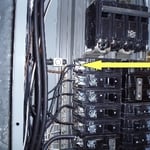
Inside
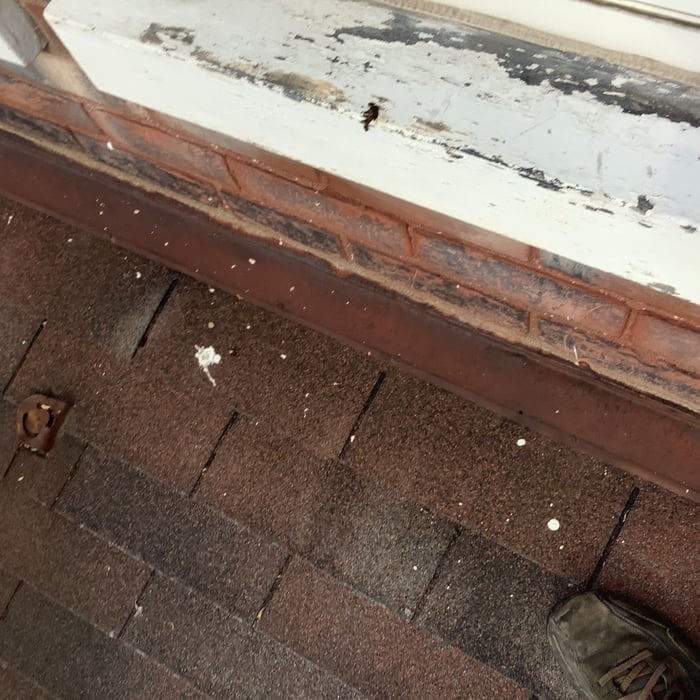
Roof top
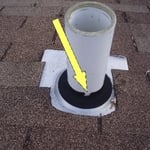
Water  tight seal for roof
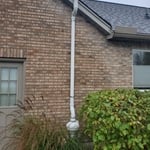
Outside
Outside

+11

Response time1 day
Recommended by100%of homeowners
Avatar for The Ohio Home Inspections Co
The Ohio Home Inspections Co
4.0(
7
)

Serving Newtown, OH and surrounding areas

In business since 2003

Free estimates

Credit card accepted

"Kevin was very thorough, easy to work with, and provided an excellent report. He also continues to send monthly newsletters at no additional charge that have very helpful tips and information about home maintenance."
Additional Photos
Additional Photos
Recommended by71%of homeowners
Showing 1-10 of 12
Radon Detection and Reduction questions, answered by experts

The average radon mitigation system uses about 876 kWh of electricity per year, although the exact amount of electricity used will vary depending on the size of the radon fan. Once the system is installed, the annual increase to your energy bill could range from $30 to $300 per year, again depending on the size of the fan.

You can vent radon out of your house sometimes by simply opening a window, but it won’t remove the source, and will likely rise above recommended levels quickly. A professional will be needed to assess your home, and determine the best strategy for radon removal. Active radon sump pumps and soil depressurization systems are often used to forcefully vent the radon from your home.

Long-term exposure increases lung cancer risks. Prolonged homestay individuals and smokers encounter heightened vulnerability and exposure concerns.

The natural breakdown of uranium in soil, rock, and water can cause radon to appear in a home. The gas seeps into homes through cracks in foundations, walls, or floors, as well as through gaps around pipes or construction joints. Radon levels are influenced by soil composition, building materials, and ventilation. Poorly sealed or airtight homes can trap radon, allowing it to accumulate.

If high radon levels are detected, steps include sealing entry points, installing a mitigation system, and retesting the air regularly to ensure reduced levels.

The Newtown, OH homeowners’ guide to radon detection and reduction services

From average costs to expert advice, get all the answers you need to get your job done.