




Top-rated radon detection and reduction specialists.

Get matched with top radon detection and reduction specialists in Burgettstown, PA

Enter your zip and get matched with up to 5 pros

Need a pro for your radon detection and reduction project in Burgettstown, PA?

Select your specific project to find the pro for you.

Find Radon detection and reduction specialists in Burgettstown

Home Pro
4.7(
14
)
Radon Gas - AbatementRadon Gas - Testing

Serving Burgettstown, PA and surrounding areas

In business since 1986

Free estimates

Credit card accepted

"Inspector was on time and explained everything to me. The report was returned a few days later and contained the current condition of the house I was buying, as well as preventive maintenance tips I should know. Coming from someone who doesn't know too much about home repair, I was thankful for the inspector's patience and willingness to explain all the details."
Recommended by100%of homeowners
Avatar for Omega Radon Measurement and Mitigation
Omega Radon Measurement and Mitigation
4.8(
2
)
Radon Gas - AbatementRadon Gas - Testing

Serving Burgettstown, PA and surrounding areas

In business since 2013

Free estimates

Warranties offered

Omega Radon Measurement and Mitigation is PITTSBURGH'S BEST. We pride ourselves on delivering exceptional service and professional work. Our systems are durable and warranted. Don't delay, Respond today.Where the PRO'S know.

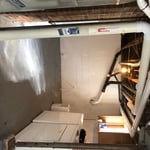
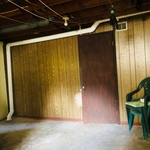
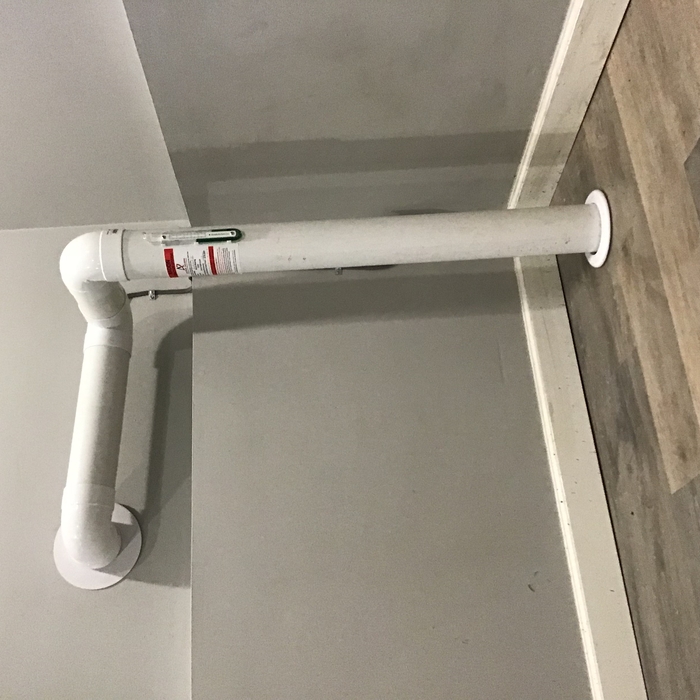
System that was ran through garage
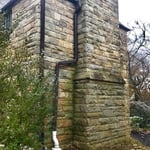
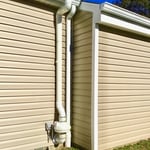
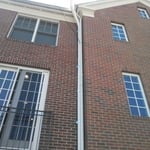
Depressurization system along down spouts
Depressurization system on Condo/Townhouse
Along Downspout
Response time5 days
Recommended by100%of homeowners
Avatar for MJL Property Inspection
MJL Property Inspection
5.0(
2
)
Radon Gas - Testing

Serving Burgettstown, PA and surrounding areas

In business since 2018

Free estimates

Credit card accepted

"Mike did an amazing job inspecting the home I am buying. He was incredibly thorough and took his time he wasn't rushed and didn't skip anything. An added bonus that I really appreciated was how well he explained different things that he noticed in and around the house. I never once felt like I was asking a stupid question when he had to go over something with me. He was very prompt with every question I emailed him and called to follow up on big things. The online report was sent promptly and it was really easy to look through. I would absolutely recommend him to my friends and family!"
Response time5 hrs
Recommended by100%of homeowners
Radon Detection and Reduction questions, answered by experts

You can vent radon out of your house sometimes by simply opening a window, but it won’t remove the source, and will likely rise above recommended levels quickly. A professional will be needed to assess your home, and determine the best strategy for radon removal. Active radon sump pumps and soil depressurization systems are often used to forcefully vent the radon from your home.

The natural breakdown of uranium in soil, rock, and water can cause radon to appear in a home. The gas seeps into homes through cracks in foundations, walls, or floors, as well as through gaps around pipes or construction joints. Radon levels are influenced by soil composition, building materials, and ventilation. Poorly sealed or airtight homes can trap radon, allowing it to accumulate.

You'll need to test your home for radon after installing the mitigation system, then again every two years. If radon remains elevated, contact a licensed radon professional, either the contractor who installed the system or a different one, and have them evaluate the system. They may need to make some changes to improve its effectiveness and performance.

Radon is the number one non-smoking cause of lung cancer in the United States, but it can cause some other concerning side effects in the meantime. If you have a raspy voice, chest pains, trouble breathing, difficulty swallowing, or any of the above, don’t hesitate to perform radon testing and install a mitigation system as soon as possible.

The lifespan of a radon mitigation system depends on the type of system and its maintenance. With proper care, a system can last for many decades. Passive systems tend to last longer as they have fewer components that require replacement. Active systems, which have more moving parts like fans, generally have a shorter lifespan. For instance, water filtration devices and active pressurization systems require more frequent maintenance. While the system as a whole is durable, the radon fan in an active system typically has a lifespan of 5 to 10 years and will need to be replaced. As long as the fan is working, the mitigation system should function correctly.

The Burgettstown, PA homeowners’ guide to radon detection and reduction services

From average costs to expert advice, get all the answers you need to get your job done.