

Top-rated radon detection and reduction specialists.

Get matched with top radon detection and reduction specialists in Washington, PA

Enter your zip and get matched with up to 5 pros

Need a pro for your radon detection and reduction project in Washington, PA?

Select your specific project to find the pro for you.

Find Radon detection and reduction specialists in Washington

Avatar for Alpha Radon, LLC
Alpha Radon, LLC
4.9(
34
)

Serving Washington, PA and surrounding areas

Approved

In business since 2018

Free estimates

Warranties offered

"I WAS VERY SATIFIED WITH THE SERVICE., THE RADON TEST WAS INTIATED BY THOR HOME WHO DOSE PROPERTY TESTING THEY WHERE FAST , AND PLEASANT TO DEAL WITH ESPECIALLY ROSHELLE ROBINSON ONE OF THE EMPLOYEE THERE WHO WAS VERY KNOWLEDGEABLE AND PROFESSIONAL WHO TOLD ME WHAT TO EXPECT AND MOST OF ALL THE PRICE WAS VERY REASONABLE..!!!!!"
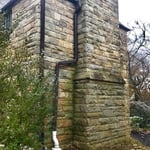
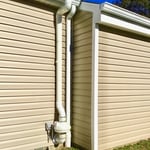
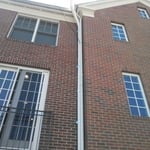
Radon System with Dark Brown Down-Spouting
Simple radon system
Laundry Room
Basement
Inside work

+1

Response time10 hrs
1 neighbors recently requested a quote
Recommended by100%of homeowners
Home Pro
4.7(
14
)

Serving Washington, PA and surrounding areas

In business since 1986

Free estimates

Credit card accepted

"Inspector was on time and explained everything to me. The report was returned a few days later and contained the current condition of the house I was buying, as well as preventive maintenance tips I should know. Coming from someone who doesn't know too much about home repair, I was thankful for the inspector's patience and willingness to explain all the details."
Recommended by100%of homeowners
Avatar for Omega Radon Measurement and Mitigation
Omega Radon Measurement and Mitigation
4.8(
2
)

Serving Washington, PA and surrounding areas

In business since 2013

Free estimates

Warranties offered

Omega Radon Measurement and Mitigation is PITTSBURGH'S BEST. We pride ourselves on delivering exceptional service and professional work. Our systems are durable and warranted. Don't delay, Respond today.Where the PRO'S know.

System that was ran through garage
Depressurization system along down spouts
Depressurization system on Condo/Townhouse
Along Downspout
Response time5 days
Recommended by100%of homeowners
Avatar for MJL Property Inspection
MJL Property Inspection
5.0(
2
)

Serving Washington, PA and surrounding areas

In business since 2018

Free estimates

Credit card accepted

"Mike did an amazing job inspecting the home I am buying. He was incredibly thorough and took his time he wasn't rushed and didn't skip anything. An added bonus that I really appreciated was how well he explained different things that he noticed in and around the house. I never once felt like I was asking a stupid question when he had to go over something with me. He was very prompt with every question I emailed him and called to follow up on big things. The online report was sent promptly and it was really easy to look through. I would absolutely recommend him to my friends and family!"
Response time5 hrs
Recommended by100%of homeowners
Radon Detection and Reduction questions, answered by experts

Your radon mitigation system may be loud because it’s time to replace it. Any sounds are usually from the inline fan that helps create the vacuum and resulting airflow. If you hear a new, loud mechanical or humming noise from your radon fan, it might be time to replace it. Most fans used in radon mitigation systems last up to 10 years, but may need to be replaced sooner.

No level of radon is technically safe, but since it is present everywhere, complete avoidance is impossible. The average radon level in homes across the United States is 1.3 picocuries per liter (pCi/L). The Environmental Protection Agency (EPA) recommends taking preventative measures if your home's radon levels are between 2 and 4 pCi/L or higher.

Keeping radon from getting into your home is much better than having to get rid of it once it's already indoors. While there may not be a way to fully prevent radon from getting into your home, there are things you can do to reduce the gas's ability to enter. 

Sealing foundation cracks and openings can help keep the gas from seeping inside. Improving air flow, such as by opening windows, can also be helpful. If you're building your home from scratch, talk to your contractor about using radon-resistant construction to keep the gas out.

Abatement includes sealing entry points and venting with systems that reduce radon levels below recommended EPA limits. It is handled by certified professionals.

The soil beneath your house is most likely what’s causing an increased level of radon. This is because soil holds radioactivity for a long time and it’s also what most buildings are built on. Another common source of radon is water from a source that hasn’t been through periodic radon tests, such as well water. Over time, the radon from the soil can inhabit other parts of your house like the foundation or plumbing.

The Washington, PA homeowners’ guide to radon detection and reduction services

From average costs to expert advice, get all the answers you need to get your job done.