





Top-rated asphalt driveway pros.

Get matched with top asphalt driveway pros in Necedah, WI

Enter your zip and get matched with up to 5 pros

Need a pro for your asphalt driveway service project in Necedah, WI?

Select your specific project to find the pro for you.

Find Asphalt driveway pros in Necedah

Avatar for Beck's Excavating
Beck's Excavating
4.0(
2
)
Gravel or Loose Fill Paving - Install, Spread or Scrape

Serving Necedah, WI and surrounding areas

Approved

In business since 2019

Free estimates

Credit card accepted

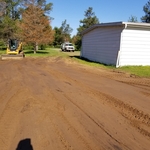
"Leo was very accommodating, professional and personable through our entire project. His mantra is the job is not complete until we are completely happy with the outcome. He did and excellent job placing our 300+ foot gravel driveway and shed pad, ensuring it was just as we planned. We intend to engage him for future projects as we develop the property."
Excavation
Excavation
Excavation
Excavation
Excavation

+4

Response time4 days
Recommended by100%of homeowners
Showing 1-10 of 44
Asphalt Driveways questions, answered by experts

Asphalt driveways are affordable and able to withstand sub-zero temperatures. The asphalt surface makes it easy to plow snow, and it has excellent traction for slippery winter days. Another benefit: it absorbs heat from the sun and can then help to melt snow and ice more quickly than other surfaces.

Like all driveway materials, asphalt can crack in the wrong conditions and with age. Many things can cause asphalt to crack, including shifting soil or settling under the foundation. Other common causes are driving oversized vehicles on the asphalt, tree roots, and using rock salt during the snowy season. Proper installation and sealing the driveway every 10 years can help prevent cracks.

New asphalt goes through two stages: drying and curing. Drying typically takes 24 to 72 hours, after which the surface is solid enough for light use like walking or careful driving. While you may be able to park on it after 72 hours, the surface is still soft and should be treated gently. Full curing is a much longer process, taking anywhere from 30 days to a full year for the asphalt to reach maximum strength. During this extended curing period, the asphalt is susceptible to damage from heavy vehicles, sharp objects, and high temperatures. Factors like weather, the specific asphalt mix, and application thickness all influence drying and curing times. For the most accurate timeline and to ensure the longevity of your new asphalt, it is always best to consult with your installation contractor for their specific recommendations.

There’s no single best asphalt grade—it all comes down to where and how it’s used. Highways and heavy-traffic roads need something tough, like polymer-modified asphalt (PMA) or Stone Matrix Asphalt (SMA). Local roads and parking lots rely on the Performance Graded (PG) system, chosen based on climate. A PG 64-28 mix, for example, handles a broad temperature range while simpler, more cost-effective mixes are typically enough for residential driveways. The best grade of asphalt depends on traffic, weather, and your budget, which is why a professional’s input is always a smart move before making a decision.

Gravel is one of the few driveway materials that can handle rain the second it’s installed. Unlike asphalt, which needs days to set, or concrete, which requires weeks to cure, gravel is ready as soon as it’s compacted. It’s naturally permeable, allowing water to drain straight through—with no risk of pooling or surface damage. Gravel driveways are one of the most affordable, at $1 to $3 per square foot, and can also last upward of 100 years.

The Necedah, WI homeowners’ guide to asphalt driveway services

From average costs to expert advice, get all the answers you need to get your job done.