

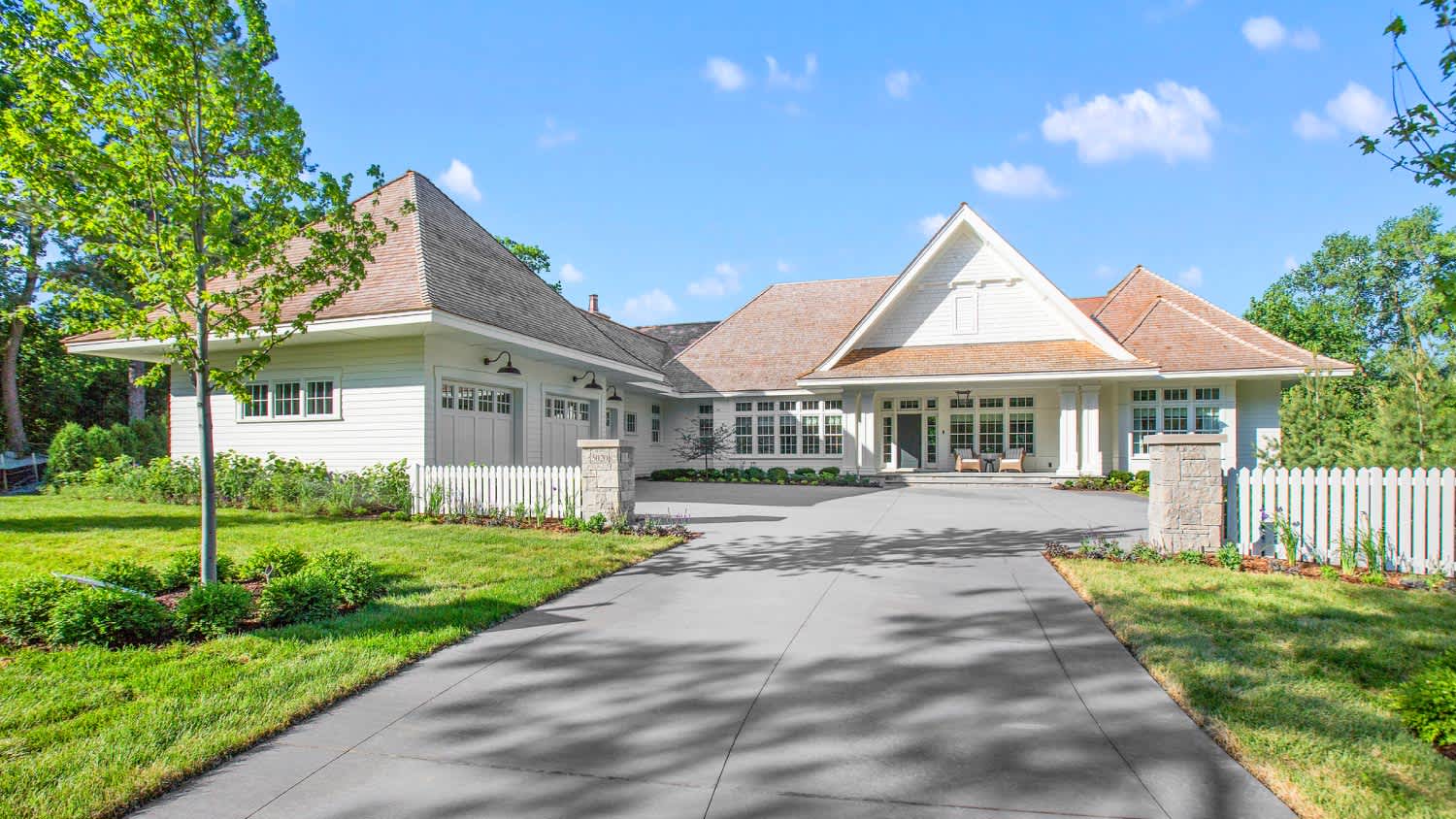
Between the endless customizations and decades of strength, the cost of a concrete driveway may be worth the investment. Let's break down your bottom line.
Pave your way to a long-lasting driveway

Choosing the right driveway material depends on your climate, budget, and desired look, with concrete and asphalt offering durability while pavers provide design flexibility.
Expect to pay $1.25 to $70 per square foot for driveway materials, with concrete and gravel on the lower end and stone or cobblestone costing more.
Your driveway choice should balance maintenance needs with longevity, as concrete lasts over 100 years while gravel requires fresh top layers every few years.
Hiring a local driveway paving professional ensures proper installation and material selection, helping you choose between concrete, asphalt, pavers, or specialty surfaces for your home.
When choosing a driveway material, you want to ensure that the driveway fits your budget and holds up well in your climate. You also want a driveway that looks great with your home and isn't too much to maintain. Learn all about the best types of driveways, their pros, cons, and costs. You’ll be cruising to a new driveway soon.

Concrete is a mixture of cement, water, and aggregates such as sand and gravel. A concrete driveway is durable, low-maintenance, and long-lasting. It's the most common type of driveway for many reasons.
Durable and holds up well to heavy traffic
Long-lasting, usually 100 years or more
Low-maintenance, ideally an annual cleaning and resealing every two to three years
Complements a variety of home styles
On the lower end of the cost spectrum
Great for hot climates
Can crack under extremely cold temperatures
Not as decorative or unique as some other driveway materials
Concrete driveways cost between $4 to $15 per square foot, or $2,340 to $7,500 on average. Work with a local paving company to get a quote for your driveway.
Hector and his team did an outstanding job. My new driveway is beautiful. They showed up when promised and worked hard all day. They found a problem with the foundation of my house that needed to be repaired before replacing the driveway and rebuilt the foundation wall next to the driveway. I would recommend them to anyone needing concrete work done.

Asphalt driveways are blacktop driveways made of asphalt cement, the distilled parts of petroleum, and sand or gravel. They're great for cold climates and have a distinct black look.
Great for cold climates as it doesn't crack like concrete
Beautiful black surface
Affordable alternative to concrete
Lasts 15 to 30 years
Low maintenance, ideally a cleaning every two years and resealing every one to three years
Not ideal for hot climates, as asphalt can get sticky
Can crack if not well-maintained
Asphalt driveways cost between $7 and $15 per square foot, or $4,740 on average, slightly above the cost of concrete.

Gravel driveways are a mix of small stones and coarse sand with an under layer of sand, dirt, and stone. Gravel driveways are the least expensive type of driveways, making them great for longer driveways in rural areas.
Easier to install than other types of driveways
Range of color and stone size options
Least expensive driveway material, ideal for long driveways and rural communities
Allows water to flow through, limiting pooling and flooding
Resists shifting
Not as comfortable to drive down
Can be difficult to remove snow
Susceptible to potholes and ruts
Can be dusty and dirty
Needs top layer of fresh gravel every few years
Gravel driveways cost between $1.25 to $1.80 per square foot, or $800 to $1,110 on average. Gravel is the least expensive driveway material.

A brick driveway features an arrangement of bricks in symmetrical rows or a pattern. Brick offers visual interest and top-of-the-line durability and longevity.
Highly durable and long-lasting (50 to 100 or more years)
Beautiful, high-end look
Withstands any weather conditions
Can boost curb appeal and the value of your home
Limited maintenance
Easy to replace bricks
Requires a driveway pro to install and more labor than other materials
Can shift or loosen over time
More expensive than concrete and asphalt
Fewer style and color options than pavers
Brick driveways cost $10 to $30 per square foot, mostly due to the labor required to lay the brick. The price increases with fancier and more intricate designs.

A paver driveway uses stones made from concrete, clay brick, or natural stone. A driveway made of pavers offers a high-end look and a plethora of design options.
Beautiful, high-end look
Long-lasting, up to 50 years
Many design and color options available
Can boost curb appeal and home value
Low maintenance
Higher installation costs
Weeds can grow through gaps
Can be more difficult to remove snow
Paver driveways cost an average of $10 to $50 per square foot, with a wide variation of cost between different styles.

Stamped concrete is concrete that has color and texture embedded into the top layer to emulate stone, brick, or wood. It offers the look of pavers or bricks at a lower price point. Stamped concrete is similarly durable and long-lasting to standard concrete, but costs more.
Offers higher-end look than standard concrete
Wide variety of style and design options
Holds up nearly as well as concrete, usually 50 to 100 years
Can increase curb appeal and home value
Holds up in most climates
Less expensive than bricks or pavers
More time-consuming and expensive to install than concrete
Needs more maintenance than standard concrete
Can be difficult to repair
A stamped concrete driveway costs between $12 and $28 per square foot, more than standard concrete but less than pavers, brick, or stone.

A turf driveway includes a combination of grass and pavers for a decorative look. It’s friendlier on the environment due to less concrete or asphalt creation, but you'll need to cut the grass regularly.
Offers unique, decorative look
More eco-friendly and sustainable than other materials
Requires regular maintenance and cutting
More expensive than standard driveway materials
Not suitable for cold, snowy climates or drought-ridden areas
Can have uneven footing
The cost for a turf driveway with pavers is $12 to $40 per square foot. The cost largely depends on the type of pavers you use.

Stone driveways can offer a sophisticated look and come in a variety of styles, such as stove pavers and cobblestones.
Beautiful, classic look
Boosts curb appeal and home value
Highly durable
Long-lasting, usually up to 50 years
Easy to repair
More expensive than other materials
More maintenance, especially weeding between stones
More difficult to remove snow
Labor-intensive installation
The cost of stone driveways ranges from $10 to $50 per square foot, depending on the type and color of stone.

A tar and chip driveway is a combination of hot liquid asphalt covered with crush stone and then compacted. It's great for rural areas as an alternative to gravel.
Lower cost than concrete or asphalt
More durable than gravel
More polished look than gravel
Solid traction
Best for low-traffic driveways
Limited lifespan, usually 7 to 10 years
Harder to find a contractor to install
Snow plows can damage it
More maintenance than asphalt and concrete
The cost of a tar and chip driveway ranges from $5 to $10 per square foot.

A cobblestone driveway is constructed using small, rounded pavers made from natural stones. The stones are most commonly granite, but are sometimes a combination of a few different stones, such as basalt or limestone. You can choose from a variety of sizes and shapes to create a cobblestone driveway that matches your design aesthetic—these driveways are known for their unique, unusual beauty.
Extremely durable
Beautiful, old-world aesthetic
Acts as a natural drainage system
Very customizable
Natural materials are eco-friendly
Can last up to 75 years
Requires lots of maintenance
Weeds often grow in between stone gaps
Creates an uneven surface
Most expensive than concrete or asphalt
The cost of a cobblestone driveway ranges from $20 to $70 per square foot; the price will vary depending on the type of stone, the size, and other variables.
The best driveway material depends on your climate, the size of your driveway, and your budget. Consider these factors as you choose from different types of driveways.
Choose a material that holds up well in your area. If you live in a cold, snowy climate, consider asphalt. If you’re in a hot climate, go with concrete.
Concrete, gravel, and asphalt are the lowest-priced materials, while pavers, bricks, and turf are the highest-priced materials.
The longer the driveway, the more a material can impact the total cost.
Choose a material that complements your home or gives you your desired look.
Pair up the driveway with what you're willing to take care of. Gravel, concrete, and asphalt are lower maintenance, while a turf driveway is more time-intensive.
Aim for a driveway that can withstand frequent traffic or last as long as you plan to live in the home.
Your city or municipality sets guidelines for the type, width, thickness, and other components of your driveway. Follow these when installing or replacing a driveway.
Archie did a good job cleaning up the driveway before he laid down the sealer. It looks good. He was gracious and even helped me bring up my groceries. His rate was comparable to another company who came out to give me a quote and he talked to me personally rather than just text me a quote...
 Pro Seal Roofing & Paving
D1 Roofing delivers outstanding service from beginning to end, backed by a strong warranty and expert teams. I highly recommend them for their excellence in meeting and surpassing expectations with unmatched communication. Choosing D1 Roofing was flawless decision
 Division 1 Roofing LLC
This company went above and beyond with their work, chimney sweeps are usually pretty messy, but the clean up was spot on.!! Josh explained every thing that he was doing, and the things that he was checking to make sure the chimney was safe for me and my family. He was very professional,...
 Supreme brick & chimney
Our homes curb appeal skyrocketed thanks to Custom Paint Jobs LLC s exterior painting.
 Custom Paint Jobs, LLC
Very well! Two men came to do the work. They were both polite, punctual and professional in manner. When they finished, Cameron explained about preserving an asphalt driveway, as I had never had one in the past. I will definitely be calling them in the future.
 All Star Paving and Sealing
Fantastic! Top Line was early for the appointment and very knowledgeable and took time to explain everything they had found during the home inspection. The report included clearly defined issues and what they recommended to remedy the same. The report also included many pictures to help...
 Top Line Home Inspections, LLC
Working with Peter and his crew was a breeze. They were exceptionally polite and did a neat job to repair and seal our driveway. I will definitely talk to them first for additional work.
 Central Paving
The preformed a really good job the staff is incredible never been so happy with my home, A brand new driveway is like a face lift!!
 Pristine Paving
Called Mark on a Thursday morning. Not really knowing if he could help me or not. I was having driveway, flooding issues due to a clogged channel drain and I was trying to figure out what direction to take. Heavy rains had come on Monday and again on Thursday leading to flooding in my garage...
 Mark Rodgers Construction
Had already met with 2 other contractors before Blue Ring, and Blue Ring's price quote for the work was better than either of the other 2, and the came out the next morning and cleaned up a very large fallen tree branch from a storm that was blocking my driveway. Work was completed in...
 Blue Ring Residential Services, LLC
From average costs to expert advice, get all the answers you need to get your job done.
Between the endless customizations and decades of strength, the cost of a concrete driveway may be worth the investment. Let's break down your bottom line.
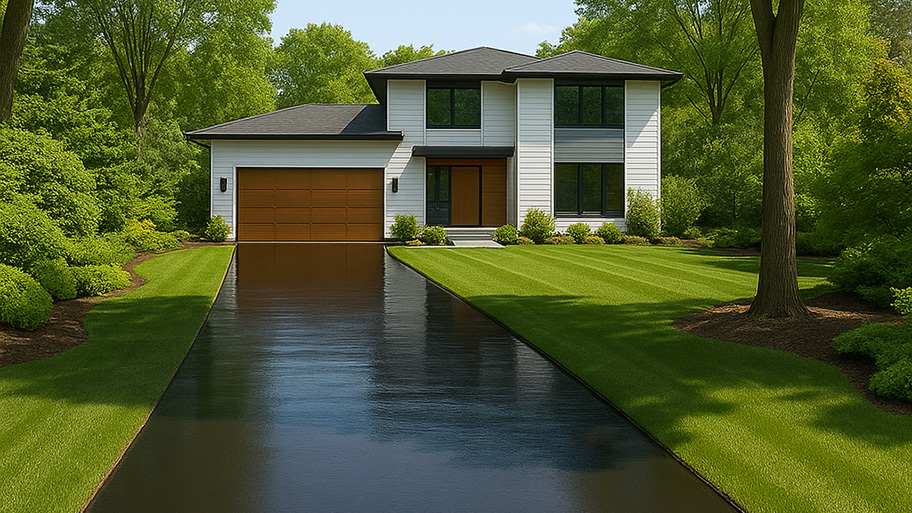
Choosing the right asphalt is key to a long-lasting surface. Find out which mix works best for roads, driveways, and heavy-traffic areas.
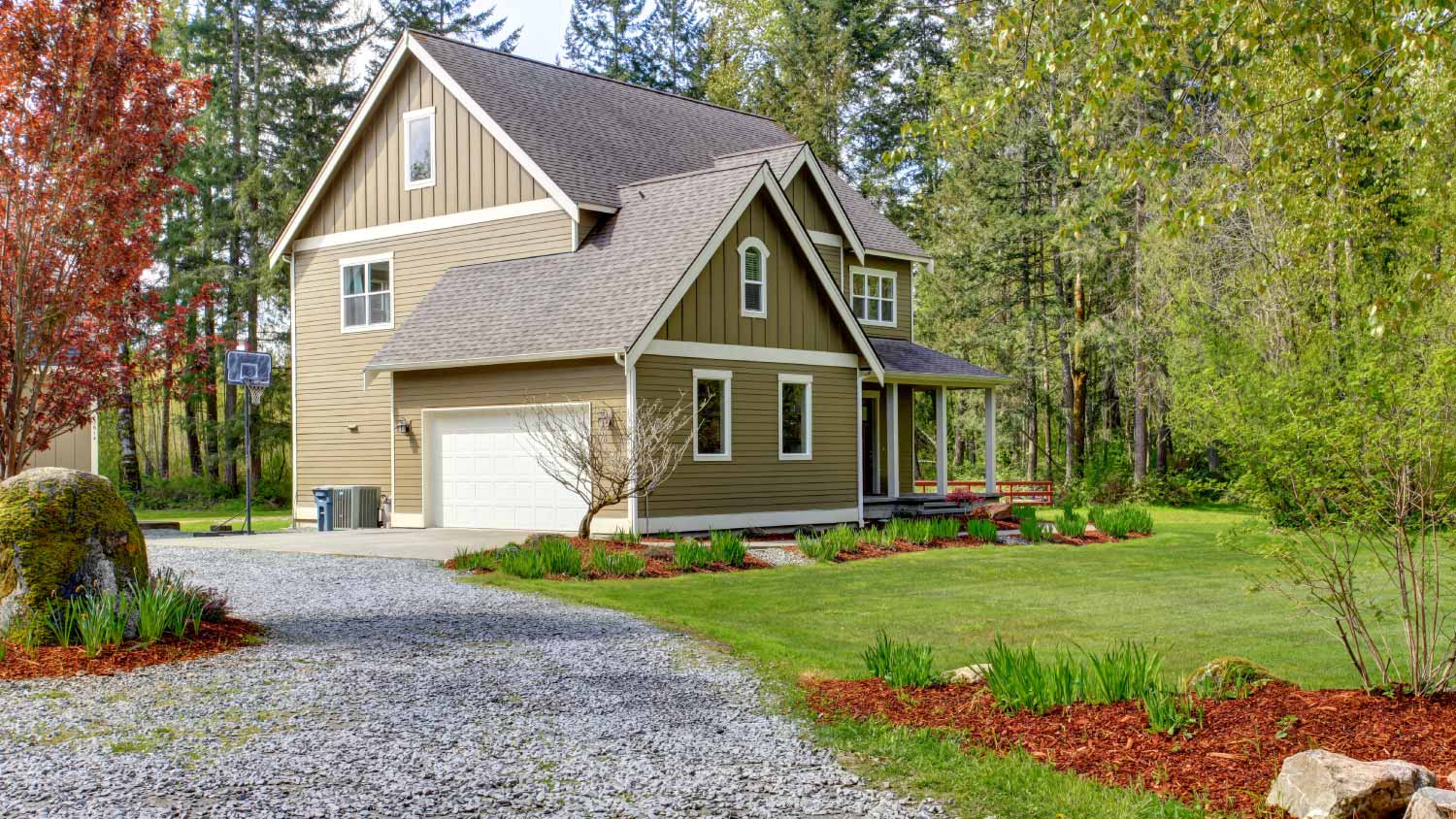
There are six types of gravel for driveways. This guide explains the pros and cons of each type so you can choose the best gravel for your driveway.
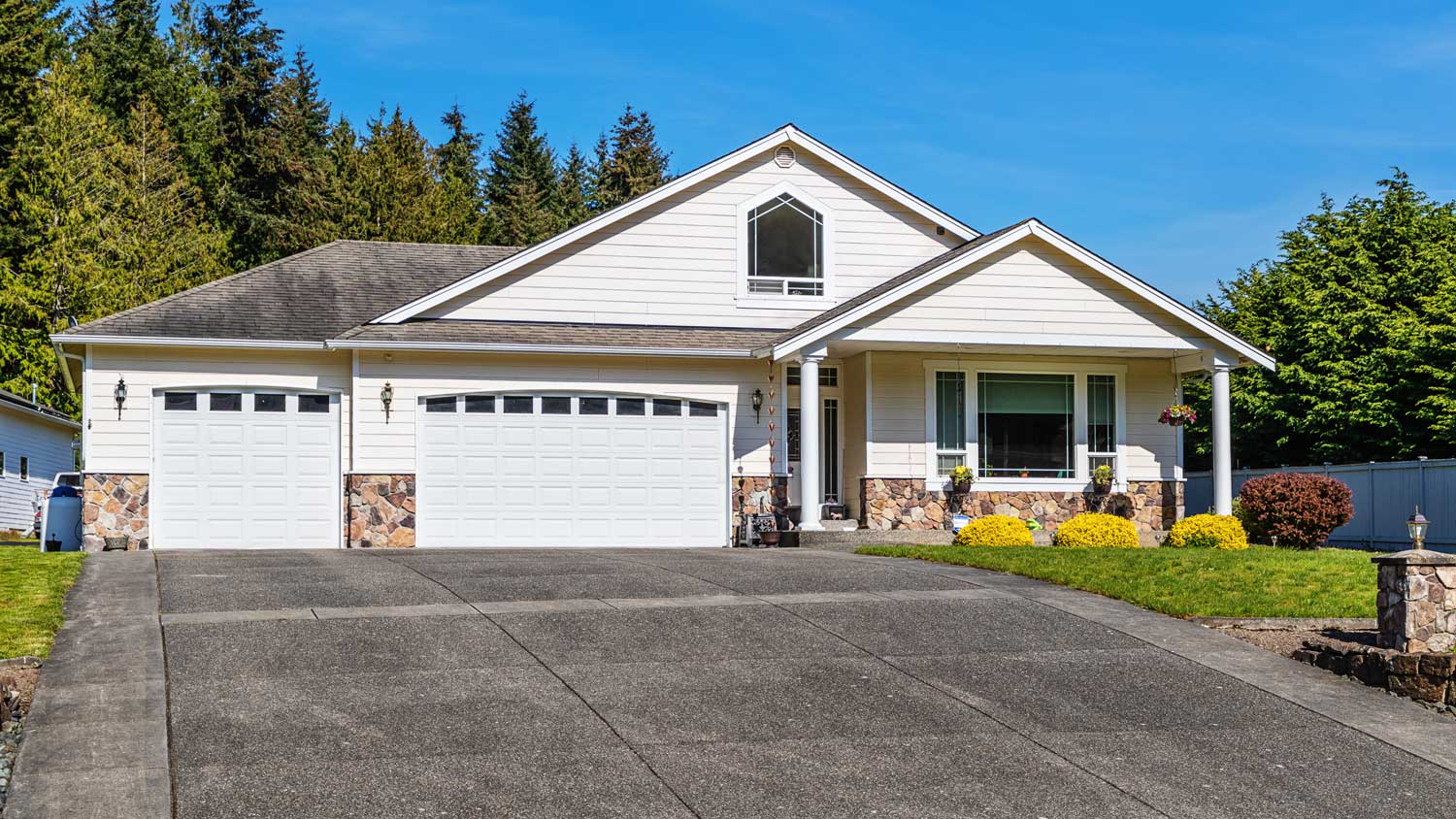
This guide shows you how to determine the right driveway width based on the size of your garage, the number of cars parked, the driveway style, and other factors.
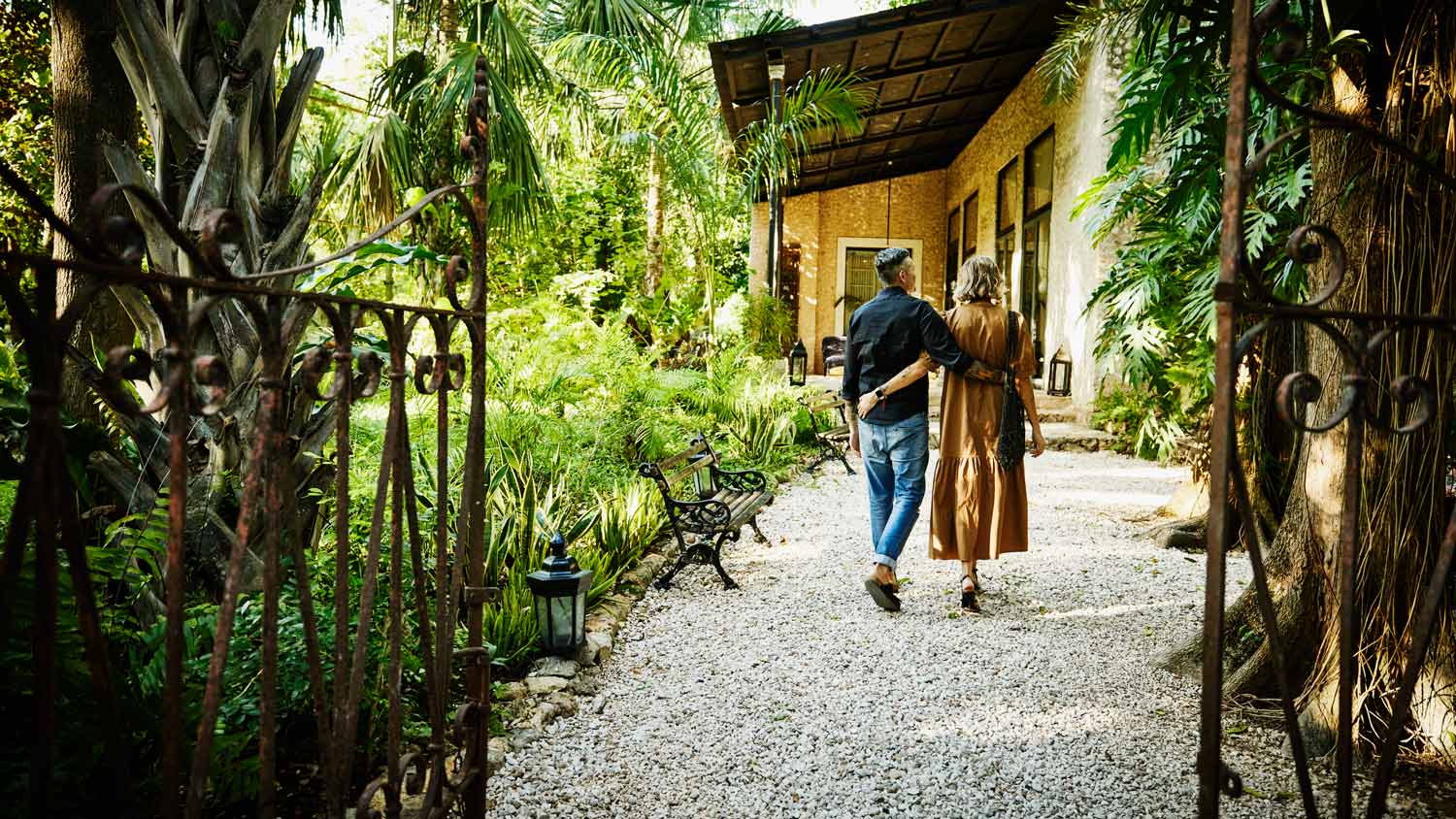
Discover the main differences between pathways, walkways, driveways, and roadways. Learn how each is used, their materials, and where you’ll commonly find each.
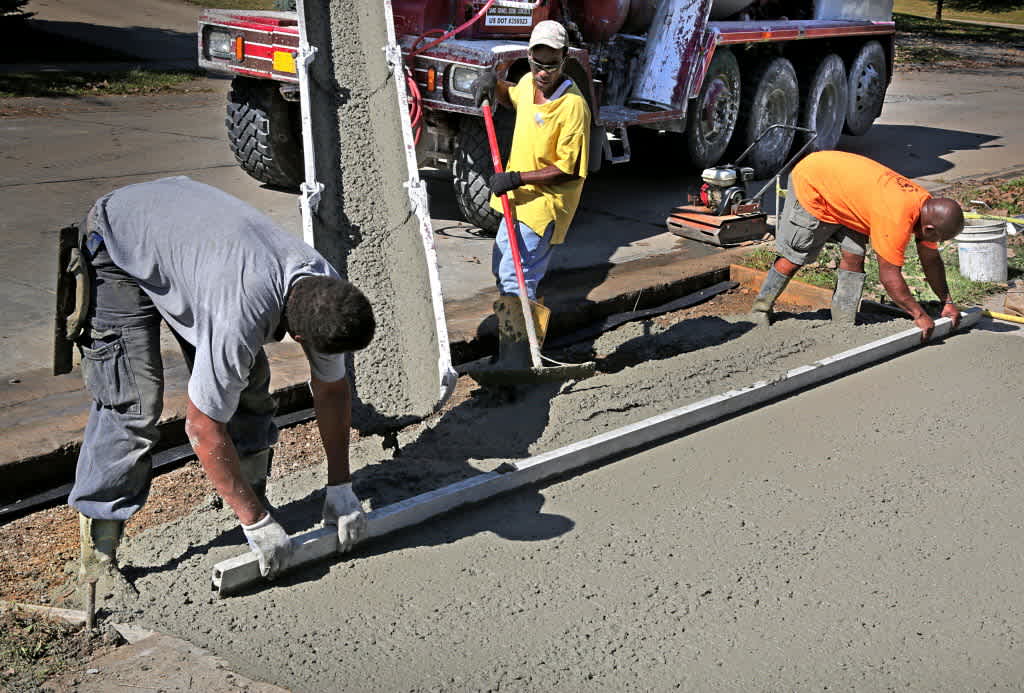
Learn how to choose the best driveway sealer based on driveway type, longevity, and cost.