





Top-rated radon detection and reduction specialists.

Best radon detection and reduction specialists near Manitowoc, WI

Enter your zip and get matched with up to 5 pros

Need a pro for your radon detection and reduction project in Manitowoc, WI?

Select your specific project to find the pro for you.

Top-Rated Radon detection and reduction specialists in Manitowoc - Updated Nov 2026

Avatar for Lifetime Home Services
Lifetime Home Services
4.9(
110
)
Radon Gas - AbatementRadon Gas - Testing

Serving Manitowoc, WI and surrounding areas

Approved

In business since 1998

Free estimates

Emergency services offered

"It went great. I highly recommend them. They were a pleasure to deal with. The person that came out for the estimate answered all of my questions. The estimate was fair. The work was done on schedule and with no problem. At completion, everything was explained to me. I used their electrician which worked out fine. After completion the radon test showed that my level was now undetectable."
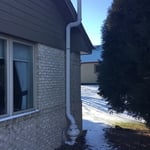
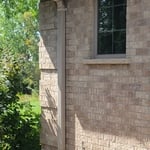
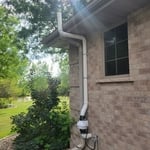
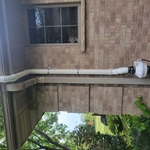
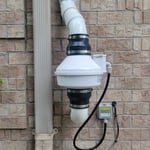
Additional Photos
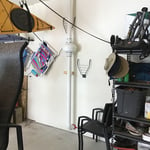
Additional Photos
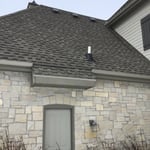
Additional Photos
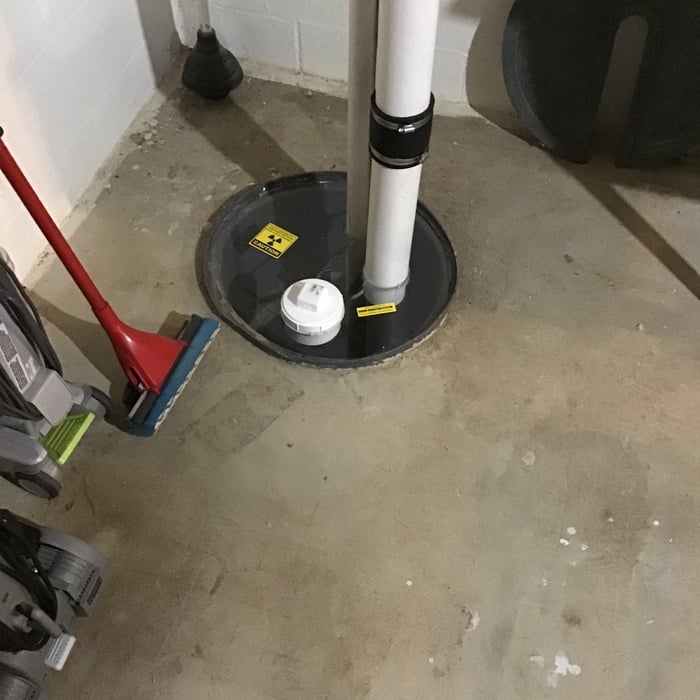
Additional Photos
Additional Photos

+1

Response time2 days
Response rate100%
4 neighbors recently requested a quote

Radon Detection and Reduction FAQs, answered by experts

Mitigation can take several days depending on home setup, equipment accessibility, and achieving effective diffusion system sealed efficiency.

The cost to replace a radon fan ranges from $300 to $600 for the fan itself, with installation adding an additional $200 to $500. Overall, the total cost for replacement can range from $500 to $1,100, depending on factors such as the fan model, home size, and local labor rates. If the fan is part of a larger radon mitigation system, the price may be higher.

Radon enters your home when warm air begins to rise and exits through the roof, creating a vacuum that pulls cooler air from under the foundation. Part of that air is radon, which is an invisible, odorless gas that develops naturally when radioactive particles are deep within the ground. Those particles usually come from decaying matter in soil and rocks.

The natural breakdown of uranium in soil, rock, and water can cause radon to appear in a home. The gas seeps into homes through cracks in foundations, walls, or floors, as well as through gaps around pipes or construction joints. Radon levels are influenced by soil composition, building materials, and ventilation. Poorly sealed or airtight homes can trap radon, allowing it to accumulate.

If high radon levels are detected, steps include sealing entry points, installing a mitigation system, and retesting the air regularly to ensure reduced levels.

The Manitowoc, WI homeowners’ guide to radon detection and reduction services

From average costs to expert advice, get all the answers you need to get your job done.