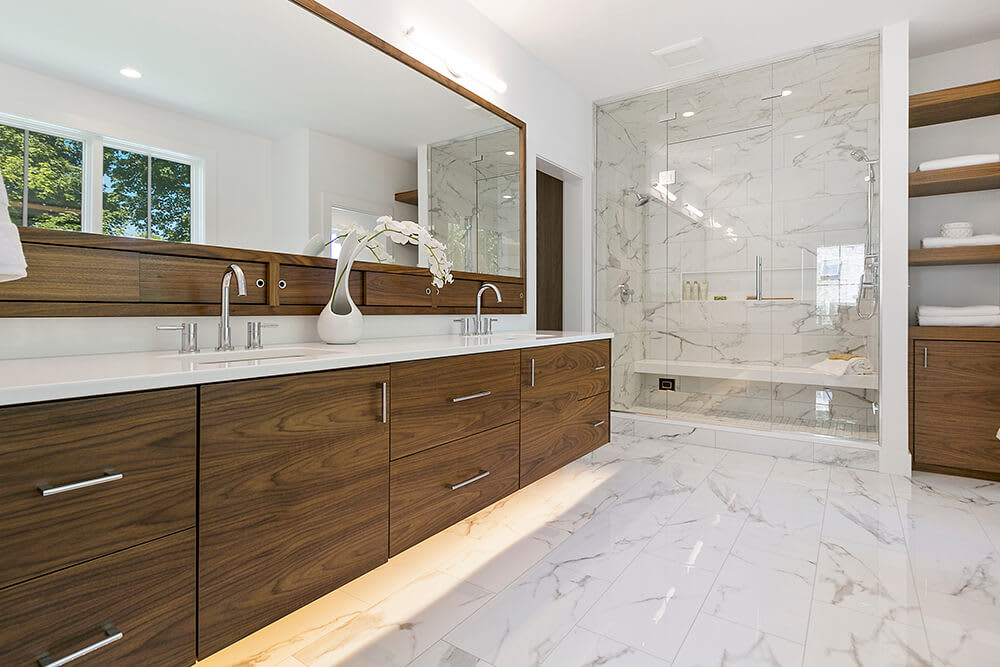






Top-rated ceramic tile pros.

Get matched with top ceramic tile pros in Eagle River, WI

Enter your zip and get matched with up to 5 pros

Need a pro for your ceramic tile service project in Eagle River, WI?

Select your specific project to find the pro for you.

Find Ceramic tile pros in Eagle River

Avatar for Nicholas Palm Tile and Stone
Nicholas Palm Tile and Stone
4.8(
4
)

Serving Eagle River, WI and surrounding areas

In business since 2003

Free estimates

Credit card accepted

"It was great i was told by nick he would be at my place at 12 pm and he actually was 15 min earlies he set up my whole garage to work on cars exactly how i wanted and imagined he even built my work bench so it collapses into the wall like i wanted and put outlets in it as well he was reasonably priced and didnt rape me with labor i am having him come back this spring to redo my deck as well he was professionable and knowledgeable"
Additional Photos
Additional Photos
Additional Photos
Additional Photos
Additional Photos

+1

Recommended by100%of homeowners
John Polzin Tile Construction
New to Angi

Serving Eagle River, WI and surrounding areas

In business since 2005

Free estimates

Credit card accepted

We are a locally owned and operated company that values honesty and integrity and treats your home as if it were our own. We offer a variety of stone and tile services that are customizable to each individual project. We specialize in ceramic, porcelain, and a variety of natural stone tile installation. We pride ourselves on the quality of our work as well as our commitment to outstanding results. We look forward to building lasting relationships and guarantee your satisfaction!

Response time7 hrs
Showing 1-10 of 14
Ceramic Tile questions, answered by experts

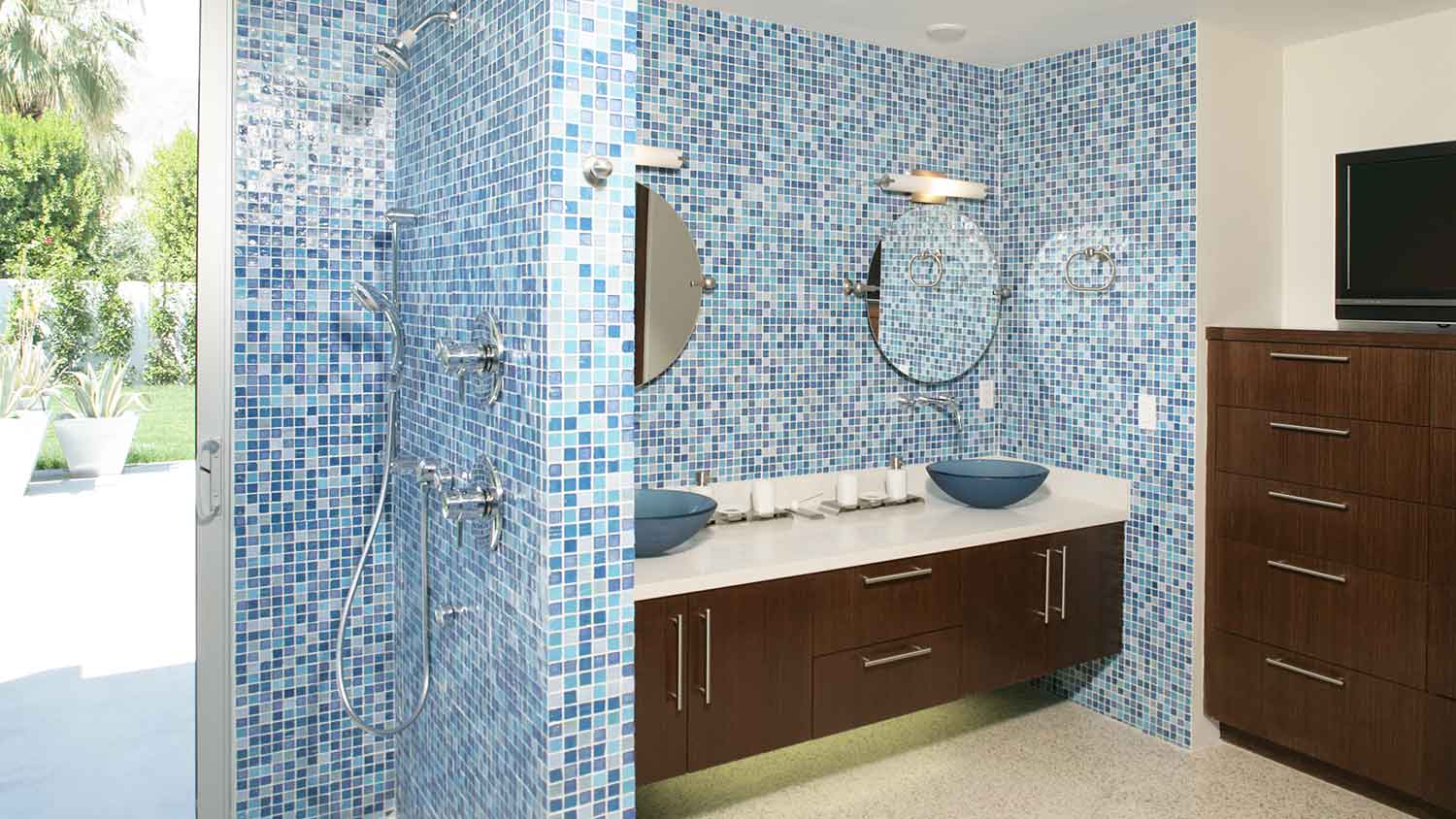
On average, tiling a bathroom involves about 12 hours of labor, usually spread over two to three days to accommodate prep work and curing times. A professional tiler can often complete the installation in 6 to 8 hours, whereas a DIYer might take 10 to 16 hours. The total project time is influenced by factors like the bathroom layout, tile type, and necessary prep work, such as removing old tile. The process includes specific timelines for different areas; for example, tiling a floor takes about six hours, while a shower area can take six to ten hours. It is essential to allow for adequate curing time—typically 24 hours each—for the mortar, grout, and caulk, which is why the project extends over several days.

The average cost for tile installation is about $2,000, with a typical price range between $500 and $6,500. On a per-square-foot basis, you can expect to pay between $5 and $45 for installation.

Several factors influence the total cost, including:

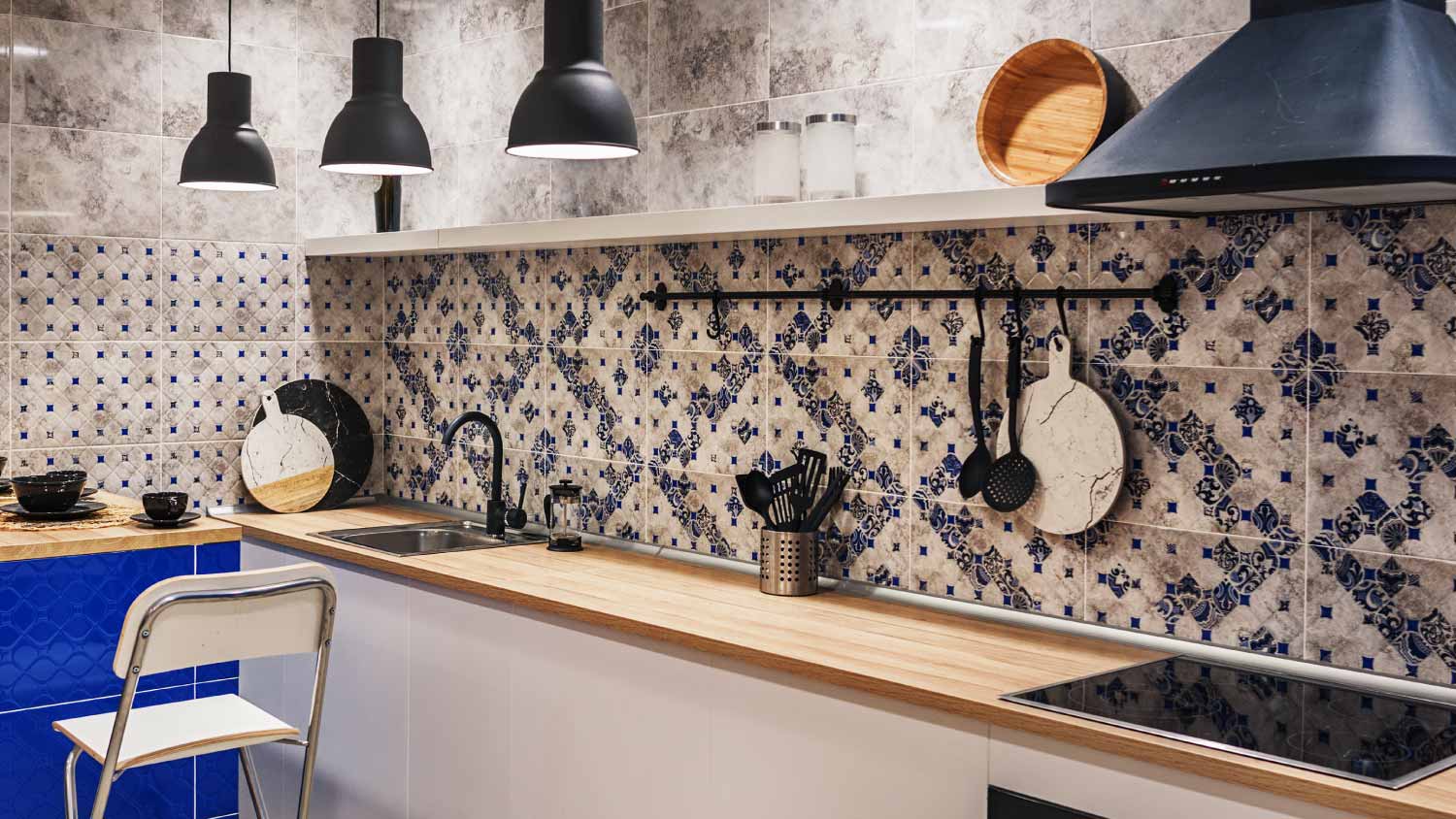
  • Installation Site: Costs vary for different areas. Common project costs are: kitchen floor ($870–$6,100), countertop or backsplash ($500–$3,000), bathroom floor ($300–$2,400), or shower wall ($225–$2,000).

  • Tile Type and Quality: The material significantly impacts price. For example, standard ceramic or travertine tile can cost about $1 per square foot, while luxury options like marble can be as much as $350 per square foot for the material alone.

  • Project Size and Complexity: The total square footage, the complexity of the pattern, and the shape of the tile (e.g., square, rectangle, hexagon, mosaic) will affect labor and material costs.

  • Site Preparation: The amount of prep work needed, such as removing old tile or installing a new subfloor or backer board, can add to the final price.

  • Tile Characteristics: The tile's durability rating and porosity can also influence the price.

  • Location: Labor rates vary by geographic location.

When choosing tiles for a shower floor, avoid highly porous tile materials, like those with a water absorption rating over 7%. Don’t use non-vitreous tiles, or tiles fired at low temperatures, because they will absorb more water. If you use a highly porous tile in the shower, the tiles can wear down faster, meaning they’ll need to be replaced much sooner.

The difference between floor and wall tiles is that floor tiles generally have higher strength and porosity ratings than wall tiles. Wall tiles are typically weaker and more likely to crack or become damaged under sustained pressure like high foot traffic. 

For this reason, avoid using wall tiles on floors and vice versa.

There are no unbreakable rules of design, but experts recommend against using large tiles in areas with poor subflooring where they’re more prone to cracking, in areas where the floor isn’t entirely level, over raised areas or dips, and in bathrooms where budget is the primary concern. The size of your bathroom shouldn’t be a reason not to use large tiles; in fact, larger tiles, also known as slab tiles, can be a modern and sleek choice for bathroom floors and walls.

The Eagle River, WI homeowners’ guide to ceramic tile services

From average costs to expert advice, get all the answers you need to get your job done.