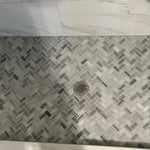
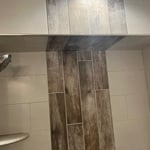
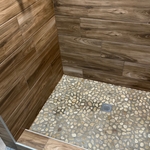
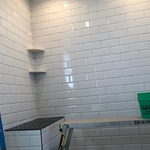
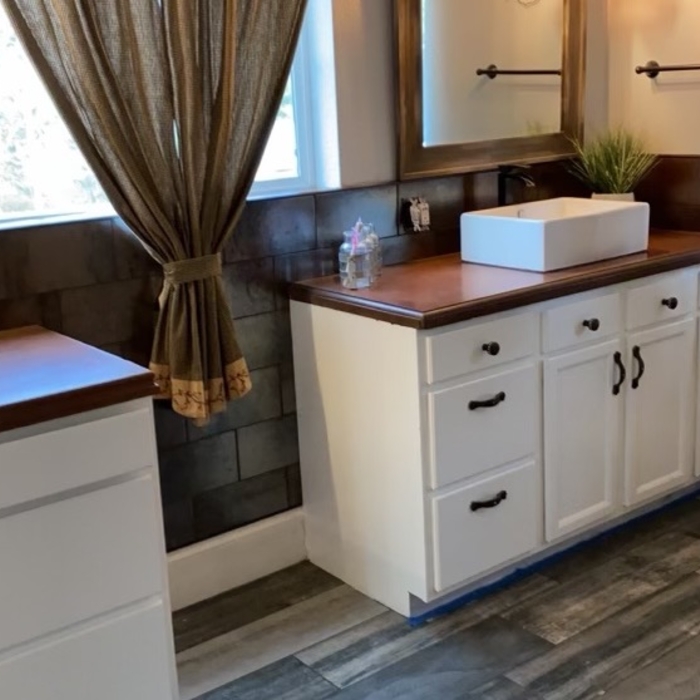
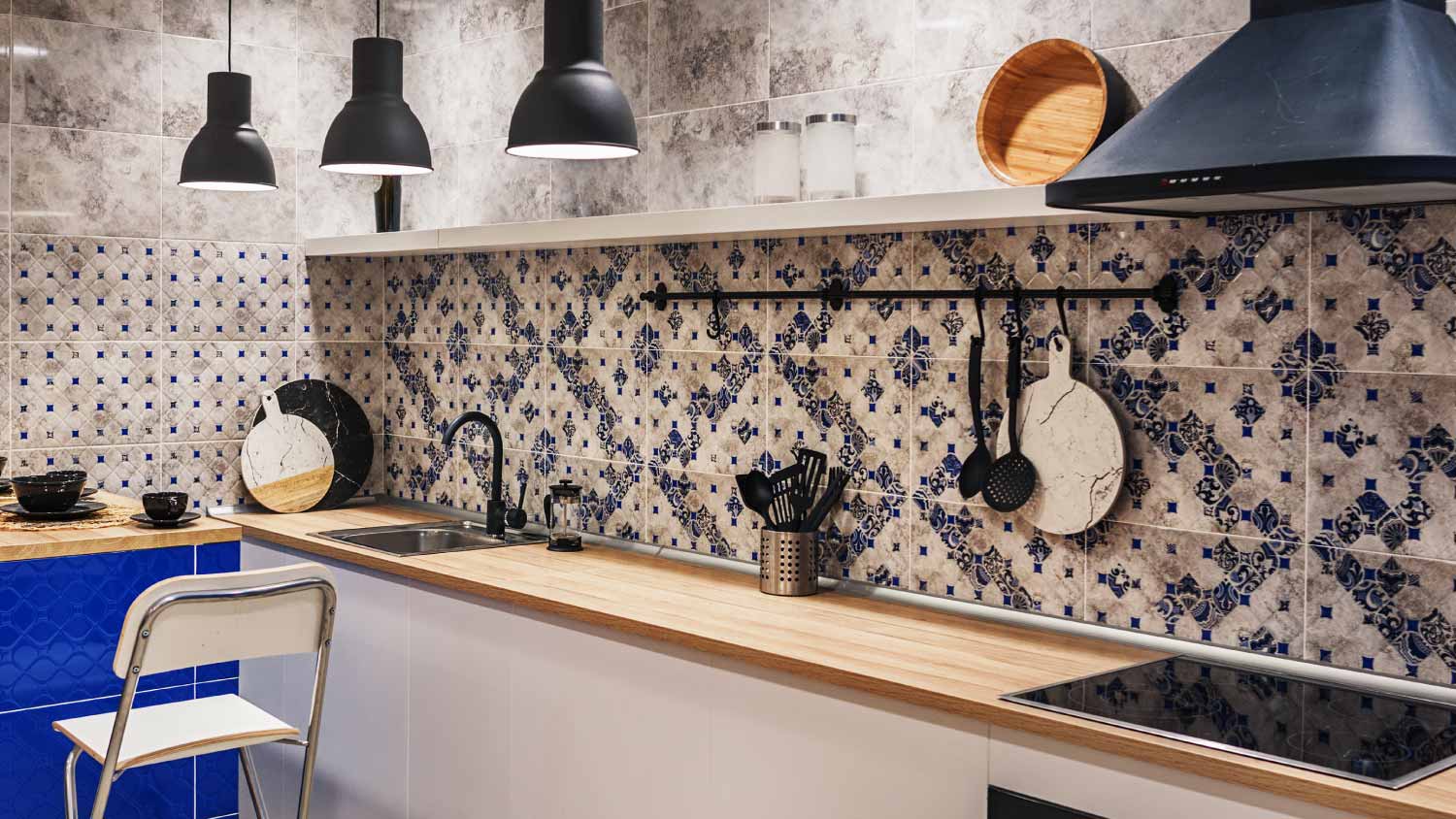
"Dewey was excellent. My tile is my favorite part of my bathroom. Larger rectangles with a veining that is so well matched. The workmanship was excellent, floor was ceramic wide plank wood look and is beautiful! He also came back to install my backsplash! I would highly recommend Dewey. Very clean and efficient and experienced. Got the job done very quickly!"
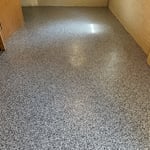
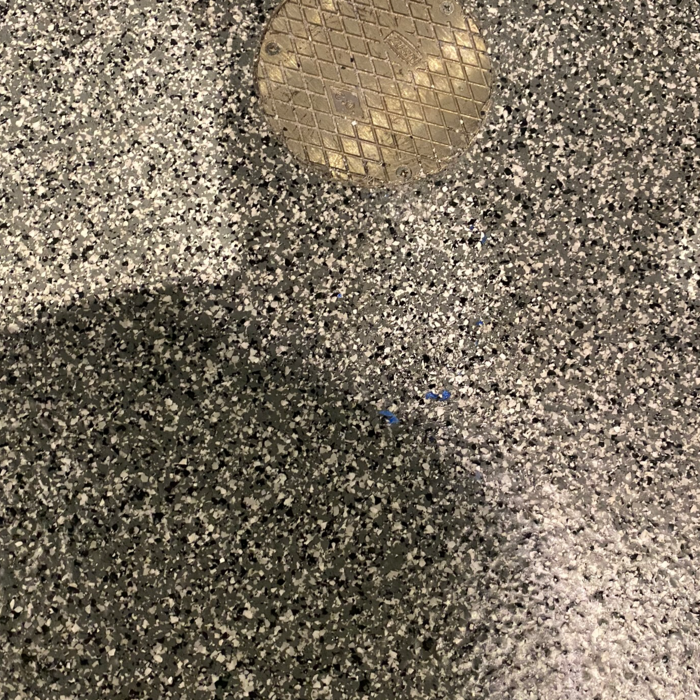
We specialize in epoxy, polyurethane, polyurea, polyaspartic & metallic floor coating. Great for garage, basement, barber/beauty shops, industrial/commercial, patio, pool, steps and more! Custom colors available upon request. We pride ourselves on the quality work we provide, while delivering great customer service. Check out all the services we offer below and call -or- click to schedule a free estimate today, no prep charge for the month of June!!
In this business, there are two kinds of people. The first would be the average company who works an area, doing the same jobs repetitively. The second, a company that has traveled state to state, completed jobs in every atmosphere, and with every request imaginable. We've done small bathroom remodels, to tile-animal art on private homes in upper class neighborhoods, to creating home decor and outside masterpieces completely out of tile, stone, marble, and about 35 other materials! Contact us for a free estimate within 45 miles from our home in Horicon, WI. We also handle intermediate electrical, masonry, remodels, demo, fencing, painting, intermediate plumbing, a lot of drywall of all types, and custom designs for household items such as cabinets, porches, decks, and more! This business is run by my dad, myself, my brothers, and 3 of my best friends. We work fast and accurately so you can hurry to enjoy your new home improvements/renovations! Clean up included, and WE meet YOU. Call for your free consultation day or night! We look forward to hearing from you soon.
"I met Jill at our home and she took measurements and photos of our sons' room. We talked briefly about my ideas for the space. She provided several concept boards, for window treatments, furniture, and an overall "look" for the rooms. She also provided us with floor plans for each room. She brought paint colors, fabric selections, etc. Our first job with Jill was our sons' room. For the playroom, she had some pretty unique ideas that were right in line with the contemporary- but not too modern- look we wanted. She helped me with tips on doing some of the decorative painting myself, but also provided a few resources in case we wanted to hire the job out. She also helped me coordinate a subcontractor who handled a set of beautiful custom blinds. Jill tells me that in some cases she handles all the shopping, but that's part of the fun for me so she provided a list of links and stores for the items she chose. She gave a few choices for almost every item- budget and higher end. That allowed me to meet my budget while still getting some showstopper items, because we were able to save in other areas. Within a few weeks the room came together and got rave reviews after I posted the before and after photos on Facebook. And of course our visitors were amazed at the transformation. In the interim, we were redoing our guest bathroom on our own, and Jill was able to come into the project to help us choose tiles, wall colors, and vanity choices. A quick job that turned out really well considering the turn around time. A few months later we hired Jill again to rethink our living room and dining room. We were on a much more limited budget for both rooms but wanted to see what she could come up with considering some challenges in both the shape of the rooms and that I wanted to integrate some antique pieces we already owned. She came up with a brilliant look that blended our older pieces with a contemporary and clean look and we came in well under budget. Working with Jill was a lot of fun and we expect to continue to work with her to refine the look of our home. When I was considering hiring an interior designer I was worried about my low budget and lack of experience hiring someone to make these kind of choices for me. But it turned out to be the best decision we've ever made for our home because she allowed us to transform each area well under budget and much more quickly than we ever could have done on our own (well, we would have taken forever to make a decision on every item!). My favorite rooms in the house are the ones she's worked on with us. I just feel so happy that we found Jill Seidner."
We pride our company on reliability, great communication, integrity, and quality work. We are experts in our trade and will do our best to keep you as educated as we can on your particular task or project. We look forward to earning your business!
For the best in tile installation and repairs, call Robert at BK Tile LLC. We are a locally owned and operated small business with over 21 years experience doing tile in Wisconsin. Call today for a free estimate .
We are a locally owned and operated company that values honesty and integrity and treats your home as if it were our own. We offer a variety of stone and tile services that are customizable to each individual project. We specialize in ceramic, porcelain, and a variety of natural stone tile installation. We pride ourselves on the quality of our work as well as our commitment to outstanding results. We look forward to building lasting relationships and guarantee your satisfaction!
We pride our company on reliability, great communication, integrity, and quality work. We are experts in our trade and will do our best to keep you as educated as we can on your particular task or project. We look forward to earning your business! Feel free to book online with us today!
At Klabunde Ceramic Tile, we pride ourselves on providing quality service that customers can believe in. Whether it's installs or grout cleaning, we can take care of all your interior tile. Ask us about our service! We look forward to working with you!
Jack of all trades, there is nothing we can't do! Available to start your project and complete ON TIME. Remodeling, plumbing, flooring, painting, electrical - you name it!
If you’re looking for a durable tile for a shower floor, consider porcelain, stone, or vinyl tiles. Each of these options, when installed correctly, will stand up well to everything from water and moisture to the impact from a dropped bottle of body wash. These materials are also easy to clean and maintain, making them popular options for shower floors.
Tile installation can be expensive because it requires more time and labor to install than many other materials. For example, laminate flooring can click and lock into place, and carpet comes in large rolls that you can secure to the floor. On the other hand, tiles need to be cut, laid individually, grouted, and left to cure.
The easiest tile size to install is large tiles, and they’re easier to install than small tiles—the job is faster and simpler when there’s less placing, adhering, and grouting to do. However, when tiles get really big, they’re more difficult to handle, cut, and fit. Standard floor tile sizes are 12-by-12 inches, 18-by-18 inches, and 12-by-24 inches.
For best results, you should remove the toilet in a bathroom before removing tile or installing new tile. If you don’t remove the toilet, it will be harder to fully waterproof the tile around the toilet, which could increase the risk of mold growth or plumbing leaks. If you have trouble removing the toilet, hire a plumber to help.
Tiling can be DIY with the right tools and skills, but challenges like ensuring evenness and appropriate adhesion often warrant professional handling.
The Gleason, WI homeowners’ guide to ceramic tile services
From average costs to expert advice, get all the answers you need to get your job done.
Whether it’s on your floor, walls, or shower, ceramic tile can add style to your space. So, how much does ceramic tile installation cost? Let’s break it down.
Learn how to hire a ceramic tile repair professional with confidence. Discover essential questions, qualifications, and costs to find the right expert for your project.
Porcelain and ceramic tiles aren’t exactly the same. Discover the key differences between porcelain versus ceramic tile, including cost, durability, and more.
Ceramic tile as a flooring option boasts a long list of advantages over other surfaces. However, there are also some key drawbacks worth considering. We’ve rounded up both the pros and the cons of ceramic tile into a helpful list.
You don’t always need a pro for ceramic tile installation. Follow these seven simple steps to transform the floor of any room in your home into the perfect space.