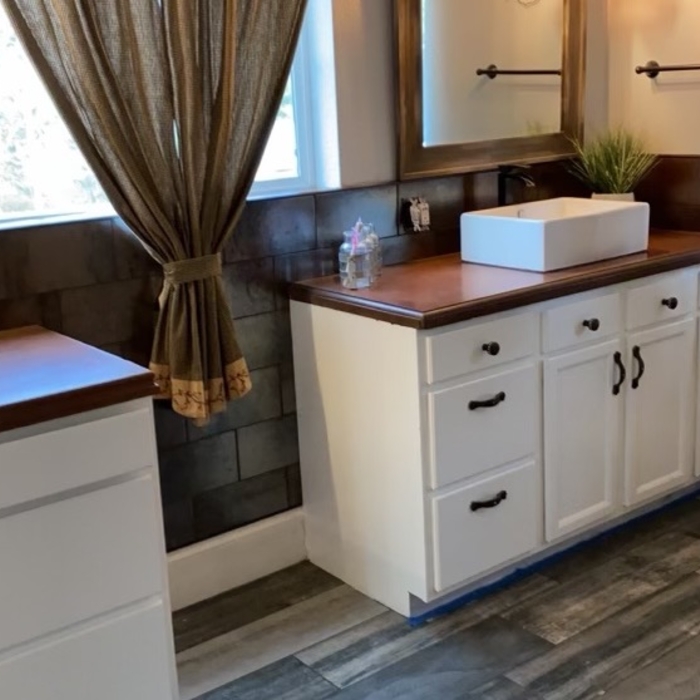





Top-rated ceramic tile pros.

Get matched with top ceramic tile pros in Minocqua, WI

Enter your zip and get matched with up to 5 pros

Need a pro for your ceramic tile service project in Minocqua, WI?

Select your specific project to find the pro for you.

Find Ceramic tile pros in Minocqua

John Polzin Tile Construction
New to Angi
Tile: Ceramic and Porcelain - Install - For Business

Serving Minocqua, WI and surrounding areas

In business since 2005

Free estimates

Credit card accepted

We are a locally owned and operated company that values honesty and integrity and treats your home as if it were our own. We offer a variety of stone and tile services that are customizable to each individual project. We specialize in ceramic, porcelain, and a variety of natural stone tile installation. We pride ourselves on the quality of our work as well as our commitment to outstanding results. We look forward to building lasting relationships and guarantee your satisfaction!

Response time7 hrs
Showing 1-10 of 17
Ceramic Tile questions, answered by experts

The average cost for tile installation is about $2,000, with a typical price range between $500 and $6,500. On a per-square-foot basis, you can expect to pay between $5 and $45 for installation.

Several factors influence the total cost, including:

  • Installation Site: Costs vary for different areas. Common project costs are: kitchen floor ($870–$6,100), countertop or backsplash ($500–$3,000), bathroom floor ($300–$2,400), or shower wall ($225–$2,000).

  • Tile Type and Quality: The material significantly impacts price. For example, standard ceramic or travertine tile can cost about $1 per square foot, while luxury options like marble can be as much as $350 per square foot for the material alone.

  • Project Size and Complexity: The total square footage, the complexity of the pattern, and the shape of the tile (e.g., square, rectangle, hexagon, mosaic) will affect labor and material costs.

  • Site Preparation: The amount of prep work needed, such as removing old tile or installing a new subfloor or backer board, can add to the final price.

  • Tile Characteristics: The tile's durability rating and porosity can also influence the price.

  • Location: Labor rates vary by geographic location.

Thinset mortar is the best adhesive for ceramic tiles on concrete. It is easy to work with and has a slower dry time than mastic or epoxy mortars. This longer dry time gives the installer more time to adjust tiles, which is especially useful for DIYers who may not have tile installation experience. It can also be built up to help level any depressions or gaps in the concrete subfloor.

Yes, you can tile a shower as a DIY project, and you can save hundreds of dollars in labor costs by doing so. However, you’ll need to rent or buy quite a few tools and supplies for the job, including a saw, tile nippers, and a new shower pan. In terms of the work itself, you should be prepared to tackle a variety of different tasks, including measuring and ordering materials, removing old tile, waterproofing the wall, adding rows of tile, grouting, and more.

Tile shouldn’t be set tight against the tub. Bathtubs can expand when filled, and they can shift slightly with the weight of occupants. For this reason, it’s important to leave a slight gap between the bathtub and the first row of tile. Aim for a narrow gap of approximately 1/16 of an inch, filled with caulk, to allow for this expansion and movement while still allowing for tile shower waterproofing.

On average, tiling a bathroom involves about 12 hours of labor, usually spread over two to three days to accommodate prep work and curing times. A professional tiler can often complete the installation in 6 to 8 hours, whereas a DIYer might take 10 to 16 hours. The total project time is influenced by factors like the bathroom layout, tile type, and necessary prep work, such as removing old tile. The process includes specific timelines for different areas; for example, tiling a floor takes about six hours, while a shower area can take six to ten hours. It is essential to allow for adequate curing time—typically 24 hours each—for the mortar, grout, and caulk, which is why the project extends over several days.

The Minocqua, WI homeowners’ guide to ceramic tile services

From average costs to expert advice, get all the answers you need to get your job done.