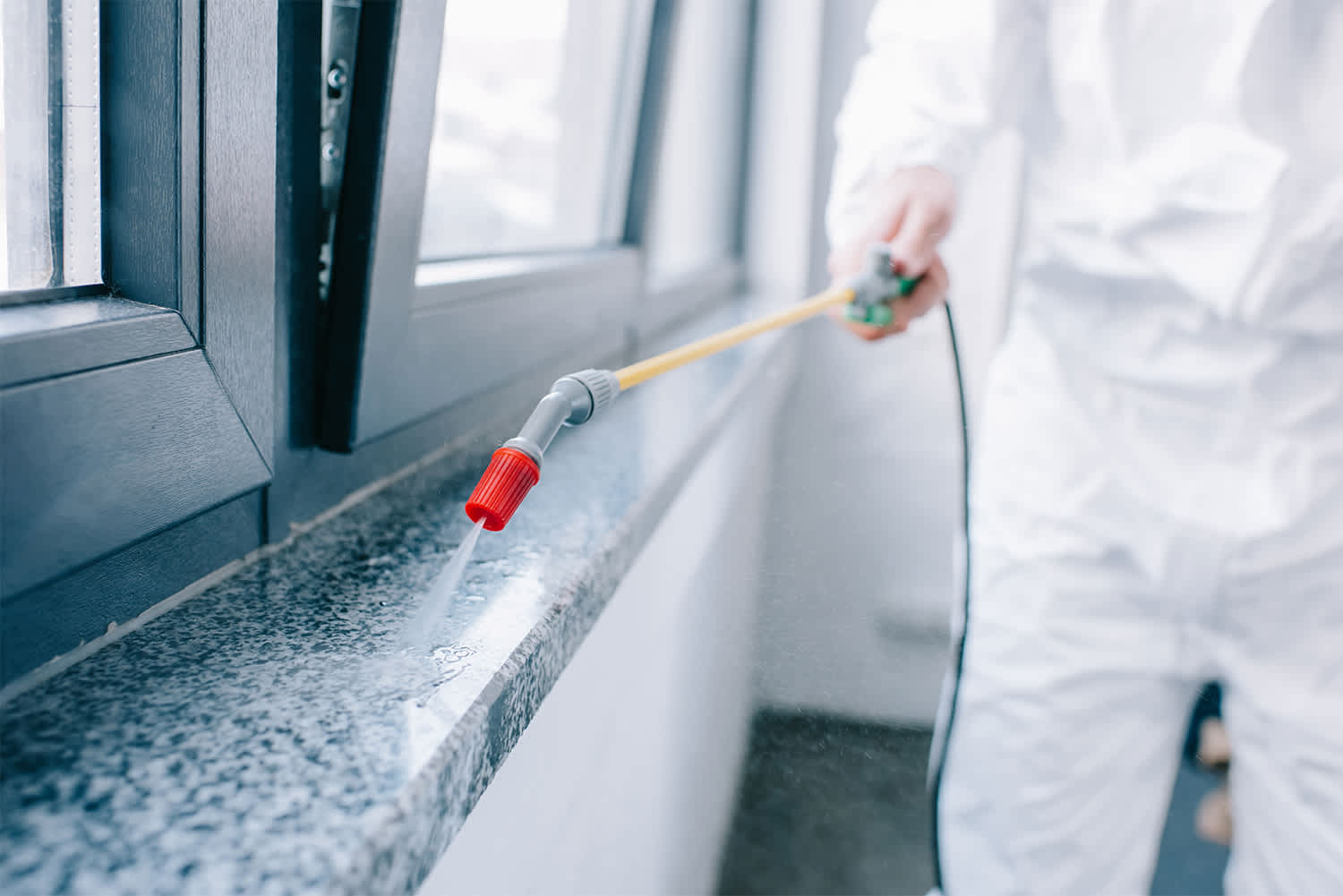
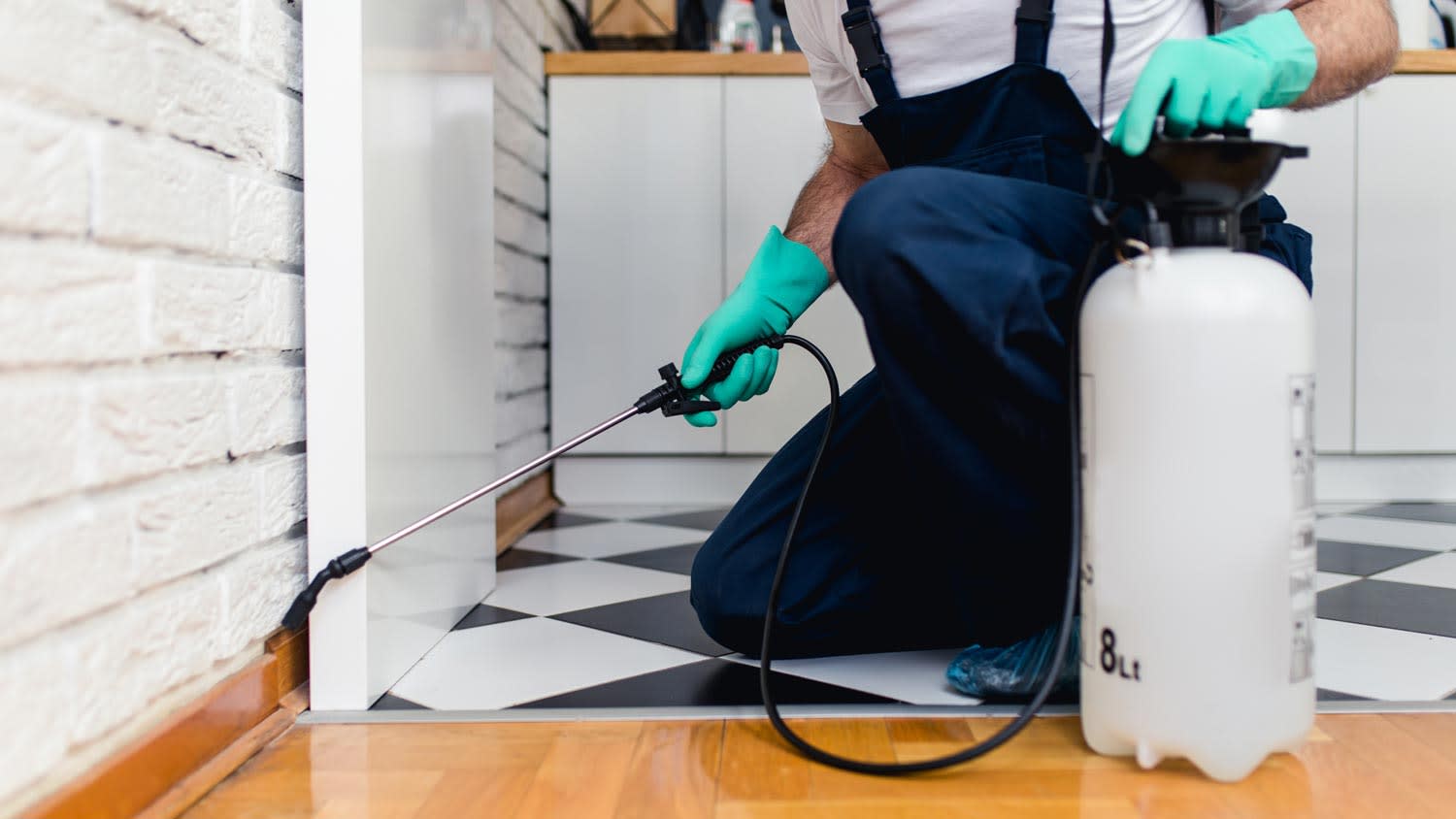
When pests show up, so do we.\n\nFor nearly a century, Terminix® has been one of America's most trusted names in pest control. Every day, our exterminators serve thousands of homes and businesses nationwide, combining national service with local knowledge to provide best-in-class, proactive pest management solutions. We stop problems before they start and respond quickly if issues arise, keeping your property protected.\n\nAnd for extra peace of mind, if pests come back, so do we — guaranteed.\n\nThe Terminix It Guarantee means that if pests come back, so do we, to re-treat at no additional cost. No excuses, just a commitment to care for your home like it's our own with protection you can trust.
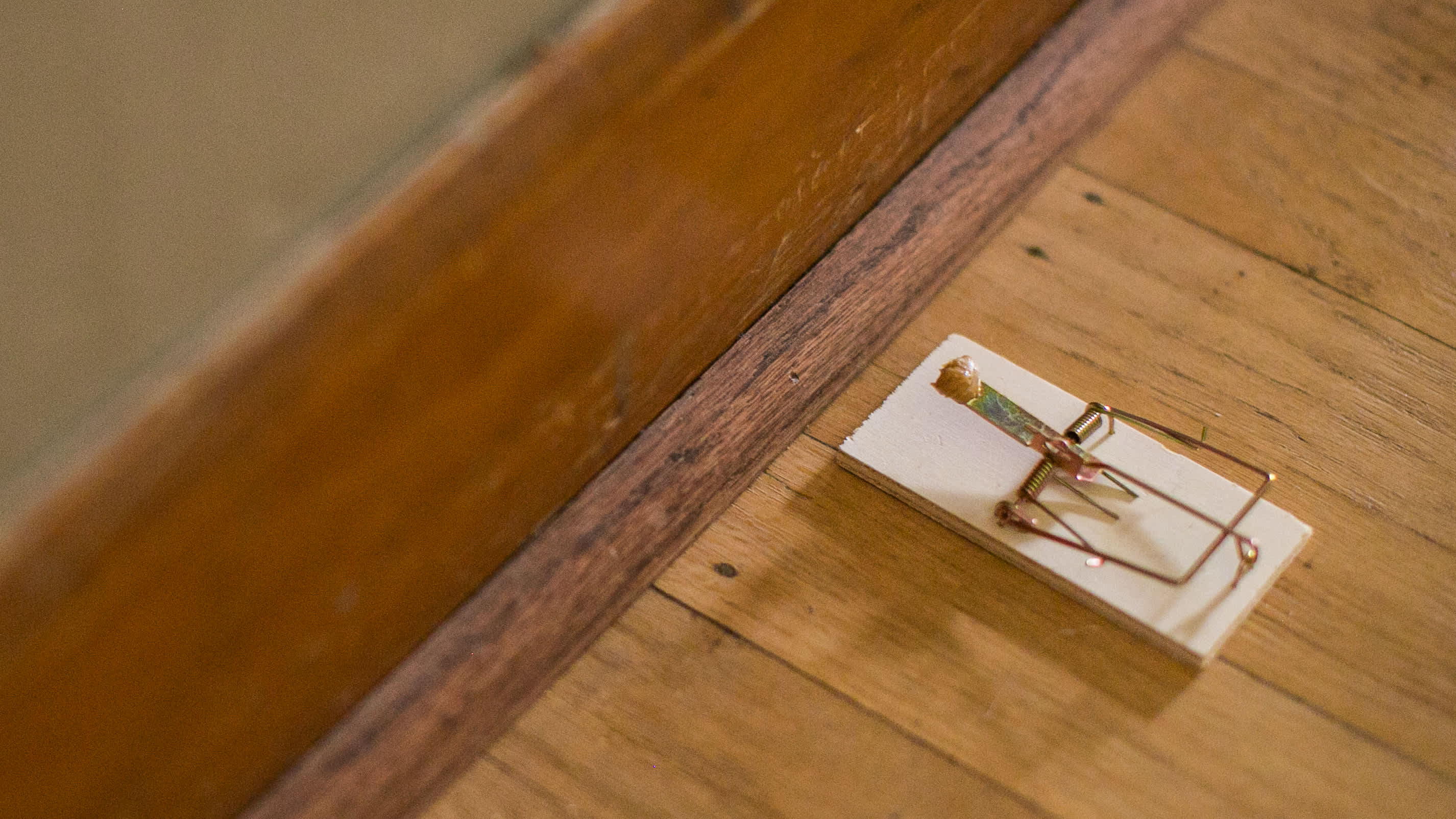
"Because of things beyond our control we had to keep putting off the actual setting of traps. When we finally were able to have them set they were prompt with their service and also gave us sound advice."
We are a family owned and operated, national franchise. We have top chemists from Bayer Chemical, with minimal impact on the environment. We are a full service company that values serving people, property, and peace of mind.
\n
\n
\n
\n
"I have a contract with them so I have to use them again. It pays for itself eventually if you get good repair people. You don't control who they send."
When you spray a roach, the chemicals, usually a mix of neurotoxins like pyrethroids or pyrethrins, start affecting its nervous system almost immediately. It disrupts the roach’s nerve signals, causing paralysis and eventually death. You'll often see the roach twitch, flip over on its back, and stop moving within seconds to minutes.
Spiders are most active during the warm spring and summer months. During this time, most spiders emerge from their hiding places to lay eggs and hunt for food. However, each species of spider is different and some are more active than others. Stay vigilant for signs of spiders in your home once the weather begins to warm.
Finding one termite could be a sign of an infestation. This termite could be a worker looking for food or a swarmer responsible for reproduction. Any time you see a termite crawling or flying around your home, or if you see their discarded wings around doors and windows, it’s time to call in a pro for an inspection.
Yes, they apply humane techniques, prioritizing environmental balance while addressing bee concerns.
No; ticks rarely infest buildings. They prefer to stay outdoors waiting for a potential host to pass by. However, while ticks do not infest beds, they can get indoors by attaching themselves to pets, clothing, or outdoor gear. A live tick may survive in your bed for around 24 hours, but it certainly won’t breed or start an infestation.
The Eagle River, WI homeowners’ guide to pest control services
From average costs to expert advice, get all the answers you need to get your job done.