




Top-rated electricians.

Get matched with top electricians in Avoca, WI

Enter your zip and get matched with up to 5 pros

Need a pro for your electrical service project in Avoca, WI?

Select your specific project to find the pro for you.

TRUSTED BY AVOCA, WI HOMEOWNERS

  • Average homeowner rating star icon4.9
    Average homeowner rating
  • Verified reviews icon11
    Verified electrical services reviews

Find Electricians in Avoca

Showing 1-10 of 41
Electrical questions, answered by experts

The NEC prohibits the installation of electrical panels within clothing closets. Closets are filled with flammable items like clothing, mothballs, shoe polish, plastic containers, and exposed light bulbs. If the panel develops a small electrical fire, it won’t take long to bloom into a real disaster. If you have an electrical panel in one of your home’s closets, move it as soon as possible with the help of a professional electrician.

The hot wire is typically black, but it's essential to use a non-contact voltage tester to confirm the electrical wire color code before working on it. Neutral wires are typically white. It’s vital to determine which wire is carrying electrical current before proceeding with any electrical work.

It’s not a good idea to mix LED and incandescent Christmas lights if you can avoid it. LEDs and incandescents can have significantly different electrical current needs. This difference can lead to a higher risk of problems and failure for both light strands. When possible, switch all your lights over to one kind or the other for the best results. Do not connect the different types of light strings to each other, and avoid linking them to the same circuit. 

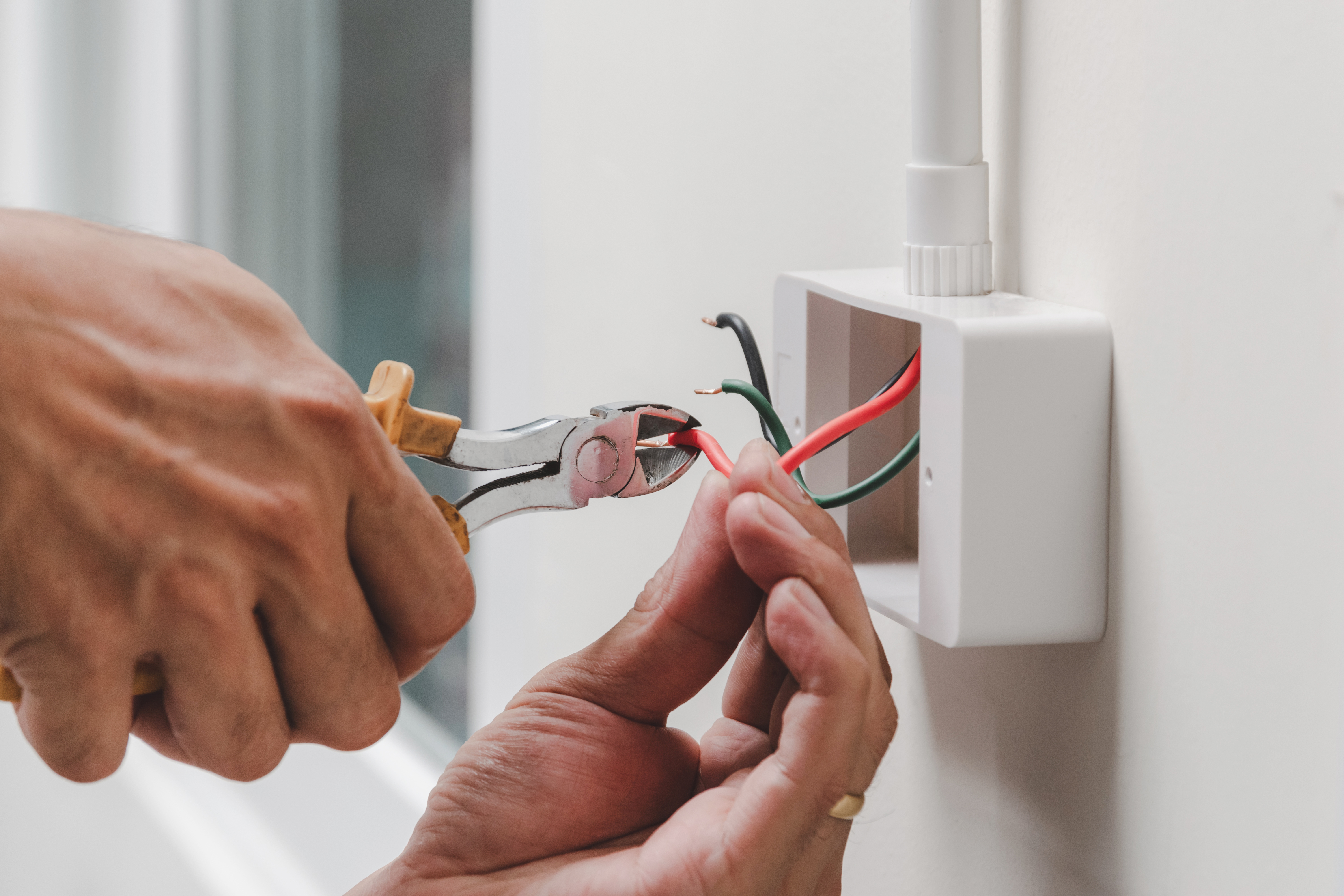
Using a wire stripper/cutter, strip about 1/2 inch to 1 inch of sheathing from electric wires, depending on the application. A self-adjusting wire stripper/cutter works best, but a standard wire stripper/cutter with holes for different gauges of wire works as well to cut and strip away the sheath without damaging the copper wire inside.

Yes, pool pumps use a significant amount of electricity, making them one of the biggest energy consumers in a home. A pool pump can use up to three times as much electricity as a refrigerator. Typically, a residential pool pump consumes about 1 kilowatt-hour (kWh) for every hour it runs. Because pumps often need to run for about eight hours a day to properly filter the water, this can add up to an annual consumption of 3,000 to 5,000 kWh, which can cost between $480 and $800 per year based on average electricity rates.

The amount of electricity your pump uses depends on its size, energy efficiency, and daily run time. To lower your energy consumption, you can choose an energy-efficient or variable-speed pump, ensure it is correctly sized for your pool, and run it only for the minimum time required to keep the water clean.

The Avoca, WI homeowners’ guide to electrical services

From average costs to expert advice, get all the answers you need to get your job done.