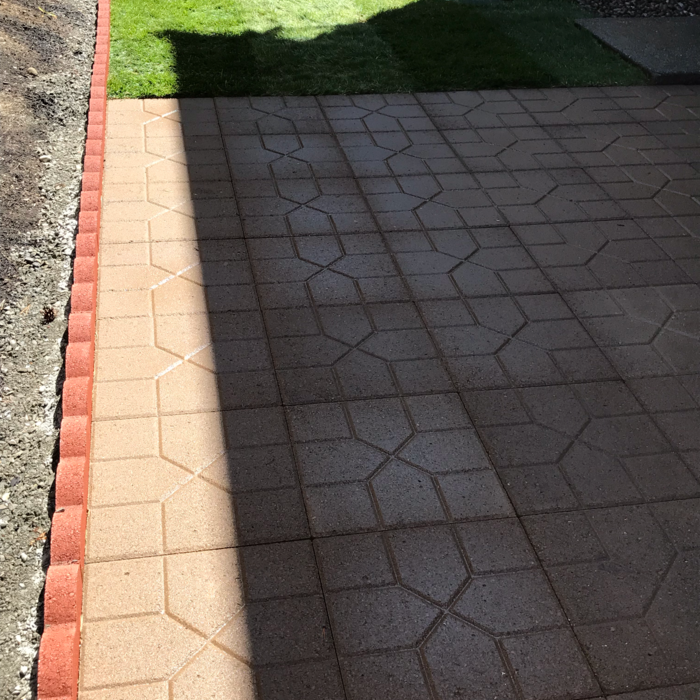

Top-rated weed maintenance pros.

Best weed maintenance pros near Olympia, WA

Enter your zip and get matched with up to 5 pros

Need a pro for your weed maintenance project in Olympia, WA?

Select your specific project to find the pro for you.

TRUSTED BY OLYMPIA, WA HOMEOWNERS

  • Average homeowner rating star icon4.5
    Average homeowner rating
  • Verified reviews icon306
    Verified weed maintenance services reviews

Top-Rated Weed maintenance pros in Olympia - Updated Nov 2026

Avatar for N L Landscaping
N L Landscaping
5.0(
14
)
Lawn Care - Maintain and Mow a Lawn

Serving Olympia, WA and surrounding areas

Approved

Super Service Award Winner

In business since 2011

Free estimates

Small jobs welcome

"Jose and his crew did a great job for me. They were fast, and did exactly what we talked about doing. Cleanup of the yard, mow, weed, topsoil/manure for new seed. I’m sure it will look great in no time"
Response time5 hrs
Response rate90%
Recommended by69%of homeowners
...
Showing 1-10 of 299
Weed Services FAQs, answered by experts

Each type of weed comes with its own control methods, but stopping the seed spread is the first step. Grazing, mowing, and hand pulling can slow the invasion. In some cases, selective herbicide is necessary to stop a persistent weed from overtaking an area.

You should add 1 to 4 inches of mulch, depending on your garden type and needs. Keep in mind that no amount of mulch can completely prevent weeds, but a heavier coverage (closer to 4 inches) can suppress weeds enough that you are only seeing them sprout every few weeks. Finer mulch prevents weeds more effectively than large mulch, so if you’re using mulched leaves or shredded bark, 1 to 2 inches will likely suffice, while 3 to 4 inches is best for larger mulch, like bark chips or straw.

Too much clover in your lawn can indicate several issues with your soil. Clover can thrive in soils with abnormally high pH, low-cut grass, and low nitrogen. Amending these issues can push clover out for good.

Hardy perennial clover loves the low nitrogen and compact conditions that often come with poor, infertile soils. But other factors also contribute to a clover explosion, including drought conditions, cool temperatures, under fertilization, and over-irrigation. You’ll need to evaluate all these elements when planning to kill off the clover.

Purchase a selective herbicide that targets clover and similar weeds but doesn't take out your grass. You can also keep it from growing with corn meal gluten or remove clover from your lawn manually at the start of the season as part of your lawn maintenance checklist.

Each season’s climate influences approaches needed for effective suppression.

The Olympia, WA homeowners’ guide to weed maintenance services

From average costs to expert advice, get all the answers you need to get your job done.