

Leveling your yard can help with drainage and prevent damage to your home. Learn the cost to level a yard and what factors can affect the price.
Lawn service costs depend on your project and location. Check with a local pro for your specific job.


Lawn seeding services for your yard cost between $438 and $1,757, with prices determined by your lawn size and condition.
The grass seed variety you choose impacts your costs, with fescue being the most affordable option and Kentucky bluegrass costing the most.
You should account for the cost of add-on services like aeration, fertilization, and weed treatment when you create your budget.
Hiring a local lawn seeding professional ensures your grass species selection matches your climate and saves you time on ongoing reseeding.
In 2026, the national average cost to seed or reseed a lawn is $1,082, based on data from 1,201 verified projects reported by Angi Pros. Most homeowners pay between $438 and $1,757, with the spread driven primarily by yard size, lawn condition, and grass seed variety. Reseeding runs $0.10 to $0.20 per square foot depending on the scope of work.
Several factors influence the cost of seeding, reseeding, or overseeding your yard, including the type of seed and labor costs. Understanding each factor helps you build a realistic budget before work begins.
Reseeding or overseeding a lawn costs an average of $0.10 to $0.20 per square foot, with your total depending on how much ground needs to be covered. Smaller yards with patchy areas cost less overall, while larger properties push the total higher. The table below breaks down seeding and reseeding costs based on lawn size:
| Lawn Size | Average Cost (Labor and Materials) in 2026 |
|---|---|
| 500 square feet | $50–$100 |
| 1,000 square feet | $100–$200 |
| 2,000 square feet | $200–$400 |
| 3,000 square feet | $300–$600 |
| 4,000 square feet | $400–$800 |
| 5,000 square feet | $500–$1,000 |
| 1 acre | $3,000–$5,900 |
| 2 acres | $6,000–$11,800 |
| 5 acres | $15,000–$17,700 |
Seeding a new lawn costs $400 to $1,500, roughly the same as reseeding or overseeding an existing lawn. Most homeowners reseed to fill in patchy areas rather than starting from scratch. Seeding a brand-new lawn is less common and usually associated with new-construction homes or properties where a large section of lawn was removed during a renovation.
Laying sod delivers instant results, but the cost of sod installation runs $1,100 to $3,000—significantly more than seeding. Seeding is the more budget-friendly option, though it requires weeks of waiting before new growth appears. Sod is worth the premium when you need a finished lawn quickly, while seed works well for patient homeowners willing to tend to new growth over time.
The table below breaks down the key differences between seeding a new lawn and laying sod:
| Seeding New Lawn | Laying Sod |
|---|---|
| $450–$1,800 | $1,100–$3,000 |
| Can appear patchy until it matures | Instant visible results |
| More DIY-friendly | Limited weeds |
| Longer time to maturation | Flexibility with installation timing |
| Wider seed varieties available | Restricted grass choices |
The seeding method you choose plays an important role in the overall project cost, with each approach suited to different lawn conditions and budgets. Some methods work best for large open areas, while others are designed specifically for bare or heavily damaged patches. Here’s how common seeding methods compare by cost per square foot, plus a description of each one:
| Seeding Method | Cost per Square Foot in 2026 | Description |
|---|---|---|
| Lawn aeration | $0.10 to $0.35 | Small holes are made in the lawn to allow air, seeds, and water to penetrate the soil; a time-consuming method |
| Hydroseeding | $0.08 to $0.20 | Quicker and easier than traditional seeding; involves a spray-on grass seed that combines fertilizer, seed, mulch, soil amendments, and water |
| Power seeding | $0.09 to $0.18 | Only recommended for areas of a lawn that are very patchy or bare; a machine cuts a slit into the ground and manually places the seed in the hole |
You'll pay more to seed, reseed, or overseed your yard if it's in bad shape. If there are large dead patches of grass and weeds, you may need to clear these areas before you reseed or even consider installing new sod. When seeding your lawn, it may also be necessary to use a starter fertilizer and aerate the lawn to give the new seed optimal growing conditions.
Labor typically costs between $250 to $350 to seed, reseed, or overseed a lawn. Labor costs rise when large dead sections need to be removed before new seed can be applied. For smaller reseeding jobs covering limited areas, you can expect to pay toward the lower end of that range.
Where you live has a meaningful impact on what you'll pay to reseed a lawn, with regional labor rates and local market conditions driving the difference. In Detroit, the average cost to reseed a lawn is $660, while homeowners in Los Angeles pay an average of $2,020 for the same project. Getting quotes from local pros is the best way to understand pricing in your specific market.

Reseeding a yard involves spreading new grass seed over existing grass to fill out thin areas and keep your lawn healthy and green. Seed prices vary by grass type, so matching the right variety to your climate is key to getting the best value. Consult a local lawn seeding pro to determine which grass species will thrive in your yard.
The table below breaks down how common grass types compare by cost, plus how much is needed per 1,000 square feet:
| Grass Type | Cost Per Pound in 2026 | Cost for 50-pound Bag in 2026 | Pounds Needed Per 1,000 Sq. Ft. - New Yard | Pounds Needed Per 1,000 Sq. Ft. - Existing Yard |
|---|---|---|---|---|
| Bahia | $10 | $170–$200 | 10 pounds | 5 pounds |
| Clover | $4 | $80–$200 | 2 pounds | 1 pounds |
| Kentucky Bluegrass | $6 | $300–$400 | 4 pounds | 2 pounds |
| Fescue | $3 | $100–$250 | 10 pounds | 5 pounds |
| Bermuda | $6 | $230–$380 | 2 pounds | 1 pounds |
Planting a new yard requires twice as much seed as overseeding or reseeding an existing lawn. Knowing your square footage and grass type before purchasing seed helps you avoid over-buying or running short mid-project.
Bahia grass seed costs an average of $10 per pound. This type of warm-season grass grows best in hot climates and tolerates drier conditions, making it a good fit for lawns in the Southern United States.
Clover grows best in a temperate climate. It costs an average of $4 per pound, making clover an affordable lawn reseeding option. Clover also requires minimal maintenance, which means that it’s a good choice for shady areas and problem spots.
“As a bonus: It’s a nice option for attracting pollinators,” says Tara Dudley, Angi Expert Review Board member and owner of Plant Life Designs.
Just keep in mind that clover is not a grass, and may not be allowed in some areas where it’s considered a weed that you should kill.
Kentucky bluegrass seed costs an average of $6 per pound. This type of seed also does best in a temperate climate. It’s a good fit for areas with high foot traffic, so consider this option if you have kids or dogs that like to play outside. But, Dudley advises, it will go dormant in the summer without regular watering.
At $3 per pound, fescue is one of the most affordable grass seed options. This type of grass seed does best in temperate areas. Fescue is known for its resilience and durability. It’s a good pick if you live in a cooler climate and want an attractive lawn at an affordable price. “Fescue blends are versatile and tend to do better in shadier conditions,” says Dudley.
Bermuda grass seed costs an average of $6 per pound. This type of grass grows best in warm climates and is a good fit for the Southern United States. It is resistant to heat, drought, and salt.
Beyond the base cost of seeding, re-seeding, or overseeding your yard, several add-on services can meaningfully improve your lawn's health and long-term results. Budgeting for these extras upfront helps you avoid surprises and get the most out of your investment. Here are the additional costs to consider for this project:
| Additional Service | Average Cost in 2026 | Description |
|---|---|---|
| Aeration | $100–$400 | Loosens compacted soil; stimulates root system |
| Soil Tests | $700–$2,100 | Adds nutrients to promote lawn health |
| Leaf Removal | $200–$560 | Determine soil type and nutrient balance |
| Weed Treatment | $110–$325 | Clearing leaves from yard |
| Mowing | $50–$210 | Cutting grass regularly |
It’s possible to seed your own lawn with some affordable tools, and doing the work yourself will save you an average of between $250 and $350. However, hiring a lawn seeding pro near you may be worth it for the experience and expertise they bring to the table. Having a professional weigh in on grass species, seeding volume, and add-on services, like fertilization, can result in a nicer lawn and lower ongoing costs for reseeding.
There are a few key benefits to hiring a pro that you should consider before you decide if saving money on labor is really worthwhile.
Professionals can recommend specific grass species and fertilizers to maximize grass growth in your specific climate.
Experts have equipment to carry out add-on services that can improve lawn health, including aeration and weed treatments.
Pros often have tow-behind seeders to save time and get a more even application of seed.
Pros can carry out soil tests to identify if you need any soil amendments for grass growth, which could end up saving you money over time on reseeding.
Since it’s best to reseed and overseed your lawn annually, saving money on this project without sacrificing a beautiful yard is an important piece of the puzzle.
Choose the most cost-effective seed that will grow in your area instead of a more expensive option.
Reseed in stages, starting with the front yard first and working toward the back yard at a later time.
DIY some of the project, such as mowing, weeding, and general preparation.
Consider a package plan that bundles services together for a potential overall discount.
Reseed as soon as you find a trouble spot to cut down on the overall work needed.
Bundling reseeding into a general lawn care plan is one of the most effective ways to reduce your overall costs. Many local lawn care services offer packages that include a regular schedule of lawn maintenance tasks such as fertilization, aeration, weed control, and mowing. Pricing varies by company, so it pays to shop around and compare what each plan includes before committing.
Adding grass seed to a new bare yard makes sense, but when should you be reseeding and overseeding an existing lawn? To keep your lawn looking lush and green, it’s best to reseed or overseed every year, either in the late summer or early fall. However, there are some tale-tell signs that you need to be overseeding and reseeding, including:
Grass that looks thin or sparse
Areas with no grass
Brown or yellow discolorations in the yard
Slow-growing grass
Home is the most important place on earth, which is why Angi has helped more than 150 million homeowners transform their houses into homes they adore. To help homeowners with their next project, Angi provides readers with the most accurate cost data and upholds strict editorial standards. We’ve surveyed thousands of real Angi customers about their project costs to develop the pricing data you see, so you can make the best decisions for you and your home. We pair this data with research from reputable sources, including the U.S. Bureau of Labor Statistics, academic journals, market studies, and interviews with industry experts—all to ensure our prices reflect real-world projects.
Want to help us improve our cost data? Send us a recent project quote to [email protected]. Quotes and personal information will not be shared publicly.
We had our houses windows and back door replace this summer by Window Depot USA of Central. He gave us grate advise and saved my family lots money. The team did a fantastic job with installation. If you need help, they sure get job done right!
 Window Depot USA of Central Ohio
Wonderful. I am going to have them remove and replace my driveway in the spring.
 All Star Paving and Sealing
We were having 2”x 2” tile installed . There was a small installation error and the new additional replacement tile was from a different lot and the colors didn’t match. Joe assured us that he would rectify everything , which he did without hesitation. We decided to go with the 18” x 36” tile...
 CarifaTile
We had a 20+ year old landscape lighting system that needed replacement. Midwest Lightscapes worked with us to design a much improved lighting system, lighting the exterior of the house and the back yard. Installation of the 45 light system took one and one-half days, and went very smoothly....
 Midwest Lightscapes
Did an amazing job transforming my yard. Also installed sod in places, would recommend to everyone.
 Cardinal Landscaping & Construction LLC
We hired Jim to replace our hardwood floors with new hardwood. He and his helper Jerry did a fantastic job. Their work ethic is impeccable!! We would highly recommend McColl Floors!
They show up and they did take us on as a client which seems to be a problem with other lawn care providers. We have multiple properties and this one was located close to downtown and no one really wants to mess with it.
The worker came out when he was supposed to come. He informed me he would honor the Angie's List deal, but would not do any more work for me since my son in law owns lawn care company as well, even though they do not do the same type of work. He said he did not feel comfortable giving me...
 Bello Giardino LLC
E & L Lawn Care was super. They were very responsive before and after service. They were efficient and were able to complete the job within 1 day. I have had concern about one section of sod - the owner was pro-active and did a visit to evaluate. I have no doubt they will stand behind...
 E&L lawn care
From average costs to expert advice, get all the answers you need to get your job done.
Leveling your yard can help with drainage and prevent damage to your home. Learn the cost to level a yard and what factors can affect the price.
Discover yard drainage cost estimates, including average prices, key cost factors, and tips to help you budget for your yard drainage project.

A yard cleanup can keep your lawn clean and prepare it for the next season. Find out the average yard cleanup cost and what can affect it.
Learning how to reseed a lawn can be the answer to saving a yard from pests, disease, and pushy weeds. Find out what your lawn needs and reseed like a pro.
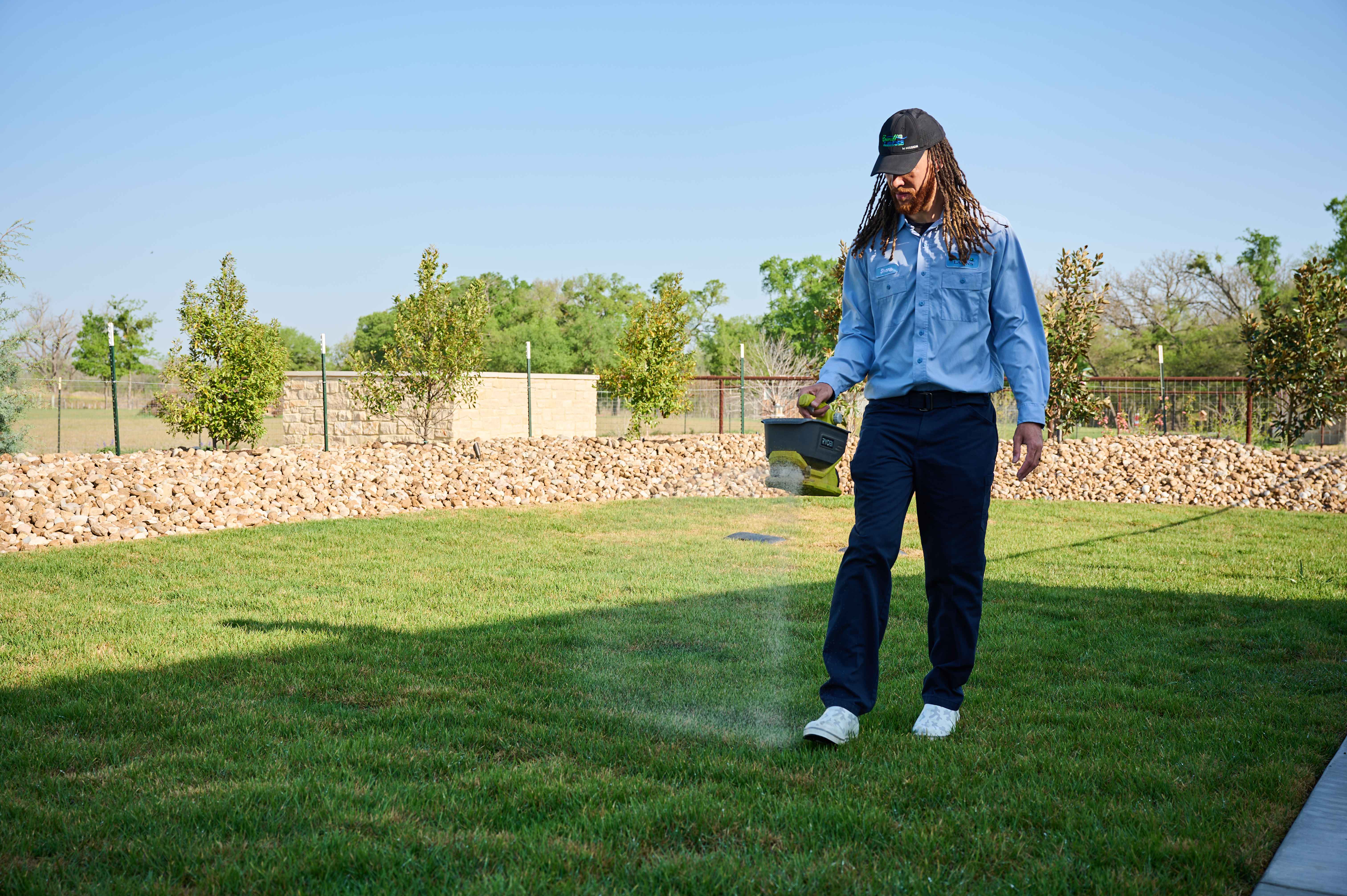
Overseeding your lawn can help fill in sparse areas and grow thick, lush grass without starting over. Find out how to overseed a lawn successfully.

Learn how to remove yard waste properly and efficiently with these methods.