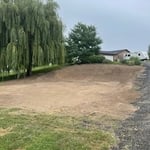


Top-rated excavation pros.

Get matched with top excavation pros in Harrah, WA

Enter your zip and get matched with up to 5 pros

Need a pro for your excavation project in Harrah, WA?

Select your specific project to find the pro for you.

Find Excavation pros in Harrah

Avatar for Advanced Hardscapes LLC
Advanced Hardscapes LLC
5.0(
6
)
Landscape - Minor Grading or Resloping

Serving Harrah, WA and surrounding areas

In business since 2024

Emergency services offered

Warranties offered

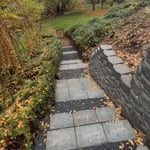
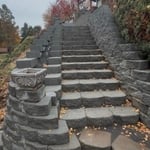
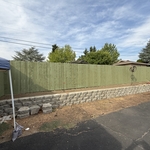
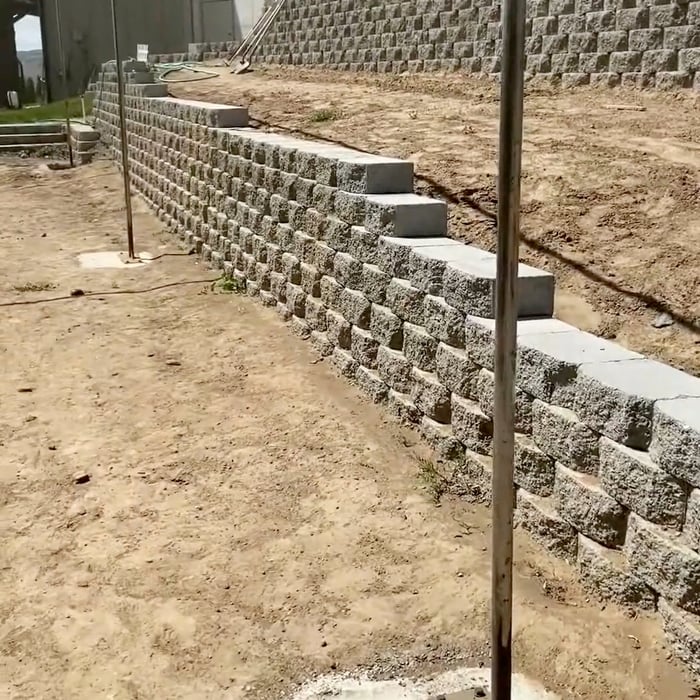
"Advance Hardscapes LLC did an excellent job on my retaining wall. From start to finish, their team was professional, knowledgeable, and easy to work with. The quality of their workmanship really shows—the wall is solid, well-built, and looks great. They paid close attention to detail, stayed on schedule, and made sure everything was done right. I’m very happy with the final result and would highly recommend Advance Hardscapes LLC to anyone looking for reliable, high-quality hardscape work."
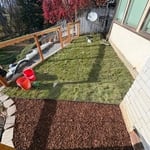
Lawn remodel
Retaining wall
Retaining wall
Wooden Fence
Retaining wall

+1

INTERSTATE EXCAVATING LLC
New to Angi
Building Site - Preparation and ClearingBuilding Site - Preparation and Clearing - For BusinessExcavation - Major Grading or Resloping+2 more

Serving Harrah, WA and surrounding areas

In business since 2008

Free estimates

Credit card accepted

We are a locally owned and operated company that values honesty and integrity in all aspects of our business. Our major focus is on the quality our work and producing outstanding results. We are committed to creating a level of value unmatched by any of our competitors. We look forward to building lasting relationships with our clients and guarantee your satisfaction!\n

Response time3 hrs
Calvert Excavating, Inc.
New to Angi
Building Site - Preparation and ClearingBuilding Site - Preparation and Clearing - For BusinessExcavation - Major Grading or Resloping+2 more

Serving Harrah, WA and surrounding areas

In business since 2022

Free estimates

Credit card accepted

Thank you for visiting Calvert Excavating, Inc.! We are your locally owned and operated excavation specialists based in Selah, WA. We service residential clients throughout Yakima and the surrounding areas. Contact us now for your free estimate--we look forward to working with you soon!

Showing 1-10 of 37
Excavating questions, answered by experts

A trench that is less than 5 feet deep often doesn't require a protective system. Most residential trenches will not go this deep (the typical residential drainage trench is just 18 inches deep). In the event that an excavator needs to dig more than 5 feet beneath the surface, a protective system is required unless the excavation is in entirely stable rock.

Trenching and boring are two distinct methods for installing underground utilities. Trenching involves digging a channel using equipment like an excavator, trencher, backhoe, or shovel. While it is a simpler process, it causes significant disruption to the surface, landscaping, and surrounding ecosystems.

Boring, also known as directional boring, is a less invasive alternative that uses a drill to create a tunnel for utility lines without disturbing the surface. This method is more precise and is ideal for installations that need to go underneath buildings, roads, or bodies of water. Although boring is less disruptive, it is generally more expensive than trenching.

Above ground pools are not buried in the ground. Typically, above ground pools are semi-permanent. One reason they’re more affordable is that you don’t have to dig for an inground pool and pour concrete or another material. However, you can choose to install a semi inground pool, which is a hybrid between the two.

The rules for trenching and excavation include setting up and following safety protocols, learning how to use tools and machines properly, and ensuring there is a safe exit for all workers. Keep heavy equipment and materials away from the edge of the hole or trench. Call the 811 dig line before starting any excavation or trenching project to ensure you don’t hit any electrical or gas lines.

Septic drain lines (or leach lines) are typically buried between 18 and 36 inches underground, and should be at least 6 inches below the surface. These pipes are perforated and surrounded by filtering materials like sand or gravel. Burying the lines at this depth helps minimize odors and allows bacteria and other biological processes in the soil to effectively treat the wastewater. Burying lines too close to the surface can cause issues unless the soil is very compact and stable.

The Harrah, WA homeowners’ guide to excavation services

From average costs to expert advice, get all the answers you need to get your job done.