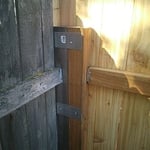
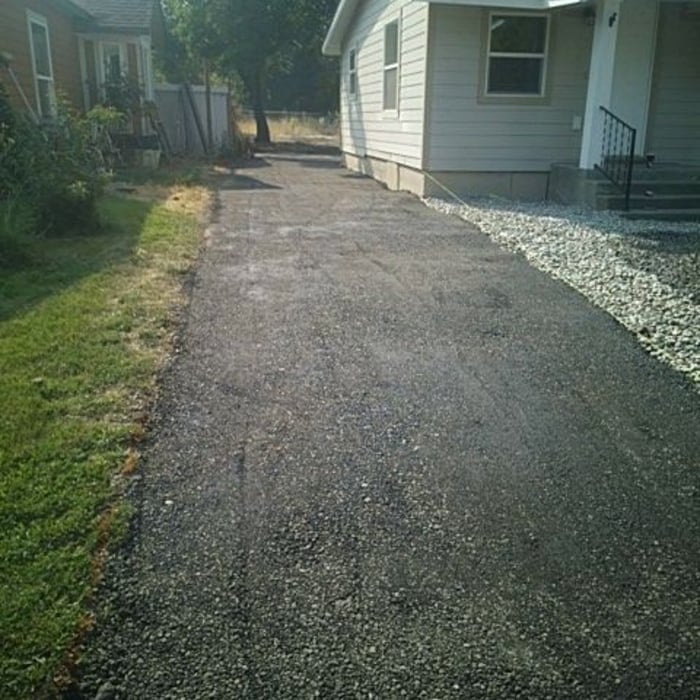
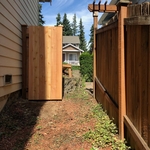
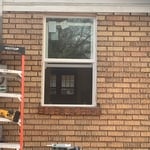
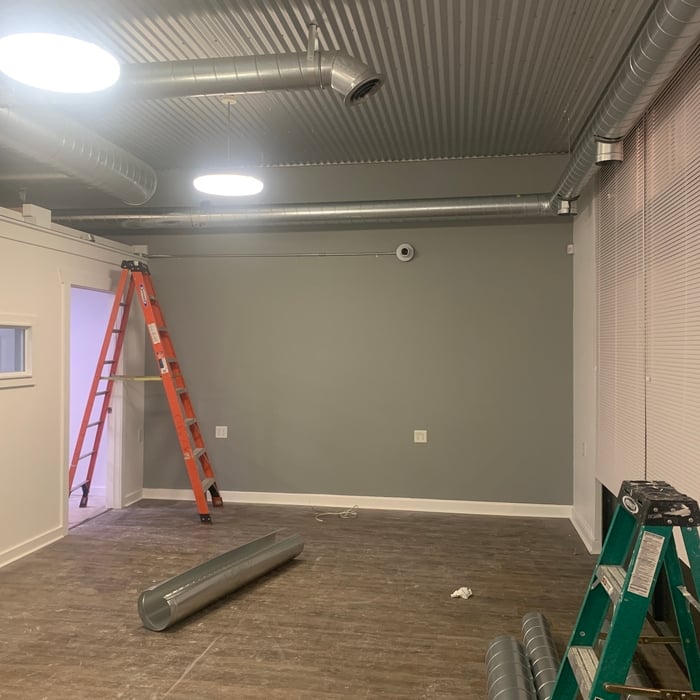
"Great! They arrived when they said they would. Great helpful upbeat attitude. Completed all tasks in a timely manner. Cleaned up any sawdust etc. I was happily impressed and will have them back."
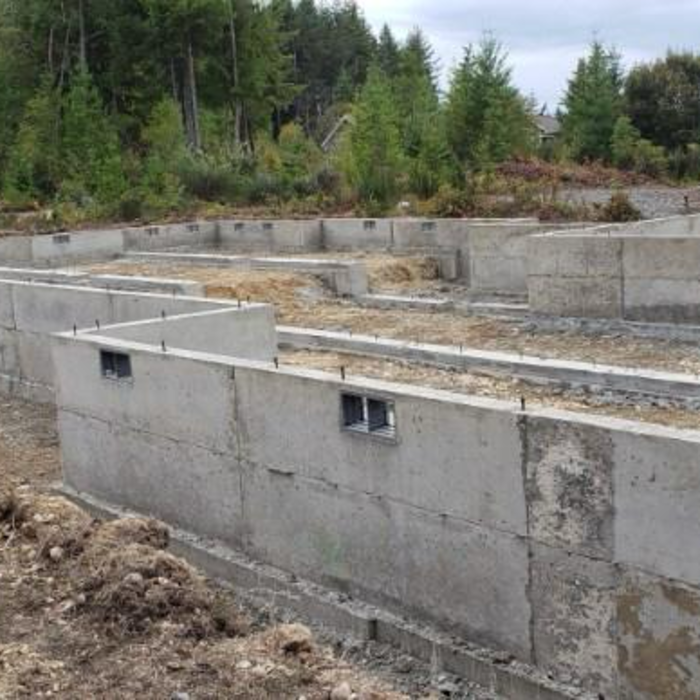
"Justin was very professional, fast, easy to work with and did a great job. He made sure to ask questions for clarification of what we wanted and to point out any issues he saw while he was working on our basement. We were very pleased with the work he did."
We pride our company on reliability, great communication, integrity, and quality work. \nWe are experts in our trade and will do our best to keep you as educated as we can on your particular task or project. We look forward to earning your business!
"I only use James when I need some work done to my house. He responds fast, gets the work done quicker than just about anyone else I've ever used and seems very concerned with leaving his customers happy."
The cost to build a fence is about $3,100 on average, but you could pay anywhere from $400 to $13,700 or more. Your cost will depend on the length, height, and materials for the fence. If you hire a professional installer, labor costs typically represent about half of the total cost of the project. This means you potentially can save quite a bit of money doing the work yourself.
Vinyl and chicken wire are two of the best and most affordable materials for a DIY garden fence. Vinyl is a great option because it is cost-effective, easy to work with, and effective at keeping pests out. A vinyl fence can cost as little as $15 per linear foot, especially if you install it yourself. Chicken wire is even more budget-friendly, costing as little as $2 per linear foot. While chicken wire is more affordable, vinyl is a better choice if privacy is a concern. You can also add chicken wire on top of a vinyl fence for extra security.
Of all the fencing options, the cheapest type is a repurposed pallet fence because it’s made of used materials that are easy to find for free. But if you’re not interested in the DIY game, customize a covered chain link fence or a plain wood fence to provide the best privacy possible.
In most cases, wrought iron fencing will cause your property value to increase. Most types of fence—but especially high-quality wrought iron fences—make your home more secure and deter burglars, which adds to property value. Fences can also help keep children and pets safe, which most homebuyers will appreciate. Wrought iron fences are also highly decorative, and while they don’t provide much privacy, they do add to your home’s curb appeal, which often leads to higher home value.
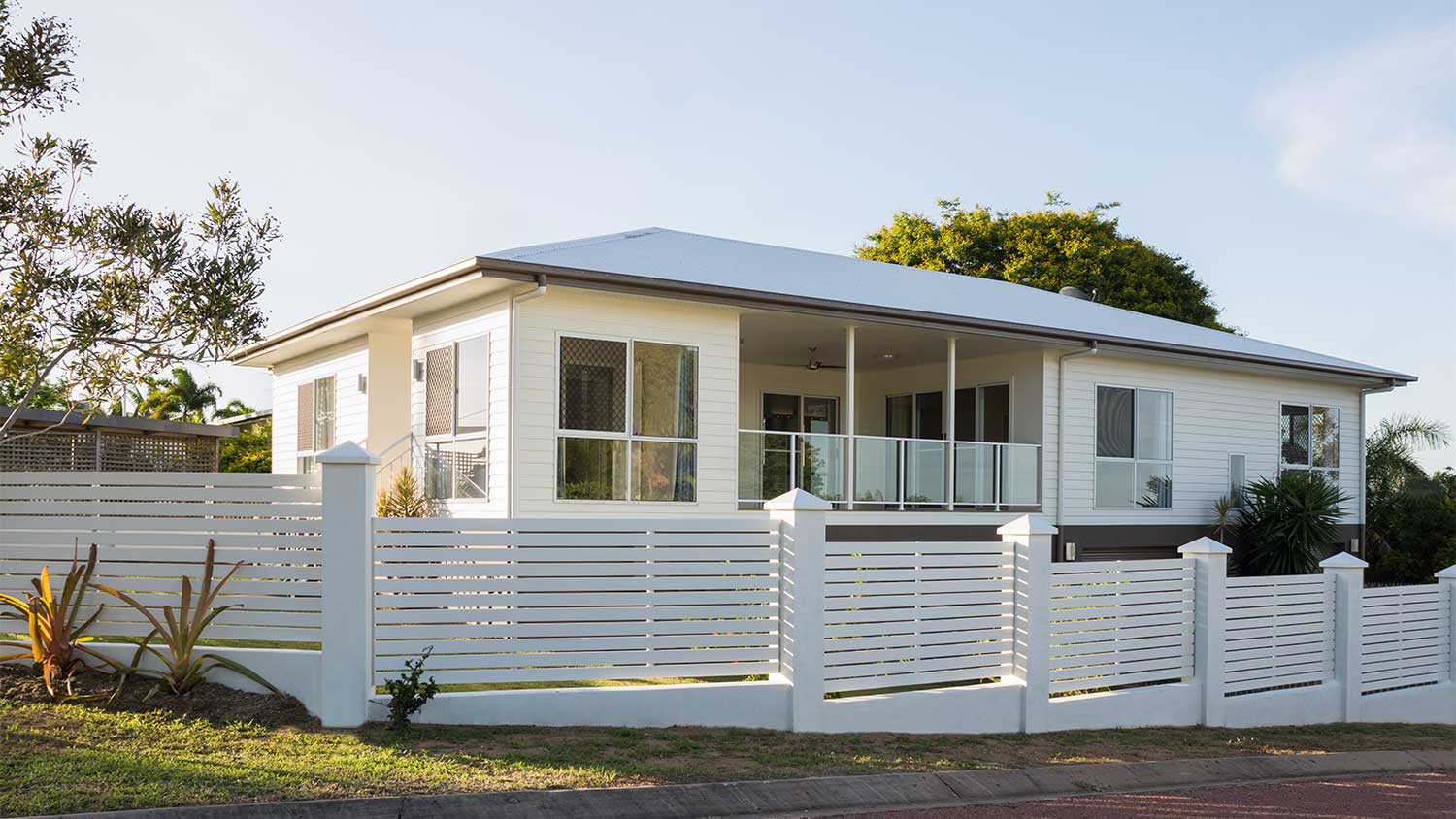
Privacy fences in residential neighborhoods tend to stand between 6 and 8 feet tall, but local building code usually dictates the maximum height. Livestock fences that border large land plots range from 3 to 6 feet. Shorter, decorative fences, which are common in front yards, are around 3 feet tall, on average. Fence height also tends to vary by material, with wood fences usually sitting at 6 feet tall, and chain-link and wrought iron fences tending to sit at half that.
The Harrington, WA homeowners’ guide to fencing services
From average costs to expert advice, get all the answers you need to get your job done.
Chain-link fences are among the most affordable options available. Use this chain link fence cost guide to see what your fence installation will total.
Fence repair costs depend on the extent of damage, your fence's material, and how much of the fence you need to fix. Explore all the price factors in this guide.