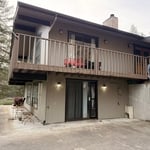
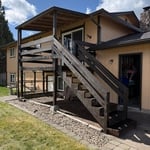
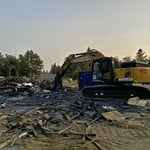
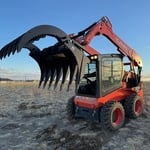
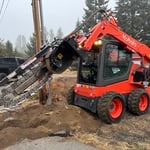
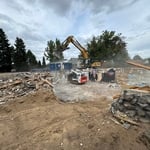
"Excellent. The job was done exactly as discussed and turned out great. I plan on using Gman construction for further projects and highly recommend them for anyone’s excavation needs."
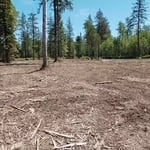
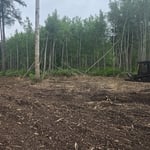
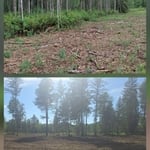
Eldred Earthworks & Excavation LLC is a Washington-based excavation contractor providing professional forestry mulching, excavation, grading, and land clearing services for residential, agricultural, and commercial properties. We help property owners transform overgrown, damaged, or undeveloped land into clean, usable ground ready for construction, access, restoration, or improvement. Our services include excavation and grading, dirt work, lot clearing, forestry mulching, driveway restoration, driveway removal, debris removal, dirt removal, stump grinding and removal, sagebrush removal, storm debris cleanup, trenching, and fire mitigation services. Whether you need a homesite prepared, access roads restored, utilities trenched, or overgrown acreage reclaimed, we bring dependable equipment, hard work, and attention to detail to every project.\nWe specialize in efficient, low-impact land clearing solutions that improve property usability while helping reduce fire hazards and cleanup costs
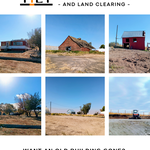
"I was very satisfied with the work they did for us. We were selling a farm house property and at the last minute the buyer's mortgage company required that a large dilapidated barn be removed before the sale could close. Because of our short timeline and the location's rural location, we had a hard time finding an contractor. TILT offered a bid at a reasonable price and did the job exceedingly well. There was a hiccup due to contradictory instructions given by some family members, but we cleared it up and TILT responded well. Overall, they were very responsive to phone calls and requests. We then hired them to do a second job of cleaning junk out of a two-car garage at another property."
"They were at the site on time to preview the job. After a thorough inspection of the work they had a special lift to safely disassemble the thirty foot tower and antenna. The site was clean and in great shape when they finished, Very professional and pleasant to work with."
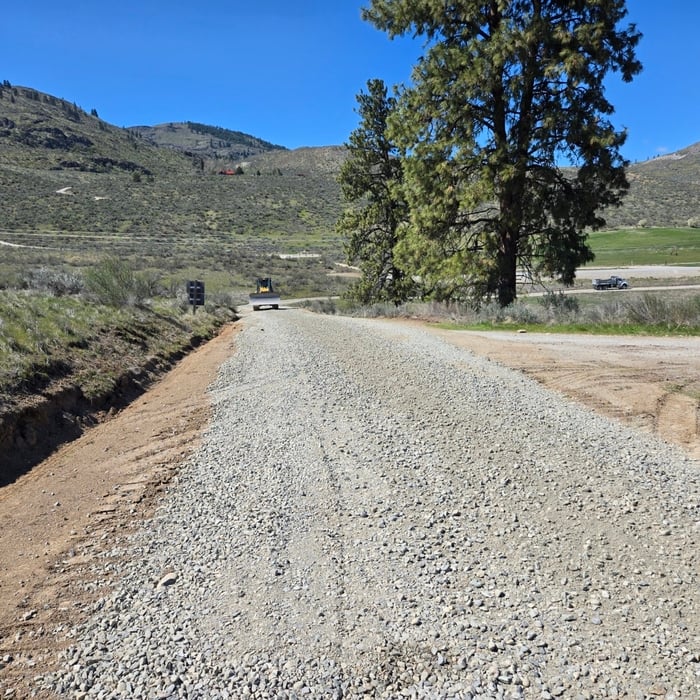
"Driveway is amazing. Can't wait for the other work. Quick, efficient and not a arm & a leg very affordable. Which isn't something we say much anymore with high inflation"
Digging a bush up by the roots is the most natural DIY method for removing a bush stump. Start by identifying the shrub type and revealing its roots. Cut the shrub to its base and loosen the soil, ensuring no utility lines are nearby. Optionally, treat the base with herbicide, then dig around the roots and cut a circle around the shrub using various tools. Dig a trench, cut the base of the root ball, and finally fill the hole to prevent regrowth. This thorough process ensures complete removal without damaging surrounding areas.
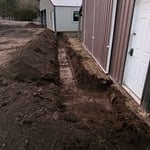
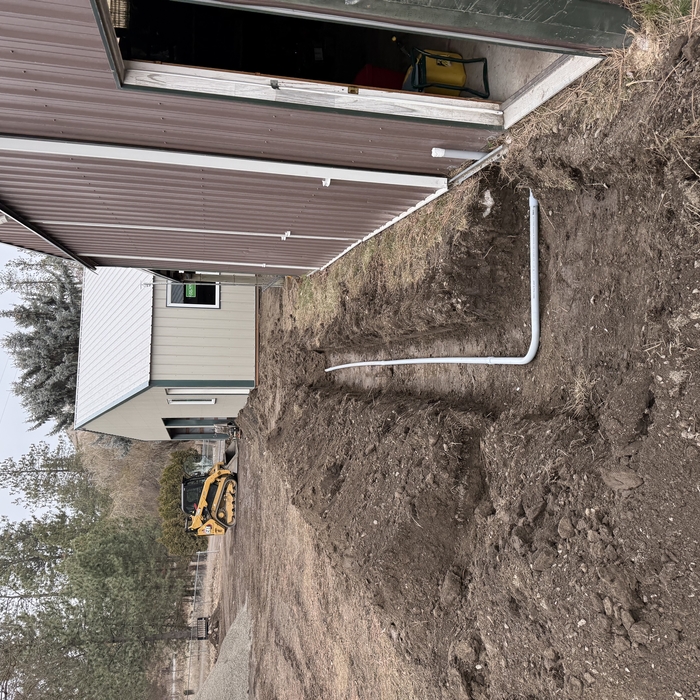
A joint utility trench, or joint trench, is a long, buried ditch on a property that contains two or more utility lines rather than running the lines in multiple trenches. Some utilities, like gas and electric or electric and communication lines, are better suited to joint trenching, while others, like water and sewer, are not allowed to be in the same trench.
Most residential basements are 8 to 10 feet deep. You can dig deeper depending on building codes, but it does become more difficult. You’ll likely need to install stronger foundation walls and additional supports to handle the increased load. Depending on the water table, you may also need a water management system. Clay soil can support a deeper foundation than sandy soil. A structural engineer will be able to tell you the maximum, feasible depth.
Underground downspouts refer to the sections of downspout extensions that lead away from your home and gutter system. While they cost more than traditional extensions, they can provide several benefits, such as less frequent damage and no need to move them for lawn care tasks. Whether they're worth it or not depends on your budget at installation time and how much convenience they'll add to your situation.
The digging depth will depend on the size of the trencher you use. Even smaller units can dig up to 4 feet deep, which is plenty for a DIY job. However, much larger trenchers can reach a depth of 18 feet and are better used by a team of pro contractors, not a single DIYer. As with all home improvement projects, use the right tool for the job and proceed with caution.
The Harrington, WA homeowners’ guide to excavation services
From average costs to expert advice, get all the answers you need to get your job done.
Excavation costs $1,500 to $6,300 for most residential projects—but it depends on factors like the size of the area. This guide will help you plan a budget.
You can't have an in-ground pool without digging into the ground. How much does pool excavation cost, and can you take it on yourself? Our guide explains.