



Top-rated structural engineers.

Get matched with top structural engineers in Washington, VA

Enter your zip and get matched with up to 5 pros

Need a pro for your structural engineering project in Washington, VA?

Select your specific project to find the pro for you.

Find Structural engineers in Washington

Avatar for Structurist Consulting Engineers
Structurist Consulting Engineers
4.7(
22
)

Serving Washington, VA and surrounding areas

Approved

In business since 2022

Free estimates

Emergency services offered

"Very responsive and professional. Arrived on time and completed the structural examination while explaining the issues that they discovered."
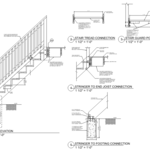
Stair and foundations
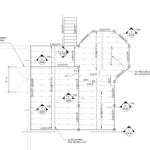
Deck Plan
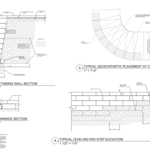
Segmented Retaining wall with Geogrids
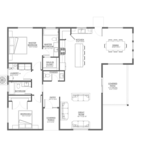
Custom Build home
Response time4 hrs
8 neighbors recently requested a quote
Recommended by100%of homeowners

Wildest inc LLC
New to Angi

Serving Washington, VA and surrounding areas

Emergency services offered

Warranties offered

Small jobs welcome

Been with my partner for 17 yrs we have done everything from dirt to roof tops on houses hotels motel apartments when I say everything i mean everything you name we can do it ni job to small no job too big free estimates if contract is made no hassle guaranteed professional services, a 100%. We're class A contractors with a great team to get the job done in a timely manner. No need to worry we're here to save the day just one call away.

Structural Engineering questions, answered by experts

The National Association of Home Builders requires repair of any foundation crack of more than one quarter of an inch, although local regulations may vary. In general, any visible crack that is growing in size, allowing water through, or that you have just noticed, is a good reason to call a structural engineer. Cracks can be a sign of a sinking foundation, so an inspection is a good idea for your peace of mind.

The depth of any foundation style depends on your climate and how deep the frost line is, as building code requires that the footers of a foundation—which are built into a monolithic slab—sit at least a foot below the frost line. At the southern tip of Florida, for example, a monolithic slab foundation would only need to sit 12 inches under the soil at the widest parts. On some parts of the Canadian border, the frost line is 100 inches, which would mean a minimum of 112 inches, which is prohibitively deep for a monolithic slab.

In many areas, advice from a structural engineer or an architect will be required by your building department before you can remove a wall, but even if it’s not necessary, it’s a good idea. Accidentally removing a load-bearing wall—even if a general contractor advises that it’s safe—can cause major structural damage, putting you and your family at risk and potentially costing thousands or tens of thousands of dollars in property damage.

Yes. Foundation walls are always load-bearing.

A freestanding brick wall that's only one brick thick can usually stand six to eight feet high. If you need a higher wall, it should be at least two bricks thick for adequate stability, and it might require a footing to support the added weight. Additionally, some areas have regulations and codes dictating how high a brick wall can be, so check with local code enforcers to ensure your proposed wall complies with any regulations.

The Washington, VA homeowners’ guide to structural engineering services

From average costs to expert advice, get all the answers you need to get your job done.

What do you need done? We’ll find top pros.
  • 🌱 "Mow a small front yard"
  • 🛠 "Fix a leaking pipe under the sink"
  • 🏠 "Repair shingles on an asphalt roof"