
Top-rated painters.

Get matched with top painters in Smithfield, VA

Enter your zip and get matched with up to 5 pros

Need a pro for your painting project in Smithfield, VA?

Select your specific project to find the pro for you.

TRUSTED BY SMITHFIELD, VA HOMEOWNERS

  • Average homeowner rating star icon4.7
    Average homeowner rating
  • Verified reviews icon86
    Verified painting services reviews

Find Painters in Smithfield

Careys Painting, Inc.
4.1(
128
)
Interior Painting or Staining: 1 - 2 RoomsInterior Painting or Staining: 3 - 4 RoomsInterior Painting or Staining: 5 + Rooms+3 more

Serving Smithfield, VA and surrounding areas

Approved

Super Service Award Winner

In business since 1993

Free estimates

Warranties offered

"Overall satisfied with the quality of work of our house wall painting. But the painters forgot to paint the kitchen. I had to call them again to complete the job."
Response time1 day
57 neighbors recently requested a quote
Recommended by83%of homeowners
Avatar for Norman's Quality Repair
Norman's Quality Repair
5.0(
27
)
Interior Painting or Staining: 1 - 2 RoomsPainting or Staining - Small Projects

Serving Smithfield, VA and surrounding areas

Approved

In business since 2022

Credit card accepted

Offers commercial services

With over 15 years of experience in the industry, Norman's Quality Repair provides top-notch handyman services to both residential and commercial clients. We are skilled in a wide range of repair and maintenance tasks including, carpentry, drywall, painting, flooring, powerwashing, installation, assembly, and more.

45 neighbors recently requested a quote
Recommended by92%of homeowners
...
Showing 1-10 of 396
Painting questions, answered by experts

Yes, you can paint a chain-link fence, but you don’t want to use spray paint. With the spray method, you’ll be losing a majority of your product to the air, given the size of the gaps in chain-link fences. Instead, use a paintbrush for your fence posts and a paint roller for the wire.

Regular staining, sealing, and inspecting for rot or insect damage prolongs fence lifespan.

Adding a second coat of stain to wood can even out the color to some extent, but it won't drastically alter the hue if the initial application is too light or too dark. It's more effective at enhancing the richness of the color rather than significantly changing it. Ensure the first coat is dry before applying the second.

Limewash and whitewash are two techniques used to give brick a light, matte finish, but they differ in composition, application, and permanence. The best choice depends on your aesthetic goals and the specific surface.

Composition

  • Limewash: A natural and environmentally friendly option made from limestone, water, and sometimes pigments. It is breathable and soaks into porous surfaces like brick.

  • Whitewash: Traditionally made from lime, water, chalk, and binders, but a similar look can be achieved with watered-down white paint. It is paint-based and sits on top of the surface.

Appearance and Finish

  • Limewash: Provides a natural, textured appearance that allows the brick's character to show through. It offers a more traditional finish.
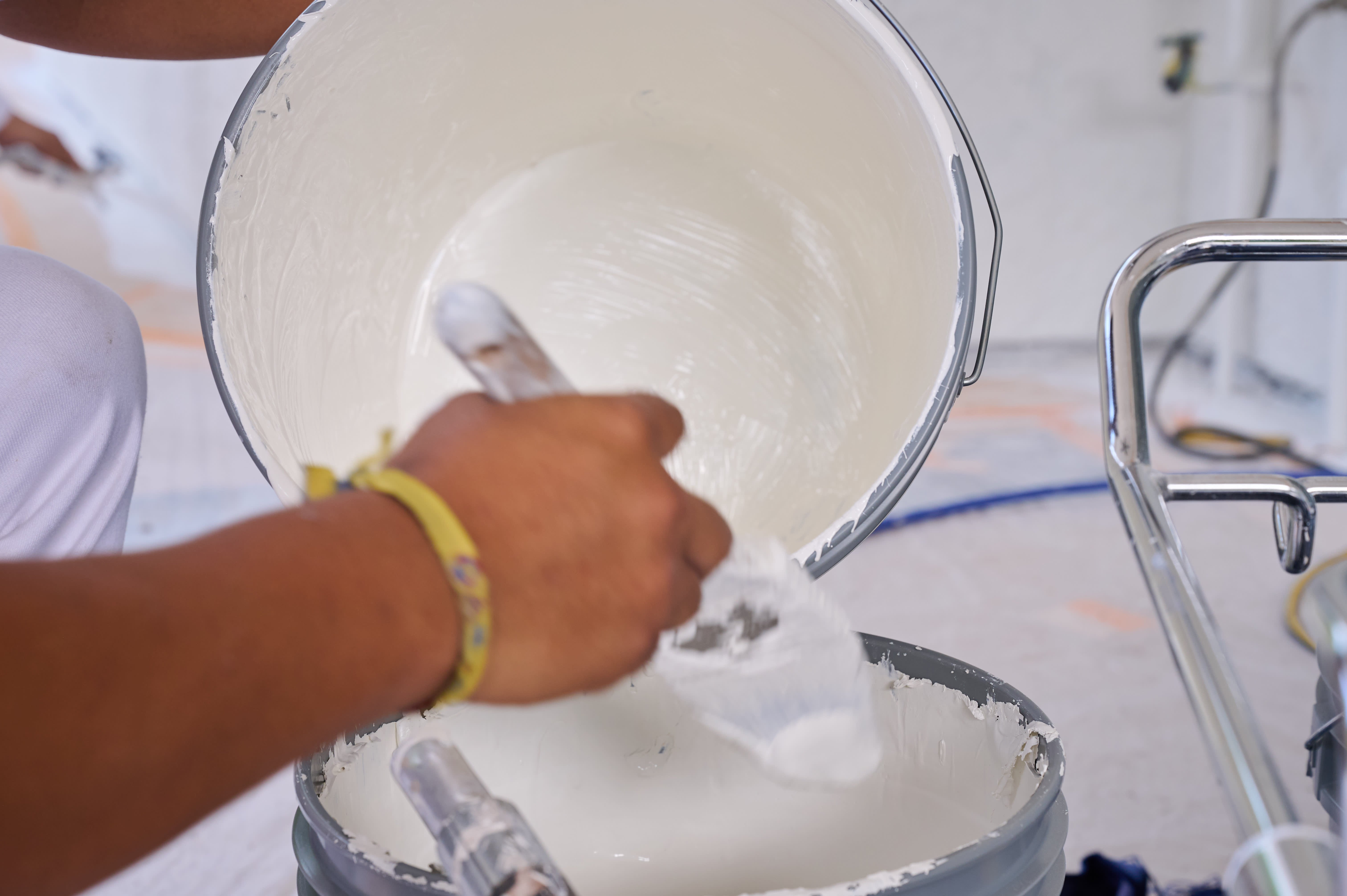
  • Whitewash: Creates a softer, more opaque finish, often used for a rustic or shabby-chic style.

Application and Permanence

  • Limewash: Is semi-permanent and can be removed, making it a good choice if you might want to change the look in the future. It requires more skill to apply and cannot be used on previously painted brick.

  • Whitewash: Is a more permanent solution. It is more forgiving to apply and can be used on painted brick. However, because it sits on the surface, it can trap moisture.

Ultimately, if you want a breathable, natural, and reversible finish for unpainted brick, limewash is a great option. If you need a more permanent, opaque coating that can be applied over painted surfaces, whitewash is the better choice. Whitewashing may also be more economical, costing approximately $1.40 to $4.20 per square foot.

The general consensus is that two coats of stain are required and since the cedar is siding, a third coat of sealant is always a good idea. This helps protect the wood and stain, so you won’t need to resand and restain for at least a decade. Each stain after the first will darken the wood, so be aware of that when choosing a colored stain.

The Smithfield, VA homeowners’ guide to painting services

From average costs to expert advice, get all the answers you need to get your job done.