


Top-rated radon detection and reduction specialists.

Get matched with top radon detection and reduction specialists in Monroe, VA

Enter your zip and get matched with up to 5 pros

Need a pro for your radon detection and reduction project in Monroe, VA?

Select your specific project to find the pro for you.

Find Radon detection and reduction specialists in Monroe

Avatar for Radon Specialists, LLC
Radon Specialists, LLC
4.8(
54
)
Radon Gas - Abatement

Serving Monroe, VA and surrounding areas

Approved

In business since 2012

Free estimates

Customers say: True professional

"You can have complet confidence that Radon Specialists will produce the desired result. Our radon long term average went from 7 pc/L to 0.4 pc/ L. We are very relieved. The workmanship of the mitigation system is professional grade and the process was completely unobtrusive."
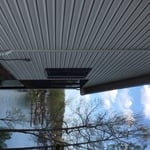
Smith Mountain Lake
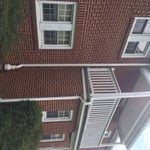
Rear of House
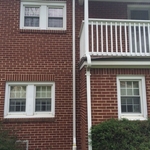
Rear of House
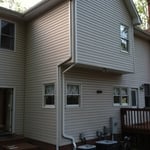
Typical Installation

+7

Response time10 hrs
Response rate91%
Recommended by94%of homeowners
Expert Home Inspections, LLC
5.0(
4
)
Radon Gas - Testing

Serving Monroe, VA and surrounding areas

In business since 2000

Free estimates

Credit card accepted

Welcome to Expert Home Inspections! We are the premier professional home inspection company offering the highest quality, and most attentive customer service. We are known to pay exquisite attention to detail, while making customer satisfaction our top priority. Please call us today to schedule your appointment! 540-586-3216

Response time4 days
Response rate100%
Recommended by100%of homeowners
Radon Detection and Reduction questions, answered by experts

The cost for a radon mitigation system typically ranges from $800 to $1,500, with an average around $1,000. The final price depends on several factors, including the size of your home, the severity of the radon issue, and the type of system required. Your home's foundation type also significantly impacts the cost. For example, sealing and ventilating an unfinished basement might cost around $4,600, while encapsulating a crawl space without a foundation slab can range from $1,500 to $15,000.

If your home has a sump pit, you can integrate it with a radon mitigation system. You can accomplish this by sealing the pump cover with an airtight lid that accommodates radon vent pipes and sump pump hoses. This allows the vent pipe to redirect the radon gas outside of your home.

Keeping radon from getting into your home is much better than having to get rid of it once it's already indoors. While there may not be a way to fully prevent radon from getting into your home, there are things you can do to reduce the gas's ability to enter. 

Sealing foundation cracks and openings can help keep the gas from seeping inside. Improving air flow, such as by opening windows, can also be helpful. If you're building your home from scratch, talk to your contractor about using radon-resistant construction to keep the gas out.

The soil beneath your house is most likely what’s causing an increased level of radon. This is because soil holds radioactivity for a long time and it’s also what most buildings are built on. Another common source of radon is water from a source that hasn’t been through periodic radon tests, such as well water. Over time, the radon from the soil can inhabit other parts of your house like the foundation or plumbing.

Your radon mitigation system may be loud because it’s time to replace it. Any sounds are usually from the inline fan that helps create the vacuum and resulting airflow. If you hear a new, loud mechanical or humming noise from your radon fan, it might be time to replace it. Most fans used in radon mitigation systems last up to 10 years, but may need to be replaced sooner.

The Monroe, VA homeowners’ guide to radon detection and reduction services

From average costs to expert advice, get all the answers you need to get your job done.