





Top-rated radon detection and reduction specialists.

Get matched with top radon detection and reduction specialists in Lyndhurst, VA

Enter your zip and get matched with up to 5 pros

Need a pro for your radon detection and reduction project in Lyndhurst, VA?

Select your specific project to find the pro for you.

Find Radon detection and reduction specialists in Lyndhurst

Avatar for TOPS RADON
TOPS RADON
5.0(
8
)

Serving Lyndhurst, VA and surrounding areas

Approved

In business since 2025

Free estimates

Offers commercial services

"Our radon system had become inoperable. Tops was able to repair the system and getting everything up and running quickly and efficiently. I highly recommend Tops!"
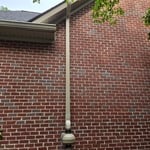
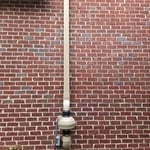
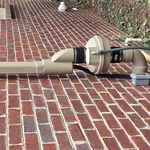
External fan
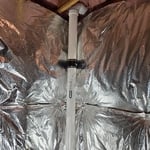
Mitigation system
Mitigation system
Mitigation system
Response time2 days
1 neighbors recently requested a quote

Marios Service Home Improvement
New to Angi

Serving Lyndhurst, VA and surrounding areas

In business since 2010

Free estimates

Marios Service Home Improvement is a leader in providing our customers with the highest quality service in an honest, efficient, and professional way. Our pledge is to create successful relationships with our customers, employees and community by building trust, treating every project with the utmost integrity and exceeding expectations. We look forward to working with you!

Radon Detection and Reduction questions, answered by experts

The fan that pulls the radon out of the air needs to run continuously, so you may see an increase in your electric bill once you install the mitigation system. Additionally, you may see an increase in your heating or cooling bills, as the fan can cause some loss of hot or cool air.

The average radon mitigation system uses about 876 kWh of electricity per year, although the exact amount of electricity used will vary depending on the size of the radon fan. Once the system is installed, the annual increase to your energy bill could range from $30 to $300 per year, again depending on the size of the fan.

The natural breakdown of uranium in soil, rock, and water can cause radon to appear in a home. The gas seeps into homes through cracks in foundations, walls, or floors, as well as through gaps around pipes or construction joints. Radon levels are influenced by soil composition, building materials, and ventilation. Poorly sealed or airtight homes can trap radon, allowing it to accumulate.

Radon is a cancer-causing radioactive gas that poses serious health risks, infiltrating homes through foundation cracks and unnoticed spaces.

Options include sub-slab depressurization, crawlspace ventilation, and sealing cracks. Choose based on home construction and radon levels.

The Lyndhurst, VA homeowners’ guide to radon detection and reduction services

From average costs to expert advice, get all the answers you need to get your job done.

What do you need done? We’ll find top pros.
  • 🌱 "Mow a small front yard"
  • 🛠 "Fix a leaking pipe under the sink"
  • 🏠 "Repair shingles on an asphalt roof"