




Top-rated excavation pros.

Get matched with top excavation pros in Copper Hill, VA

Enter your zip and get matched with up to 5 pros

Need a pro for your excavation project in Copper Hill, VA?

Select your specific project to find the pro for you.

Find Excavation pros in Copper Hill

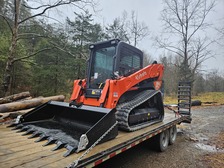
Avatar for Dig Big LLC
Dig Big LLC
New to Angi

Serving Copper Hill, VA and surrounding areas

Approved

In business since 2023

Free estimates

Emergency services offered

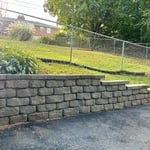
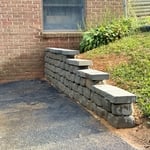
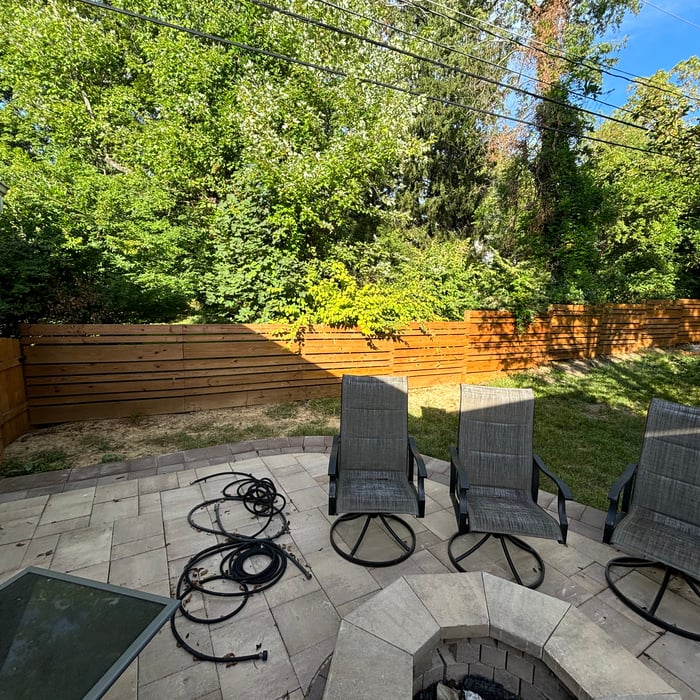
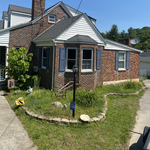
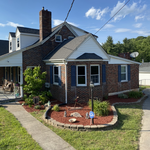
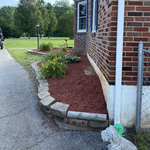
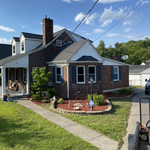
At Dig Big LLC, we specialize in high-quality concrete work and the installation of durable, manufactured retaining walls that enhance both the function and beauty of outdoor spaces. Whether you need a strong, reliable wall to prevent erosion, define your landscape, or add visual appeal to your property, our expert team ensures precision installation using top-tier materials. Our concrete patios and walkways are built to last, offering a stylish and low-maintenance solution for any outdoor area. In addition to retaining walls and concrete surfaces, we provide custom hardscaping services to create functional and attractive outdoor spaces. With competitive pricing and a commitment to excellence, Dig Big LLC is ready to bring your vision to life. Contact us today to start your next project!
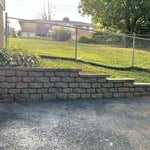
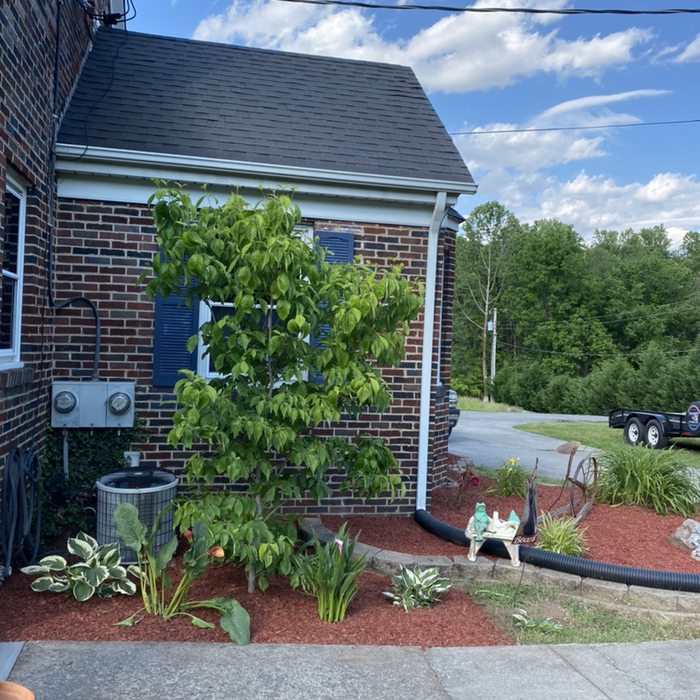
Landscaping - Hardscaping & Pavers Project
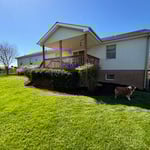
Landscaping Project
Landscaping - Hardscaping & Pavers Project
Staining

+20

8 neighbors recently requested a quote
Showing 1-10 of 28
Excavating questions, answered by experts

Trenches are typically 12 to 24 inches deep and 8 inches wide. However, the required depth depends on the specific project and local ordinances. For example, a French drain may need to be 18 inches deep, while a water pipe might require a depth of 24 inches and a drainage pipe 36 inches. Your city or county may have specific regulations, so it's wise to consult with an excavation professional to determine the correct depth for your project.

Slab foundations are more affordable than crawl spaces because they require minimal excavation, as the slab sits directly on the ground or on footers that only sink a few feet into the ground. Crawl spaces require excavation of the entire footprint of the home to several feet below the surface. Not only does that mean higher labor costs, but more materials are necessary for the concrete foundation walls.

You do not have to dig footers for a deck as long as it meets local code and holds up to weather in your area. If you live somewhere that experiences high winds and earthquakes, you may need to dig for your deck posts. Deck blocks, post anchors with base plates, and helical pile systems are the three no-dig deck post options you can choose from if local code permits.

Most residential basements are 8 to 10 feet deep. You can dig deeper depending on building codes, but it does become more difficult. You’ll likely need to install stronger foundation walls and additional supports to handle the increased load. Depending on the water table, you may also need a water management system. Clay soil can support a deeper foundation than sandy soil. A structural engineer will be able to tell you the maximum, feasible depth.

In most areas, you will need a permit for excavation work, even for projects that only involve grading or yard leveling. Permit requirements depend on your local government and the scope of the project, but they are especially common for significant digging or work that could affect utilities or public property. These permits help protect the local topography and prevent drainage issues. An experienced excavation company will typically know whether permits are needed and can often handle the process of pulling and closing them for you. You can also verify permit requirements by contacting your local building department and describing your project.

The Copper Hill, VA homeowners’ guide to excavation services

From average costs to expert advice, get all the answers you need to get your job done.