



Top-rated excavation pros.

Get matched with top excavation pros in Bent Mountain, VA

Enter your zip and get matched with up to 5 pros

Need a pro for your excavation project in Bent Mountain, VA?

Select your specific project to find the pro for you.

TRUSTED BY BENT MOUNTAIN, VA HOMEOWNERS

  • Average homeowner rating star icon4.8
    Average homeowner rating
  • Verified reviews icon24
    Verified excavation services reviews

Find Excavation pros in Bent Mountain

Avatar for Mike Atkinson, Inc.
Mike Atkinson, Inc.
New to Angi

Serving Bent Mountain, VA and surrounding areas

Approved

In business since 2000

Free estimates

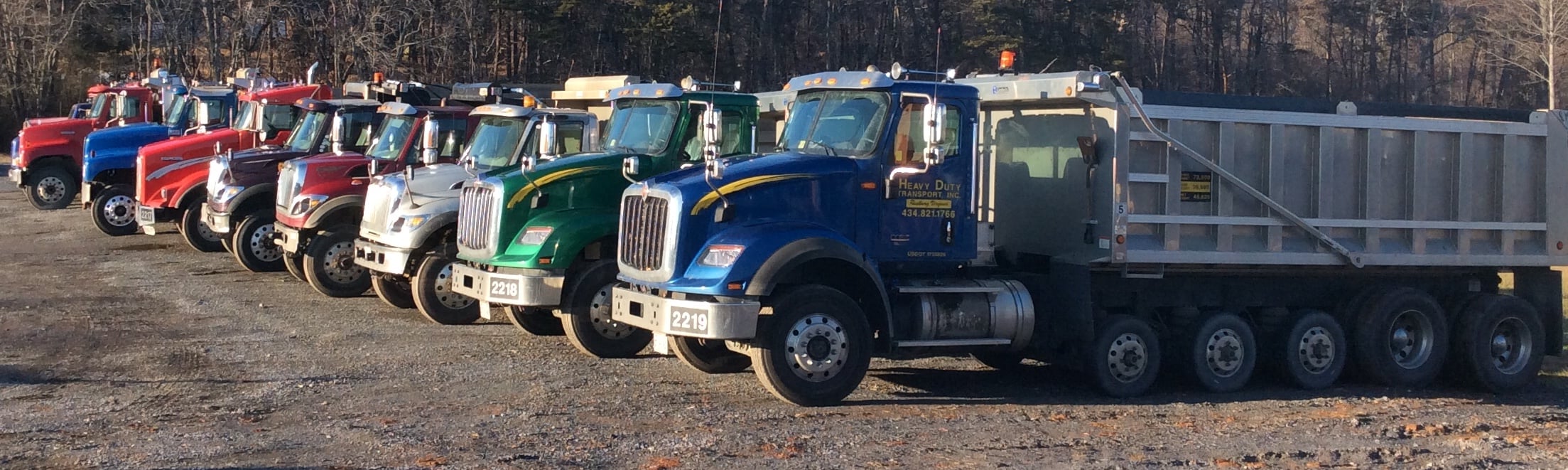
Mike Atkinson Excavating is a family company who has been doing excavation, demolition and disposal in Salem, VA and surrounding areas for over 35 years. Honestly, we love demolishing things. We also love watching a piece of land that is overrun or underdeveloped turned into the foundation for somebody's dream. We are your local excavating contractor and demolition contractor, both residential and commercial. Whether foundations, parking lots, road clearing, pond building, land clearing we are your complete source. We take pride in our work.

Response time1 day
Avatar for Dig Big LLC
Dig Big LLC
New to Angi

Serving Bent Mountain, VA and surrounding areas

Approved

In business since 2023

Free estimates

Emergency services offered

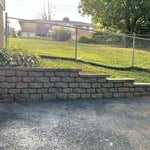
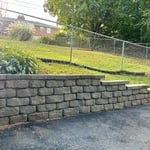
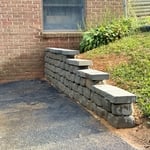
At Dig Big LLC, we specialize in high-quality concrete work and the installation of durable, manufactured retaining walls that enhance both the function and beauty of outdoor spaces. Whether you need a strong, reliable wall to prevent erosion, define your landscape, or add visual appeal to your property, our expert team ensures precision installation using top-tier materials. Our concrete patios and walkways are built to last, offering a stylish and low-maintenance solution for any outdoor area. In addition to retaining walls and concrete surfaces, we provide custom hardscaping services to create functional and attractive outdoor spaces. With competitive pricing and a commitment to excellence, Dig Big LLC is ready to bring your vision to life. Contact us today to start your next project!

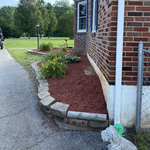
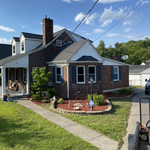
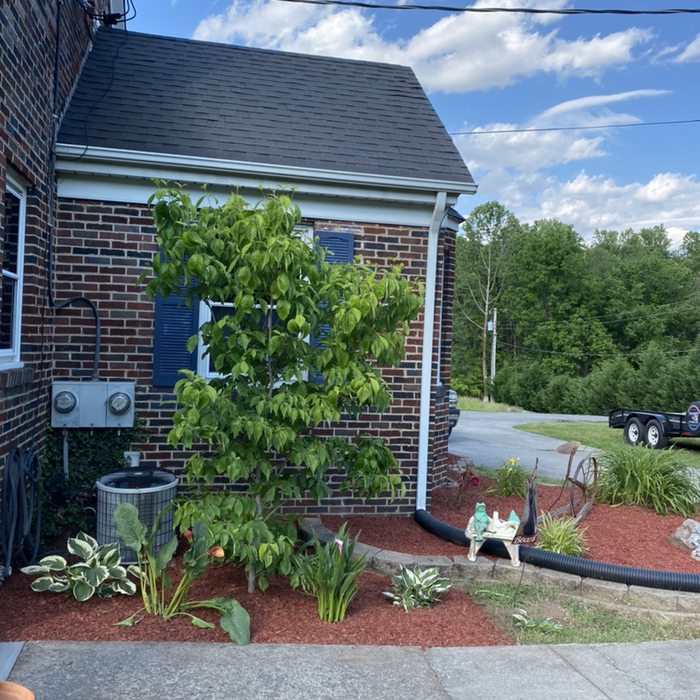
Landscaping - Hardscaping & Pavers Project
Landscaping Project
Landscaping - Hardscaping & Pavers Project
Staining

+20

8 neighbors recently requested a quote
Showing 1-10 of 30
Excavating questions, answered by experts

A crawl space can be as little as 42 inches below the grade of your house, but this is not always recommended in flood-prone areas. At a minimum, there must be at least 16 inches of clearance between the ground and the floor joists to access the space in an emergency.

Most residential basements are 8 to 10 feet deep. You can dig deeper depending on building codes, but it does become more difficult. You’ll likely need to install stronger foundation walls and additional supports to handle the increased load. Depending on the water table, you may also need a water management system. Clay soil can support a deeper foundation than sandy soil. A structural engineer will be able to tell you the maximum, feasible depth.

Sewer lines can be buried anywhere from 18 inches to 8 feet deep, with a common average depth between 18 and 30 inches. The exact depth depends on local factors like climate and soil type. In colder regions, pipes must be buried deeper (below the frost line) to prevent freezing, sometimes as deep as 8 feet. The digging depth can also impact the cost of sewer line replacement. To find the specific depth for your property, you can check the building plans for your system, which should be on file with your city or local sanitation department since permits are required for installation.

Slab foundations are more affordable than crawl spaces because they require minimal excavation, as the slab sits directly on the ground or on footers that only sink a few feet into the ground. Crawl spaces require excavation of the entire footprint of the home to several feet below the surface. Not only does that mean higher labor costs, but more materials are necessary for the concrete foundation walls.

It’s possible to transplant trees as tall as 50 feet when an experienced tree planting service uses the right equipment. However, a tree with a trunk larger than two or three inches in diameter needs to be handled by a professional in order to yield successful transplanting results. Consulting a tree planting professional is the best way to tell if your large tree can be safely transplanted.

The Bent Mountain, VA homeowners’ guide to excavation services

From average costs to expert advice, get all the answers you need to get your job done.