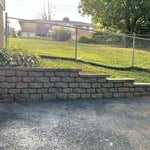
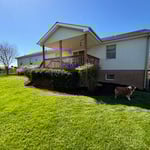
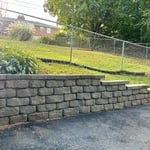
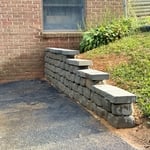
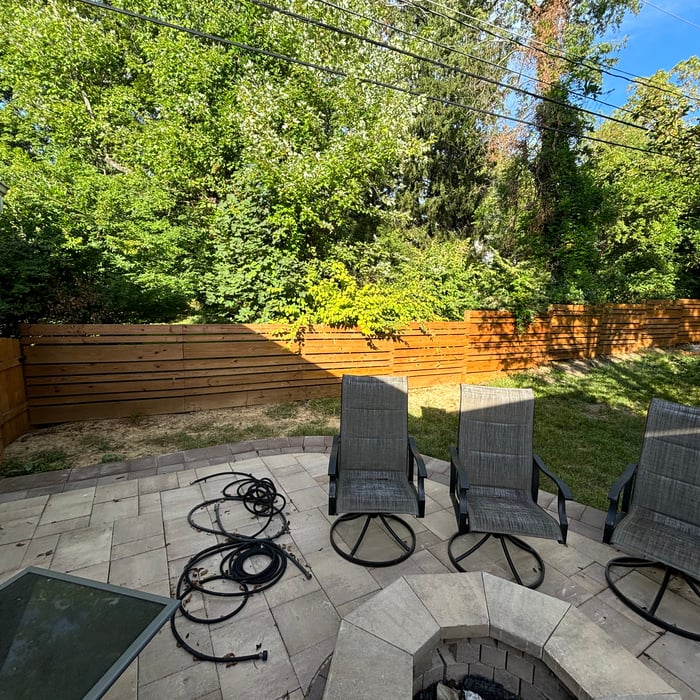
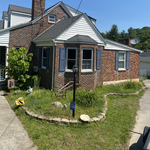
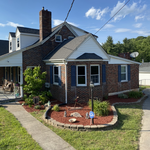
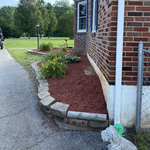
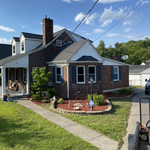
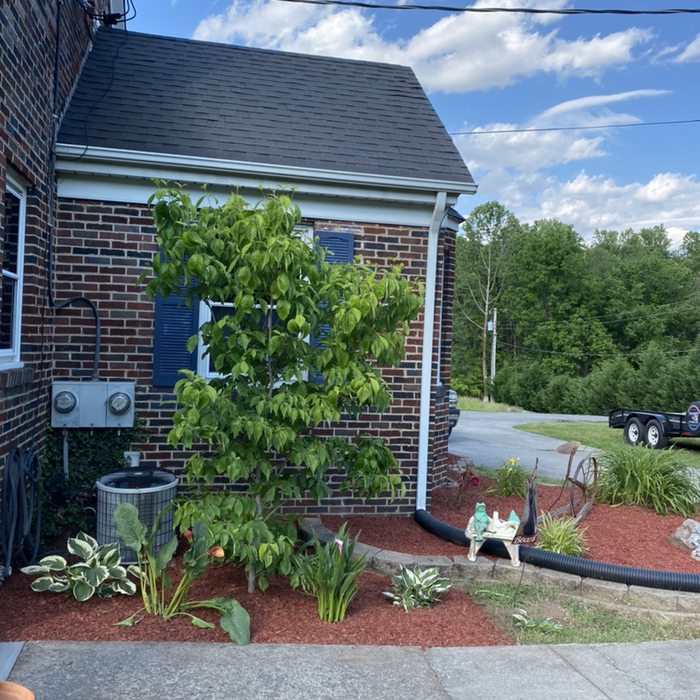
At Dig Big LLC, we specialize in high-quality concrete work and the installation of durable, manufactured retaining walls that enhance both the function and beauty of outdoor spaces. Whether you need a strong, reliable wall to prevent erosion, define your landscape, or add visual appeal to your property, our expert team ensures precision installation using top-tier materials. Our concrete patios and walkways are built to last, offering a stylish and low-maintenance solution for any outdoor area. In addition to retaining walls and concrete surfaces, we provide custom hardscaping services to create functional and attractive outdoor spaces. With competitive pricing and a commitment to excellence, Dig Big LLC is ready to bring your vision to life. Contact us today to start your next project!
"He showed up on time but, didn't get done what I wanted done in the time that I bought from the big deal. I think it should have taken him two hours. It was easy to schedule."
We invite you to experience a tradition of customer satisfaction that will exceed your greatest expectations. Our professionalism and quality workmanship will accurately reflect your taste and lifestyle. From conception to completion, we work with you until the job is done. We are ethical, honest, and easy to communicate with.
\n
\nCall us today you'll be pleased you did. Thank you
\n
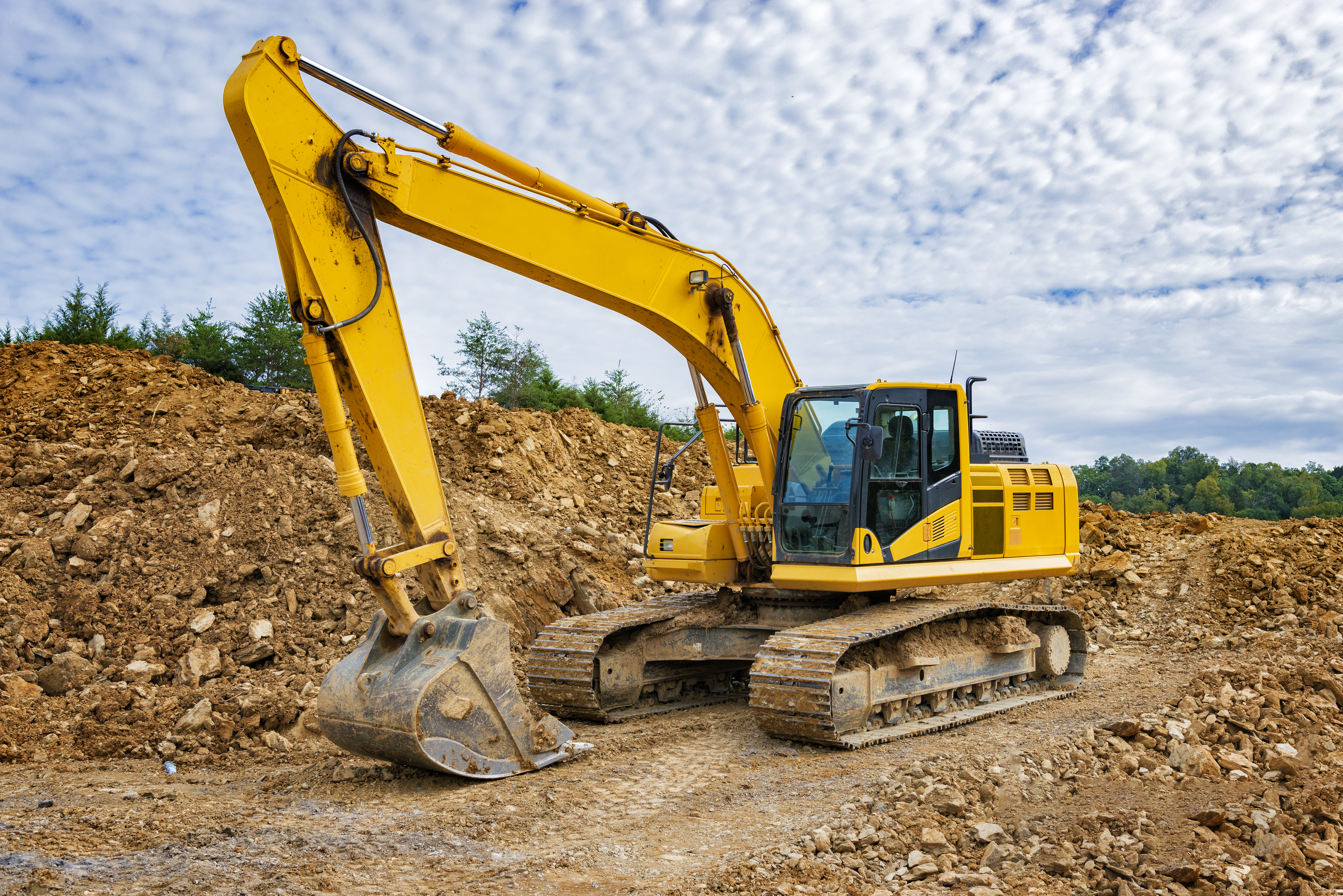
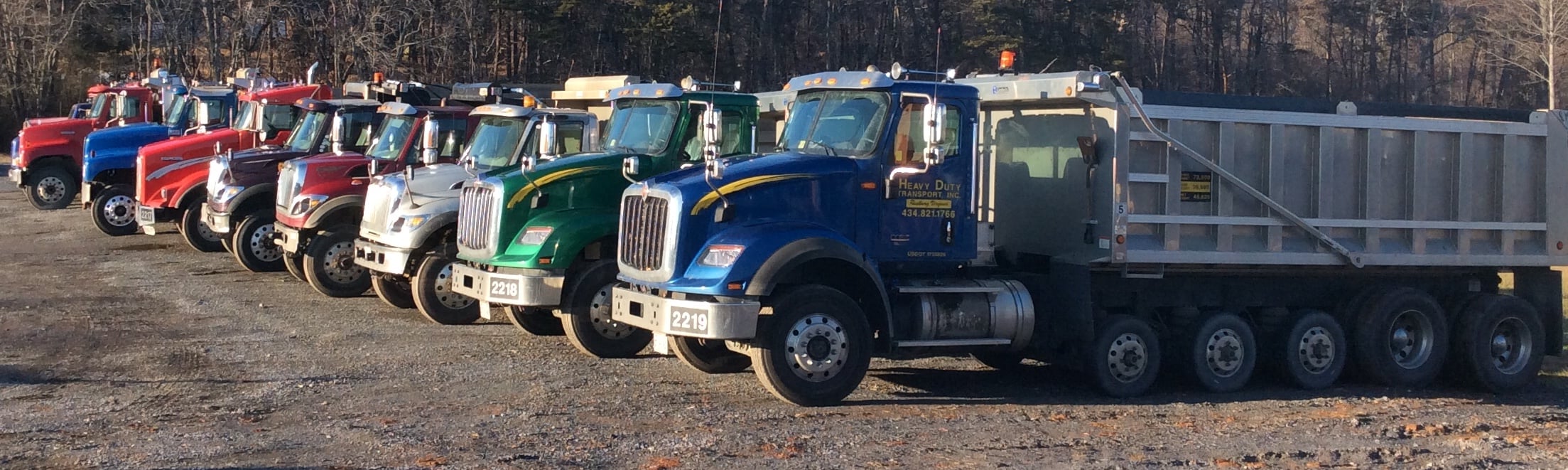
Bolt Excavating, has the equipment and knowledge, to do your excavation job efficiently and safely. As the owner, Phillip Bolt, will be on your job site, running the equipment and making sure the job gets done right. Bolt Excavating, has both large and small equipment. We can coordinate with other contractors, to get the job timed right so everyone is happy.
There are many ways to cut through roots when digging, especially if your trencher doesn’t seem to be removing the roots. First, use a shovel to expose the roots. Then, use gardening shears to clear out smaller roots or a reciprocating saw to remove larger plant roots. If you plan on keeping the plant, avoid cutting any roots over 2 inches thick.
Most residential basements are 8 to 10 feet deep. You can dig deeper depending on building codes, but it does become more difficult. You’ll likely need to install stronger foundation walls and additional supports to handle the increased load. Depending on the water table, you may also need a water management system. Clay soil can support a deeper foundation than sandy soil. A structural engineer will be able to tell you the maximum, feasible depth.
Consultation with the local government helps identify necessary permits, avoid project delays or legal issues, and protect project integrity.
No, a ditch isn’t a trench. A ditch is an open, relatively shallow channel that’s carved out of the ground and used for drainage purposes. In contrast, a trench is a deeper excavation that’s entirely underground. Trenches have many uses, including gas lines, sewage systems, and electrical wiring. Unlike trenches, ditches don’t get filled back in with dirt after they’re dug.
You do not have to dig footers for a deck as long as it meets local code and holds up to weather in your area. If you live somewhere that experiences high winds and earthquakes, you may need to dig for your deck posts. Deck blocks, post anchors with base plates, and helical pile systems are the three no-dig deck post options you can choose from if local code permits.
The Riner, VA homeowners’ guide to excavation services
From average costs to expert advice, get all the answers you need to get your job done.
Excavation costs $1,500 to $6,300 for most residential projects—but it depends on factors like the size of the area. This guide will help you plan a budget.
You can't have an in-ground pool without digging into the ground. How much does pool excavation cost, and can you take it on yourself? Our guide explains.