



Top-rated excavation pros.

Get matched with top excavation pros in Willis, VA

Enter your zip and get matched with up to 5 pros

Need a pro for your excavation project in Willis, VA?

Select your specific project to find the pro for you.

Find Excavation pros in Willis

Avatar for Dig Big LLC
Dig Big LLC
New to Angi

Serving Willis, VA and surrounding areas

Approved

In business since 2023

Free estimates

Emergency services offered

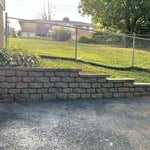
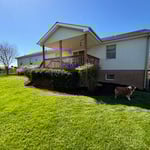
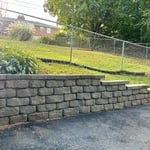
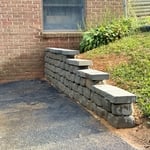
At Dig Big LLC, we specialize in high-quality concrete work and the installation of durable, manufactured retaining walls that enhance both the function and beauty of outdoor spaces. Whether you need a strong, reliable wall to prevent erosion, define your landscape, or add visual appeal to your property, our expert team ensures precision installation using top-tier materials. Our concrete patios and walkways are built to last, offering a stylish and low-maintenance solution for any outdoor area. In addition to retaining walls and concrete surfaces, we provide custom hardscaping services to create functional and attractive outdoor spaces. With competitive pricing and a commitment to excellence, Dig Big LLC is ready to bring your vision to life. Contact us today to start your next project!

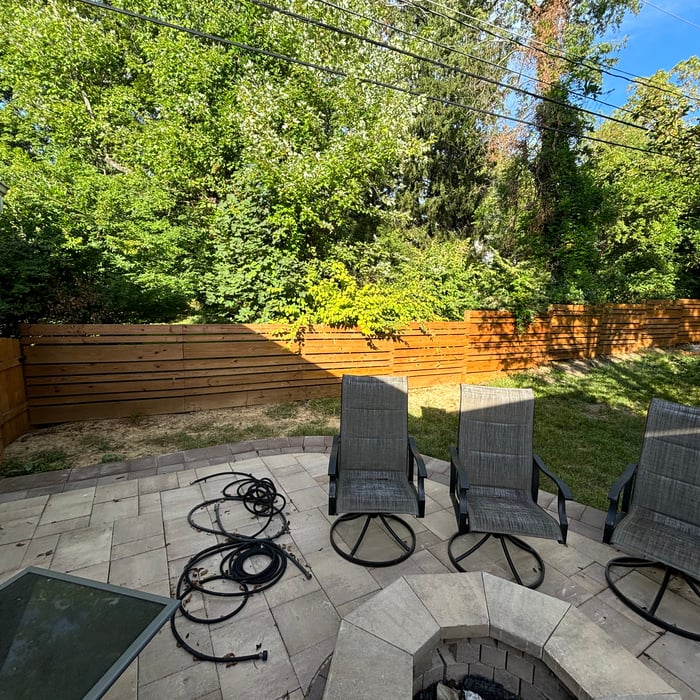
Landscaping - Hardscaping & Pavers Project
Landscaping Project
Landscaping - Hardscaping & Pavers Project
Staining

+20

8 neighbors recently requested a quote
Showing 1-10 of 19
Excavating questions, answered by experts

There is no standard depth for burying a septic tank; they are typically buried anywhere from 4 inches to 4 feet underground. The final depth depends on several factors, including the depth of your main sewer line, the height of the bedrock, soil type, local regulations, and the property's landscape. If you plan to grow grass or plants over the tank, a depth of at least 4 to 6 inches is recommended. Deeper tanks can be more difficult to locate, but a septic professional can help find it for you.

Professional installers often include a deep layer of crushed gravel under permeable pavers to allow more runoff to soak through into the soil below. Many installations will include multiple layers of gravel, with coarser aggregate at the base and finer aggregate that sits on top of that bottom layer. Above the gravel, you’ll often find coarse sand that helps reduce paver shifting over time. Some permeable paver designs include a water collection system set into the gravel layer to route runoff to a safe area for disposal.

Skunk digging looks like a series of small, cone-shaped holes on a lawn or around the perimeter of a home, porch, deck, or shed. The holes that skunks dig when searching for grubs tend to be no more than four inches in diameter and may be up to four inches deep.

Call 811 to locate and mark the gas lines at least three days before digging. In many areas, you can dig within 18 inches of the lines, though in some locations, the distance may be further. Check local regulations, as you may need a utility company representative onsite when digging. Document your calls to 811 and precautions taken to avoid gas lines. A homeowner can be held liable for hitting a gas line in some cases, but contacting the proper authorities and following all guidelines can offer protection.

Preparation involves site assessment, clearing debris, grading surfaces, and compacting soil to support stable construction.

The Willis, VA homeowners’ guide to excavation services

From average costs to expert advice, get all the answers you need to get your job done.