





Top-rated excavation pros.

Get matched with top excavation pros in Fairlawn, VA

Enter your zip and get matched with up to 5 pros

Need a pro for your excavation project in Fairlawn, VA?

Select your specific project to find the pro for you.

TRUSTED BY FAIRLAWN, VA HOMEOWNERS

  • Average homeowner rating star icon4.9
    Average homeowner rating
  • Verified reviews icon11
    Verified excavation services reviews

Find Excavation pros in Fairlawn

Avatar for Mike Atkinson, Inc.
Mike Atkinson, Inc.
New to Angi

Serving Fairlawn, VA and surrounding areas

Approved

In business since 2000

Free estimates

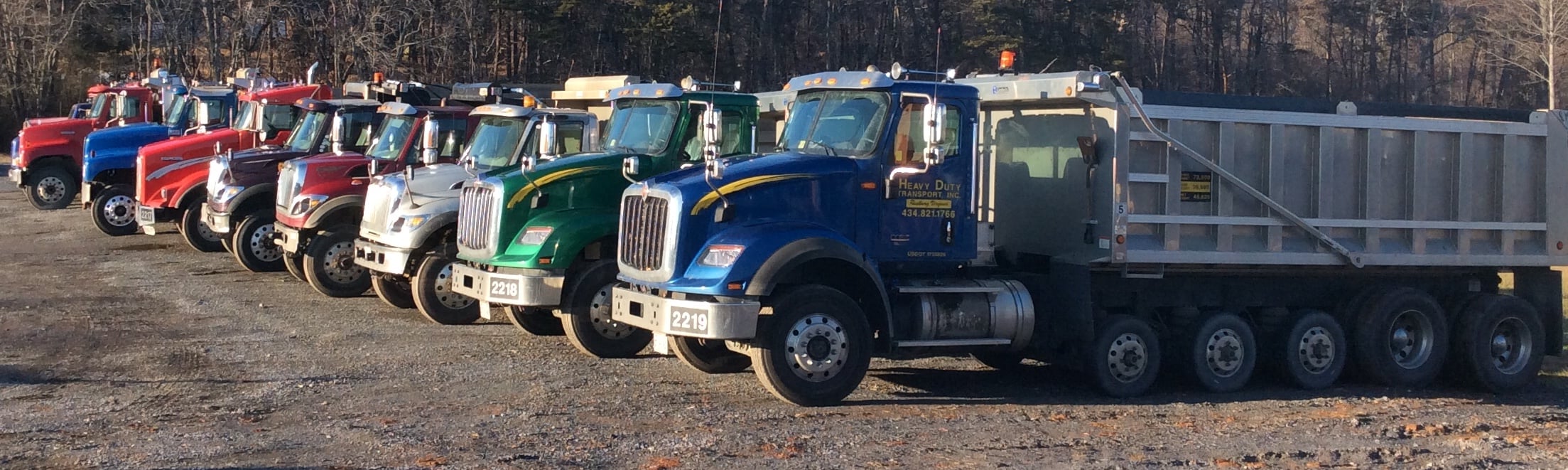
Mike Atkinson Excavating is a family company who has been doing excavation, demolition and disposal in Salem, VA and surrounding areas for over 35 years. Honestly, we love demolishing things. We also love watching a piece of land that is overrun or underdeveloped turned into the foundation for somebody's dream. We are your local excavating contractor and demolition contractor, both residential and commercial. Whether foundations, parking lots, road clearing, pond building, land clearing we are your complete source. We take pride in our work.

Response time1 day

Avatar for Dig Big LLC
Dig Big LLC
New to Angi

Serving Fairlawn, VA and surrounding areas

Approved

In business since 2023

Free estimates

Emergency services offered

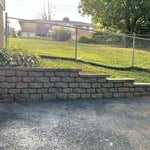
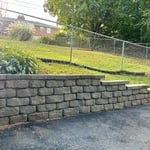
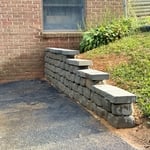
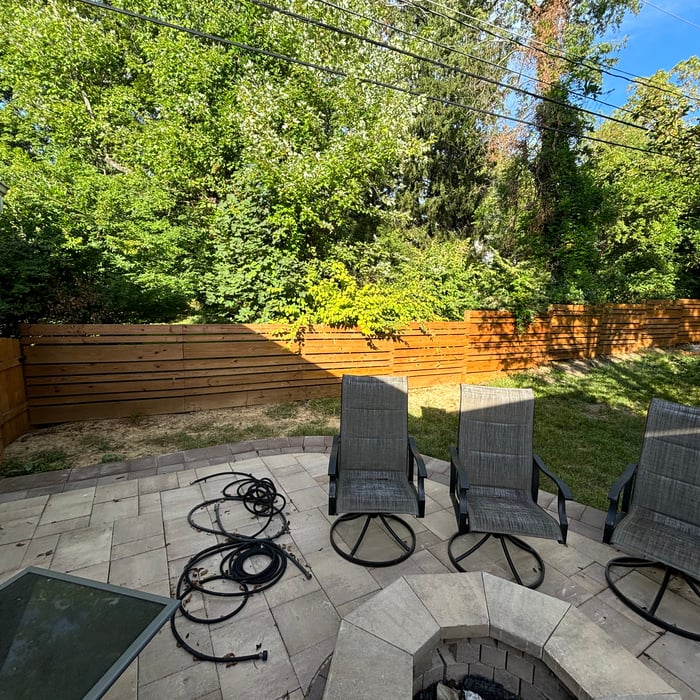
At Dig Big LLC, we specialize in high-quality concrete work and the installation of durable, manufactured retaining walls that enhance both the function and beauty of outdoor spaces. Whether you need a strong, reliable wall to prevent erosion, define your landscape, or add visual appeal to your property, our expert team ensures precision installation using top-tier materials. Our concrete patios and walkways are built to last, offering a stylish and low-maintenance solution for any outdoor area. In addition to retaining walls and concrete surfaces, we provide custom hardscaping services to create functional and attractive outdoor spaces. With competitive pricing and a commitment to excellence, Dig Big LLC is ready to bring your vision to life. Contact us today to start your next project!

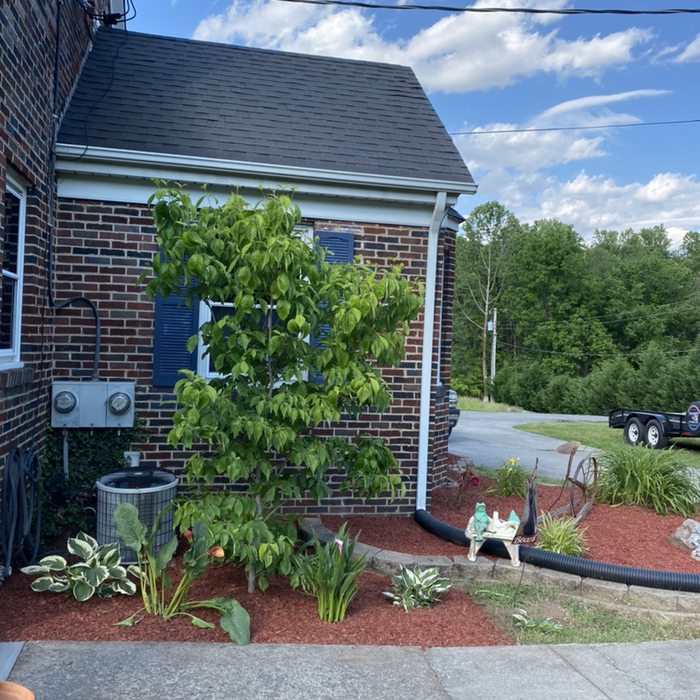
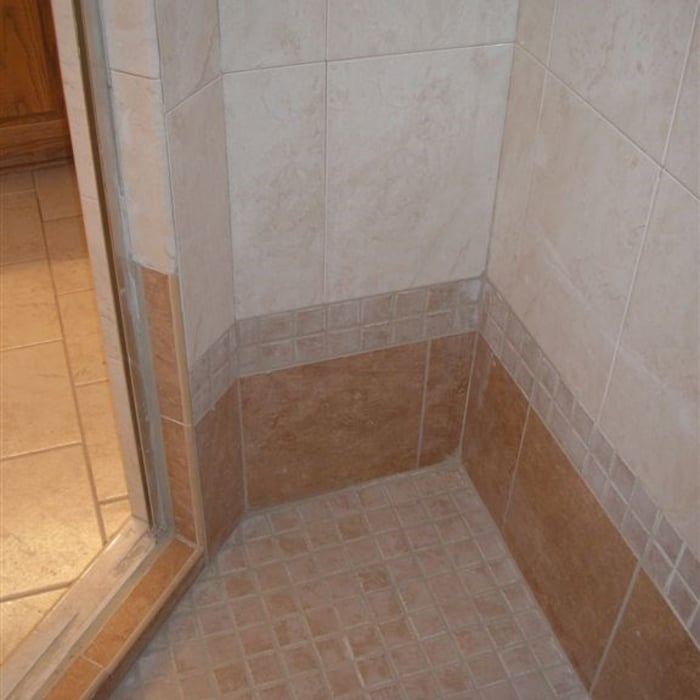
Landscaping - Hardscaping & Pavers Project
Landscaping Project
Landscaping - Hardscaping & Pavers Project
Staining

+20

8 neighbors recently requested a quote
Showing 1-10 of 22
Excavating questions, answered by experts

Dumpsters work best on hard, study, and level surfaces made of asphalt, stone, or concrete. If the surface is uneven or too soft, the dumpster could get stuck or tip over when filled. Keep in mind that you must obtain a dumpster permit to keep it on a city street in many areas.

There are several methods to hollow out a tree stump, and the best one depends on your tools, experience, and priorities. Common methods include using a chisel and hammer, a chainsaw, or burning.

  • Chisel and Hammer: This is often considered the easiest approach for those with limited tools or experience, though it is the most time-consuming.

  • Chainsaw: Using a chainsaw is the fastest method, but it comes with significant safety risks, especially for inexperienced users.

  • Burning: This can be an effective method, but it is not recommended unless you can first drill holes into the stump. Without holes, the stump will be difficult to light and may not burn completely through.

A power drill with at least a ⅜-inch diameter bit can make the job quicker and easier, regardless of the primary method. While you can use a chisel or chainsaw without a drill, it will require more time and effort. Always wear protective goggles and thick gloves, as splinters are an inevitable risk.

A walk-behind trencher can cut through roots as long as they’re not too thick, making a project much easier than digging with a shovel and other hand tools. Assess your terrain and the number of trees in the surrounding area to determine if a walk-behind trencher will ease the job. Digging a trench by hand is much more time-consuming and labor-intensive. 

No, fire blight does not survive free in the soil but instead is carried through insects, animals, rain, or wind during the spring. Keep in mind that it can also spread on tools, which is why you should always disinfect them in between cuts.

There is no standard depth for burying a septic tank; they are typically buried anywhere from 4 inches to 4 feet underground. The final depth depends on several factors, including the depth of your main sewer line, the height of the bedrock, soil type, local regulations, and the property's landscape. If you plan to grow grass or plants over the tank, a depth of at least 4 to 6 inches is recommended. Deeper tanks can be more difficult to locate, but a septic professional can help find it for you.

The Fairlawn, VA homeowners’ guide to excavation services

From average costs to expert advice, get all the answers you need to get your job done.