




Top-rated plaster repair specialists.

Best plaster repair specialists near Kearns, UT

Enter your zip and get matched with up to 5 pros

Need a pro for your plaster repair project in Kearns, UT?

Select your specific project to find the pro for you.

TRUSTED BY KEARNS, UT HOMEOWNERS

  • Average homeowner rating star icon4.6
    Average homeowner rating
  • Verified reviews icon296
    Verified plaster repairs reviews

Top-Rated Plaster repair specialists in Kearns - Updated Nov 2026

Avatar for Patch Master of Salt Lake
Patch Master of Salt Lake
4.7(
155
)
Plaster - RepairPlaster - Repair - For Business

Serving Kearns, UT and surrounding areas

Approved

In business since 2016

Free estimates

Emergency services offered

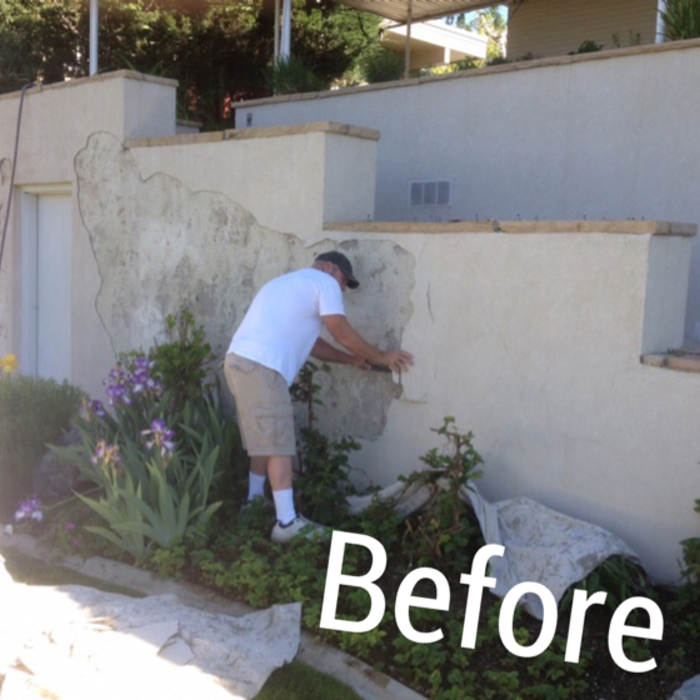
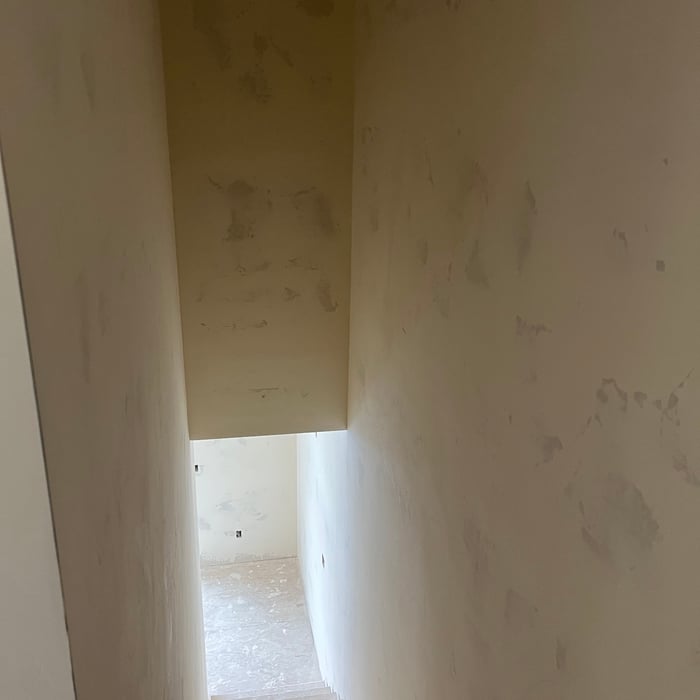
"If you get Miguel as your patch guy then youâ re in great hands. Such a kind man. He was there on time, every day. We had quite the project going on so his promptness was appreciated. If youâ re inclined, heâ s great at working and chatting or heâ s good to be left on his own. I would recommend Patch Master to anybody! I was looking for plaster workers on Angieâ s List and they were the first on the list! Within 3 min of me putting my info down Kenzie contacted me, I sent photos of what needed repairs and I got a quote later (15 min later). Couldnâ t be more pleased."
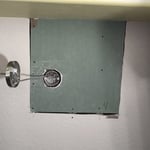
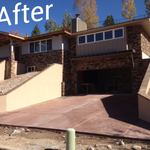
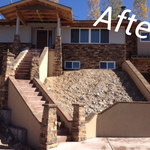
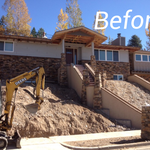
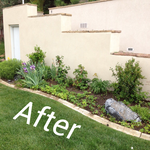
Above the sink
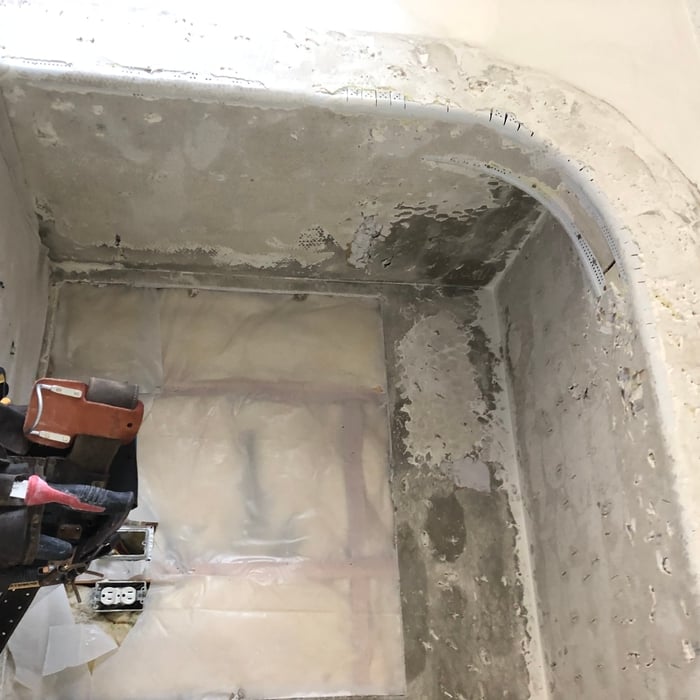
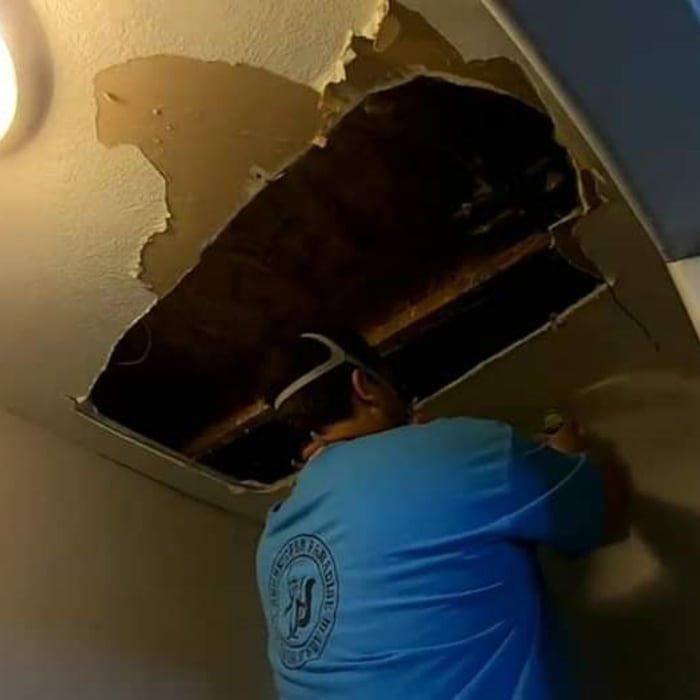
During the repair
Completed repair
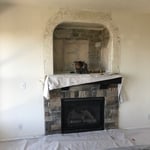
Stone Removed
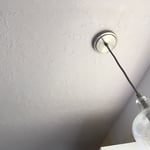
Pre left corner

+14

Response time11 hrs
1 neighbors recently requested a quote
Recommended by97%of homeowners
...
Showing 1-10 of 59
Plaster Repair FAQs, answered by experts

Although they have similar applications, spackle and joint compound are not the same. Their primary differences lie in their composition, consistency, and ideal use cases.

Spackle is composed of gypsum and binding agents, making it thicker than joint compound. It dries quickly and is easy to sand, which makes it ideal for small wall repair projects like filling nail holes or patching minor damage.

Joint compound, also known as drywall mud, consists of limestone and gypsum. It is primarily used for large-scale projects, such as taping and finishing the seams on newly installed drywall. It tends to shrink more than spackle and can be more difficult to spread.

While both products can be used to fill small depressions and cracks, spackle cannot replace joint compound for taping and mudding new drywall. Conversely, you can often use joint compound for small patching jobs typically done with spackle.

Only use spackle on plaster walls when the imperfection is small. It’s best used for nail holes or small dings in the plaster. Spackle dries quickly, allowing you to continue the repair process shortly after using it. Plaster can be tricky to repair, though, so if you run into issues, call a pro so that you don’t risk further damage.

In most cases, plaster repair will improve your home’s energy efficiency because a solid barrier of the insulative material helps keep conditioned air inside your home. Major plaster repair jobs like repairing large cracks or crumbling sections of plaster or applying a skim coat might make a noticeable difference in your heating and cooling bills. Not only can plaster repairs improve efficiency, but they can also reduce strain on your HVAC equipment, potentially saving you money on maintenance and repairs.

Repairs typically take 2-4 hours for small areas. Larger or more complex repairs may require additional time.

Look for flaking paint or air bubbles that burst and then flake away. Paint will begin to flake after being exposed to minimal moisture or water, so it’s a good indicator of any water damage. If you notice your paint starting to flake, feel the plaster underneath to see if it is soft or damp.

The Kearns, UT homeowners’ guide to plaster repairs

From average costs to expert advice, get all the answers you need to get your job done.