Depending on how much adhesive was used as well as the strength of the adhesive, you may have some drywall damage when removing a mirror. You can typically repair most drywall damage if it’s small by sanding the damaged area, applying spackle to smooth the damaged section so it’s flush with the rest of the wall, and repainting the area.
Ceiling-mounted curtains won’t damage the ceiling if they’re installed properly. Using the right anchors or securing the brackets into joists will ensure the curtain weight is properly supported and prevent damage. However, overtightening screws, using weak anchors, or repeatedly removing and reinstalling hardware in the same spot can cause cracking or sagging over time. In that case, you might have to call a pro for ceiling repair.
You will be placing holes in the wall to hang the mounting bracket. If you’re mounting a large TV, the bolts in use could make significant holes around half an inch in diameter. Other than a few holes, though, the process of mounting the TV should not cause significant damage to the wall, unless you make an error and miss the wall stud, tearing out drywall. Should you decide to remove the mount later, the DIY drywall repair cost for a small hole usually is $10 to $30. It’s a repair you can do in a few minutes.
Repairs typically take 2-4 hours for small areas. Larger or more complex repairs may require additional time.
You can technically just paint over hairline cracks in plaster since these cracks are often harmless, but this will mostly be a waste of paint. Paint will only hide the hairline crack for a few months before it shows up again. The best solution is to repair the crack with flexible filler or joint compound before repainting.
The Aurora, UT homeowners’ guide to plaster repairs
From average costs to expert advice, get all the answers you need to get your job done.
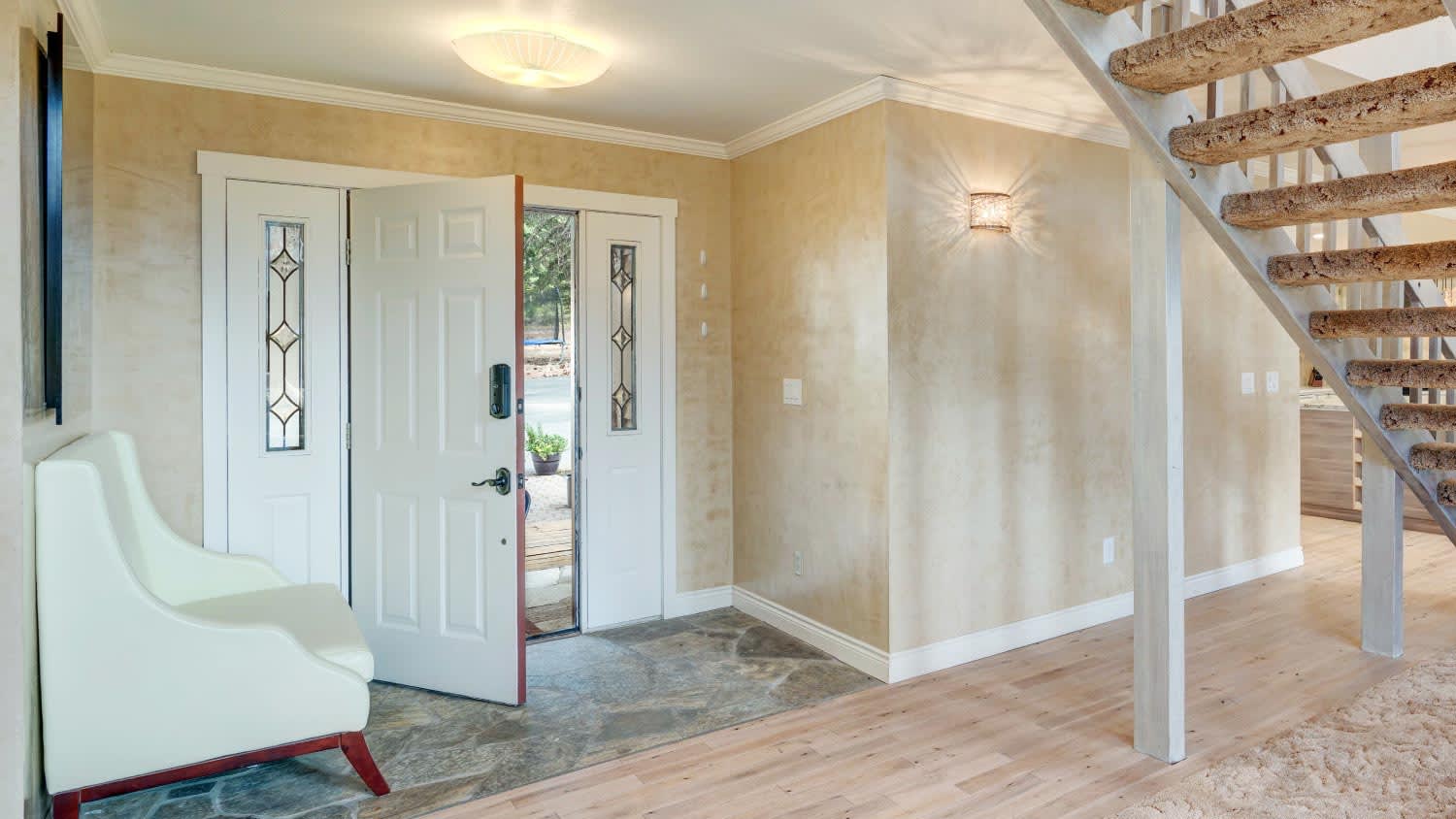
Venetian plaster can add depth and texture to your aesthetic. Learn how much Venetian plaster costs based on factors like square footage and whether you hire a pro to help.
You can find plaster walls in a lot of older homes. What’s behind these walls—whether that’s lath or calcimine—can have an impact on how long they last. Finding out the age of your house can help you determine what you’re dealing with.