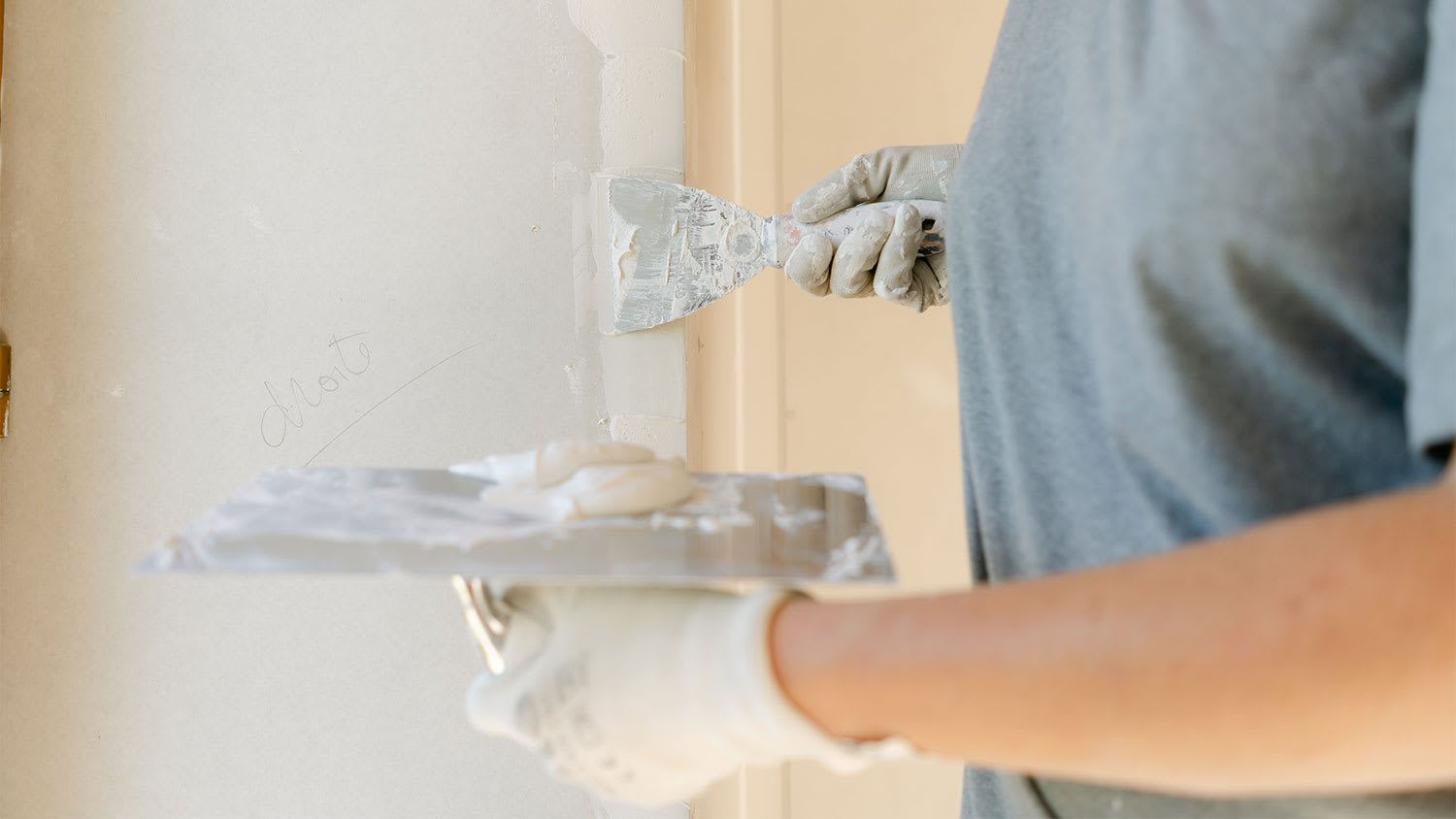
Vargas Construction is an emerging contractor willing to go above and beyond the standard quota. Our team aims to provide quality work and a stress-free process through transparency and reliability at every step.
Ricardo's Drywall LLC is a family owned & operated drywall company with over 15 years of experience. We can handle any & all of your drywall needs! Call us today for a free estimate!
Ricardo's Construction is dedicated to providing our customers with the best quality and craftsmanship. We are here to build relationships with our customers and communities and to provide our employees with a great place to work.\n \nRicardo's Construction is a leader in providing our customers with the highest quality products and craftsmanship in an honest, efficient, and professional way. Our pledge is to create successful relationships with our customers, employees and community by building trust, treating every project with the utmost integrity and exceeding expectations.\n \nWe look forward to working with you!
You can put certain types of plaster over other types, but doing so isn't always the best idea. For example, putting a coat of gypsum over lime plaster is possible, but doing so will limit the lime plaster's breathability and potentially affect its performance.
Since cement plaster tends to leave a textured surface, no matter how much you smooth it, some people prefer to use gypsum plaster as a topcoat over cement plaster, creating a smoother surface.
Wondering who to call for ceiling repair? While you can hire a handyperson to fix minor cracks, you’ll want to hire a drywall professional for larger issues. Depending on the cause of the crack, you may need to hire other contractors, such as a foundation contractor, mold remediation company, roofer, or plumber near you.
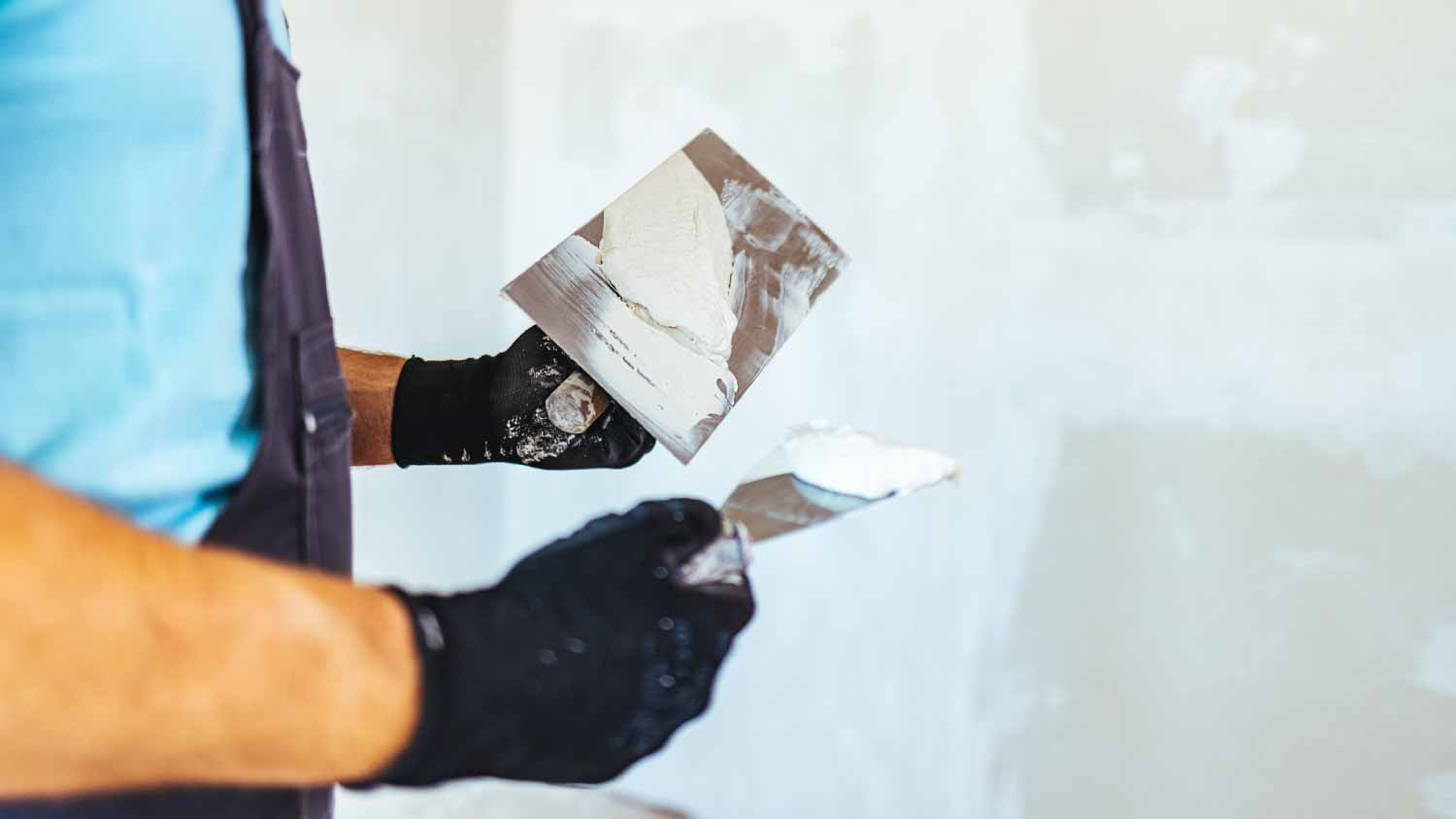
You can plaster over regular drywall, but it's essential to prepare the surface properly. Before plastering, the drywall should be clean, free of dust, and any loose or peeling paint should be removed. Applying a primer specifically designed for plastering can improve adhesion. Some professionals recommend applying a base coat of plaster or joint compound to create a better surface for the plaster to adhere to. Proper preparation ensures a smooth and durable plaster finish over regular drywall.
It depends on the construction of your wall. Most handypeople can fix small holes in drywall. If your wall is plaster or brick, more significant damage may require a drywall contractor or a mason. Hiring a handyperson costs less than a more specialized type of contractor, but they’re not trained in all types of wall repairs.
You can skim coat plaster, but it’s better to repair the plaster itself. A skim coat is a thin coat of drywall joint compound spread over the surface of a wall. The result is a flat finish that looks pleasing, but part of the appeal of plaster is its imperfections and aesthetic. Skim coating is best when limited to drywall applications.
The Moroni, UT homeowners’ guide to plaster repairs
From average costs to expert advice, get all the answers you need to get your job done.
Venetian plaster can add depth and texture to your aesthetic. Learn how much Venetian plaster costs based on factors like square footage and whether you hire a pro to help.
You can find plaster walls in a lot of older homes. What’s behind these walls—whether that’s lath or calcimine—can have an impact on how long they last. Finding out the age of your house can help you determine what you’re dealing with.