We are a locally owned and operated company that values honesty, integrity, and treats your home as if it were our own. We offer a variety of services that are customizable to each individual project. You will find us to be competitively priced, paying close attention to the details of each project that we are involved with. We look forward to building lasting relationships, and guarantee your satisfaction!
Depending on how much adhesive was used as well as the strength of the adhesive, you may have some drywall damage when removing a mirror. You can typically repair most drywall damage if it’s small by sanding the damaged area, applying spackle to smooth the damaged section so it’s flush with the rest of the wall, and repainting the area.
Whether you can install or repair plaster yourself depends on the project's size and your comfort level with DIY projects. It's possible to handle small repairs on your own, but for larger projects like a room restoration or a full installation, it's often best to hire a local plaster professional. The final appearance, even coverage, and durability of the plaster depend heavily on proper wall preparation and application. If you are not 100% confident in your ability to achieve a professional result, letting an expert handle the job is a worthwhile investment.
In most cases, plaster repair will improve your home’s energy efficiency because a solid barrier of the insulative material helps keep conditioned air inside your home. Major plaster repair jobs like repairing large cracks or crumbling sections of plaster or applying a skim coat might make a noticeable difference in your heating and cooling bills. Not only can plaster repairs improve efficiency, but they can also reduce strain on your HVAC equipment, potentially saving you money on maintenance and repairs.
Ceiling-mounted curtains won’t damage the ceiling if they’re installed properly. Using the right anchors or securing the brackets into joists will ensure the curtain weight is properly supported and prevent damage. However, overtightening screws, using weak anchors, or repeatedly removing and reinstalling hardware in the same spot can cause cracking or sagging over time. In that case, you might have to call a pro for ceiling repair.
It depends on the construction of your wall. Most handypeople can fix small holes in drywall. If your wall is plaster or brick, more significant damage may require a drywall contractor or a mason. Hiring a handyperson costs less than a more specialized type of contractor, but they’re not trained in all types of wall repairs.
The Ferron, UT homeowners’ guide to plaster repairs
From average costs to expert advice, get all the answers you need to get your job done.
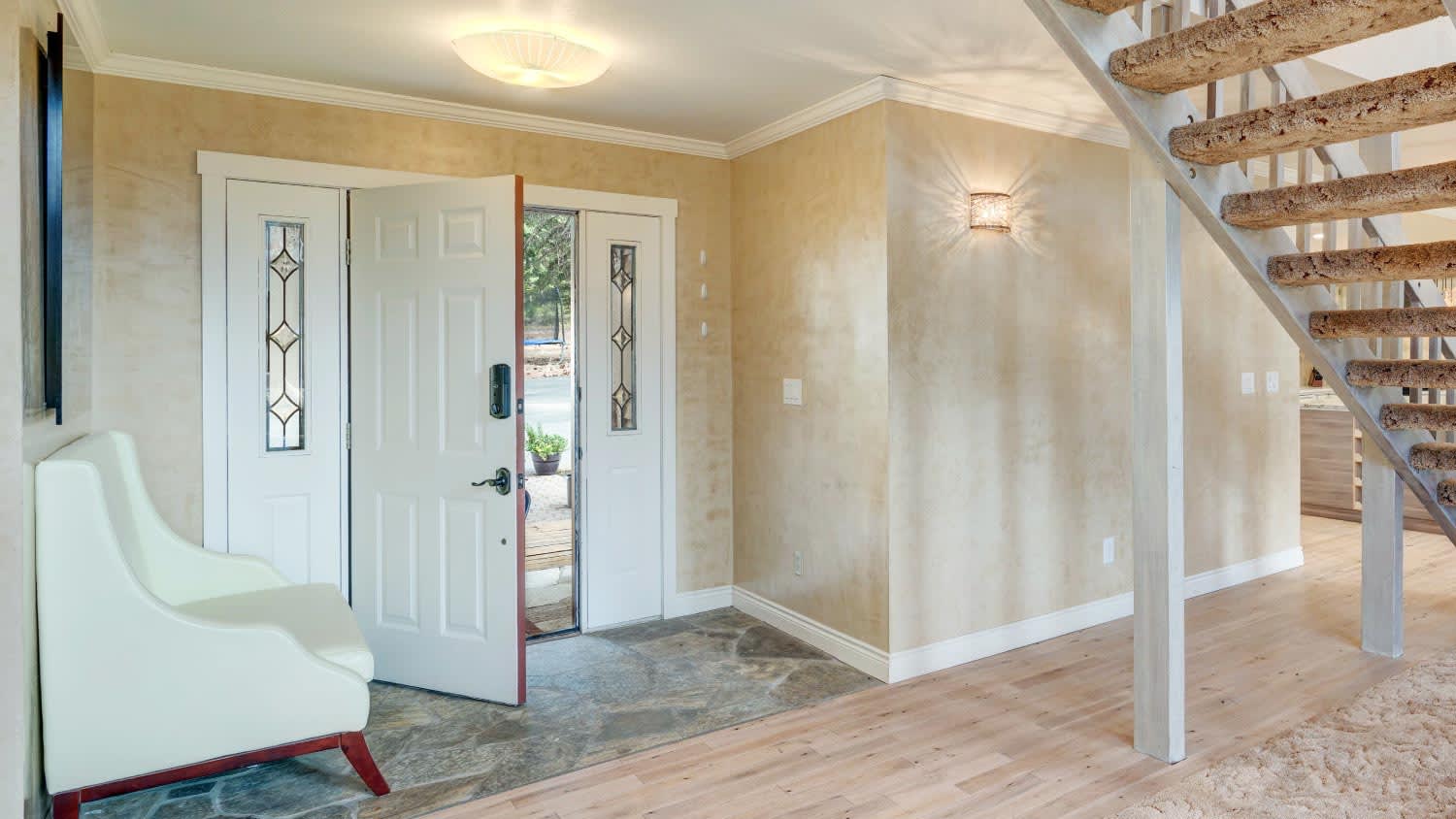
Venetian plaster can add depth and texture to your aesthetic. Learn how much Venetian plaster costs based on factors like square footage and whether you hire a pro to help.
You can find plaster walls in a lot of older homes. What’s behind these walls—whether that’s lath or calcimine—can have an impact on how long they last. Finding out the age of your house can help you determine what you’re dealing with.