
Top-rated electricians.

Best electricians near The Hills, TX

Enter your zip and get matched with up to 5 pros

Need a pro for your electrical service project in The Hills, TX?

Select your specific project to find the pro for you.

TRUSTED BY THE HILLS, TX HOMEOWNERS

  • Average homeowner rating star icon4.6
    Average homeowner rating
  • Verified reviews icon1.3k+
    Verified electrical services reviews

Top-Rated Electricians in The Hills - Updated Nov 2026

Avatar for JAMES GRIFFIN ELECTRIC LLC
JAMES GRIFFIN ELECTRIC LLC
5.0(
17
)
Electric Vehicle Charging Station Installation - For Business - Materials Not ProvidedElectric Vehicle Charging Station Installation - For Business - Materials Provided by ConsumerElectric Vehicle Charging Station Installation - Materials Not Provided+11 more

Serving The Hills, TX and surrounding areas

Approved

In business since 2023

Free estimates

Emergency services offered

"I had a few GFIC wiring out at my house while I was remodeling. I can do a few things around the house, but I do not want to mess with electricity. I contacted JGE and he came out and gave me a free estimate and was back within a few days. He replaced the wiring and got him to replace all the outlet covers while he was here. Everything is working fine. JGE is easy to work with, did good clean work. And theyâ re insured."
2023
2023
2023
2023
2023

+18

Response time5 hrs
Recommended by82%of homeowners
Avatar for Keil Electric
Keil Electric
5.0(
12
)
Fixed Generator - InstallElectrical Switches, Outlets & Fixtures - Install or RepairElectrical for Home Addition or Remodel - Install+11 more

Serving The Hills, TX and surrounding areas

Approved

In business since 2014

Emergency services offered

Credit card accepted

"Andy did a great job on wiring a new building as well as adding cat 5 wiring to my existing home. He worked around some challenging access issues for the cat 5 install and made sure everything was working before he left. The quality of all the work was outstanding. He provided some good advice in one aspect of the install in the new build, helping me avoid a costly mistake. He was very friendly, timely, and easy to work with. His prices were entirely fair. I 100% recommend Andy!"
CIRCUIT DIAGNOSIS & REPAIR
Outdoor Electrical Installation
Interior Lighting Upgrade
Outdoor Electrical Setup with Lighting Integration
Master Level Electrical

+54

16 neighbors recently requested a quote
Recommended by63%of homeowners
...
Showing 1-10 of 497
Electrical FAQs, answered by experts

Usually, your house panel is one of the key components that must be replaced when upgrading your amp service. In many cases, you will also need to upgrade your meter base as well as other electrical components.

At a minimum, you need an electrician to inspect the house wiring after a fire. The electrician will need to replace damaged or melted wires. If the electrical wiring is old, about 25 years or more, you should rewire the house after a fire. Old wiring can increase the risk of another fire, so replacing the wires is the safest option.

To prevent a plug from overheating, always ensure that the electrical load connected to the plug does not exceed the plug's capacity. If the plug feels hot to the touch or emits a burning smell, immediately shut off the circuit breaker and unplug all devices from the hot outlet. Prevent electrical fires by avoiding using extension cords or adapters with the plug, as they can cause it to overheat due to increased resistance. Additionally, ensure that the plug is properly inserted into the outlet and that the outlet is not damaged or loose. 
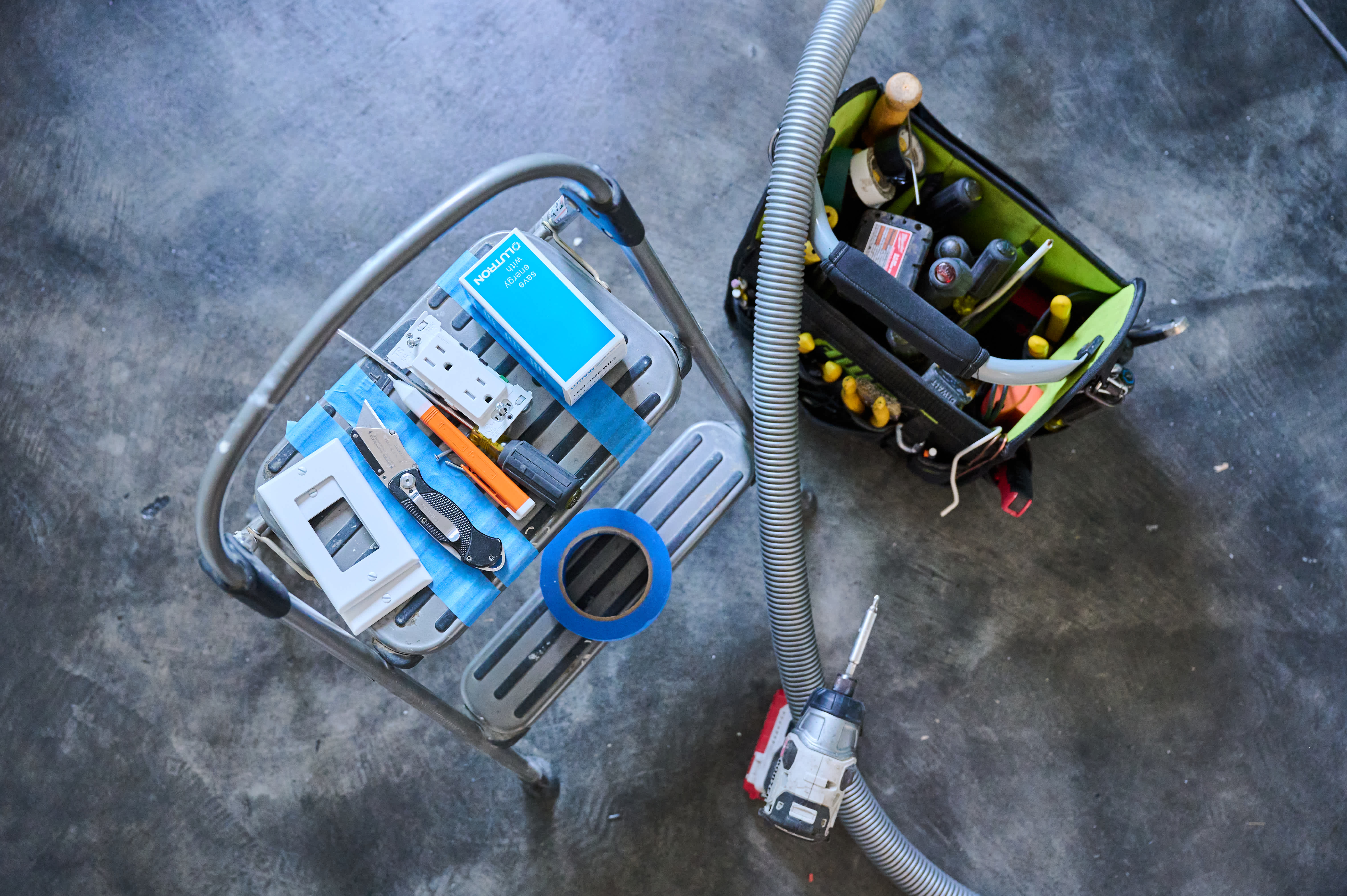
Outdoor outlets should be at least 15-amp, but preferably 20-amp. The exact rating will depend on the electrical load of the devices that will be plugged into the outlet and the capacity of the circuit. It's important not to overload the circuit, which can cause safety hazards such as tripped breakers or electrical fires. In general, a circuit rated for at least 20 amps is recommended for outdoor outlets, while each outlet should be rated for at least 15 amps.

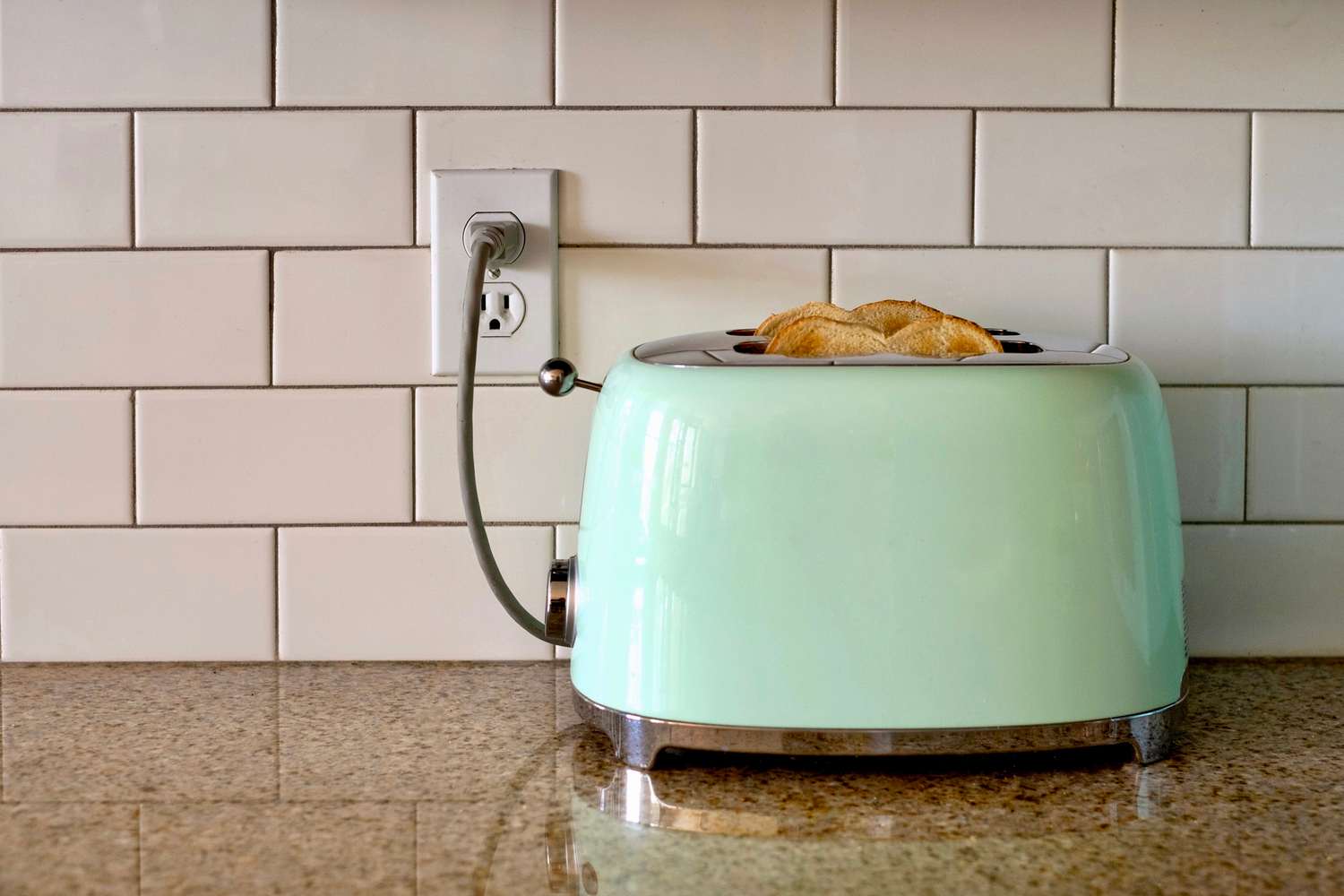
How far you can run underground electric depends on the wire gauge (generally AWG) and the circuit voltage. Too much voltage drop in an electrical circuit can negatively affect performance, so the smaller the voltage drop, the better. Ideally, it shouldn't exceed 3%. The smaller the wire and the longer the run, the more significant the voltage drop. 

For example, with a 120-volt circuit, you can run 60 feet of 12 AWG cable without losing more than 3% voltage. With a 240-volt circuit, you can run 120 feet of 12 AWG wire while maintaining a voltage drop of 3% or less.

The The Hills, TX homeowners’ guide to electrical services

From average costs to expert advice, get all the answers you need to get your job done.