



Get matched with top paving pros in Stanton, TX
Top-rated paving pros.

Need a pro for your paving service project in Stanton, TX?

Select your specific project to find the pro for you.

Find Paving pros in Stanton

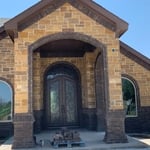
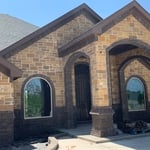
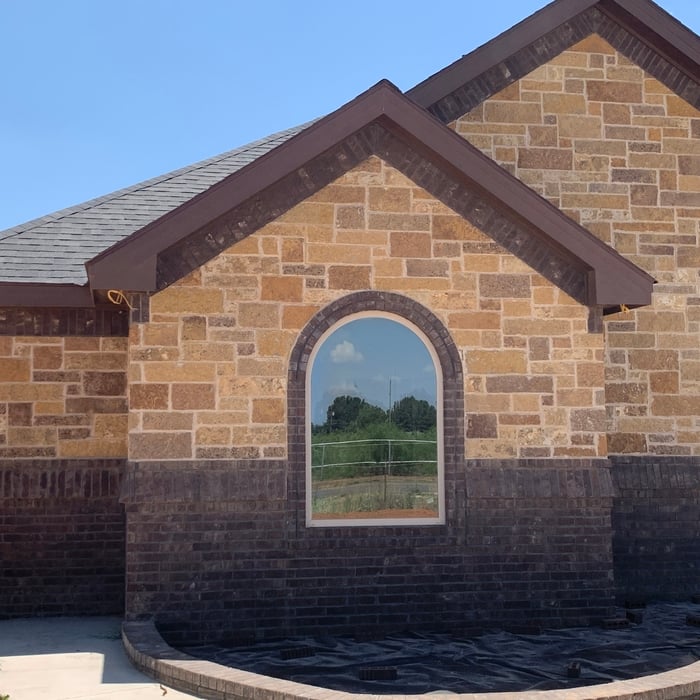
Avatar for San Francisco Masonry Texas
San Francisco Masonry Texas
4.9(
27
)

Serving Stanton, TX and surrounding areas

Approved

Super Service Award Winner

In business since 2005

Free estimates

Emergency services offered

"They are quick, fair, and honest. Juan and his team showed up on time, went above in the work they provided, and made sure that we were satisfied. We will definitely hire them again and will not hesitate to recommend them to others."
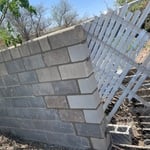
Retaining Wall
Retaining Wall
Retaining Wall
Retaining Wall
Retaining Wall

+1

Response time5 hrs
Response rate97%
1 neighbors recently requested a quote
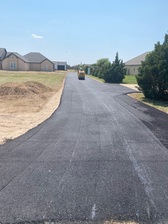
Driveway Experts
4.0(
6
)

Serving Stanton, TX and surrounding areas

In business since 1998

Credit card accepted

"Stay Away!! "Driveway Experts" 3773 Cherry Creek Drive N.#575 720-256-0063 They paved a driveway for me 3 years ago. I was dealing with "Eddie"who I believe to be the owner. Well the driveway is crumbling in several different areas. Eddie never answers his phone, so I have left 4-5 messages explaining the issue, to have him out to bid the repairs. Nice messages, nothing negative or confrontational, just for him to call me. I never even got a call back. I told him it isn't a problem if he doesn't do "repairs" just call me and tell me that. I do not expect him to do repairs for free as there is only a 1 year warranty. Bad enough the driveway didn't hold up, and I know things happen. What a loser to not even have the courtesy to return a phone call from a past customer. I can put up with alot, but no excuse for not returning a phone call."
Recommended by66%of homeowners
...
Showing 1-10 of 58
Paving Services questions, answered by experts

Maintaining a driveway depends on its material. For concrete and asphalt, it's best to clean the surface thoroughly twice a year with a stiff broom and a pressure washer to remove accumulated dirt and debris. Sealing the driveway is crucial to protect it from water damage and freeze-thaw cycles. Before applying a sealant, pressure wash the surface to remove any loose sealant, dirt, or stains, as sealing over them will trap them. Any cracks or expansion joints should be filled with a flexible polyurethane caulk or asphalt sealer. In colder climates, use sand instead of salt for de-icing. Sand helps melt snow and ice without accelerating the freeze-thaw process, which can cause cracks.

The material that’s best for your private road depends on your property, the climate in your area, and your personal preferences. Gravel is an affordable option, but some homeowners don’t like how it looks. It can be a pain to remove snow from, and it requires more ongoing maintenance than asphalt or concrete. However, while these other options require less maintenance and make snow removal a breeze, they’re more expensive and will need repairs from time to time. Ultimately, you’ll have to choose the road material that suits you and your property best.

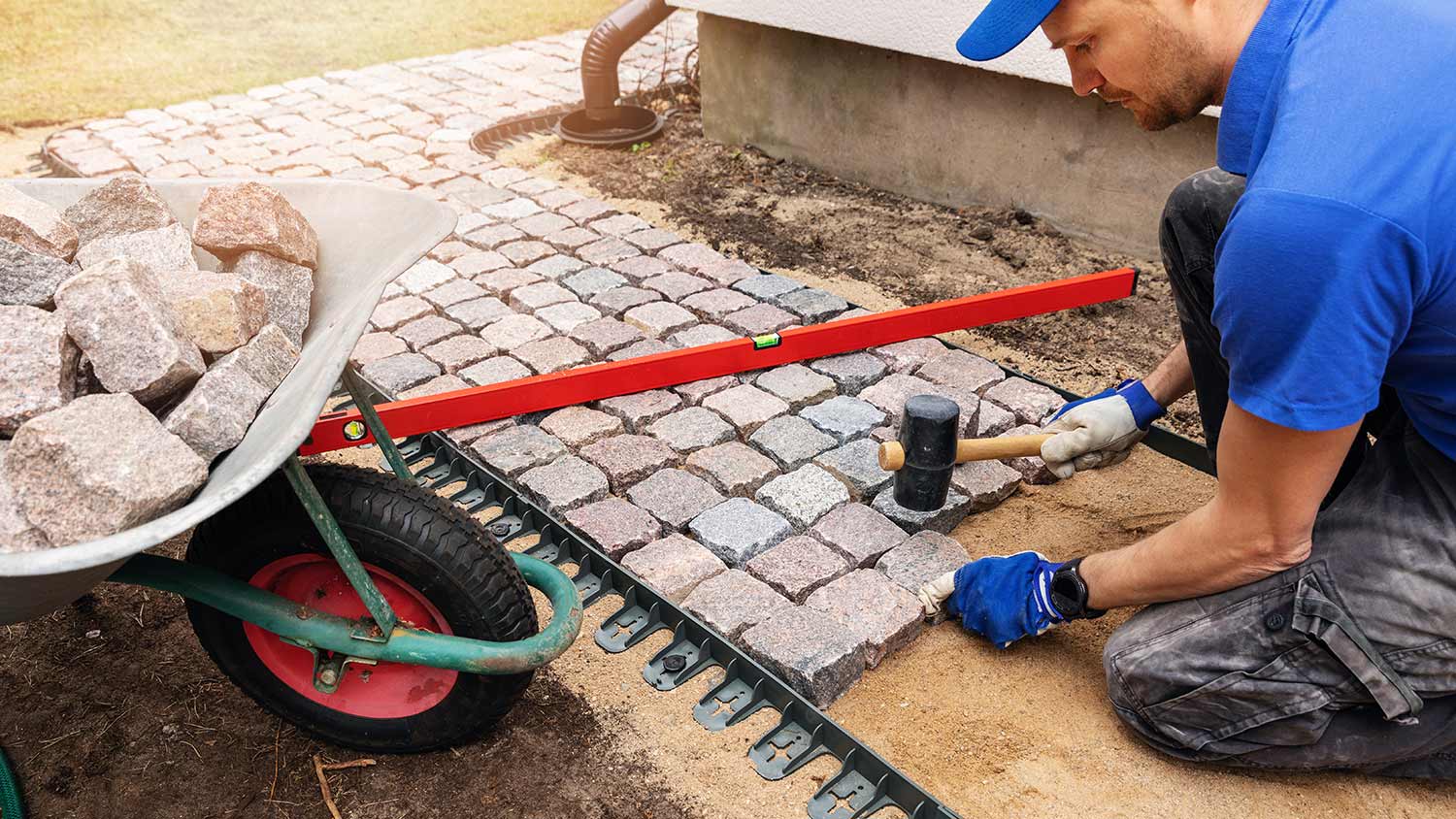
You’ll first need to install a base underneath your pavers for extra stability and drainage. Otherwise, the pavers can sink into the ground, and you’ll have to reinstall them. Use a base gravel layer of 4 to 6 inches for walkways and 10 to 12 inches for driveways. Compact your gravel layer every 2 to 4 inches so it’s nice and solid. After you install your gravel base, apply a 1-inch layer of sand on top.

While water-related pressure caused by poor drainage is one common cause of paver cracking, other factors can include ground movement beneath pavers, heavy loads and wear and tear over the pavers, and climates with constant freeze-thaw cycles. In general, pavers should be resealed every three to five years to prevent cracking.

To adhere pavers to concrete, you can use either mortar or a concrete-specific adhesive. For border pavers, a polyurethane-based adhesive is a good choice as it expands and contracts with temperature changes, keeping them firmly in place. For the non-border pavers, polymeric sand is used between the joints to prevent shifting. In most cases, it is also recommended to lay a permeable sand layer below the pavers to ensure proper stability and drainage. Before starting, always take the proper preparatory steps for a professional result.

The Stanton, TX homeowners’ guide to paving services

From average costs to expert advice, get all the answers you need to get your job done.