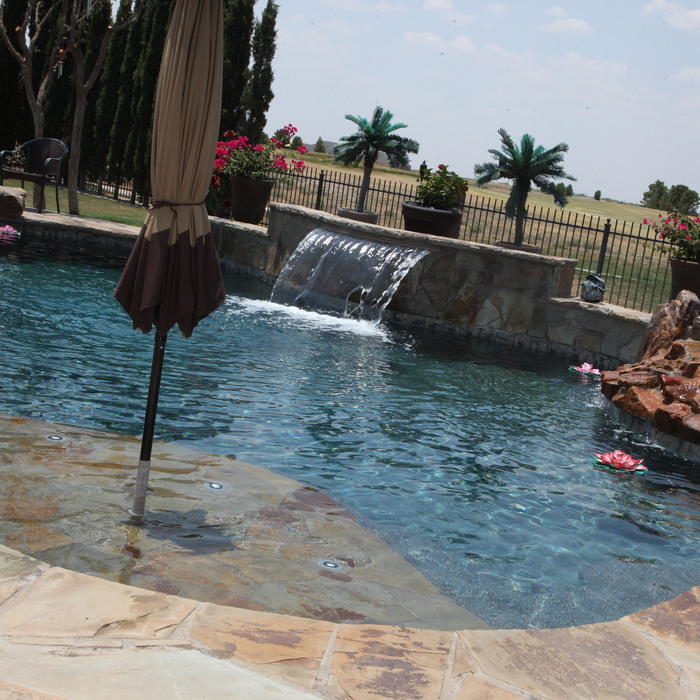








Top-rated paving pros.

Get matched with top paving pros in Midland, TX

Enter your zip and get matched with up to 5 pros

Need a pro for your paving service project in Midland, TX?

Select your specific project to find the pro for you.

TRUSTED BY MIDLAND, TX HOMEOWNERS

  • Average homeowner rating star icon4.3
    Average homeowner rating
  • Verified reviews icon31
    Verified paving services reviews

Find Paving pros in Midland

Avatar for San Francisco Masonry Texas
San Francisco Masonry Texas
4.9(
27
)

Serving Midland, TX and surrounding areas

Approved

Super Service Award Winner

In business since 2005

Free estimates

Emergency services offered

"Juan & His Wife Yvone, kept us informed as to scheduling which he followed as stated. Juan did quality work on my brick replacing project. I would definitely hire him again for Masonry work. Good Job Juan."
Retaining Wall
Retaining Wall
Retaining Wall
Retaining Wall
Retaining Wall

+3

Response time5 hrs
Response rate97%
1 neighbors recently requested a quote

Avatar for Advance Excavating & Paving, LP
Advance Excavating & Paving, LP
New to Angi

Serving Midland, TX and surrounding areas

Approved

In business since 1997

Free estimates

Credit card accepted

Advance Excavating & Paving, LP believes no job is too large or too small. With 20 years experience in the business, I pride myself on my professionalism, as well as my ability to complete each project to the homeowner's satisfaction. Call us today.
Response time3 days
...
Showing 1-10 of 80
Paving Services questions, answered by experts

Asphalt and tarmac are not the same thing. Traditional tarmac, short for tarmacadam, uses tar as a binder to hold crushed stone together. Asphalt uses bitumen—a byproduct of crude oil—to bind aggregate. Though tarmac was once a go-to for roads, asphalt has become the modern standard. And these days, most surfaces referred to as “tarmac” are actually asphalt. So, while the names may overlap, the key distinction lies in the binder—tar for tarmac and bitumen for asphalt.

Your city or county will have guidelines about the minimum and maximum width and length of private roads. The average private road is 12 feet wide, and length, of course, depends on your property. Requirements also depend on the amount of traffic and types of vehicles your road experiences. Check with local ordinances before planning a road on your property.

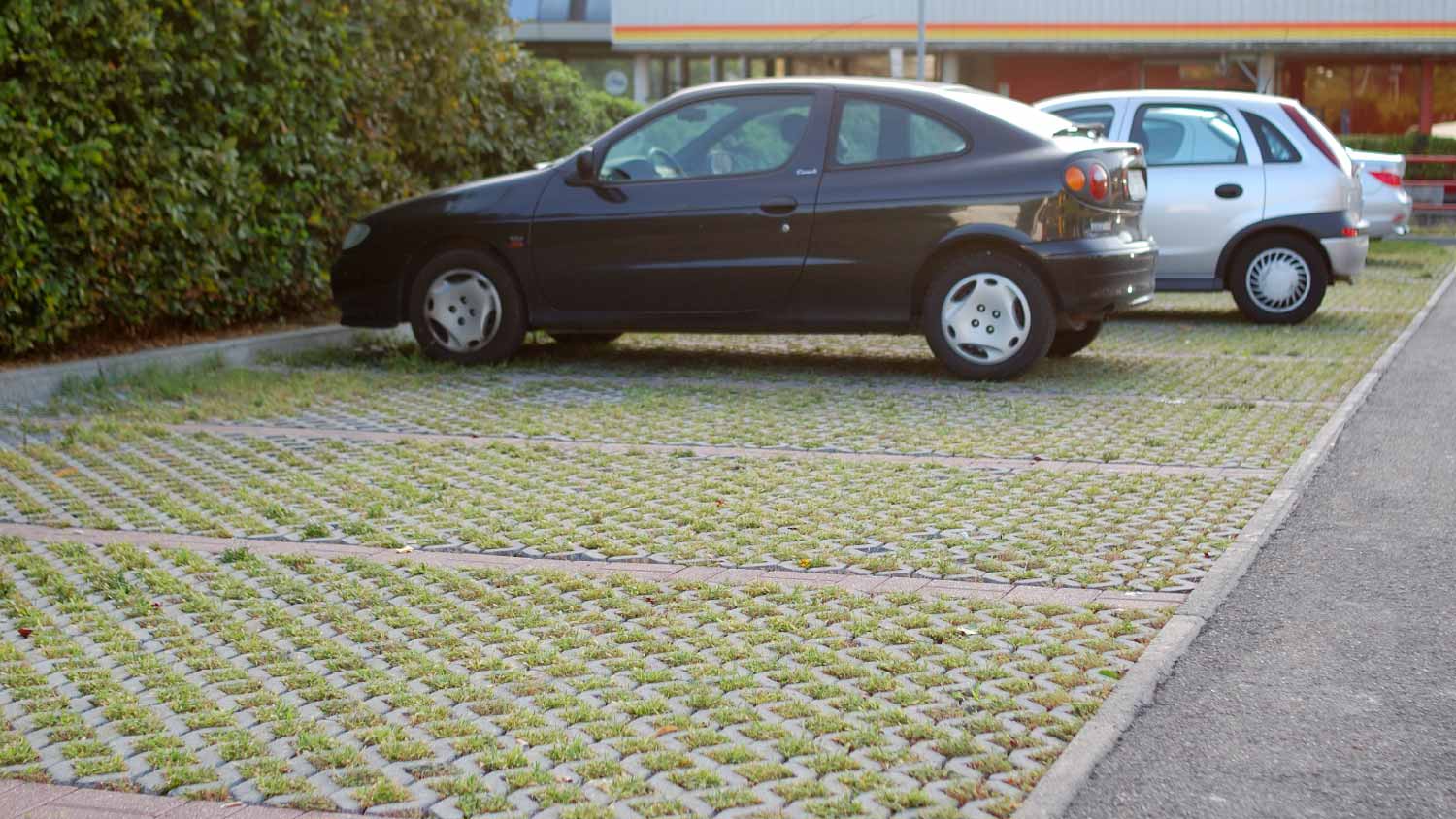
Interlocking pavers offer a number of advantages over regular pavers. For instance, they’re more durable, more resistant to shifting, and easier to repair. There are also permeable options that allow for drainage. However, interlocking pavers are more often more expensive than regular pavers and are prone to growing weeds over time.

While water-related pressure caused by poor drainage is one common cause of paver cracking, other factors can include ground movement beneath pavers, heavy loads and wear and tear over the pavers, and climates with constant freeze-thaw cycles. In general, pavers should be resealed every three to five years to prevent cracking.

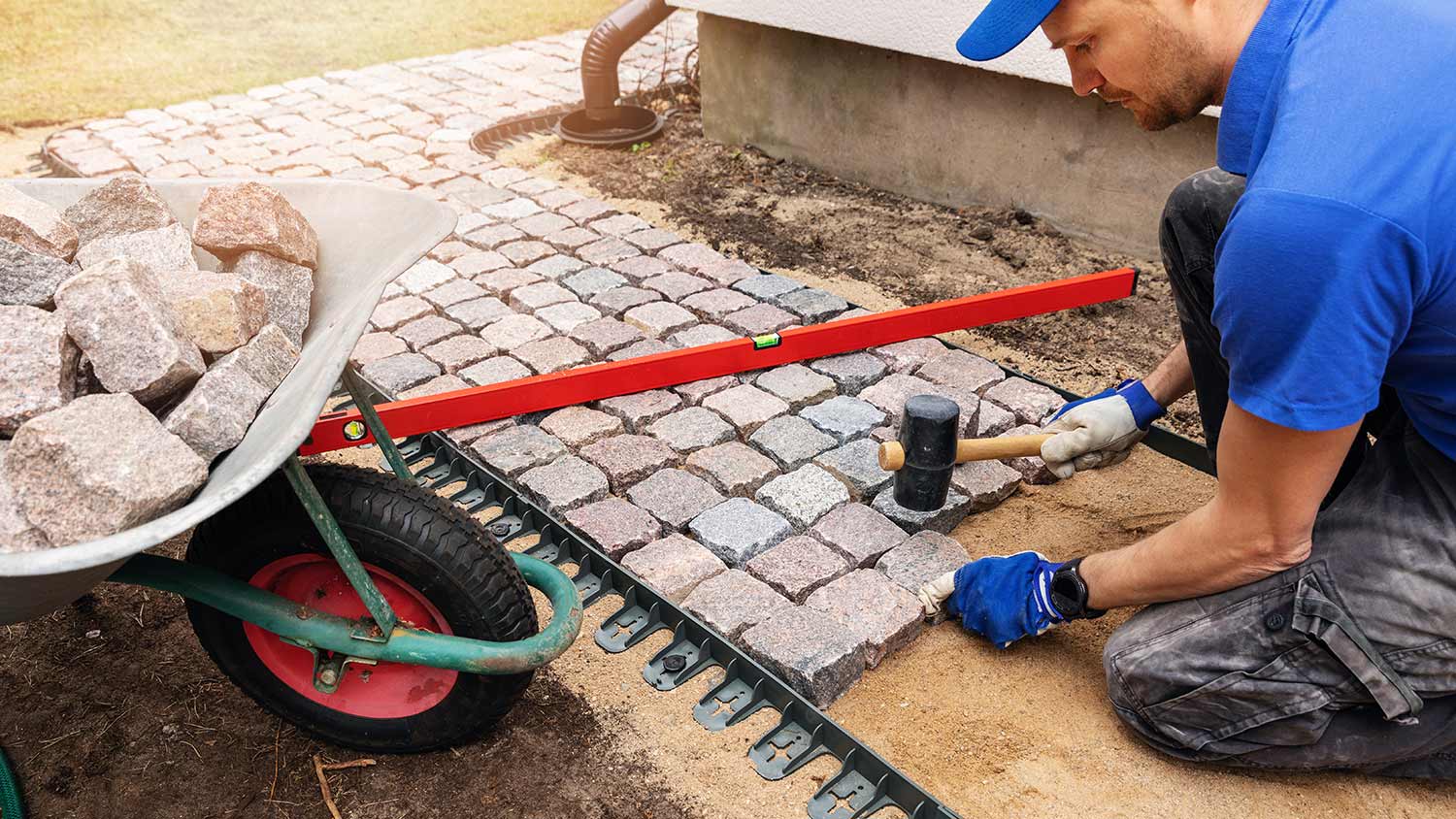
You’ll first need to install a base underneath your pavers for extra stability and drainage. Otherwise, the pavers can sink into the ground, and you’ll have to reinstall them. Use a base gravel layer of 4 to 6 inches for walkways and 10 to 12 inches for driveways. Compact your gravel layer every 2 to 4 inches so it’s nice and solid. After you install your gravel base, apply a 1-inch layer of sand on top.

The Midland, TX homeowners’ guide to paving services

From average costs to expert advice, get all the answers you need to get your job done.